
| No | Name | Description |
|---|---|---|
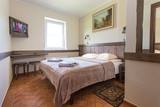 |
Viesu nams "Igne" ir vieta, kur palikt uz vienu nakti vai apmesties uz ilgāku laiku. Tā atrodas netālu Druskininkai Jaskoniai ciematā, tikai 4 km attālumā no pilsētas centra, taču tā ir klusa vieta prom no pilsētas burzma. Iespēja uzņemt līdz 50 cilvēkiem istabās ar labierīcībām. Apmeklētāju ērtībai augstas klases restorāns "Romnesa", omulīga sauna, bezmaksas autostāvvieta un bezvadu internets. Piemērota vieta konferencēm, semināriem, privātiem un korporatīviem pasākumiem. Tiek piedāvātas izglītojošas meistarklases šakotis gatavošanā, Šakotis muzeja apskate. |
|
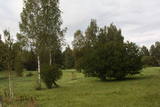 |
Work on the arboretum, which covers 15 hectares of land, began in 1968, and it was meant to be a landscape park. The first plants were planted in 1972. During the fierce winter of 1976, sadly, many of the plants froze. In 1987, the park was redesigned. At that time it had 234 types of deciduous trees, coniferous trees and bushes. There are signs showing the Latin and Latvian names of the various plants
|
|
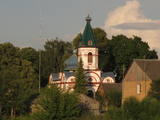 |
This is an urban construction monument that was created between the 17th and 19th century, and it is of national importance. The street layout around Jelgavas and Rātūža streets forms closed blocks of buildings. There are Lutheran, Catholic, Orthodox and Baptist churches in Jaunjelgava. One of the most outstanding architectural monuments is City Hall, which was built in 1912 and features Art Nouveau forms. None of the city’s five synagogues has survived. The historical centre of Jaunjelgava features a promenade that runs along the banks of the Daugava River. This is a popular place for strolls, leisure and swimming. |
|
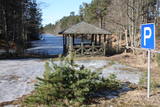 |
The Vecročupe river flows out of the artificial Vaide pond. It was created by blocking the Vaide and the Kukšupe rivers. This happened during the Soviet occupation, when forestry people decided to establish a fishing pond and an area for recreations. A wooden pergola has been installed at the pond, and there is an information stand, as well. On the northern shore of the pond is the Vaide cemetery, which dates back to 1928 and has interesting wooden crosses. |
|
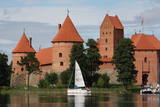 |
The Trakai Island Castle is the only East Europe's castle which is built on a little island. The process of building this castle started in 14th century. After its fall on 1410 during a war it lost its meaning as a military base and became a living place for ruler of Lithuania. Trakai Castle is one of the most popular objects in Lithuania for tourists. Inside the castle is a museum which tells about Trakai history.
|
|
 |
Taka izveidota Limbažu Lielezera ZA galā, tā ir 3.6 km gara vienā virzienā. Ezeru ziemeļu galā izbūvēts putnu novērošanas tornis. Izbūvēts bērnu rotaļu laukums, labiekārtotas atpūtas vietas, izveidota laivu piestātne. Pāri Donaviņai izveidots gājēju tiltiņš uz pontoniem. |
|
 |
Saimniecība "Dižgāļi" Alsungā nodarbojas ar bioloģisko lauksaimniecību, gaļas liellopu audzēšanu un aitu audzēšanu. Apmeklētājiem ir iespēja aplūkot saimniecību, tajā esošos dzīvniekus, kā arī iegādāties svaigo produkciju. Saimniece pastāstīs par vietas vēsturi, kā arī pacienās viesus ar vistas zupu. |
|
 |
Mulgi Kõrts (tavern) in Abja-Paluoja, the centre of Mulgi area, has a cosy atmosphere, local dishes and swift service. The tavern is in a house over 100 years old. |
|
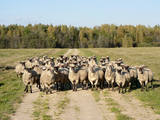 |
The farm, which has been developed around the servants’ home of the former Ķempēni Estate, breeds more than 200 Latvian dark-headed sheep. Visitors can purchase meat, wool and skins, also taking part in informational tours with tastings of various foods, as well as catching and tasting trout (this is available only to those who spend the night at the venue). |
|
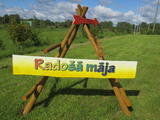 |
This venue organises seminars, courses and activities related to Latvian holidays and family celebrations. There are master’s classes about culinary heritage in
|
|
 |
From the berries and fruits that grow in the wonderful Võrumaa hilly area, farmers make wine, introduce guests to their garden, explain the wine making process, organise tastings and classes. |
|
 |
Находятся в 100 м к юго-востоку от Приекульского замка. Символ Приекуле, изображенный на гербе города. Ворота (1688 г., отреставрированы в 1954 г.) служили в качестве сторожевой башни сквозных ворот Приекульской господской усадьбы, где проводился досмотр торговцев (таможня), отправляющихся или приезжающих из Литвы. Интерес представляет родовой герб баронов Корфов выполненный в XVIII веке из голландского песчаника, с серебряным ядром и своеобразный маскарон в центральной части фасада. Во времена баронов в нишах по обеим сторонам стояли двухметровые, выполненные в камне, грозного вида фигуры стражников - солдат. Сегодня на их месте стоят деревянные фигуры стражников. |
|
 |
The cafe is situated in the guest house Zitari on the first floor, in the town of Roja, alongside the road, 500 m away from the sea. |
|
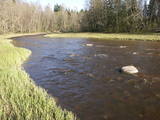 |
The nature park in the Ogre River valley is found along the middle section of the river. It has been established so as to protect the unregulated river valley and its surrounding territory, as well as biological diversity and habitats. For instance, this is an area in which rare park-type meadows can be found in Latvia. The Ogre is one of Latvia’s most popular rivers for water tourism in the spring, particularly downriver from the town of Ērgļi, where the technically complicated Braži rapids are found. |
|
 |
The small bar is situated in the city of Madona and there are seating places for 35 people. |
|
|
|
The town's name in historical sources was first mentioned in 1224. In 1340 Archbishop of Riga built a stone castle at the Latgalian hill fort (now - the Lutheran Church). In 1802 (owned until 1920) Vecgulbene estate was bought by Baron G. Wolf. Manors in the surroundings of Gulbene and Vecgulbene castle substantially suffered during the Revolution in 1905 and in the further historical events. Today, there is a substantial change in the landscape, especially in the area of White Castle, where a large-scale restoration works occurred in recent years. Either way, - Gulbene is the place worth visit to get new impressions and knowledge. |
|
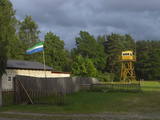 |
This coast guard facility was housed in a building that used to be a maritime school. In the post-Soviet era, accommodations were offered at the building. The coast guard tower is one of the best-preserved objects of its kind along the Latvian shoreline.
|
|
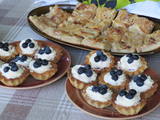 |
The Jumari farm is located in Dundaga parish, near Valpene. The 7th generation of the owners’ family run the farm. The farm produces fruit, berries and vegetables. Beautiful flowers and shrubs surround the house. Visitors can tour the farm, learn about growing blackberries and biological farming methods, and enjoy herbal teas. The lady of the house offers small pillows stuffed with grasses, as well as woven bookmarks. She also bakes sklandrauši, the traditional carrot buns. Jumari is one of the destinations along Dundaga Administrative District bicycling routes. |
|
 |
SIA "Lubeco" audzē zemenes un cidonijas 7 ha platībā Talsu novadā, pie ciematiņa Lubezere, kas atrodas netālu no Valdemārpils. Uzņēmums jau gadu ir mājražotājs. Sezonas laikā zemenes pārdod svaigas, bet rudenī un ziemā pārstrādātas dažādos produktos. Cidonijas tiek pārstrādātas sukādēs, sīrupos un sulā. |
|
 7 days
|
This tour leads to the popular seaside resort towns in Lithuania and Latvia, from Nida on the Curonian Spit to Jūrmala on the Gulf of Riga. The first stage of the route runs through the Curonian Spit to the city of Klaipėda with its symbol – the wooden sailing ship – and its old town resembling German towns in terms of architecture. You will then visit the Lithuanian summer beach capital Palanga with some of its top sights being the Botanical Park, the Amber Museum, the pedestrian street of J. Basanavičius and the Sea Pier. Next, the route will take you to the former fishermen village of Šventoji, now a resort town, near which the Žemaičių alkas (Samogitian Sanctuary) is located – an ancient pagan sanctuary. After crossing the border of Lithuania/Latvia you will reach Liepāja – known as the windiest city in Latvia. Should you be interested in military heritage, you will find that in the former military port of Karosta. The tour continues to reach Ventspils, another seaside city. Here, you can go on a voyage on a small vessel on the river Venta river and out to the sea, walk along the riverside, go for a ride on the narrow-gauge train called “Mazbānītis”, marvel at greenery in the form of clocks made of flowers, spot the iconic cows of Ventspils – multiple sculptures scattered around the city streets. At the end of the tour, you will drive to Jūrmala and walk on the Baltic Coastal Hiking Route through the longest Latvian resort cities boasting with its widest sandy beaches. |
|


