
| No | Name | Description |
|---|---|---|
 |
The "Stender's" bar is situated in the centre of the city of Kuldiga at the start of Liepājas Street, which is the main pedestrian and biking thoroughfare in Kuldīga. The two-story wood building was once a granary and is of architectural importance. The bar is situated on the second floor of the building, with the lowest door jambs in Kuldiga and wooden shears in the bar. Latvian cuisine: Farmer’s breakfast, oatmeal, cold kefir soup, sorrel, cucumber and bean soup, beef in onion sauce, hunter’s sausages, potato pancakes, sweet pancakes with lingonberry sauce. |
|
 |
Находятся в 100 м к юго-востоку от Приекульского замка. Символ Приекуле, изображенный на гербе города. Ворота (1688 г., отреставрированы в 1954 г.) служили в качестве сторожевой башни сквозных ворот Приекульской господской усадьбы, где проводился досмотр торговцев (таможня), отправляющихся или приезжающих из Литвы. Интерес представляет родовой герб баронов Корфов выполненный в XVIII веке из голландского песчаника, с серебряным ядром и своеобразный маскарон в центральной части фасада. Во времена баронов в нишах по обеим сторонам стояли двухметровые, выполненные в камне, грозного вида фигуры стражников - солдат. Сегодня на их месте стоят деревянные фигуры стражников. |
|
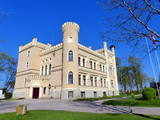 |
The mansion of the Gārsene Estate is built in the Neo-Gothic style, and its design was based on a villa in Germany. The building was erected between 1856 and 1860, and from then until 1920, the baronial dynasty of the Budbergs and Beningshausens owned it. The castle was expanded with another wing in 1885. Between 1939 and 1940, the building was rebuilt to become a school, and President Kārlis Ulmanis attended its opening on June 2, 1940, when he was taking his last official trip as the country’s president. There are other buildings and a park on the estate. The mansion today is home to the Gārsene Elementary School, but there is also an exhibition featuring the baronial dynasty, the history of the school, and the town itself. Just wait until you see the pot-bellied stoves! Outside the mansion are the Gārsene nature trails – the cultural and historical trail, the baronial strolling trail, etc. Before setting off, buy a ticket at the mansion. In front of the mansion is a memorial stone to Professor Pēteris Kulitāns (1878-1951), who was an agro-chemist. |
|
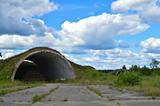 |
During Soviet times, Vaiņode was the site of one of the Soviet Union’s largest military airfields in the Baltic States. During the period of Latvia’s independence, the country’s first dirigibles were based here. Eventually their hangars were dismantled and brought to Rīga, where they were used for the Rīga Central Market. They are still there today. Some of Latvia’s first gliders took off from Vaiņode. During the Soviet occupation, the airfield was home to an air defence and destroyer squadron, with 38 SU-27 “Flanker” destroyers on site. After the restoration of Latvia’s independence, the Vaiņode airfield was dismantled in part, and the big plates of concrete that covered the runways and the rest of the airfield were used to improve the Liepāja port. There are still 16 hangars at the airport, and 1,800 of the formerly 2,500 metres long runway are also still there. More information about the airfield can be found at the Vaiņode Regional Research Museum.
|
|
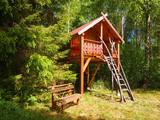 |
The owner is a sauna master, healer, masseur and Reiki master who is interested in ethnic culture and offers guests real leisure and health improvements that have been tested by his ancestors -- sauna programmes, the secrets of medicinal plants, restoration of links to nature, as well as entertainments on the water. |
|
 |
In the workshop it is possible to learn about the process of creating and the usage of pottery of different historic periods, as well as other household goods. Archaeological pottery is presented. The Middle Ages man-carried clay bread oven, frying-pan, drinking cups, the pilgrims’ water bowls. All the works are handmade in the moulded ceramics style and burned in the clay kiln. |
|
 |
Wine production at Allikukivi takes place in the old servants’ house of the broadcloth factory director. Guests are welcome to taste a wide variety of drinks on the estate's balcony and explore the secrets of wine making, history of the manor and berry plantations. Manufacture of fruit and berry wines using Estonian recipes. |
|
 |
Pirtnieka pakalpojumi, dažādi pirts rituāli. Viesiem ir iespēja iegādāties produktus no ārstniecības augiem - tējas, sīrupus, ziedes, salātus; tāpat arī piedalīties radošajās meistarklasēs tinktūru, masāžas eļļu gatavošanā. Informatīvā lekcija par augiem un pirti, pirts rituāliem. Klusā meža ielokā pieejamas telts vietas, piedāvājumā arī kubla noma un pārvietojamās pirts mucas noma. |
|
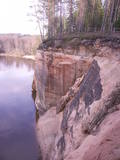 |
These sandstone cliffs were once known as the Pieškalni or Pieškaļi cliffs. They are around 7 km to the North from the centre of Cēsis. These are the most monolithic sandstone cliffs in the Baltic States – around 700 m long (with some 330 m along the Gauja River) and a maximum height of 22 m. There is a viewing area which offers a grand view of the Gauja River valley. Water tourists will boat up to the majestic wall of the cliff and will be surprised at what they see! The name of the cliffs, Ērģeles, is the word for "pipe organ" in Latvian, and the name was supposedly given to the cliffs because of the echoes which can be heard there – they reputedly sound like an organ. Hikers and boaters must be very careful when in this area – please make sure that you are safe! Please note, too, that the infrastructure of the cliff is scheduled to be renovated in 2012. |
|
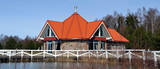 |
Pirts noma, izmitināšana, ēdināšana, banketu zāles noma, internets, makšķerēšana, volejbola laukums. |
|
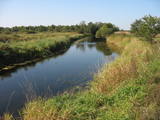 |
Palieņu un mitrās pļavas abos Dubnas upes krastos, kuras nelielā posmā var vērot no Rožupes - Vārkavas ceļa. Piemērotā laikā šeit dzirdēsiet griezes balsi, kas ir Eiropā izzūdoša putnu suga.
|
|
 |
Viitna Tavern is one of the few 19th C tavern and post station buildings preserved in Estonia to date. Originally landlords and other rich folk had their rooms and a horse stable in the building’s left wing; today it is a canteen and Estonian handicraft shop. The right wing was for peasant folk chambers and a stable; today it houses a restaurant featuring national dishes on its menu. |
|
 |
The owner of the farm was the first to grow bush blackberries in Latvia in 1996, and today he has whole fields of the berries. He sells berries and plants, offers tours with tastings and consultations, designs gardens, and prepares plans for greenery. |
|
 |
A place to enjoy the architecture of Cēsis and a northern-inspired meal. The chef's creative work includes popular Nordic products such as trout, elk and venison meat, chanterelles, wild berries, and smoked flavours, as well as dishes from international cuisine. |
|
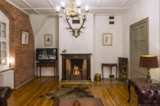 |
The Vijciems Hunting Castle building houses an elegant design guest house Bergervilla. Each room has an individually designed design, historic furniture and a special atmosphere. There are 4 rooms available - a standard room, a two-room suite and two deluxe rooms with a private balcony and a bathtub. Each room is given the name of a forest beast or bird - Owl, Mednis, Deer and Elk. There is also a living room and library for guests to relax in, as well as a fully equipped kitchen for cooking. Free Wi-Fi and parking are available. |
|
 |
Atrodas ceļa, kas ved uz Miķeļtorņa bāku – līkuma malā. Unikālā ēka (vienīgais lībiešu ciemu krogs ar raksturīgo plānojumu, kas saglabājies līdz mūsdienām) šobrīd atrodas avārijas stāvoklī un apskatāma tikai no ārpuses. Pizes krogs celts 1853. gadā. |
|
 |
Located in the centre of Madona, the café offers foods based on fruit and vegetables from its own garden. |
|
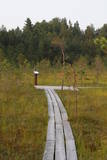 |
The small Andrupene swamp is found to the North of the Andrupene Farm Museum in a deep area between hillocks. It is a high-type swamp with an open central part, and it is 130 m long and 120 m wide. There are stands of white alder alongside the swamp. In 2009, the administrators of the Rāzna National Park restored a wooden educational pathway that had been established originally by the Andrupene Elementary School. Today there are stairs, a viewing platform, wooden pathways, and information stands. |
|
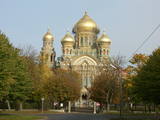 |
The city of wind, amber and musicians. In the literature sources Liepaja was mentioned for the first time in 1253. The city strived as a trade harbour already at the end of the 16th century. Especially important was the ruling period of Kurzeme Dukes Jacob and Friedrich, when the export and import of Lithuania and Kurzeme goods was provided through Liepaja harbour. Instead of the Līva River that was filled with dune sand a channel was excavated and wharf was formed. The growth of the city continued in the 18th century also after the Northern War and the plague epidemic. When in 1795 Kurzeme was added to the Russian Empire, as one of the most important western harbours of the Empire the harbour of Liepaja developed even more rapidly. From the end of the 18th century until the 19th century Liepaja also became a popular recreation place for the aristocrats of Petersburg. At the end of the 19th century the construction works of War Port and fortress begun. The city became a military strategic place. It suffered hard during World War II. In 1967 the sea trade harbour terminated its operation in Liepaja and Liepaja became a closed city where the War Port was "a city within a city". Today the War Port and its offer is one of the top tourism spots in Latvia. |
|
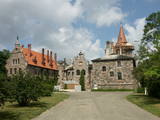 |
Cesvaine was first mentioned in written sources in 1209. For each traveller in Latvia, the town is associated with the family of Baron Woolf, who bought the Cesvaine estate in 1815. Cesvaine experienced the economic boom after establishment of Plavinas Gulbene railway. Town suffered significantly during the World War II. At the end of 2002, the Cesvaine Castle was struck by the tragedy - a fire, which damaged most of the castle. Cesvaine Castle is "recovering" by means of large public, state and local government support and still keeps the status as a significant tourism attraction in a scale of Vidzeme and Latvia. |
|


