
| No | Name | Description |
|---|---|---|
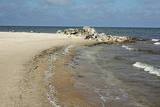 |
The old Kolkasrags lighthouse is just a set of ruins right now. The
lighthouse at the tip of the horn was built in the 16th century and
renovated several times. The ruins are slowly decaying because of storms
and ice during the winter. They had been standing well away from the
shoreline once, but now are slowly disappearing under water.
|
|
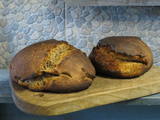 |
Sweet and sour rye bread is baked here on the hearth of a wood-fired oven, following an old family recipe and using home-grown, historical varieties of rye flour. The dough consists of rye or barley flour, salt, sugar, caraway seas and natural yeast. You can help to bake the bread, taste and buy it, and tour the farm’s museum. The farm grows its own grain in an environmentally friendly way. Available for purchase: sweet and sour rye bread, sweet and sour rye bread with peas, garlic, seeds, hemp, or without sugar. |
|
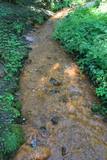 |
The Saltupju sacred stream is 1.3 km to the Northwest of the centre of Aknīste, near the small valley of the Dienvidsusēja River. The stream has been known as a source for medical treatments since antiquity. It is said that streams which flow to the East always have medicinal water, particularly on Easter morning for those who rinse their eyes in it. The water contains iron compounds, which is seen in the brown sediment (the result of iron bacteria). Alongside the stream is a stone with a small indentation, and it is thought to have been a cult stone long ago. A sacred linden tree grows at the edge of the valley. The stream can be seen with good reason as one of the most outstanding streams in all of Latvia. |
|
 |
The Healing Gardens is a part of the Upmaļi biological farm that occupies 125 ha of land. The 4th generation of Bergmanis family runs the farm. Māra and Dainis, the present farm owners, involve their family members to work for preservation of the old and rare fruit and berry cultivars that have been planted in the 30-ties of the previous century. The gardens also contain tree varieties that have medicinal powers and some rare varieties like elder, walnut tree, edible chestnut, mulberry tree and others. Together with the herb plantations, the Healing Gardens cover over 12 ha of land. The hosts have over 30 years experience in natural healing and Ayurvedic tradition. Based on this experience, they produce teas, balsams, creams, oils and other products under the brand name AnnaABergmans. |
|
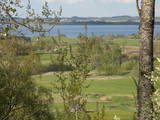 |
Viens no populārākajiem Latgales tūrisma objektiem. No lielpaugura plakanās virsotnes (247 m vjl, ap 60 m virs tuvākā apkārtnes) paveras viena no skaistākajām Latgales ainavām un redzams 2 km attālais Rāznas ezers. Mākoņkalnā atradās 13. gs. celtā un praktiski neieņemamā Livonijas ordeņa Volkenbergas pils, - viens no pirmajiem Latgales nocietinājumiem, no kuras līdz mūsdienām saglabājušies tikai pils mūra fragmenti. Mākoņkalna pakājē atklāta piemiņas plāksne, kas vēsta par Latvijas pirmās brīvvalsts prezidenta Kārļa Ulmaņa Latgales apmeklējumu 1938. gadā. |
|
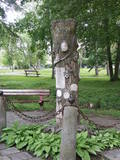 |
Kādreizējā Ķemeru
simbola augšanas vieta.
|
|
 |
Krodziņš "Dzirnakmeņi" atrodas Ieriķu centrā pie Ieriķupītes, kur izveidota dabas taka ūdenskritumu un dzirnavu apskatei. Pašcepti konditorijas izstrādājumi. Latviešu virtuve: Valmieras salāti, aukstā zupa, pupiņu zupa, cūkgaļas šķēle, cepta menca, kupāti, rupjmaizes kārtojums. Īpašais ēdiens: „Ieriķu salāti” – tomāti, žāvēta gaļa, šampinjoni. |
|
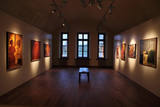 |
Daudzfunkcionāls laikmetīgās mākslas komplekss, kultūras un izglītības centrs Daugavpils/Dinaburgas cietoksnī, artilērijas Arsenāla ēkā. Vienīgā vieta Austrumeiropā, kur tiek piedāvāta iespēja iepazīties ar pasaules slavenā mākslinieka abstraktā ekspresionisma pamatlicēja Marka Rotko oriģināldarbiem. Rotko muzejs piedāvā aplūkot patstāvīgās un mainīgās ekspozīcijas. Patstāvīgās ekspozīcijas veido Marka Rotko darbu oriģināli un reprodukcijas, digitālā ekspozīcija par mākslinieka dzīvi un daiļradi, kā arī kultūrvēsturiskās ekspozīcijas. Mainīgās ekspozīcijas - Latvijas, Eiropas un pasaules mākslinieku darbu izstādes. |
|
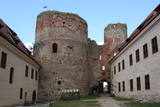 |
Bauskas vārds vēstures avotos pirmo reizi minēts 1443. g. Tas ir laiks, kad pussalā starp Mūsas un Mēmeles sateku uzsāka pēdējās Livonijas ordeņa pils celtniecību tagadējās Latvijas teritorijā. Pie pils – Ķirbaksalā - izveidojās apdzīvota vieta t.s. Vairogmiests. 17. gs. bija vērojams straujš pilsētas uzplaukums. Te darbojās zeltkaļi, sudrabkaļi, galdnieki, podnieki, kurpnieki un citi amatnieki. Vēlākajos gadsimtos pilsētnieki cieta no kariem, mēra un Napaleona armijas. Mūsdienās Bauskas vecpilsēta ar tikko kā no jauna uzcelto Rātsnamu un atjaunoto Bauskas pili ir viens no interesantākajiem Latvijas pilsētu vēsturiskajiem centriem. Bauska ir pazīstama ar saviem ikgadējiem pasākumiem - Senās mūzikas festivālu, Bauskas pilsētas svētkiem, Kantri mūzikas festivālu u.c. pasākumiem. |
|
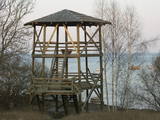 |
Celts Kaltenes dienviddaļā, Litorīnas jūras senkrasta nogāzē ar lielisku skatu uz savdabīgo – maziem līčiem un zemesragiem izroboto un akmeņaino Kaltenes jūras krastu. Kaltenes dabas takas (ap kilometru gara) sastāvdaļa. Šeit vērts atbraukt putnu pavasara vai rudens migrāciju laikā. Netālu – divas putnu vērošanas platformas. |
|
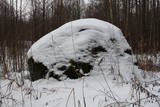 |
Vēsturiskais akmens, kurā redzama pirms vairāk nekā 200 gadiem iegrebtā robežzīme, norāda uz bijušo robežas vietu starp Kurzemes hercogisti un Krievijas guberņu. Mūsdienās tas iezīmē Babītes un Jelgavas novada robežu. Akmens meklējams austrumos no Kalnciema – Kūdras ceļa (dienvidos no Labā purva) meža stigas malā un nezinātājam var būt grūti atrodams. Šajā nolūkā noderēs ceļa apraksts: Ap 400 m dienvidos no auto stāvlaukuma pie Liliju ezera no Kalnciema – Kūdras ceļa pa labi (austrumos) nogriežas meža ceļš, kas noved lejā no Krāču kalniem. Pa to jādodas ap 170 m tālāk, līdz tas strauji pagriežas pa labi (uz dienvidaustrumiem). Tad jādodas minētajā virzienā, līdz pēc ~ 0,5 km jāpagriežas uz ziemeļaustrumiem, kur vēl pēc ~ 0,4 km kārtējā meža ceļu krustojumā jāpagriežas uz ziemeļiem. Pēc ~ 0,4 km jānogriežas pa labi (uz austrumiem) uz lielas stigas, kuras kreisajā (ziemeļu) pusē aiz meliorācijas grāvja bezlapu periodā jau redzams apaļīgais akmens stāvs. Līdz akmenim ceļu sliktā stāvokļa dēļ var nokļūt tikai ar kājām. |
|
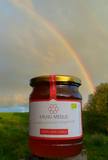 |
Possibly the highest bee apiary in the Baltics, about 300 m above sea level. Organic beekeeping products are harvested in Gaiziņkalns and its surrounding area. We offer excursions in the farm, bee apiary workshops, tasting of beekeeping products. |
|
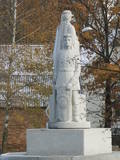 |
Dobele name in historical sources for the first time is mentioned in1254. Dobele was one of the most fortified Semigallian places; therefore from 1279 until 1289 it survived six attacks by German crusaders. In 1289 Semigallians was forced to retreat. In 1335 conquerors instead of Semigallian castle began construction of new - stone castle. On the opposite shore of Berze - on the left bank merchants and craftsmen village began to form. Town suffered greatly during the Northern War and during the subsequent plague. A significant event in the economic life was the 1927, when Liepaja-Gludas railway line was built. After World War II in Dobele and its vicinity came to the Soviet militaries, who built one of the largest Soviet tanks range "Dobele-2". Now Dobele travellers are offered a range of interesting sites to be visited. |
|
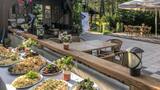 |
The “Banquet With Fishermen” event in Roja allows guests to examine the work of fishermen and to enjoy the seafood which they produce. Guests will ride out into the sea in fishing boats and then dine together with the fishermen (fish soup cooked on a campfire, rye bread, butter, smoked fish, beer or kvass, and pastries). The fishermen will teach guests local songs and dances, as well as games related to strength and cleverness. The “Otra Puse” restaurant offers meals. Latvian cuisine: Fresh fish (“The Morning Catch”), Latvian onion soup, porridge, grit sausage, smoked fish, potato pancakes, rye bread dessert, beer, the “Dzimtenīte” beverage, herbal tea, birch juice, apple cider. Special foods: “Made in Roja” – fish from the region, “mackerel in in grass,” “cottage cheese tower with fresh strawberry sauce”. |
|
 |
Liepene, in the Ventspils District, was once home to a coast guard division. The facilities are now privately owned and offer accommodations to tourists.
|
|
 |
Just 20 minutes’ drive from Pärnu, in the old Tõstamaa forestry building, Amps & Lonks café offers travellers a little rest and pizza made from fresh local produce. Especially popular, is the pizza with home-reared beef and fresh salad. You can also order in advance. |
|
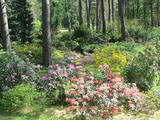 |
This arboretum was established in 1996, when dendrologists Raimonds Cinovskis and Ināra Bondare joined with the local government in Rucava in experimenting with plants on the Rucava castle hill. The first plants were planted in 1998, and ever since then the collection has been expanded in the town centre and outside the Rucava Elementary School. Each year new and exotic plants are brought in from all around the world. A traditional garden festival is held each year in May, when rhododendrons and magnolias are in full bloom. |
|
 |
The café is in the basement of the Līgatne Cultural Centre. There is a summer terrace alongside the Līgatne River. Latvian cuisine: Herring, cold soup, sausages, pork haché, hunter’s sausages, pork ribs, pancakes with cottage cheese, potato pancakes. Special foods: The “Pie Jančuka” pork chop. |
|
 1 day
|
Dodieties ekskursijā, lai gūtu ieskatu lauku profesijā un dzīvesveidā, kā arī iegūtu jaunus iespaidus un labu atpūtu visai klasei. Ekskursijas laikā apmeklējiet podnieku, kurš skolēniem māca, kā praktiski darboties ar rokām, kā no māla izveidot skaistu darbus ar saviem parakstiem un zīmējumiem. Pēc tam apmeklējiet maiznīcu, kur saimniece piedāvā maizes degustāciju un picu cepšanu. Ekskursijas noslēgumā dodieties uz agro saimniecību, lai redzētu, kā siltumnīcās tiek audzēti tomāti, izmantojot mūsdienīgas fotosintēzes tehnoloģijas. |
|
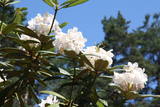 |
72 types of wild rhododendrons with 193 different species
This is the only specialised rhododendron nursery in the Baltic States. Specialists there work on different kinds of rhododendrons, seeking to produce decorative and winter-resistant types of the flower. The nursery also sells plants. In the facility’s pine forest, which covers 11.8 hectares, you can see a large collection of rhododendrons from all over the world.
There are 64 winter-resistant types of rhododendrons at “Babīte,” including “Alma Mater,” “Academia Scientiarum,” “Emeritus,” “Eduards Smiļģis,” “Dita Krenberga,” and others (these were developed by Rihards Kondratovičs). All of these are appropriate for Northern Europe.
|
|


