
| No | Name | Description |
|---|---|---|
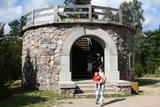 |
The tower is on one side of the range of hills known as Grantskalni (a continuation of the Blue hills of Ogre), and it offers a broad view of the Daugava River valley and the Pārogre residential district. The dendrology park that is nearby is worth a visit, because it is rich with different kinds of plants.
|
|
 |
Pankūku kafejnīca. Dažādi oriģināli pildījumi. Kafejnīca piedāvā svaigi grauzdētu kafiju, kafijas un alkoholiskos dzērienus, kā arī uzkodas. Atvērta tipa virtuve. |
|
 |
Farm Maizes māja near Cēsis, where you can gain joy, strength and vitality! This tourism farm offers cognitive and educational programmes for adults and children, introducing them to the traditional Latvian lifestyle and intangible cultural heritage. At Maizes Māja, groups of students, families, friends, and tourists become members of the family and have a lot of work to do, for example, bringing firewood and firing the oven, before baking rye bread or sweet and sour bread from Kaupo rye flour in a proper bread oven. When the work is done, a nice meal is enjoyed together. |
|
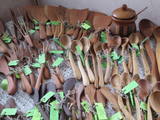 |
The spoon workshop offers useful objects such as wooden spoons, cutting boards, butter knives, pans, spatulas, etc. You can produce your own wooden spoon and look at finished spoons made of more than 17 different types of wood from Latvia. During the summer the owners offer “pancake tours” with tasty jams. You can purchase spoons and homemade wine. |
|
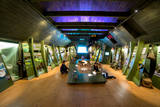 |
The Baltic Sea gave this territory one of the old names of Jūrkalne – Felixberg, and people still talk about the interesting legend that is the origin of the name. Several wrecked ships have been found in the Baltic Sea off the coast of Jūrkalne. An exhibition in the museum visualises the underwater world as the deck of a ship that has sunk into the depths of the sea. The exhibition focuses on the cultural and historical heritage of underwater Latvia, allowing visitors to learn all about the history of sailing ships, steamships and other objects that have been raised from the depths. Small children will start to learn about the underwater world, and researchers with broader knowledge will find something new here. |
|
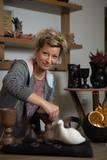 |
This is one of the few craftswomen in Latvia who does not use a potter’s wheel in her work. Instead she works in the “snail” or “sausage” technique that was typical of the Bronze Age. Her artworks are distinguished by a diversity of form and functionality. Children can attend master’s classes. You can take tours, take part in the opening of the kiln, and purchase fumigated ceramics products. |
|
 |
The Pīlādži farm is in the Durbe Parish of the Durbe Administrative District. It is primarily a grain farm, but also breeds livestock and grows flowers and vegetables. |
|
 |
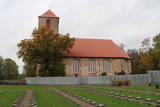
Находятся в 100 м к юго-востоку от Приекульского замка. Символ Приекуле, изображенный на гербе города. Ворота (1688 г., отреставрированы в 1954 г.) служили в качестве сторожевой башни сквозных ворот Приекульской господской усадьбы, где проводился досмотр торговцев (таможня), отправляющихся или приезжающих из Литвы. Интерес представляет родовой герб баронов Корфов выполненный в XVIII веке из голландского песчаника, с серебряным ядром и своеобразный маскарон в центральной части фасада. Во времена баронов в нишах по обеим сторонам стояли двухметровые, выполненные в камне, грозного вида фигуры стражников - солдат. Сегодня на их месте стоят деревянные фигуры стражников. |
|
 |
The graveyard that is alongside the Lestene Lutheran Church is the final resting place for more than 900 soldiers who fell during World War II, particularly during battles at the so-called Fortress of Kurzeme, as well as in Zemgale and Vidzeme. The sculptress Arta Dumpe designed the commemorative monument “Mother Motherland – Latvia.” The cemetery of the brethren is the second largest resting place for soldiers from World War II after the Cemetery of the Brethren in Rīga. The names of some 11,000 soldiers are engraved on the gravestones. |
|
 |
The restaurant is alongside the Salacgrīva Tourism Information Centre, in an historical ice cellar for fish. The interior design is based on seamanship. Latvian cuisine: Cold beet soup, sea fish soup, fish and vegetable casserole, chocolate sausage, pancakes with strawberry jam, kvass. Special foods: Baked and grilled fish – perch, plaice, pike-perch. |
|
 |
The first written records of the manor date from 1422, its fate in the 20th C was very chequered with changing hands and functions many times. Today there is a ceramic workshop where you can buy a range of products, model your own pieces, or decorate or glaze blank items to your taste. A woodwork shop shows various woodworking techniques. |
|
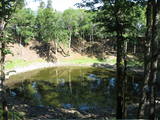 |
Viens no Eiropas iespaidīgākajiem krāteru laukiem. Galvenā krātera dziļums ir 22 m, diametrs – 110 m. Meteorīts nokritis pirms ~ 7,5 tūkstošiem gadu. |
|
 |
Dievukalnā atrastās liecības vēsta, ka šajā vietā pirms 3000 gadiem bija apmetušās baltu ciltis, bet 7.-9. gs. pie Daugavas jau apmetušās lībiešu ciltis. Daugavas klinšainajā krastā (pirmo reizi pieminēta 1229. g.) Rīgas bīskaps no laukakmeņiem uzbūvē pili, kuras drupas apskatāmas arī šodien. Lielvārde dod iedvesmu tādiem atmodas laika kultūras darbiniekiem kā Andrejam Pumpuram (1841-1902) un Auseklim (1850-1879). 1. pasaules kara laikā (Daugava gandrīz trīs gadus ir frontes līnija) Lielvārdi pilnībā noposta. Pēc 2. Pasaules kara kā jau arī citur Latvijas teritorijā, te sākas kolhozu izveide. Šajā laikā Lielvārde kļūst pazīstama ar vēl vienu simbolu – „Lāčplēša" alu. Šodien Lielvārde ir to ceļotāju iecienīta, kas savu maršrutu izvēlējušies veikt gar Daugavas labo krastu. |
|
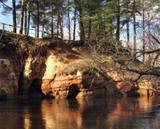 |
Taka ved gar Vaidavas krastu, kur iespējams veldzēties dabas skaistumā, kāds vērojams tikai šeit. Starp Apes vidusskolu un kapsētu Vaidavas upes kreisajā krastā ir izveidojušies 8 - 10 m augsti, līdz pat 100 m gari smilšakmens atsegumi - Raganu klintis. To lejasdaļā upes straume izskalojusi nelielas nišas. Pie klintīm pāri upei izveidots gajēju tiltiņš uz otru krastu, no kura klintis paveras visā savā krāšņumā. Te ir teikām un nostāstiem apvīti avoti un alas. Avots ar skaidru ūdeni iztek no vietas, kur Vaidavas upes smilšu klints krasts ir augsts un stāvs. Senāk vietējie ticējuši, ka tas ir veselības avots, jo daudzi to lietojuši dažādām acu slimībām.Dīvainos dabas objektus – Vilkaču priedi un Dvīņu priedes, Raganu slotu, “raganu apļus”, “raganu kaulus” u.c. te var apskatīt un vides gida vadībā mēģināt izprast to veidošanos
|
|
 |
Divstāvīgā ēka ir redzama no Dundagas – Ģipkas ceļa (ap 3,7 km no Ģipkas ciema). Šis nav tūrisma objekts, bet gan vēsturiska vieta, kurai vērts pievērst uzmanību kaut vai no attāluma. Ēkas pirmajā stāvā no 1860. g. darbojās skola, kurā par skolotāju strādāja rakstnieks Antons Austriņš. 1867. g. tai uzbūvēja otro stāvu, kurā uzsāka jūrskolas izveidi. Jūrskola darbojās līdz 1894. g., kad to pārcēla uz Mazirbi. |
|
|
|
Vidzemes skaistākās upes ieteka. Piekrastes posmā starp Gaujas un Daugavas ietekām atrodas viens no lielākajiem Latvijas kāpu kompleksiem ar izteiktām paraboliskām kāpām, kas apaugušas ar mežu (mežainas jūrmalas kāpas). Šī iemesla dēļ šī ir populāra Rīgas un Saulkrastu apkaimes atpūtas (rekreatīvā nozīme) teritorija. Atrodas Piejūras dabas parkā. |
|
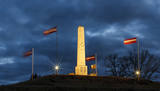 |
Atrodas paaugstinājumā - skaistā vietā – Alūksnes ezera krastā pie Pleskavas ielas (P 40). Pieminekli 1923. gada 20. jūnijā atklāja Valsts prezidents Jānis Čakste. Tas celts pēc tēlnieka J. Miesnieka meta. Pieminekļa centrā ir attēlots vairogs ar krustotu zobenu, bet pamatnes daļā – uzraksts „Par Latviju kritušiem 7. Siguldas p. Karavīriem. 1919. – 1920”. Tā otrā pusē ir uzraksts: „Labāk manu galvu ņēma, nekā mūsu tēvu zemi”. Padomju laikā (1953. g.) pieminekli nojauc. To atjauno 2009. gadā. |
|
 4 days
|
This is for birders who can’t afford to take longer breaks to enjoy birdwatching. Short but rewarding trip during spring migration. Cape Kolka is a place where pass the largest numbers of migrating birds in the spring time. More than several tenth of thousand birds cross the Cape each hour. During active period of migration it is possible to see more than 100 different species daily just at this one place. There are several birdwaching places located at different biotops – seaside meadows, sea cost and lakes and wetlands. Kemeri National Park is one of the best places for woodepecker watching. In a short period of time it is possible to see about seven species. |
|
 |
A family shop in Ikšķile that offers the produce of small Latvian producers and craftsmen. The store is a favourite, not only of the residents of Ikšķile and the surrounding area, but also for shoppers from Riga, Ķekava, Ogre and other cities. An online store is also available. |
|
 |
One of the most interesting objects in Bigauņciems, the road begins at the seashore, crosses the Vecslocene River (there is no bridge, but hikers and bikers can get across it), and then continues as a forest road to Lake Melnezers. |
|


