
| No | Name | Description |
|---|---|---|
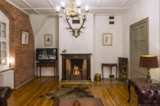 |
The Vijciems Hunting Castle building houses an elegant design guest house Bergervilla. Each room has an individually designed design, historic furniture and a special atmosphere. There are 4 rooms available - a standard room, a two-room suite and two deluxe rooms with a private balcony and a bathtub. Each room is given the name of a forest beast or bird - Owl, Mednis, Deer and Elk. There is also a living room and library for guests to relax in, as well as a fully equipped kitchen for cooking. Free Wi-Fi and parking are available. |
|
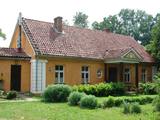 |
Approximately 6 km to the south-west of Iecava is the home of the father of author Edvarts Virza (born Jēkabs Eduards Liekna, 1883-1940), Billītes. The author and his wife, Elza Stērste, moved to the house in 1901. Virza was one of Latvia's most outstanding 20th century authors, poets and prose writers, as well as publicist and translator. He wrote many poems at Billītes, and in 1933 he produced his masterpiece, "Straumēni," which depicts the life of a Latvian farmer. A museum dedicated to Virza is at the house today. It was opened by his children and grandchildren. Contact the museum in advance for a tour. |
|
 |
Kuldiga is deservedly considered the most beautiful small town of medieval times in Latvia. Instead of it already in the 13th century the Bandava centre of the ancient Cours land was located. In 1242 construction of stone castle was begun at Venta Falls by the Livonian Order. Populated area formed beside the castle, which was the first to acquire the rights of a city in Kurzeme (in 1378). Significant was also its participation in the Hanza Union. From 1561 until 1795 Kuldīga was the capital city of Kurzeme Dukedom. Naturally, in the first half of the 17th century it experienced rapid economic growth, which was terminated by the beginning of the Northern War and plague epidemic. The pride of Kurzeme residents and the lack of larger industrial objects was the reason, why during the Soviet times larger masses of immigrants did not flood the city, therefore today Kuldiga is one of the most Latvian cities in Kurzeme. It is worth to visit Kuldiga and stay there for more than one day, because there is plenty to do here. Nature fans may observe the flying fish, but for researchers of cultural history a really vast field of work opens here. |
|
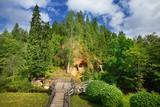 |
Klinšu smilšakmens ieži veidojušies, ūdens straumēm sanesot smilšainas, mālainas iežu daļiņas. Tās lēnām nogulsnējās un sablīvējās, topot par vareniem dabas veidojumiem! Līgatnes pagrabu alas savām rokām radījuši senie iedzīvotāji. Šī neparastā vieta ļāvusi daudzām paaudzēm izdzīvot, jo alās bija iespēja uzglabāt nepieciešamās pārtikas rezerves. Alām ir nemainīga temperatūra, kas padara tās par drošu pārtikas produktu un dzērienu glabātuvi. |
|
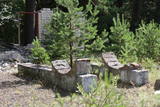 |
The No. 521 Border Guard post at Ovīši is owned by the Defence Ministry and is closed to civilians. Visitors can only look at the ruins of some buildings in the dunes.
|
|
 |
Iespēja atpūsties un relaksēties pirtiņā, baudot latviskos pirts rituālus. Sildīšanās un pēršanās ar pirtsslotām, augu skrubji un maskas, kāju vanniņas un zāļu tējas. Pēc pēriena – veldze dīķī. Pirts tā ir svētnīca miesai, garam un dvēselei. Piedāvājumā arī izglītojošā programma par augu spēku un to izmantošanu savai labsajūtai. Apmeklējums noteikti iepriekš jāpiesaka! Vietu skaits ierobežots! |
|
 |
The saloon is on the edge of the Murjāņi-Valka road (A3) in a two-story log building with a terrace. The interior design of Mazais Ansis fits the aura of a massive wooden structure and it is possible to look at old times’ instruments, household goods and harnesses. There is also a very valuable wooden wheel, which is one of the very few in Latvia. The saloon offers a sauna, a location for campfires and a children’s playground. It works with local farmers and manufacturers. Latvian cuisine: Valmiera salad, boiled tongue, grey peas, farmer’s breakfast, cold soup, filet of pike, roast lamb, grilled pork, stacked rye bread, strawberry crème with jam, rye bread, herbal teas. Special foods: Beef filet with potato pancakes. |
|
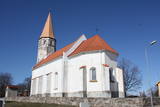 |
The Nereta Lutheran Church is in the centre of Nereta at Rīgas Street 2. The Baroque church features elements of the late Gothic period, and it is seen as one of the oldest churches in Zemgale. It was built between 1584 and 1893 at the initiative of Count Wilhelm von Effern and rebuilt in 1679. There are gravestone reliefs in the church dedicated to Wilhelm and Georg von Effern which date back to the late 16th century. The gravestone for Georg Effern is the most distinguished artwork in the style of early Nordic Mannerism in Latvia. The altar painting was painted in 1863 by P. Handler. The organ was built by R. Knauff in 1893, and the stained glass windows were produced by E. Baiermann in 1900. The chandeliers on the ceiling date back to the 17th and 19th centuries. Visitors can view Nereta and its surroundings from the unique eight-corner tower of the church, which is 38.6 m high. |
|
 8 days
|
This tour offers a look at modern farms that based their work on ancient jobs and skills. Everything that is grown and processed in Latvia's countryside is found at the Central Market in Rīga, where this tour begins. It is one of the largest and oldest markets in Europe. From there you will travel to several farms to taste candy made of natural juices, cheese, grain foods, yogurt and ice cream. You will visit a traditional farm with a technology museum. Each farm will offer a brief introductory tour. Along the way, you will visit the Rundāle Castle and its park and rose garden, which were designed by the 18th century architect Rastrelli and are a true jewel of Baroque and Rococo architecture. In Bauska you will visit City Hall to see a collection of old measuring items, the Bauska Castle and the Bauska brewery. In Lithuania you will visit farms that grow lavender, medicinal plants and hemp. They will be happy to sell their products to you. The town of Anykščiai offers a trail above the trees, and the Krenave archaeological complex is on the UNESCO heritage list. At the conclusion of the tour, you will visit the Trakai lake castle that was built in the 14th and 15th centuries, as well as Vilnius. |
|
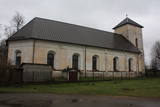 |
Atrodas Grobiņas centrā, Dzērves laukuma malā. Pirmā baznīca Grobiņa bija celta jau ap 1560. g., bet nākamā – 1596. g. celtā iznīcināta 1659. g. zviedru iebrukuma laikā. Pēc Kurzemes un Zemgales hercoga Jēkaba Ketlera iniciatīvas 1664. g. tiek uzcelts jauns dievnams, ko atjauno 1892. gadā. Tas dedzis 2. pasaules kara laikā, bet vēlāk atkal atjaunots. Šobrīd notiek altāra restaurācijas darbi. |
|
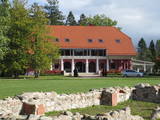 |
About an hour's drive from Riga, in the territory of the old Annas manor, is the internationally recognised design hotel "Annas Hotel". Inspired by the old traditions of Latvian cuisine, the chef creates a new menu every day, allowing you to enjoy a special and extraordinary meal. Latvian cuisine: Stock with chanterelles, rabbit dishes. Special foods: Blackberry-balsamic soup with cottage cheese ice cream. |
|
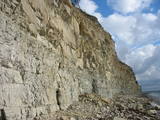 |
The highest and most beautiful wall of cliffs on Saaremaa Island (up to 21 m high), stretching along some 3 km. During strong winds from the W or NW, a part of the cliff is washed by the waves of the sea. The open face of the cliff has limestone, marls and dolomite, and there is a wealth of fossils at the base of the cliff – corals, stromatoporids, etc.
|
|
 |
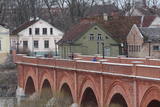
Die dritlängste (in seiner Zeit auch eine der modernsten Brücken) Backsteinbrücke Europas (164 m), gebaut 1873 – 1874. |
|
 |
Truly delicious apple juice. Organic farm of apple and sea buckthorn. Visitors can view farms, gardens, production facilities and equipment, as well as taste and buy juices. |
|
 |
Trušu audzēšanas saimniecība "Trušu muiža" savā allaž tapšanas procesā esošajā garaušu muižas kompleksā piedāvā aplūkot 15 – 20 dažādu šķirņu trušus no visas pasaules, kā arī iegūt bildi ar trusi. Lieliska iespēja ciemoties trušu "Harmonijas un miera sētā", tos samīļot, pabarot. "Trušu muiža" iegūst aizvien jaunus kaimiņus un pilnveidojas. Iespēja iegādāties "Trušu muižas" greznumlietas. Vaislas truši un mīļdzīvnieki. Vasaras sezonā (jūnijs - augusts) gaidīs ciemos no otrdienas līdz svētdienai (11:00 – 18:00). Lielākas grupas, iepriekš vienojoties, uzņem arī citā laikā. |
|
 |
Located on the shores of Lake Usma, it provides diverse water- and land-based recreational opportunities, a free picnic area and outdoor fireplace, as well as catering services. |
|
 7 days
|
This tour leads to the popular seaside resort towns in Lithuania and Latvia, from Nida on the Curonian Spit to Jūrmala on the Gulf of Riga. The first stage of the route runs through the Curonian Spit to the city of Klaipėda with its symbol – the wooden sailing ship – and its old town resembling German towns in terms of architecture. You will then visit the Lithuanian summer beach capital Palanga with some of its top sights being the Botanical Park, the Amber Museum, the pedestrian street of J. Basanavičius and the Sea Pier. Next, the route will take you to the former fishermen village of Šventoji, now a resort town, near which the Žemaičių alkas (Samogitian Sanctuary) is located – an ancient pagan sanctuary. After crossing the border of Lithuania/Latvia you will reach Liepāja – known as the windiest city in Latvia. Should you be interested in military heritage, you will find that in the former military port of Karosta. The tour continues to reach Ventspils, another seaside city. Here, you can go on a voyage on a small vessel on the river Venta river and out to the sea, walk along the riverside, go for a ride on the narrow-gauge train called “Mazbānītis”, marvel at greenery in the form of clocks made of flowers, spot the iconic cows of Ventspils – multiple sculptures scattered around the city streets. At the end of the tour, you will drive to Jūrmala and walk on the Baltic Coastal Hiking Route through the longest Latvian resort cities boasting with its widest sandy beaches. |
|
 7 days
|
The tour will guide you through the Latvia using its main tastes. Out of Riga you visit a farm which specialises in grain growing and bakes great cracknels and makes regional dishes using whole-meal grains. Afterwards there is a visit to Bauska Castle locates between two rivers and Bauska Brewery which takes pride in their produce free of preservatives. Then there is a visit to ethnographic museum at Ausekli Mill where you could try to make your own traditional piragi (bacon pasties). Further on the route cross the river Daugava and there is a stop at home -made ice-cream cafe to try savoury ice- cream salads. A ride on Viking ship around the legendary Koknese castle ruins and a visit to Cesvaine Castle is next. Then you have a visit to the goats farm and cheese tasting which is followed by cows cheese tasting at nearby production. Overnight is at Vecgulbene Manor with spa facilities. Next day you have a chance to make your own traditional black bread accompanied with humorous stories and instructions by the baker-lady. While the bread is baking there is another cheese tasting and visit to producer at Trikata. Then visit to Valmiermuiža Brewery which produces upmarket beer and promotes Latvian beer drinking tradition as a component in every celebration. Charming provincial town of Cesis with mighty medieval castle ruins, narrow ancient streets and home of famous Cesis brewery next. Historic brewery building there is nowadays only a tourism object but production is moved into big, modern building. It is the second largest beer producer in Latvia nowadays. Visit to the Cesis Brewery followed by excursion at Araisi windmill and having a traditional mill's porridge there. Then excursion at the Turaida Castle before returning to Riga. |
|
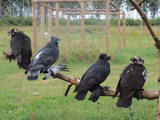 |
You can take an individual trip through the mini-zoo or have a guide to accompany you. You will see 16 types of doves, a Vietnamese pigmy pigs, river rats, rabbits, chinchillas, goats, parrots, turtle doves, ducks, geese, chickens, pheasants, and other birds. Children will love feeding the animals and establishing contacts with them. |
|
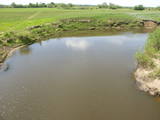 |
The Dviete Wetlands Nature Park contains a unique natural territory – the ancient Dviete River valley with the Lake Skuķi and the Lake Dviete and the surrounding wetland meadows. During flooding season, these wetlands store up waters from the Daugava River. They absorb a lot of floodwater at first and then slowly return it, thus reducing the level of floods in the Daugava River valley. This process is the reason for the unique ecosystem which exists in this area. It is an important location for plants and birds both during migration and nesting season. The river valley is important for birds during migration and nesting. In 2006, wild cows were released into the meadows. There is also work to improve the tourist infrastructure in the area. |
|


