
| No | Name | Description |
|---|---|---|
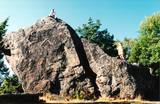 |
The Rock of Jana - Toma is claiming itself to be the highest (almost 8 m) rock in The Baltic. It is located in Kasispea village. |
|
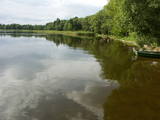 |
Ar mežiem, purviem un ezeriem (Riču, Sila u.c.) bagāta teritorija Latvijas - Baltkrievijas pierobežā. Galvenās aizsargājamās dabas vērtības - dažāda veida purvu, mežu un ezeru biotopi un tajos mītošās augu un dzīvnieku sugas. Ezeru krastos, kurus iecienījuši vietējie atpūtnieki, atrodas vairākas naktsmītnes. Ilgas muiža (celta 19. gs. kā medību pils) ir Daugavpils Universitātes studentu prakses vieta. Silenes dabas parkā ietilpst arī Glušonkas purva un Ilgas dabas liegumi.
|
|
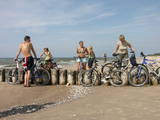 |
The most important aspects of this park are a shallow lagoon-type lake – Lake Pape, with its flood land meadows, the shore of the Baltic Sea, the Nida swamp, and the more than 270 different types of birds that have been spotted here. The oldest bird ringing station in Latvia (est. 1966) is found between Lake Pape and the Baltic Sea. Birds and bats are caught and ringed there. Lake Pape is the first place in Latvia where so-called “wild” horses (the “Konik” breed) were released with the aim of managing the flood land meadows.
|
|
 |
The Vilciņi farm is one of the largest and most modern agricultural manufacturing companies in Zemgale, always using environmentally friendly methods. The farm is in the Krimūni Parish in the heart of the historical region of Zemgale. It was established in 1991 by the parents of the current owner, Arnis Burmistrs. Today the farm specialises in grain farming on ~2,200 ha of land. The farm uses precise agricultural methods to save money and preserve the environment and human health. It is actively involved in EU-financed projects, has a modern set of agricultural equipment, and has installed a local meteorological facility. Tours are available. |
|
 |
Organically grown herbs, evenings round the campfire, food cooked according to special recipes. Energia farm grows medicinal plants, offers goods and services related to herbs and positive energy. |
|
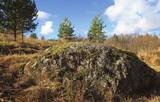 |
Horse's Footstone has a curvy that recalls a horse's footprint.
|
|
 |
The rest complex is situated on the shore of the man-made water reservoir, and there are two saunas on the territory – the Big sauna and the Small sauna. In the building of the Big sauna it is possible to organise different events for as many as 40 people, and in summertime – till 60 people. In the Small sauna – up to 20 people. Apart from the saunas, there are offered 20 different picnic places with tables, places for grills and tents, volleyball playgrounds, boats and water-bicycles for rent. |
|
 3 days
|
Saaremaa, kas no igauņu valodas tulkojumā nozīmē "salu zeme" ir kā neizskaidrojams magnēts, kas ik vasaru pievelk ne tikai daudzus Latvijas, bet arī ārvalstu ceļotājus. Neparastais ar salām izraibinātais un zilais jūras klajs, savdabīgās kadiķu pļavas - alvāri, seni, neredzētas formas Dievnami, Baltijas tautām nozīmīgi vēstures pieminekļi - pilskalni, pils, nepieredzēta sugu, īpaši - putnu bagātība, vējdzirnavas, Eiropas iespaidīgākais meteorīta krāteris, senie zvejnieku ciemi ar salenieku parašām un īpatnībām - tās ir tikai dažas salas iezīmes. Salas galvaspilsēta - Kuressaare ir viena no skaistākajām Igaunijas mazpilsētām ar senu rātsnamu un rātslaukumu un vienu no iespaidīgākajām viduslaiku pilīm Baltijā, kurai pēc izskata nav līdzīgu. Kuressaare vērts pasēdēt kādā no pilsētas krodziņiem. Saaremaa salā ceļotāji tiek gaidīti vienmēr, par ko liecina labi pārdomātā un kvalitatīvā tūrisma infrastruktūra. Sala ir īsta paradīze ne tikai mierīgas atpūtas meklētājiem, bet arī visa veida aktīvās atpūtas piekritējiem - kājāmgājējiem, velobraucējiem, jūras viļņu vagotājiem un dabas vērotājiem! |
|
 |
Ainavisks, ap 340 m garš un līdz 15 m augsts atsegums, kas atrodas nepilnu kilometru lejpus Raunas ietekas Gaujā, kreisajā pamatkrastā. To veido sarkandzeltenīgi Gaujas svītas smilšakmeņi. Gar Kazu ieža austrumu daļas pakāji izkaisīiti vairāki lieli laukakmeņi, kas ērti iekārtojušies uz smilšakmeņos izskalotas pamatnes. |
|
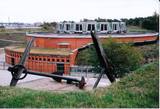 |
Schon seit der früheren Zeiten – ein Platz von der militärischen und strategischen Bedeutung. Für den Schutz des Hafens von Klaipeda wurde 1866 von preussischer Militär den Bau einer Festung angefangen. Im Laufe des 2.Weltkriegs wurde die Festung in die Luft gesprängt. Die Renovierung begann 1979. |
|
 |
Farm "Obelisk" is an industrial hemp farm located in Latgale region, Vilani county. This farm focuses on growing hemp as well as producing various hemp products like oil, seeds, salt, spices and more. There is possibility to learn about hemp and it’s many applications while taking a tour around the farm, joining a workshop or a course, having a group team building event or experience the first and only hemp escape room in Latvia. |
|
 3 days
|
This part of the Forest Trail gives an opportunity to see Setomaa or “the Land of Setos” which is inhabited by Setos – an ethnographic group with specific ancient traditions and a unique language dialect. Forest Trail hikers can visit the traditional Setos homestead and enjoy Setos cuisine. The forests of the region are especially charming in early autumn, when the ground is coloured lilac by the blooming heather. There is a good chance to pick wild mushrooms and berries. One of the most beautiful sections of this trail in Setomaa leads along the River Piusa, where the river is surrounded by sandstone outcrops. You will also visit the Piusa caves. The tour will end in Värska resort – with its sanatorium and SPA, which use the strengths of local nature: mineral water and lake mud. Värska mineral water is well known in Estonia and elsewhere. |
|
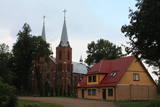 |
0,2 km austrumos no Vidsmuižas atrodas no šķeltajiem laukakmeņiem un sarkanajiem ķieģeļiem celtā (1910. - 1912. g.) Vidsmuižas katoļu baznīca. Tāpat kā Riebiņos esošā, arī šī ir uzskatāma par tipisku 19. – 20. gs. mijas Latgales lauku baznīcas paraugu. |
|
 |
The farm offers various goodies, including cheese, butter, cream, cottage cheese and fresh eggs. |
|
 |
One of the leading Latvian sauna experts, Ziedonis Kārkliņš, uses the energetic properties from various plants. More than 12 different plants are combined at once. Natural cosmetics and materials (mud, amber, stones etc.) used during rituals. He also uses ancient Baltic energy signs. |
|
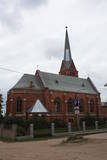 |
Atrodas t.s. Baznīcu kalnā – 18. novembra ielā 66. Apjoma ziņā – lielākais Daugavpils luterāņu dievnams, kuru cēla laikā no 1891. - 1893. g. neogotiskā stilā no sarkanajiem ķieģeļiem (arhitekts Vilhelms Neimanis). 1941. g. baznīcā izcēlās ugunsgrēks un gāja bojā lielākā daļa no tās sākotnējās iekārtas. Turpmāko divu gadu laikā baznīcu daļēji atjaunoja, taču vēlāk tajā izveidoja noliktavu u.c. baznīcai „nepiederīgas” iestādes. 1985. g. ēka vēlreiz cieta ugunsgrēkā. Pagājušā gadsimta deviņdesmito gadu sākumā uzsāka baznīcas atjaunošanas darbus, uzstādīja solus un altāri, kas ir Ogres Amatniecības vidusskolas audzēkņu darinājums. |
|
 |
The café is in the centre of Aglona on the edge of the Dagda road (P60). |
|
 |
Veselībai un pilsētvidei draudzīga transporta – velosipēda lietotāji putnu vērošanas torni var sasniegt pa Ķengaraga promenādes veloceliņu. Tornī izvietoti putnu attēli, kas nezinātājiem atvieglo ūdensputnu vērošanas un atpazīšanas procesu. Redzamas plašas Daugavas ainavas. |
|
 8 days
|
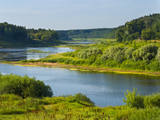
The Daugava River is known as our river of destiny, the Daugava of our hearts, or our beloved mommy. It is a large and full-blooded artery of water that has flowed through our land and our history. The Vikings were aware of the river during the 5th century AD. Krāslava is the site of an ancient castle hill, and the fearless sailors were well aware of it in that downriver from it, the ships could sail with raised sails. It is known in Viking sagas as Dynasaiforgarðr. Goods from the East sail down the river to Rīga, where it is reloaded into seafaring ships for delivery to Europe. That has been the case for many centuries. Many powers wanted to control and govern the process, as is seen in the large number of castle hills, castles and populated areas around the river’s banks. The majestic ruins of the Koknese Castle, Krustpils, the grassy and mighty castle hill at Aizkraukle, another one at Daugmale. The unique fortresses at Daugavgrīva and Daugavpils are like large keys that lock or unlock this mighty and ancient trade route. Under the water in the Daugava are the ruins of the ancient Ikšķile Castle that was built by St Maynard himself. It is seen as the first brick building in the Baltic States. Nearby is Death Island, where Latvian riflemen fought for the future of their country and their land, defending each square metre of land. The Daugava proved insurmountable for Bermont’s troops, and the riflemen defended Rīga successfully. The curves of Daugava are unique. The village of Slutišķi is particularly known because the Daugava there is just like it has been in the past. The high dolomite shorelines and canyons that once made the Daugava unique in all of Northern Europe have now been lost in the reservoirs of hydroelectric power plants, as has the eternally weeping cliff of Staburags, the Liepavotu stream and the Pērse waterfall. The age of national renaissance in Latvia importantly began with a battle against the construction of another power plant on the Daugava, which would have fully destroyed the beauty of the noble river. We managed to protect it, if only a small part of it, but we succeeded. We must not stop! |
|
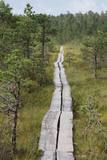 |
Ein 3,5 km langer Pfad quert den Viru Moos in Richtung Süd–Nord. Von einem Holzaussichtsturm eröffnet sich einen Blick auf eine typische Hochmoorlandschaft mit einigen Seen, Aushöhlungen und morastigen Stellen. |
|


