
| Nr | Nosaukums | Apraksts |
|---|---|---|
 |
Medinsku Vincīšu akmens. Vietējie iedzīvotāji pakalnu, uz kura atrodas dižakmens, sauc par
Magoņkalnu. Medinsku Vincīšu akmens atrodas koku pudurī tikai 40 m pa kreisi no Jaunviļānu –
Medinsku ceļa un aptuveni 40 m no Maltas upes labā krasta. Sarkanā rapakivi granīta akmens izmēri: garums
6,6 m, platums 5,4 m , augstums 3,3 m, apkārtmērs 20 m, tilpums 40 – 45 kubikmetri.
|
|
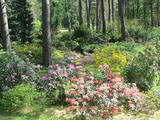 |
Rucavas arborētums sastāv no trīs ģeogrāfiski dažādi novietotām vietām Rucavā un tās apkaimē. Pirmā daļa ir pašas Rucavas centra apstādījumi iepretim Rucavas novada domei, kuros aug magnolijas, deicijas, katalpas, baltegļu stādījumi u.c. Otra daļa atrodas pie Rucavas pamatskolas, kur mežā ir izveidota rodedendru, īvju un paciprešu kolekcija. Savukārt, trešā daļa atrodas nepilnus 4 km austrumos no Rucavas – bij. Rucavas muižas vietā (tikai pamati), ko sauc par Muižas kalna stādījumiem. Šī ir viena no ainaviskākajām arborētuma daļām, no kuras paveras neparasti plašs un skaists skats uz Sventājas dabas liegumu, kas ir īpaši aizsargājama dabas teritorija. Šeit 1996. g. arī aizsākās arborētuma veidošana, kas notika Salaspils botāniskā dārza dendralogu Raimonda Cinovska un Ināras Bondares vadībā. Kādēļ par arborētuma vietu izvēlēta Rucava? Tādēļ, ka dienvidkurzemes piejūrā ir maigāks klimats, nekā citur iekšzemē, tādēļ šeit mēs varam apskatīt augam daudzas siltāku zemju eksotisko koku un krūmu sugas. Maijā, kad zied rododendri, Rucavas arborētumā notiek „Dārza svētki”. Arborētuma daļas var apskatīt savā gaitā, bet, ja gida pavadībā, nepieciešama iepriekšēja pieteikšanās. |
|
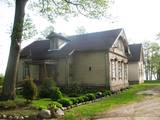 |
Pastaigājoties pa kilometru garo zemes ceļu, kas omulīgi stiepjas gar jūru, var sajust īsto ciema burvību. Labajā pusē skatu bagātina jūrā izmētātie akmeņi, miniatūri puķu dārziņi jūras krastā, aicinoši soliņi, apgāztas laivas. Krasta pusē jau vairāk kā gadsimtu stāv tagadējā Kaltenes bibliotēka. 1899. g. celta kā Nogales barona Nolkena vasarnīca – vairākkārt pārbūvēta un mainījusi savu lomu sabiedrībā. Sākotnēji no 1926. g. šeit atradusies pamatskola, pēc tam klubs, bet no 1992. gada - atkal sākumskola. Ejot pa ceļu, aplūkojamas sakoptas, skaistas kurzemnieku piejūras sētas, starp kurām var atrast arī tādas veco zvejnieku un kuģu būvētāju dzimtas mājas, kā Burliņi. Pie Žulnieku valka „Smilgās” atradusies kuģa kalēja Pētera Valdemāra smēde, kurš bijis tā laika galvenais kuģu kalējs posmā no Kaltenes līdz Upesgrīvai. (Avots: Rojas TIC) |
|
 |
Meža vidū, klusumā atrodas „Mākoņmalas”. Maģiska vieta , kur var baudīt SPA procedūras un pirts rituālus, iegūt zināšanas maģiskās un netradicinālās praksēs, kā arī pabūt vienatnē ar dabu, uzlabot veselību, izbaudīt „īso atvaļinājumu steidzīgajiem un aizņemtajiem”. „Mākoņmalās”saņemsiet restartu gan miesai, gan dvēselei. Pēc procedūrām ir iespēja izbaudīt dziļo naktsmiegu mūsu mājās un izgaršot agrās brokastis uz terases, vērojot meža dzīvnieku rīta rituālus un dabas skaistumu. Rītu izbaudīt var dodoties nūjot vai parastā rīta pastaigā pa mežu, lai satiktu stirnas un citus meža iemītniekus. |
|
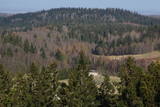 |
Veidots Hānjas (Haanja) augstienes ainavas un kultūrvides aizsardzībai. Tās centrālajā daļā atrodas Baltijas augstākais reljefa punkts – Lielais Munameģis (Suur Munamägi) – 318 m.vjl. un otrs augstākais – Vellamegi (Vällamägi) kalns – 304 m.vjl. Parka R daļā meklējama Reuges senleja (Rõuge ürgorg) - 7,5 km gara un līdz 60 m dziļa ledāja veidota ieleja, kurā iegūluši 7 ezeri, t.sk. Igaunijas dziļākais (38 m) – Reuges Lielezers (Rõuge Suurjärv).
|
|
 2 dienas
|
Šis ir viens no 6 ceļojuma maršrutiem sērijā "Baudi laukus!", un tas aicina apmeklēt Lauku Labumus – visdažādāko veidu un nozaru saimniecības un uzņēmumus, kas atvērti apmeklētājiem, piedāvā ekskursijas, nogaršot, apskatīt un iegādāties savus ražojumus. Tur apskatāmi mājdzīvnieki, mūsdienīgas lauku saimniecības, amatnieku darbnīcas, iegādājami lauku produkti – maize, medus, mājas vīns un alus, siers, ogas, augļi, zivis, gaļa, dārzeņi, tējas un citi laukos audzēti labumi. Pa ceļam iespējams ieturēt pusdienaslauku krodziņos. |
|
 |
Krodziņš "Bērzkrogs" atrodas divu senu un vēsturisku ceļu (Rīga – Sanktpēterburga un Cēsis – Vecpiebalga - Madona) krustojumā. Izmanto vietējo zemnieku audzētos un mājražotāju produktus. Latviešu virtuve: Pelēkie zirņi ar speķi, zupas (frikadeļu, biešu, baraviku), pupiņu salāti, siļķe ar vārītiem kartupeļiem un krējumu, zemnieku podiņš, cepta cūkgaļa, kartupeļu un plānās pankūkas, maizes zupa, zemeņu deserts, mājas saldējums. |
|
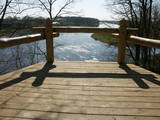 |
Viens no lielākajiem 9. - 13. gs. zemgaļu nocietinātajiem pilskalniem, pie kura 13 ha platībā bija izvietojusies senpilsēta. Labiekārtots. Uzskata, ka te atradusies hronikās minētā zemgaļu osta. Pāri Lielupei nesen ir izveidots pontonu tilts, pār kuru gājēji un velobraucēji no maija līdz oktobrim var nokļūt līdz Mežotnes pilij. Mežotnes pilskalnā maija trešajā sestdienā tiek rīkoti Mežotnes pilskalna svētki. Pa laipu taku var aizstaigāt līdz Vīna kalnam. Atrodas Bauskas dabas parkā. |
|
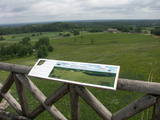 |
Parks atrodas Karulas augstienes paugurainajā apvidū, kura vidusdaļā iegūlis Ähijärve ezers. Parks veidots kultūrvides, ainavas ar nelielām lauku sētām un savdabīgo kupolveidīgo pauguru aizsardzībai.
|
|
 |
Meklējams ~ 4 km pirms Apriķiem (ir norāde) - Ģibortu kapos. Te atdusas Neredzīgais Indriķis (1783. – 1828.) - latvietis, kas publicēja pirmo dzejoļu krājumu (1806. g.) latviešu valodā. Jāpiebilst, ka Indriķis bijis akls kopš piecu gadu vecuma un nebija gājis skolā. Viņa dzeju pierakstīja un minētajā gadā izdeva Apriķu draudzes mācītājs K. G. Elverfelds. Kapos uzstādīts piemiņas akmens (1935. g.) un tēlnieka Viļņa Titāna veidots “Austras koks” ar uzrakstu Braila rakstā. |
|
 |
Kafejnīca "Eglīte" atrodas Ludzas pilsētas centrā. Piedāvā daudzveidīgu ēdienkarti un kompleksās pusdienas. Pavāra „rozīnīte” ir saldūdens zivis, kas zvejotas Latgales ezeros. Latviešu virtuve: ēdieni, kuru pagatavošanā izmanto līdaku, līni, karpu un zandartu. Ziemas saulgriežos pēc pasūtījuma gatavo asinsdesu, kupātus un cūkas šņukuru. Īpašais ēdiens: „Zivju siers” – aukstā uzkoda no maltas zivs ar piedevām. |
|
 |
Bioloģiskā lauksaimniecība nodarbojas ar dārzeņu audzēšanu un to pārstrādi. Graudu produkti - milti, putraimi, grūbas. Pieejami arī dārzeņu un puķu stādi, puķes. |
|
 |
Višķi kā apdzīvota vieta izveidojās uz Višķu muižas zemes. 19. gs. tie ieguva miestu statusu. 1921. g. Višķos atklāja lauksaimniecības ziemas skolu, bet 1926. - viengadīgo mājturības skolu. Otrā pasaules kara laikā - 1943. g. nodibināja Višķu dārzkopības un biškopības skolu, bet pēc kara - Višķu dārzkopības (vēlāk - lauksaimniecības) tehnikumu. Ar izglītbu saistītās aktivitātes bija arī iemesls, kādēļ Višķu centrs nelīdzinās “tipiskam” lauku ciematam. Šeit plašā teritorijā ir apskatāmi ainaviski kopti stādījumi, dendroloģiskais parks (no 1936. g.), ābeļdārzi, kas tiek kopti joprojām. Iespējams sarunāt vietējo gidu, kas lieliski pārzina parku. Višķus var izstaigāt arī individuāli. |
|
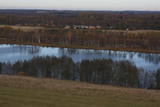 |
Tabivere ciems. Drumlinus veidojis ledājs un tie orientēti ledāja kustības virzienā. Pēc izskata drumlini atgādina klaipveida paugurus. No to „mugurām” paveras skaisti skati uz drumlinu lauka ainavu un ieplakās esošajiem ezeriem. Apmeklētāju centrs atrodas Äksi ciemā.
|
|
 |
Lohjansaari island is in the middle of the largest fresh water lake in southern Finland. Due to its fertile soil and warm micro climate, the area hosts several arboreta. You can visit apple orchards or spend the night at Martinpiha destination and enjoy a truly rural experience with the friendly local people. |
|
 5 dienas
|
Ceļš ved caur skaistākajām Baltijas ainavām - Gaujas, Lahemaa un Matsalu nacionālajiem parkiem un Vidzemes, Otepää, Pandivere augstienēm. Maršrutā ietverts arī Munameģis, Peipusa ezers un sādžas tā krastos, akmeņainā jūras piekraste Ziemeļigaunijā, Igaunijas krāšnākie ūdenskritumi, zvejnieku ciemi. Iespēja doties pastaigā pa dabas takām un vērot apkārtni no skatu torņiem, kā arī apskatīt skaistākās muižas un pilis. Iespējams papildus organizēt laivu braucienus pa Ahjas vai Vihandu upēm. |
|
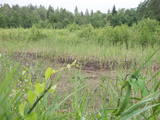 |
Dūņu reģenerācijas dīķi – vieta, kur tiek
deponētas kūrorta rehabilitācijas centrā
„Jaunķemeri” izmantotās dūņas.
|
|
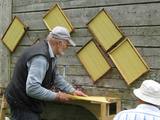 |
Mācību drava piedāvā piedzīvojumu bišu dravā - ieraudzīt, sajust, sagaršot, sadzirdēt. Apmeklētājiem ir iespēja iepazīt dravnieka arodu (no maija līdz novembrim), izbaudīt veselības kūri (no maija līdz augustam - trešdienās un sestdienās) un degustēt bišu našķus, drosmīgajiem - īpaši pārsteigumi. Organizē meistarklases "Sveču gatavošana", "Vaska gleznas", "Gardēdis", "Veselība no bišu dravas", "Jaunais biškopis", kā arī praktiskas apmācības un seminārus biškopjiem. |
|
 |
Rančo Riisa atrodas Soomaa Nacionālajā parkā (Soomaa Rahvuspark), kur ir ļoti daudz dabas velšu, ko izmanto arī ēdienu gatavošanā. Pēc pastaigas pa nacionālo parku un spirdzinošas saunas saimnieki piedāvās maltīti pēc labākajām Soamaa tradīcijām. |
|
 |
Veikals "Zaļā Zeme" piedāvā bioloģiskās lauksaimniecības produktus un dabīgus pārtikas produktus, veselīgus produktus bērniem, bezglutēna produktus, ekoloģisku kosmētiku un tīrīšanas līdzekļus. Piedāvājumā Latvijas zemnieku un mājražotāju produkcija, kas gatavota no dabīgām izejvielām. |
|


