
| Нo | Название | Описание |
|---|---|---|
 |
Камень Мединску Винцишу. Местное население холм, на котором он находится, называет
Магонькалнсом. Камень находится в перелеске, всего в 40 м влево от дороги Яунвиляни –Медински
и приблизительно в 40 м от правого берега реки Малты. Размеры гранитного камня красного
ракапиви: длина 6,6 м; ширина 5,4 м; высота 3,3 м; окружность 20 м; объем 40 – 45 кубических
метров.
|
|
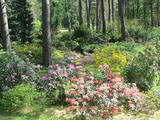 |
Проект по развитию дендрария начался в 1996 году, когда дендрологи Саласпилсского ботанического сада Раймондс Циновскис, Инара Бондаре и представители самоуправления Руцавы договорились о создании экспериментальных посадок на холме усадьбы Руцава. Посадка насаждений была начата в 1998 году. В дальнейшем, посадка растений проводилась также в центре Руцавы и у начальной школы. Посадки ежегодно пополняются новыми и экзотическими экземплярами растений со всего мира. Праздник сада традиционно проводится в мае, во время цветения рододендронов и магнолий. |
|
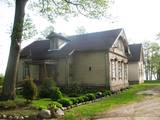 |
Прогуливаясь по километровой проселочной дороге, уютно протянувшейся вдоль моря, можно ощутить настоящее очарование поселка. По правой стороне взору открываются разбросанные по морю камни, миниатюрные цветочные садики на берегу моря, приглашающие посидеть скамейки, перевернутые лодки. На прибрежной стороне уже более века стоит нынешняя Калтенская библиотека. Она была построена в 1899-м году как дача барона Нолкена из Ногале, была многократно перестроена и меняла свое общественное назначение. Изначально с 1926-го года здесь находилась основная школа, после этого – клуб, а с 1992-го года – снова начальная школа. Прогуливаясь по дороге можно увидеть ухоженные, красивые курземские прибрежные дворы, между которыми можно найти и такие родные дома старых рыбаков и кораблестроителей как «Бурлини». У речки Жулниеквалкс на хуторе «Смилгас» находилась кузница корабельного кузнеца Петериса Валдемара, который был в то время главным корабельным кузнецом на территории от Калтене до Упесгривы. (Источник: Ройский ТИЦ) |
|
 |
"Mākoņmalas" is located in the middle of the forest, in silence. A magical place where you can enjoy SPA procedures and sauna rituals, gain knowledge in magical and non-traditional practices, as well as be alone with nature, improve health, enjoy a "short vacation for the hurried and busy". In "Cloud Edges" you will receive a restart for both body and soul. After the procedures, it is possible to enjoy a deep night's sleep in our home and taste the early breakfast on the terrace, watching the morning rituals of wild animals and the beauty of nature. You can enjoy the morning with a stick or a regular morning walk through the forest to meet deer and other forest dwellers. |
|
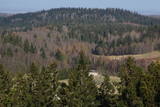 |
This park was set up to protect the landscape and cultural environment of the Haanja highland. At the central part of the park are the two highest hills in the Baltic States – Suur Munamägi, which stands 318 m above sea level, and Vällamägi, which is 304 m above sea level. The ancient Rõuge River valley (Rõuge ürgorg) is found in the western part of the park. It is 7.5 km long and up to 60 m deep. The valley dates back to the Ice Age, and it has seven lakes, including the deepest one (38 m) in Estonia – Lake Rõuge Suurjärv.
|
|
 2 дня
|
Это один из 6 маршрутов путешествий в серии «Насладитесь деревней!», который приглашает посетить «Дары села» – хозяйства и предприятия всевозможных видов и отраслей, которые открыты для посетителей и предлагают экскурсии, попробовать, осмотреть и приобрести свои изделия. Там можно увидеть домашних животных, современные сельские хозяйства, мастерские ремесленников, приобрести сельскохозяйственные продукты – хлеб, мед, домашнее вино и пиво, сыр, ягоды, фрукты, рыбу, мясо, овощи, чаи и другие, выращенные в деревне дары. По дороге можно отобедать в сельских корчмах. Примерное время прохождения маршрута: два - три дней, в зависимости от количества выбранных достопримечательностей и времени, отведенного для их осмотра. |
|
 |
Находится на перекрестке двух старинных и исторических путей (Рига - Санкт-Петербург и Цесис - Вецпиебалга - Мадона). Используют выращенные местными крестьянами и надомниками продукты. Латышская кухня: Серый горох с салом, супы (с фрикадельками, свекольный, из боровиков), салат из фасоли, селедка с вареным картофелем и сметаной, крестьянский горшочек, жареная свинина, картофельные и тонкие блины, хлебный суп, десерт из клубники, домашнее мороженое. |
|
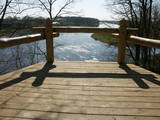 |
Находится на левом берегу Лиелупе, напротив Межотненского замка. Одно из крупнейших укрепленных городищ земгалов 9 - 13 вв., рядом с которым на площади в 13 га располагался древний город. Благоустроено. Через Лиелупе построен понтонный мост, по которому пешеходы и велосипедисты (май - октябрь) могут пройти к Межотненскому замку. Примерно в 0,5 км к югу от городища находится Винная гора, до которой ведут деревянные мостки. |
|
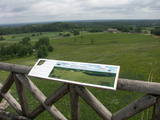 |
This park is in a region of hillocks in the Karula highlands, and Lake Ähijärve is at its centre. The park offers a cultural environment of small farms, and it was set up to protect the unique cupola-shaped hillocks of the area. Main attractions: Scenic Lake Ähijärv (176ha), Rebasemõisa Tornimägi hill (137.8 m above sea level), undulating landscapes. |
|
 |
Находится~ в 4 км, не доезжая до Априки (установлен указатель) – Гибортское кладбище. Слепой Индрикис (1783 – 1828) был латышом, опубликовавшим первое собрание стихов на латышском языке (1806 г.). Индрикис был слепым с 5-летнего возраста и был необразован. Его стихи записал и издал в упомянутом году священник Априкского прихода K. Г. Элверфелдс. На кладбище установлен памятный камень (1935 г.) и созданное Вилнисом Титансом «Аустрас кокс» с надписью шрифтом Брайля. |
|
 |
Находятся в центре Лудзы. Предлагает многообразное меню и комплексный обед. «Изюминка» повара – пресноводная рыба из озер Латгалии. Латышская кухня: Блюда, в приготовлении которых используют щуку, линя, карпа и судака. Во время зимнего солнцестояния по заказу готовят кровяную колбасу, купаты и свиной пятачок. Особое блюдо: «Рыбный сыр» – холодная закуска из молотой рыбы с гарниром. |
|
 |
Биологическое сельское хозяйство занимается выращиванием и переработкой овощей. Зерновые продукты - мука, крупы, перловая крупа. Предложение включает рассаду овощей и саженцы цветов, цветы. |
|
 |
Вишки как населенный пункт образовался на земле усадьбы Вишкю. В 19-ом веке населенный пункт получил статус города. В 1921 году в Вишках была открыта зимняя сельскохозяйственная школа, а в 1926 году - однолетняя школя домоводства. Во время Второй мировой войны – в 1943 году здесь была основана Вишкская садоводческая и пчеловодческая школа, а после войны – Вишкский садоводческий (позднее - сельскохозяйственный) техникум. Мероприятия, связанные с образованием, стали причиной, почему центр Вишек не похож на центр "типичного" села. Здесь на большой территории можно увидеть ухоженные ландшафтные насаждения, дендрологический парк (с 1936 года), яблоневые сады, за которыми до сих пор активно ухаживают. Имеется возможность договориться об экскурсии с местным гидом, который хорошо знает парк. Можно погулять по Вишкам и индивидуально. |
|
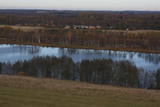 |
This is the most visually impressive drumlin field in the Baltic States, and it is close to the village of Tabivere. The drumlins were established by ice glaciers, and they point in the direction in which the ice moved long ago. In terms of their appearance, the drumlins resemble loaf-shaped hillocks. From their “backs,” there are lovely views of the local landscape and the lakes that are around the area. The visitor centre is in the village of Äksi.
|
|
 |
Lohjansaari island is in the middle of the largest fresh water lake in southern Finland. Due to its fertile soil and warm micro climate, the area hosts several arboreta. You can visit apple orchards or spend the night at Martinpiha destination and enjoy a truly rural experience with the friendly local people. |
|
 5 дней
|
Путь пролегает по красивейшему ландшафту Балтии – через Национальные парки Гауя, Лахемаа и Матсалу, Видземскую возвышенность, а также возвышенности Отепя и Пандивере. Также в маршрут включены Мунамегис, Чудское озеро и селения по его берегам, каменистое морское побережье в Северной Эстонии, самые живописные водопады Эстонии, рыбацкие поселки. Вы увидите природные тропы, смотровые вышки и самые великолепные поместья и дворцы. Возможно дополнительно организовать сплав на лодке по рекам Ахья и Выханду. |
|
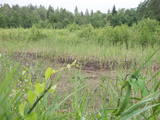 |
Восстановительные грязевые пруды
это место, где депонируются использованные
курортным и реабилитационным центром
"Яункемери" грязи.
|
|
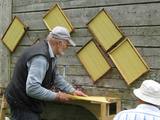 |
Для интересующихся на учебной пасеке предлагаются экскурсии, семинары и обучение для пчеловодов – в гостях у «девочек» (осмотр пчелиных семей), участие в процессе выращивания пчелиных маток, бросании меда, литье свеч, а также в дегустации лакомств улья. |
|
 |
Ранчо Riisa находится в национальном парке Соомаа (Soomaa Rahvuspark), столь богатом дарами природы, часть которых используют и для приготовления различных блюд на ранчо. После прогулки по национальному парку и бодрящей сауны хозяева предложат Вам откушать в лучших традициях региона Соомаа. |
|
 |
Магазин в Елгаве предлагает органические, натуральные продукты питания; продукты, полезные для детей; продукты без глютена; экологическую косметику и чистящие средства. В ассортименте продукция латвийских крестьян и отечественных производителей, изготовленная из натурального сырья. |
|


