
| No | Name | Description |
|---|---|---|
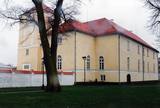 |
The Castle of the Livonian Order in Ventspils was first listed in documents in the late 13th century, and despite damaging wars, it has maintained its essence as a castle to this very day and only with minimal changes. The castle is also known as the oldest Medieval fortress in Latvia. Today it is home to a modern museum. |
|
 |
Līdz 40m augsta ar mežu apaugusi Gaujas labā pamatkrasta nogāze ar vairākiem smilšakmens atsegumiem. Viens no tiem atrodas nogāzes lejasdaļā un veido 7m platu 5m dziļu nišu. Otrā krastā – vairākus metrus augstais Leimaņu iezis. Abi atsegumi atrodas aiz Amatas ietekas.
|
|
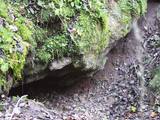 |
The castle hill of Rasnupļi (Opiņķi) is a significant place on the foot of the hill inhabited by ancient Latgalians.
You will notice Velna ala (Devil’s cave) also called small Staburags of Latgale (ancient cult place)
in the right side of the Vīce river. It is a small natural geologically unique formation (length – 3m, width –
2m, high – 0,6m). There are only two such caves in Latvia. There are 5 – 6 m long stalactites.
|
|
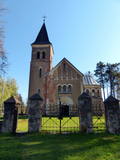 |
This, the third church at this location, was built in 1906 at the initiative of and financing from Gotthard von Budberg, who dedicated it to his late wife, Gertrude. The Walker company organ in the church was built in 1906 in Ludwigsburg in Southern Germany. In 1992, a memorial plaque to commemorate people from Gārsene who were repressed by the Soviet regime was consecrated at the church. 100 m to the East is a cemetery where we see the legendary chapel of the Budberg dynasty, as well as the graves of the noblemen. The church is open to visitors. |
|
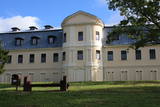 |
There are several buildings from the estate that survive to the present day and were built by the Plater dynasty of noblemen. The old mansion that is on the side of the Count Plater Street was built in 1759 on the banks of the Jāņupīte River. The Baroque building was designed by an architect from Venice, Antonio Parazzo. Later the mansion was rebuilt, and after a new castle was erected, the Plater family spent its summers on the first floor of the old building. The second and third floors had a library with some 20,000 books. The noblemen managed to move most of the contents of the library to safer locations during World War I, when the library as such was destroyed. Work on the new castle of the Krāslava Estate (on the upper part of the Daugava River Valley) began in 1756 (architect Domenico Parazzo). Initially it was in the Baroque style, but reconstruction at the turn of the 18th century involved Classicism. Unique Rococo wall paintings with views of Rome have been discovered in the building. These were based on samples from castles in Poland and were painted during the 1760s and 1770. A high school used the new castle until the 1970s. Then the building was abandoned and gradually turned into a ruin. More recently there has been major renovation of the castle’s façade, and it now has a good appearance. Surrounding the structure is a romantic landscape park that dates back to the mid-18th century. It is on the hillocks of the Daugava River Valley and the valleys that cross it. An artificial grotto has been restored, and a statue of a lion stands guard over the site. The stairway has been placed in its historical location, and the park features pathways and a yard. |
|
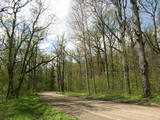 |
One of the few pure stands of oak trees in Latvia, this one covers 19.6 ha, and it was declared to be a protected territory back in 1928. The oldest trees are 300 to 400 years old. The stand of trees can be found alongside the Ezernieki-Andzeļi road. There is a small car park, along with a hiking trail, an information stand, and a leisure area with a plank from which the northern bay and islands of Lake Ežezers can be seen very well. There are typical species of plants, mushrooms and insects here, but only a specialist will be able to recognise them. |
|
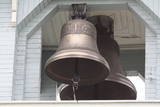 |
The Rēzekne Old Believer Prayer House of St Nicholas is in the southern part of the city, at Siņicina Street 4. The house of worship was built in 1895 and rebuilt in 1906. Its tower has three silver and brass bells (restored), and one of them is thought to be the largest bell in Latvia (4,832 kg with a tongue that weighs 200 kg in and of itself). Alongside is a museum which features the cultural and religious environment of the Old Believers. |
|
 2 days
|
Это один из 6 маршрутов путешествий в серии «Насладитесь деревней!», который приглашает посетить «Дары села» – хозяйства и предприятия всевозможных видов и отраслей, которые открыты для посетителей и предлагают экскурсии, попробовать, осмотреть и приобрести свои изделия. Там можно увидеть домашних животных, современные сельские хозяйства, мастерские ремесленников, приобрести сельскохозяйственные продукты – хлеб, мед, домашнее вино и пиво, сыр, ягоды, фрукты, рыбу, мясо, овощи, чаи и другие, выращенные в деревне дары. По дороге можно отобедать в сельских корчмах. Примерное время прохождения маршрута: два - три дней, в зависимости от количества выбранных достопримечательностей и времени, отведенного для их осмотра. |
|
 3 days
|
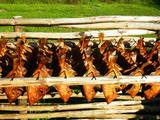
The Liv Coastline involves a series of shoreline villages from Ovīši to Ģipka along the shores of the Baltic Sea and the Bay of Rīga. Like Latvians, Livs are an indigenous population in Latvia, with ancestors who lived here at least 5,000 years ago. They populated extensive parts of Kurzeme and Vidzeme, and the area in which they lived the longest was Northern Kurzeme, on the shores of the Baltic Sea. Today visitors to the Liv Coastline mill meet real Liv fishermen, feel the aroma of smoked fish, enjoy traditional dishes, look at diverse ancient fences, learn about the reticent charm of the local landscape, enjoy the place where two seas, birds and people meet at Cape Kolka, hear the Liv dialect of the Latvian language, see rounded hillocks and swampy areas, visit the Šlītere lighthouse, and see the green-white-blue Liv flag, red bilberries, bird migration routes and blue cows. The oldest evidence of the life of Livs can be found in the Liv centres. The Liv language and culture are still alive in place names, handicrafts, folk costumes, and the world view and lifestyle of people who live in the area. The Liv language and cultural values are part of Latvia's national cultural heritage, and traditional Liv culture is part of the Latvian Canon of Culture. |
|
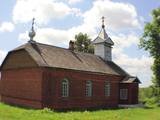 |
Bоrisovas St. Nikolay Old-Believers Prayer House was built in the period of 1911 – 1921 . The different feature of the Prayer House is a brick building placed on the hill. The bell of the temple was specially
ordered and brought from St. Petersburg. The bell has a very soft sound.
|
|
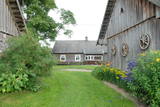 |
The “Gulbji” Selonian homestead is one of the very few places in Latvia where you can see a farm typical of the historical region of Selonia with its typical buildings. “Gulbji” is comparatively far from major roads and populated areas. It is on the so-called Dronku Island, not far from the beginning of the ancient Dviete River valley. The owners of “Gulbji” have collected a wealth of ancient household objects. Visitors can study the farm, examine a collection of medicinal plants, enjoy Selonian foods, or take a “black sauna.” It could be said that people at “Gulbji” have a natural farm which nurtures and maintains the traditions of the historical region. Latvian cuisine: Crepes, grit soup, cream of potato soup, beans sautéed in a special sauce, fruit dessert, bread soup with whipped cream, tortes, herbal teas. Special foods: Zeppelins. |
|
 |
Lovely café, located in the old folk house; here you can buy unique cheeses, dumplings, chanterelle-bean-pear barley soup, vadsas, meadow-sweet syrup drink. |
|
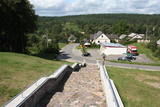 |
Eine alte Ortschaft am linken Ufer des Flusses Nemunas. Liškiava-Kirche und Kloster, heiliger Berg und Burgberg mit den Ruinen der am Ende des 14. Jh unter Leitung von Vytautas der Großen gebauten Burg. Ein Kultstein mit einem Kühstapfen.
|
|
 1 day
|
Dodieties ekskursijā, lai gūtu ieskatu lauku profesijā un dzīvesveidā, kā arī iegūtu jaunus iespaidus un labu atpūtu visai klasei. Ekskursijas laikā apmeklējiet etnogrāfisku ciematu un muzeju, kurā var iepazīt vecticībnieku kultūrvidi un tradīcijas. Pēc tam apmeklējiet saimniecību, lai uzzinātu par dažādiem ārstniecības augiem un degustētu tējas. Ekskursijas noslēgumā dodieties uz zirgu sētu, kur var iepazīt saimniecību, tās galvenos iemītniekus - zirgus, kā arī izstaigāt dabas taku. |
|
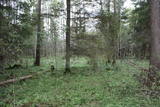 |
One of the rare places (see also Rucavas ivju audze) in Latvia where two rare and protected wild tree species grow - yew-tree and Baltic ivy. Territory is not marked on site with information signs or stands. Territory is not suitable for visitors as visitor without environmental knowledge will see “regular” forest. On the East side of the restricted area is located extending low wall – former narrow gauge railway (600 mm, length 41 km) line Dulbeni – Rucava. Railway was built by German military forces with the goal – to export wood.
|
|
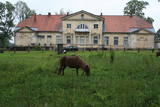 |
Atrodas Gatartas centrā uz reljefa virsmas paaugstinājuma. Muižas pili cēla laikā no 1823. - 1824. g. (fasāde - klasicisma stilā). Tās ieeju vēl pavisam nesen rotāja divi (postīti) lauvu tēli. Par muižas kompleksa varenību liecina vēl 20 citas ēkas (dažādā stāvoklī, g.k. – sliktā!) – ļoti iespaidīgs ledus pagrabs, dārznieka un kalēja māja, klēts, magazīna, alus brūzis, Kundziņkrogs, kas atrodas plašākā teritorijā. Daļēji saglabājies 19. gs. veidotais parks. Drustu muižas īpašnieks – vācbaltietis un pētnieks Ludvigs Kārlis Augusts fon Hāgemeisters (1780. – 1833) 1806. g. organizēja un vadīja Krievijas ekspedīciju uz Aļasku. Šobrīd muižas pils ir privātīpašums un apskatāma no ārpuses. |
|
 |
Atrodas Riekstusalas pussalas galā. No tā labi pārskatāma aizaugušā Kaņiera ezera ziemeļu un austrumu daļa. Izcila putnu vērošanas vieta. Pie torņa atrodas viena no retajām Latvijas kadiķu audzēm. Turpat meklējams Kaņiera ezera niedru laipas (uz pontoniem) sākums. |
|
 |
Innovative and delicious hemp and buckwheat products - tasty and good for the digestive system. |
|
 |
The hard-working family of the owner makes smoked ham and bakes bread. The meat is smoked according to local recipes in a self-made smokery, which gives the meat a special smoky taste, while the bread is baked from high-quality whole-grain rye flour. You can purchase bread and ham on Fridays. |
|
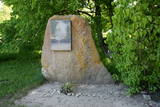 |
The memorial to Latvian President Gustavs Zemgals (1871-1939) was first installed in 1990 at the Brātiņi homestead, where he grew up. In 2016 it was moved to the Džukste memorial park. |
|


