
| No | Name | Description |
|---|---|---|
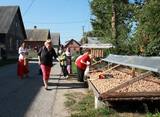 |
Kolkja, Kasepää and Varnja are another example of one-street villages of Old Believers who fled to Estonia from Russia in the 17th and 18th centuries. |
|
 |
Divstāvīgā ēka ir redzama no Dundagas – Ģipkas ceļa (ap 3,7 km no Ģipkas ciema). Šis nav tūrisma objekts, bet gan vēsturiska vieta, kurai vērts pievērst uzmanību kaut vai no attāluma. Ēkas pirmajā stāvā no 1860. g. darbojās skola, kurā par skolotāju strādāja rakstnieks Antons Austriņš. 1867. g. tai uzbūvēja otro stāvu, kurā uzsāka jūrskolas izveidi. Jūrskola darbojās līdz 1894. g., kad to pārcēla uz Mazirbi. |
|
 |
2012. gadā tika izveidots ģimenes uzņēmums "Bioorganic earthworm compost", kurš nodarbojas ar organiskā mēslojuma - sliekkomposta jeb biohumusa ražošanu. Ir izveidota moderna sliekkomposta ražotne, kura ir viena no lielākajām Baltijas valstīs. Pieaugot cilvēku interesei par zaļo saimniekošanu un iespējami kvalitatīvāku ekoproduktu iegūšanas iespējām, tiek piedāvātas ekskursijas pa ražotni, lai parādītu, kā tiek ražots viens no visefektīvākajiem organiskajiem mēslojumiem - sliekkomposts. |
|
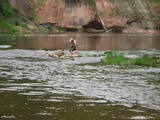 |
Ģeoloģiskā taka sastāv no trīs saistītiem posmiem: „Melturi – Kārļu zivjaudzētava”, „Kārļu zivjaudzētava – Zvārtes iezis” un "Zvārtes iezis - Veclauču tilts". Amatas senleja veidojusies vienlaikus ar Gaujas senleju leduslaikmeta beigu posmā un pēcleduslaikmetā, ledāja kušanas ūdeņiem plūstot uz Gaujas ieleju. Gaujas NP teritorijā Amatas senielejas dziļums sasniedz 50 metrus un platums palielinās līdz apmēram 1-1,5km.
Augstas kraujas (vairāk ne kā 40 metru), kurās redzami augšdevona Pļaviņu svītas dolomītu un augšdevona Amatas un Gaujas svītu smilšakmeņu atsegumi, mijas ar mežiem apaugušām, 3-16m augstām stāvām terasēm.
Amatas senieleja ir nozīmīga ne tikai ar savām dabas ainavām. Tās krastus grezno dolomīta un smilšakmens atsegumi, kas atklāj zemes vēstures lappuses 350-400 miljonu gadu tālā pagātnē, kad Latvijas teritoriju klāja jūra.
Velobraucieniem taka nav piemērota!
|
|
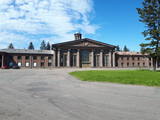 |
Spilves pļavas tika izmantotas kara aviācijas vajadzībām jau 1. Pasaules kara laikā. 1922. gadā bumbu sabojātā lidlauka atjaunošanu veica Latvijas Republikas Aviācijas divizions Jāzepa Baško vadībā. Drīz pēc tam Spilvē 51 hektāru lielā teritorijā pie Rīgas - Bolderājas dzelzceļa atzara un šosejas iekārtoja arī civilo lidostu, kuru no Rīgas pilsētas nomāja Latvijas Pasta un telegrāfa departaments. |
|
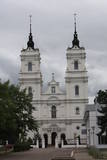 |
Atrodas t.s. Baznīcu kalnā - A. Pumpura ielā 11 a. Varenais neobaroka stilā celtais dievnamu tapis 1905. g. Pastāv viedoklis, ka par šīs baznīcas prototipu izmantotas Aglonas vai Krāslavas bazilikas, kā arī Rietumeiropas baznīcu paraugi. Tās interjeru rotā divstāvīgs altāris, kurā novietota spāņu gleznotāja B. E. Muriljo pazīstamās gleznas “Svētā Dievmāte” kopija. 1909. g. baznīcā uzstādīja poļu meistara Ādolfa Hofmana būvētās ērģeles.No būvniecības laika saglabājusies arī pārējā baznīcas iekārta. |
|
 |
For more than 60 years, ice-cream is made in the historic Rūjiena dairy house, built in 1912. Everyone is kindly invited to take a tour and learn about the ice-cream of Rūjiena, watch the video about the manufacturing process, and, of course, enjoy Rūjiena ice-creams. |
|
 |
Vairākas salas Zvirgzdenes ezerā, uz kurām saglabājušies platlapju (ozolu, liepu) meži ar bagātīgu zemsedzes floru. Salas var redzēt no ceļiem, kas piekļaujas ezera ziemeļu un austrumu krastam. |
|
 |
From the Asote castle hill, which is on the right bank of the Daugava River near Jēkabpils, there is a fine view of the Daugava River valley, the Ābeles Island, and the Kaupre castle hill that is at the northern end of the island.
|
|
 10 days
|
The tour introduces modern day life in rural Finland, Estonia and Latvia and includes visits to small farms raising livestock and producing delicious foods, and to ethnographic villages preserving the traditional lifestyle in a contemporary environment. The tour also involves sites of historical and cultural interest. |
|
 |
Das im 18. – 19. Jh entstandene Ensemble von Gutshofsgebäuden mit Museum Audru und Spiritusfabrik. |
|
 |
The forest covered area formed to protect tort protected plant species as yew-tree etc. Territory is not suitable for visitors as visitor without environmental knowledge will see “regular” forest.
|
|
 |
The trail climbs up and down along the bluffs of lower River Pilsupe and reveals a fascinating sight of three white dune exposures (the largest is called the White Dune). The dune range has formed in the period of the Littorina Sea several thousands of years ago. The time required to walk the trail is ~0.3 h. Evidence of Stone Age settlements have been found in the vicinity. |
|
 5 days
|
From Riga the tour goes through historic sea resort Jurmala to Pure Chocolate museum where you could see production and taste some. Then the tour goes to Sabile where there is small Wine Hill which history dates back to 16th century. You visit local wine producer who will show his gardens and talk about grape growing in the Latvian climate nowadays. Afterwards tasting of the seasonally available drinks. Then you visit small picturesque town Kuldiga and have some wine tasting there. Next day there are eco wine tasting at Aizpute and Durbe and then go to the city of Liepaja with lovely sandy beach, arty atmosphere and significant military heritage at Karaosta suburb. Then the route follows up the coast line. At Pavilosta you have a trip in traditional fishermen boat and at Alsunga singing and demonstration of local traditions by Suiti women. Culturally colourful community which heritage is listed in UNESCO. Then walk along the steep sea cost at Jurkalne and enjoy the best maintained port town of Ventspils. Next day there is a visit to local fishermen and see fish smoking process, then walk along Cape Kolka where the open sea meets the Riga Bay. Turning back to Riga you have a visit and tasting at wine maker in Talsi. |
|
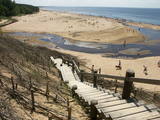 |
The White Dune is one of the landmarks of Saulkrasti, on the Vidzeme gulf coast. The dune offers a splendid view of the sea, the mouth of the Inčupe River and the vast beach. The White Dune formed as the wind drove beach sand over the clay silt of Baltic Ice Lake. Its white 18 meters high sand outcrop once helped local fishermen find their way home. The dune got its name from its white, hardened layers of sand which look like sandstone. |
|
 1 day
|
Tūrisma gide Ineta Jansone piedāvā ekskursijas grupām uz Melnalkšņu dumbrāja laipu. Melnalkšņu dumbrāja laipa ir viena no īsākajām un interesantākajām takām Ķemeru nacionālajā parkā (600 m). Melnalkšņu dumbrājā Vēršupītes krastos novērojami dabiskam mežam raksturīgi elementi – jauni, kā arī veci un dobumaini koki, kritalas, sausoņi, ciņi. Daudzveidīga ir meža putnu fauna. Jebkurā gadalaikā melnalkšņu dumbrājs ir īpašs. Taču visā krāšņumā dumbrājs atklājas tieši pavasarī. Vēršupītes pālu laikā ūdeņi pārklāj lielāko dumbrāja daļu, bet visapkārt zied zeltainās purenes, gaiss vibrē no putnu dziesmām un dzeņu bungošanas. |
|
 |
The Healing Gardens is a part of the Upmaļi biological farm that occupies 125 ha of land. The 4th generation of Bergmanis family runs the farm. Māra and Dainis, the present farm owners, involve their family members to work for preservation of the old and rare fruit and berry cultivars that have been planted in the 30-ties of the previous century. The gardens also contain tree varieties that have medicinal powers and some rare varieties like elder, walnut tree, edible chestnut, mulberry tree and others. Together with the herb plantations, the Healing Gardens cover over 12 ha of land. The hosts have over 30 years experience in natural healing and Ayurvedic tradition. Based on this experience, they produce teas, balsams, creams, oils and other products under the brand name AnnaABergmans. |
|
 |
From the berries and fruits that grow in the wonderful Võrumaa hilly area, farmers make wine, introduce guests to their garden, explain the wine making process, organise tastings and classes. |
|
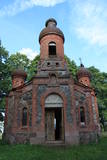 |
Dievnamu (atrodas Skujenes – Vecpiebalgas ceļa malā) 1872. g. cēla pirmais izglītotais latviešu arhitekts Jānis Frīdrihs Baumanis (1834. – 1891.), kas ir vairāku pazīstamu celtņu – J. Vītola Mūzikas akadēmijas, Rīgas cirka, Valsts bankas u.c. ēku projekta autors. Padomju laikā Māļu baznīcā atradās tukšās taras pieņemšanas punkts, bet mūsdienās – saglabājies tikai ēkas ārējais veidols. Baznīca apskatāma arī no iekšpuses. |
|
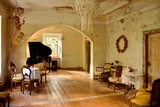 |
Iespējams apskatīt Kroņvircavas muižas kompleksu, kas bija pēdējā Kurzemes un Zemgales hercoga Pētera Bīrona lauku īpašums ar pili. To pēc hercoga pasūtījuma 1776. - 1785. gadā būvēja galma arhitekts Severīns Jensens. No hercoga pils līdz mūsdienām saglabājies vienīgi ziemeļaustrumu korpuss un virtuve kā atsevišķa ēka. Vispilnīgāk no muižas kompleksa ēkām saglabājušās Kavalieru māja, Pārvaldnieka māja, kurā tagad vietu radis projekts “Muižas istabas”, klēts-magazīna, stallis. Kroņvircavas muižas apbūve ir Valsts aizsardzības objekts. Pili ieskāva liels baroka stila parks ar ūdens parteru, kas kā muižas dārzs sākts ierīkot 1693. gadā. Šobrīd “Muižas istabās” saimnieko ģimene, kas vēlas saglabāt autentiskās mājas vērtības, iedzīvināt džezu uz “Muižas istabu” improvizētās skatuves, izstādīt mākslinieku darbus un svinēt svētkus. Aicinām apmeklēt vēsturiskā un kultūras mantojuma interesentus dzīvās mūzikas pavadījumā atklāt Vircavas bagāto vēsturi, ģimenes piedzīvojumus ar 250 gadīgo namu un sajust īpašo atmosfēru, ko novērtējuši daudzi mūsu apmeklētāji. |
|


