
| No | Name | Description |
|---|---|---|
 3 days
|
This part of the Forest Trail gives an opportunity to see Setomaa or “the Land of Setos” which is inhabited by Setos – an ethnographic group with specific ancient traditions and a unique language dialect. Forest Trail hikers can visit the traditional Setos homestead and enjoy Setos cuisine. The forests of the region are especially charming in early autumn, when the ground is coloured lilac by the blooming heather. There is a good chance to pick wild mushrooms and berries. One of the most beautiful sections of this trail in Setomaa leads along the River Piusa, where the river is surrounded by sandstone outcrops. You will also visit the Piusa caves. The tour will end in Värska resort – with its sanatorium and SPA, which use the strengths of local nature: mineral water and lake mud. Värska mineral water is well known in Estonia and elsewhere. |
|
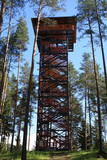 |
Atrodas 6,5 km ziemeļos no Cirgaļiem, P 23 ceļa malā, Ziemeļgaujas aizsargājamo ainavu apvidū. Torni vērts apmeklēt pavasara laikā, kad no tā redzamas applūdušas Gaujas palienes. |
|
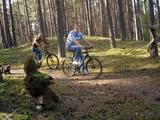 |
Brīvdienu mājas "Korķi” apkārtnes priežu mežā ir izveidota Jāņtarpiņu taka. Ideāla vieta aktīviem sēnotājiem un ogotājiem. Savukārt saules un jūras cienītāji pa šo taku 5-10 minūšu gājienā nonāks Vitrupes pludmalē, kur varēs baudīt sauļošanās un peldēšanās priekus.
|
|
 |
The farm breeds fallow deer and trout, grows vegetables and fruit. Visitors can see the deer and wild boar, taste berries and fruits directly from the garden, participate in creative workshops and cooking master classes called "Izgaršo dzīvi". The hostess combines the regional culinary heritage traditions of Kurzeme region and contemporary cuisine. The food is prepared on live fire, using the deer, trout and vegetables from the farm. The host is a winemaker who makes every bottle with great care. Guests can enjoy tastings and stories in the romantic wine cellar. |
|
 |
The fisherman’s homestead that is alongside the Kolka Lutheran Church offers a look at how fish are smoked and prepared. You can taste the fish and purchase fish that were caught in the sea (mostly plaice). |
|
 |
Astoņus kilometrus no Kroņauces, saimnieks izveidojis lielāko orhideju kolekciju Latvijā. Interesanti apskatīt arī eksotiskos dzīvniekus - iguānas, sarkanausainie bruņurupuči, pitons un šņācējtarakāni, kuri šeit atraduši mājvietu. Saimniecībā ir arī Šetlandes poniji, ar kuriem var jāt bērni.Piedāvā makšķerēšanu zivju dīķos un teltsvietas.
|
|
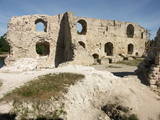 |
The ruins of the Koknese Castle are found where the Daugava and Pērse rivers flow together. The castle, which is on a floodplain, was built for the bishopric of Rīga in 1209, and it replaced an ancient Latvian castle that was made of wood. The castle was blown up by Saxon forces in 1701. A visitors centre is near the ruins, and there you can carve a Medieval coin or rent a boat to sail down the Daugava. Make sure to stroll through the Koknese park, which is alongside the ruins. |
|
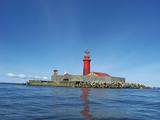 |
The Kolka lighthouse is on an artificial island which was created
between 1872 and 1875. The original lighthouse was made of wood, and
its light was first lit in June 1875. As the island settled into the sea, the
current tower was built. It began operations on July 1, 1884. Today the
lighthouse is six kilometres from Kolkasrags at the end of its sandy
shallows (back when it was built, it was just five kilometres away). The
island still has the building for the lighthouse supervisor, as well as
several outhouses. The metal lighthouse which is there now was built in
St Petersburg. It has been an automated lighthouse since 1979.
|
|
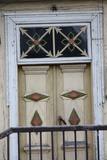 |
Ein schönes Holzhaus (Baznīcas ielā 7), gebaut 1670 an der sogenannten Venedig-Brücke in Kuldīga über den Fluss Alekšupīte. Auf dem Dach des Hauses befindet sich eine der ältesten und schönsten Windfahnen der Stadt. |
|
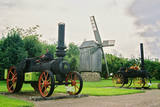 |
The museum is located near Tartu in Ülenurme manor estate, and takes pride in its unique collection of agricultural machinery and a comprehensive exhibition on agriculture and rural life in Estonia through the centuries. Other exhibitions cover beekeeping, vehicles of the past and the use of straw and birch bark. |
|
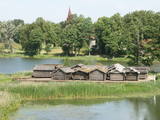 |
The Lake Castle of Āraiši is of pan-European importance. It is a reconstructed Lettigalian lake castle from the 9th or 10th century, and it is the only place in the Baltic States at which visitors can learn about how people lived more than 1,000 years ago. The castle offers various thematic events. |
|
 |
1996. g. atklātais piemineklis (tēlniece: A. Veinbaha) Dagdā (starp Asūnes un Rēzeknes ielām) ir piemiņas vieta komunisma terora upuriem. No šejienes paveras labs skats uz salām bagāto Dagdas ezeru. |
|
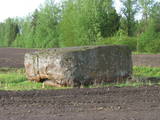 |
Rīgas - Daugavpils šosejas (A 6) 157. kilometrā skats jāpavērš Daugavas (rietumu) virzienā, kur cauri koku alejai klajā laukā 50 m attālumā no ceļa iegūlis Vaiķu akmens (7 m garš, 4,7 m plats un 1,7 m augsts). Akmens, kura tilpumu vērtē ~ 45 m³, pēc formas atgādina plakanu galdu. Nostāsti vēsta, ka to šeit atnesis velns. Kā jau šādiem akmeņiem „pienākas”, stāsta, ka te pusdienojis gan Krievijas cars Pēteris I, gan pats Napoleons. |
|
|
|
The restricted area was set up to protect Nesaule Hill, which is a forested hillock in the area and features boreal and damp forests.
|
|
|
|
Atrodas ~ 0,4 km no Latvijas – Lietuvas robežas, Sventājas ielejas labā krasta nogāzē. Atrodama informācija, ka avotu tīrot, atklājusies 5 x 5 m ozolkoka „grīda”. Avots ir labiekārtots – virs tā slejas lapene ar niedru jumtu. Vēl pavisam nesen pie tā auga Latvijas dižākā ieva (nolūza), kuras vietā tagad kuplo biezs atvašu pulks. |
|
 |
Piedāvā ļoti gardus Lietuviešu tradicionālos ēdienus. Var pieņemt līdz 140 personām. Ir āra terase un dzīvā mūzika. Pieņem bankas kartes, pieejama autostāvvieta. |
|
 |
The saloon is in the former home of the governor of the Koknese Estate. It is named after the Latvian author Rūdolfs Blaumanis, who studied at the estate and lived there for two years. There is an outdoor terrace, and it is possible to hold celebrations there. Latvian cuisine: Potato salad, herring salad, bean salad Valmiera salad, beef with onions, pork ribs, homemade steak haché, roast beef with horseradish sauce, baked liver, herring with cottage cheese, oatmeal dessert. Special foods: “Saloonkeeper’s slice”. |
|
 |
Located in Daugmale, surrounded by the waters of the Daugava. This special location allows the bees to harvest and bring high-quality honey that has been recognised several times in Latvian contests, as well as other beekeeping products. |
|
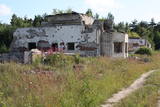 |
There are several partly preserved buildings here, but there is a lack of information as to what they were used for. The reason why the buildings are in such sad shape is that people have removed parts of them to use as building materials.
|
|
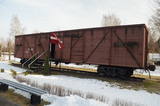 |
The wagon commemorates the 2,916 innocent people from Skrunda and the surrounding area who were deported to Siberia in cattle wagons. It is found at Stacijas Street 1 near the Skrunda railroad station. |
|


