
| No | Name | Description |
|---|---|---|
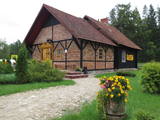 |
The “Kukaburra” café is located on the 115th km of the Riga-Veclaicene highway (A2). It is possible to see the Bread museum. Guests can take part in baking rye bread every weekend. The café has a Latvian interior and serves products from local farmers and home-based producers of ingredients. Latvian cuisine: Chicken liver salad, lamb soup, dumpling soup, cold soup, baked catfish, sautéed pork, potato pancakes, pancakes with jam cottage cheese buns, stacked rye bread. Special foods: Home baked rye bread. |
|
 |
Saimnieki piedāvā vietu, kur aizbraukt brīvā laika pavadīšanai, atpūtā ģimenei Kurzemē. Šeit viesiem ir iespēja aplūkot sākot no dažādu laiku lauksaimniecības tehnikas un darbarīkiem, līdz pat kara laika paliekām, kā arī dažādu laiku sadzīviskos priekšmetus. Katram priekšmetam seko arī stāsti, kas ir piedzīvoti vai tikai dzirdēti. Tāpat apmeklētājiem ir iespēja apskatīt mājas iemītniekus,kas ir veidoti ar pašu rokām. Asākām un patīkamākām sajūtām pieejama 350 metrus gara Baskāju taka. |
|
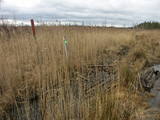 |
The part of the swamp which has mosses, not peat, is important for plover-type birds during nesting season, and goose-type birds during migration.
|
|
 |
The open-air pizzeria not far from Valmiera in Beverina district. It is an opportunity to spend time in the countryside, relax and take part in making real Italian pizza, where everyone has a chance to make a pizza according to one’s taste, baking it on open fire in a wooden stove. Available clear water and Italian wine, coffee and tea. Apart from pizzas, it is possible to buy tiramisu, having ordered it beforehand. |
|
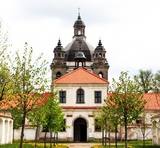 |
Ein hervorragendes Sakralensemble im Barockstil (17 – 18 Jh.), eine Kirche und ein tätiger Nonnenkloster. |
|
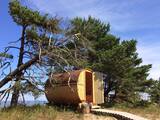 |
Happiness House (Laimes maja) is a recreation place situated in a very beautiful place on the seashore – on Cape Kolka. Here you will have a chance to relax, watch sunrises and sunsets, enjoy the sea, quiteness and peace. |
|
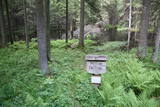 |
Ja apskatīta kodolraķešu bāze, tad var iziet 3,2 km garo Ploštines izziņas taku, kas sākas turpat netālu. Taka ved cauri dažādiem mežu tipiem, iepazīstinot ar sikspārņu būrīšiem (cilvēka radītas sikspārņu dzīves vietas), apkaimes augiem un putniem, kā arī aizsargājamu dabas pieminekli – Pileļu avotu (Pilelio šaltinis). |
|
 |
Meklējams Ostas ielas promenādes malā, 100 m ziemeļaustrumos no Ventspils Livonijas ordeņa pils. Veltīts jaunlatviešu kustības aizsācējam, publicistam un politiķim, kā arī pirmās Latvijas jūrskolas dibinātājam. Uz soliņa sēdošais Krišjānis ar savu skatu „pavada” katru ostā ienākošo izejošo kuģi. |
|
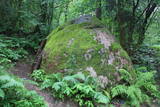 |
200 m attālumā no Gulbenes – Madonas ceļa mežainā nogāzē iegūlis 2,4 m augstais akmens. Tā lēzenajā virsmā iekalta ap metru gara, 0,3 m plata un ap 4 cm dziļa iedobe, bet akmens šķautnē - pakāpieni. Uzskata, ka šis ir sens kultakmens, pie kura ziedots. Lai nokļūtu līdz akmenim, vasaras otrajā pusē var nākties brist pa garu zāli. |
|
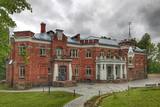 |
The construction of the state began in the early 20th century. The mansion was built of bricks and fieldstones between 1905 and 1911 in the styles of Historicism and Art Nouveau. The estate was owned by engineer and professor Stanislav Kerbedz from St Petersburg, the first Russian engineer to develop principles for the architectonic aspects of bridges. These were used during the latter half of the 19th century, and Kerbedz led the construction of the Nikolayev bridge across the Neva River in St Petersburg. Kerbedz’s wife, Yevgenia, was well known as a lover of art, and she brought various art objects to the estate from Italy. The Lūznava Estate was a popular place for gatherings of artists during the summers. Among those to visit was the distinguished Lithuanian painter and composer Mikalojus Čiurlionis. The estate is surrounded by a 23.7 ha landscape park with a system of ponds. Near the estate is a statue of the Madonna, which was carved by an unknown Italian artist. The statue was damaged and thrown into a pond during World War II, but it was restored in 1991. Reconstruction of the main building of the estate was complete in 2015, and today it is a modern and international centre for environmental education and the arts. |
|
 |
Spieķu darbnīca Siguldā aicina izdzīvot spieķa izgatavošanas procesu, kam ir vairāk kā 200 gadu sena vēsture. Darbnīcā ir iespējams pašiem apgleznot savu spieķīti, vai iededzināt rakstu zīmes un vārdus. Spieķīši ir atpazīstamākais un senākais Siguldas simbols, kas attīstījies līdz ar kņaza Kropotkina ierīkotajām senlejas takām, kļūstot par gājēja neatņemamu ceļabiedru. |
|
 |
This saloon is in a lovely place – the ancient Abava River valley between Kandava and Sabile. It is housed in an historical building with among the largest chimneys in the Baltic States. A camp for water tourists is alongside the saloon. Latvian cuisine: Chilled beet soup, dumpling soup, sorrel soup, sauerkraut soup, chicken livers, homemade steak haché, dried pork ribs, roast pork, grilled pork, potato pancakes with cream, crepes, herbal teas. Special foods: Cabbage stuffed with smoked meat, cottage cheese and onions. |
|
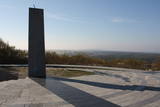 |
In der Umgebung von der 52 m hohen Parniddenen Düne sind die im 18. Jh. bei einem Holzeinschlag entstandene Wanderdünen zu sehen! Aussichtsplatz. |
|
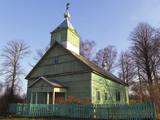 |
Guriliški Old-Believers Prayer House was built in the beginning
of the 20th century. It has a very old bell that was made in 1939.
|
|
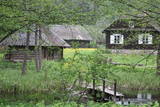 |
Salos, Vaišnoriškė, Strazdai, Šuminai sind die bewohnten Dörfe im Augštaitija- Nationalpark, in denen historische Einzelgehöfte mit Holzgebäuden erhalten sind. |
|
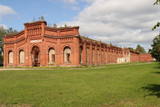 |
This building was erected in 1903 and 1904 to be used for military training, exercises and ceremonial events. An addition to the South of the building held a small church, but it is gone. The building was used for gymnastics performances and competitions for horseback riders. Official meals for the garrison’s sailors were held there, too – the hall could hold up to 3,000 people. Only the outer walls survive today, sad to say. You can view the exterior and interior of the hall at any time. This is the only building of its size and type in Latvia. The roof once had bands of glass tiles.
|
|
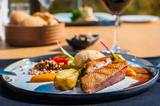 |
The restaurant is located in the first five-star hotel located outside the cities in Latvia, in a beautiful place with a story and a future - in Amatciems. Chefs use local, natural products to prepare meals and serve them with a contemporary interpretation and an emphasis on taste and quality. |
|
 6 days
|
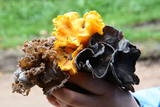
This is for people who enjoy forests, wildlife, local traditions and has a specific interest in the different species of funghi. Everyone could try their hand at mushrooming, identification and by the end of the day together with guide sort out the collected mushrooms. The tour passes several national parks and late back villages. The group will also visit to one of shitake mushroom growers for comparison reasons. |
|
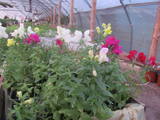 |
The farm grows and offers vegetables, annual and perennial flowers for gardens, as well as decorative bushes and trees. The owners will design gardens and other green areas, sell saplings and accept commissions for the growth of saplings. You can learn all about the secrets of growing decorative plants and receive advice from the owners. |
|
 2 days
|
Маршрут походит для любого путешественника, желающего насладиться красотой природы и средой Северного Курземе, где, кроме водных туристов, нет других людей. Ирбе за короткое время стала популярной рекой благодаря красивым береговым ландшафтам. Мест для ночлега здесь нет, поэтому необходимо взять с собой палатку и заночевать на какой-нибудь стоянке для водных туристов. Информация о маршруте от Latvijas Lauku forums |
|


