
| No | Name | Description |
|---|---|---|
 3 days
|
From Riga the route goes to the historic Estonian sea resort and then by ferry to Muhu island. On the way there is ethnographic village of Koguva, the Liiva church and the elegant Padaste Manor. Overnight at Muhu island. 28 km cycling there juniper fields, its small fishing villages, and the magnificent Juigu cliffs, which open up a view of the other small islands in the Monzunda archipelago. Then drive to Saaremaa and stay in Kuressare, the island's capital. There the rooute covers such attractions as Kaali meteorite crater, impressive Valjala church and castle mound, Piretikivi rock and Poide church. Cycle along the Tagameisa Peninsula, up to 30 km. Driving to the ferry take a loop along Viidumae National Park with its viewing tower, Kihelkonna Church, the Odaletsi streams and nature trail and the dolomite Panga cliffs. |
|
 |
Atrodas Riekstusalas pussalas galā. No tā labi pārskatāma aizaugušā Kaņiera ezera ziemeļu un austrumu daļa. Izcila putnu vērošanas vieta. Pie torņa atrodas viena no retajām Latvijas kadiķu audzēm. Turpat meklējams Kaņiera ezera niedru laipas (uz pontoniem) sākums. |
|
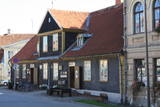 |
Painted in dark colours, this building dates back to the 17th century (the square around it is cited in documents). The city’s first prison was in the cellar of the building, and the square was historically a place for residents of the city could gather and suffer punishments. A pole of shame was at the south-eastern corner of the square. The building now houses the Kuldīga Tourism Information Centre and a workshop for weavers. Visitors can purchase products and souvenirs from Kurzeme and watch weavers at work. |
|
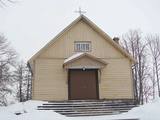 |
St. Virgin Mary Roman Catholic Church of Dukstigals. The
wooden church was burned down in the World War II and restored in 1947. The church has the icon of Our
Lady in the central altar and the statue of Our Lady.
|
|
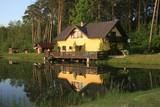 |
Recreation place "Kaupēna mill" is located near Tērvete, Zemgale region. In the pension there is hall for celebrations, there is a garden with grill. Free private parking is available for guests. The kitchenette is fully equipped with crockery and cutlery, and there is a microwave. Turkish bath and terrace. The guest house has 15 beds for overnight stays. Guests are also offered a holiday house "Paradise House". It is a fully equipped family house with kitchenette and 4 beds, pond view, barbecue and gazebo. Quality well / spring drinking water. "Egļu namiņš" - the house has 5 beds, anteroom, terrace. Barbecue with terrace, next to the pond, WC, showers. We also offer 3 camping houses. 4 beds in each cottage. Toilets and showers are shared. |
|
 |
Cheese farm Andre manufactures and sells globally renowned cheeses. Cows from happy farms give premium quality, delicious milk. Farm visitors can visit and see the cows, as well as watch the milking process. You can buy organic cheese and other organic local produce from small producers at the small farm store. |
|
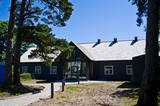 |
Livonian Community House at Kolka was opened in 2019. It is a place where you can get to know the Livonian culture of Northern Kurzeme, learn about traditional activities, listen to the sound of the language, and get an idea of the cultural and historical heritage of the coast. In House you can organize and attend cultural events, seminars, trainings, exhibitions, and also receive tourism information. |
|
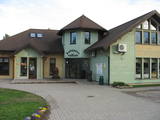 |
The café is on the banks of the Daugava River between Stukmaņi and Pļaviņas, offering a bakery, shop and café. There are dozens of types of bread, biscuits, tortes, cakes and other baked goods. Latvian cuisine: Dumpling or sorrel soup, farmer’s breakfast, eggs sunny side up, pork ribs, grey peas, potato pancakes with salmon, crepes, blackberry crème. Special foods: Liepkalni rye bread, bread kvass.
|
|
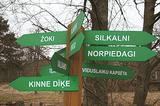 |
is seen as the newest village along the Livonian coastline. It was established during the 17th century. Košrags had 78 residents in 1826. The first reading school for Livonian children in the Dundaga seashore villages was opened at the Žoki homestead in 1832. One of the teachers was Nika Polmanis, who was the first Livonian to have completed a professional education. He also translated the Gospel of Matthew into the Eastern Livonian dialect. Košrags had a windmill, water mill and boat building facility. During the spring, job seekers from Saaremaa stopped here. A port was installed in 1932, and a breakwater to collect sea fertiliser followed in 1938. During the 1930s, Košrags was regularly visited by Finnish and Estonian linguists to study the folklore of the Livonians. The Norpiedagi homestead was built by Livonian activist Didriķis Volganskis (1884-1968). His son, Livonian cultural worker and pastor (in Finland) Edgars Vālgamā (Volganskis, 1912-2003) was born there. He translated the Andrejs Pumpurs epic "Lāčplēsis" into Finnish. Košrags today is a cultural monument of national importance. |
|
 |
Maizes un konditorejas izstrādājumu ceptuve “Re:Maize” gatavo kvalitatīvus produktus, kas ir ne tikai vizuāli pievilcīgi un garšīgi, bet arī ilgtspējīgi un organismam veselīgi. Nosaukums “Re:Maize” ietver sevī ilgtspējības filozofijas principus un to var definēt kā renovāciju kulinārijā. Tas saskan ar cirkulāras ekonomikas principu definīciju - “Raw to recycling”, kas šajā gadījumā pamatā attiecināms uz maizes un mīklas izstrādājumu ražošanu un patēriņu. Latviskojot šo filozofiju, izvēlēts sauklis, kuru izmanto uzrakstā uz izkārtnes un citos materiālos – «Rūpēs par ēdienu», kas pēc saimnieces domām pilnībā atbilst uzņēmuma principiem un ir saprotams arī viesiem. Re:Maize piedāvā katru dienu svaigi ceptu maizi un konditorejas izstrādājumus līdzņemšanai vai baudīšanai uz vietas, kafiju, vīnus un Straupes piena produkciju. Tiek piedāvātas arī meistarklases - praktiskas klientu apmācības par Zero waste principiem. |
|
 3 days
|
The Suiti are a community with among the most colourful and unique cultural traditions in Kurzeme and Latvia. This was confirmed on October 1, 2009, when the cultural territory of the Suiti was included in the UNESCO list of global intangible cultural heritage, thus indicating that the traditions must be preserved. The Suiti territory is also on the list of folk traditions that is part of the Latvian Cultural Canon. Manifestations of this intangible cultural heritage include traditional festivals, habits, oral traditions, traditional singing and musical skills, folk costumes and culinary traditions. Since 2009, the Suiti community has been undergoing a renaissance, with people actively working to restore traditions and ensure their sustainability and promotion at the local, national and international level. The survival of the cultural territory is in the hands of the Suiti themselves, and this is closely linked to the practices and the creativity of community representatives. The Suiti believe the development of tourism in their area to be of great importance in this. This means emphasising a niche in cultural tourism that is based on the broader promotion of the unique cultural heritage of the Suiti. |
|
 2 days
|
Here you will learn about home-based manufacturers, farms, companies and others in Latgale that produce various dairy products such as milk, yogurt, cottage cheese, cheese, ice cream, etc. Start in Preiļi, which is known as Latvia’s cheese capital. The route passes along the Teiči nature reserve, with a viewing tower at the side of the road, also crossing Lubāna wetlands, which are of European importance for environmental protection. Drive on to Rēzekne (churches, a monument to Māra of Latgale, “Gors,” “Zeimuļš”, etc.). Nature lovers will love the Rāzna National Park with Lake Rāzna, Mākoņkalns hill and the master ceramicist Evalds Vasiļevskis. From Dagda, head to Aglona, which is a centre for Roman Catholic worshippers, and Lake Rušons before returning to your starting point. |
|
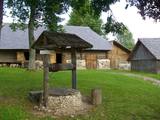 |
This is a unique open-air museum in South Estonia with displays on farming and school life in the late 19th and early 20th centuries. Its 5 ha grounds comprise a school, a court and a poorhouse with outbuildings, a communal granary, dwelling houses, and a Dutch windmill. Farm tools and machinery are also displayed. |
|
 7 days
|
The tour from Riga to Tallinn combines natural and cultural heritage and includes lovely landscapes and 15 nature trails which cross marshlands, meadows and forests along the shores of the Baltic Sea, including several protected nature reserves. Many trails are equipped with viewing towers for birdwatching. Randu meadows near Ainazi contains one third of Latvia's entire plant species. A boardwalk leads through reeds to a viewing platform with views over the meadow and the sea. Saaremaa island is interesting with very different natural attractions to the mainland - dolomite cliffs, juniper heaths, a meteorite lake and rocky sea shore. The tour passes rural farms and traditional villages typical of the coastal areas. Hiiumaa island is a laid back place and retains a very Estonian atmosphere with an important bird reserve at Kaina Bay, unusual Saare Tirp as well as several small islets off its south-eastern coast. Back on the mainland, Paldiski peninsula gives a glimpse of the recent history with its former Soviet military base. |
|
 |
Lauku mājā "Celmiņi" iespējams dzirdēt farmaceites Valentīnas Dāboliņas stāstus par veselību stiprinošiem ārstniecības augiem. Tiek piedāvāta augu atpazīšana un tēju vākšana, kā arī tēju degustācija un iegāde. |
|
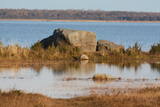 |
Trīs lielāka izmēra laukakmeņi – aizsargājami dabas pieminekļi, kas atrodas Matsalu līča krastā starp Sāstnas (Saastna) un Metskjulas (Metsküla) ciemiem. Tuvējā ceļa malā ir izvietots informācijas stends un norādes, bet līdz akmeņiem var nokļūt pa iezīmētu taku. Pēc kāda tautas nostāsta, lielas vētras laikā, kas notikusi Jaungada naktī, lielais akmens sašķēlies trīs daļās. No tā arī cēlies vietvārds. Apkārtnē redzamās pļavas ir nozīmīga daudzu augu sugu dzīves vide un svarīga putnu ligzdošanas un atpūtas vieta. Šī iemesla dēļ taku drīkst apmeklēt tikai no 1. jūlija līdz septembra beigām. Akmeņi ir arī labi redzami no minētā ceļa. Tie ar ledāju atceļojuši no Turku (Somija) apkārtnes. |
|
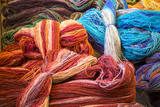 |
This is the only factory in Latvia that offers the full processing of wool, and it has been open since the late 19th century. There is a workshop in Dundaga where woollen blankets and pillows are sewn. |
|
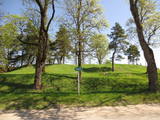 |
Is an ancient Courlandian castle hill and is found in the very centre of Alsunga. It was named in 1659 when General Berg from Kurzeme put cannons on it to attack Swedish forces that had fortified themselves in the Alsunga castle. The hill is 8 to 10 metres high and 24 x 54 metres wide, offering a lovely view of the St Michael Roman Catholic Church, as well as the Alsunga windmill lake that is alongside it. There is a distinct terrace around the hill, and it once was the foundation of wooden defensive structures. On the other side of the street, to the West of the castle hill, is a cemetery with fire graves of Courlandians that date back to the 11th to 13th century. Archaeologists examined the area during the middle part of the last century. The Suiti celebrate Easter and other holidays on the hill. |
|
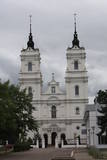 |
Atrodas t.s. Baznīcu kalnā - A. Pumpura ielā 11 a. Varenais neobaroka stilā celtais dievnamu tapis 1905. g. Pastāv viedoklis, ka par šīs baznīcas prototipu izmantotas Aglonas vai Krāslavas bazilikas, kā arī Rietumeiropas baznīcu paraugi. Tās interjeru rotā divstāvīgs altāris, kurā novietota spāņu gleznotāja B. E. Muriljo pazīstamās gleznas “Svētā Dievmāte” kopija. 1909. g. baznīcā uzstādīja poļu meistara Ādolfa Hofmana būvētās ērģeles.No būvniecības laika saglabājusies arī pārējā baznīcas iekārta. |
|
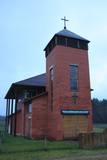 |
Atrodas 2,5 km no Bārtas centra, Bārtas upes labajā krastā. Mūsdienīgais dievnams tapis 2002. gadā (arhitekte: A. Siliņa). |
|


