
| Нo | Название | Описание |
|---|---|---|
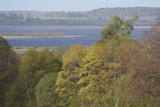 |
Nature restricted area includes eastern side of the lake with Lanupe River and North-east and South-east coastal areas. Restricted area has been established for protection of birds and floodplain meadows of the lake. To see the nature restricted area visitors do not have to enter it. There are great view points with wind generators of Grobina on the background from the road Vecpils – Rava – Aistere. Coastal areas which are not included in the restricted area are perfectly suitable for bird watching. There is located the smallest city by its population in Latvia to the South from the lake.
|
|
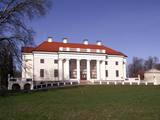 |
Пейзажный парк усадьбы Пакруойис, чья структура сохранилась до наших дней, был разбит в 1850–1860 гг. С одной стороны естественную границу территории образует полоса запруженной реки Круойи, а с другой парк обнесен оградой из диких валунов. Согласно популярной в те времена английской схеме формирования парков преимущество отдавалось дикой природе и имитации естественности. В парке растет около 26 наименований деревьев, среди которых можно найти и редчайшие растения из различных уголков мира, привезенные сюда более сотни лет назад. |
|
 |
АО «Прейлю сиерс» является крупнейшим производителем сыра в Латвии, экспортирующим ~ 90 % сыра. В магазине „Preilis”, расположенном недалеко от производства по адресу ул. Даугавпилс 66a, в продаже имеется самый широкий ассортимент продукции АО «Прейлю сиерс». Дегустацию прейльского сыра и просмотр фильма предлагают также в бистро „Preilene” по адресу Прейли, ул. Резекнес 15. В Прейли находится единственный памятник сыру в Латвии (во всем мире только несколько таких). Также в городе можно увидеть шесть сырных скульптур. Прейли называют латвийской столицей сыра. |
|
 |
The forest covered area formed to protect tort protected plant species as yew-tree etc. Territory is not suitable for visitors as visitor without environmental knowledge will see “regular” forest.
|
|
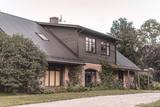 |
The guest house is located near Ventspils, surrounded by meadows and forests, and offers to enjoy the peace and charm of the countryside. The guest house offers accommodation in 7 comfortable and cozy en suite rooms, relaxation in the sauna and a refreshing swim in the pool. There are also 3 camping houses on the territory of the guest house, where you can spend the night in the summer season. Next to the cottages there are comfortable, common toilet and shower rooms. For more active entertainment, there is a volleyball court next to the guest house, which meets all standards, as well as a children's playground, campfire sites and gazebos. The guest house offers free Wi-Fi and parking. Next to the guest house there are two swimming areas - a pond and a small river. |
|
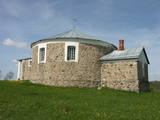 |
This chapel is interesting in form and made of field stones. It was built in the 19th century and is not open to the public. |
|
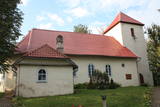 |
Celta ~ 1560. g. vietā, kur agrāk atradusies Sakas osta. Dievnamā apskatāms > 170 gadus vecs kuģa modelis. Vietējie ticēja, kas tas aizsargā jūrniekus un bojāejas. Šāda tradīcija Latvijā ir novērojama tikai dažās baznīcās. Baznīcu var apskatīt arī no iekšpuses. |
|
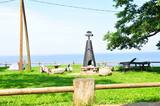 |
Кемпинг «Klintis» на самом берегу моря у скал Вецземью предлагает парковку, палатки и места для пикника со скамейками, столиками, грилем, возможность купить дрова. Для гостей кемпинга есть хорошо оборудованные кемпинговые домики, места для отдыхающих, душевые и туалеты. На территории кемпинга есть ресторан Rankuļrags и летнее кафе. Для юных гостей оборудована игровая площадка. |
|
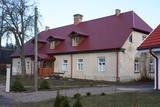 |
Имение, принадлежащее роду баронов Остен – Сакен, отстроено в 1856 - 1857 гг., потому что прежняя господская усадьба была разорена во время Крымской войны (1853 - 1856). Оказывается, что в начале упомянутой войны английские корабли с целью устрашения Российского царя обстреляли латвийское побережье и корабли, в том числе и Колку, которая в то время входила в состав Российской империи. После разрушения господской усадьбы на ее месте построили так называемый Белый дом с хозяйственными постройками. На втором этаже дома построили очаг для копчения дичи (сохранился до наших дней). В собственности дворян поместье находилось до 1919 года, когда его последнего владельца Кристиана фон Остен – Сакена застрелили в Тукумсе. В 1929 году в Белом доме разместилась начальная школа, которую в дальнейшем назвали Колкской школой. Школа действовала до 1961 года (была построена новая школа), а с 1989 г. в здании проводились уроки трудового обучения. В то время здание называют Старой или Маленькой школой. С 1991 года Колкская Старая школа является собственностью факультета биологии Латвийского университета, где ежегодно (с 1994 года) проходит летняя практика студентов. |
|
 |
Pirmo reizi vēstures avotos 1253. g. šī vieta ir minēta kā kuršu apdzīvota apmetne. Laikā no 1637. – 1639. g. te uzcēla pirmās 19 kapelas – t.s. „Krusta ceļa stacijas", kas atgādināja Jeruzalemes Krusta ceļu. Kopš tā laika Žemaišu Kalvarija ir pazīstama kā nozīmīgs svētceļnieku galamērķis. Dažas no Krusta ceļa kapelām ir veidotas 17. – 18 gs., bet citas – 19. gs. Jāatceras, ka vēl pavisam nesen – Padomju laikos svētceļniekus nežēlīgi vajāja un represēja. Mūsdienās pilsētā ir izveidots 21 svētceļnieku „pieturas punkts". Te ik gadu (parasti no 2. – 12. jūlijam) notiek Žemaišu Kalvarijas katoļu draudzes svētki, kas pulcina daudz ļaužu no dažādām Eiropas valstīm. Iespaidīgā katoļu bazilika ir slavena ar Vissvētākās Jaunavas Marijas Katoļu Ģimeņu Karalienes gleznu, kas 17. gs. atvesta no Romas. Tai piedēvē brīnumdarītājas spējas. Interesants ir pilsētas ielu tīklojums, kas atgādina 9. – 13. gs. apdzīvotas vietas ielu plānojumu. Noteikti apskatāms iespaidīgais Žemaišu Kalvarijas pilskalns, kas slejas mazās Varduvas (Varduva) upītes krastā. |
|
 |
Место, где согласно доступной информации находилась лаборатория по испытанию авиационных двигателей, предназначенных для военных целей. В наше время свидетельств тому нет, так как это индустриальная и недоступная территория.
|
|
 |
Piedāvā ļoti gardus Lietuviešu tradicionālos ēdienus. Var pieņemt līdz 1000 personām.Pieņem bankas kartes, ir āra terase, dzīvā mūzika kā arī autostāvvieta. |
|
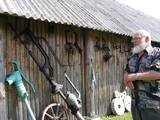 |
At a lovely place in the Gauja National Park in the Vaidava Parish, guests can examine ancient tools, mechanisms and household objects. Guides will talk about how these various items were used. There is a guesthouse for overnight accommodations, and there is room for tents and picnics.
|
|
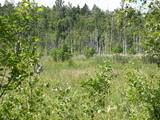 |
This swampy territory used to be part of a Littorena Sea lagoon, and it is a place where many rare and protected birds such as woodpeckers live and nest. Territory is hard to reach although some of the territory can be surveyed from the Tukums-Kolka road. Wet meadows is called "lankas" in Kurzeme region. |
|
 |
Divstāvīgs skatu tornis pie Laikjula (Laiküla) – Hāpsalu ceļa, no kuras paveras plaša ainava uz Matsalu līcī ietekošo upīšu palieņu pļavām. Te var vērot migrējošās dzērves un zosis, bet pavasaros varbūt laimēsies redzēt vai dzirdēt ķikutu Gallinago media. Viens no retajiem torņiem, kas ir pielāgots cilvēkiem ar īpašām vajadzībām. |
|
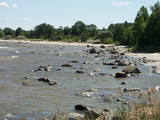 |
This is a trail for hikers and bird-watchers, located in a very interesting place on the shore of the Bay of Rīga near Kaltene. The visitor will see small inlets and capes and a rocky or overgrown shore. At the end of the trail there is a bird-watching tower. During the spring and autumn migrations of birds, the visitor will see a great many different kinds of birds in the area – geese, plovers, etc. The length of the track is a bit more than one kilometre, and it will take 20 minutes to an hour to cover.
|
|
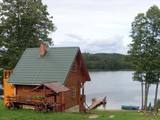 |
Lauku māja atrodas Alksnis ezera krastā Aukštaitijas nacionālajā parkā. Ezers ir savienots ar pārējiem ezeriem, kas iekļaujas šinī parkā. Šī vieta ļoti piemērota makšķerniekiem un tiem, kuriem patīk baudīt mieru. Plaša viesistaba ar kamīnu, 2 guļamistabas, atsevišķs pirts namiņš, vieta ugunskuram, laivas nomai. |
|
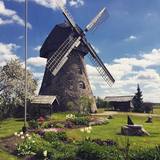 |
Находится в самом высоком месте, с красивым видом на окрестности. Одна из редких ветряных мельниц голландского типа в Латвии (1852 г.), которая находится в рабочем состоянии. Предлагают попробовать руку в помоле зерна. Каждый год в последнее воскресенье июля отмечают праздник Екаба – праздник молодого ржаного хлеба. Латышская кухня: Обед мельника - каша из ячменной муки с мясным соусом, тонкие блины, кефир, травяные чаи. |
|
 |
Находится в 130 м от Берзкрогского перекрестка (напротив АЗС Statoil). Поддерживает сотрудничество с местными производителями, продукты которых можно попробовать и купить (в т.ч. сувениры) на месте. Латышская кухня: Серый горох с салом, крупяная каша. |
|
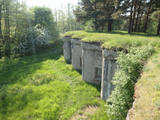 |
Redāns ir 19. gadsimta beigās celtā Liepājas Jūras cietokšņa daļa, kur notikušas Latvijai nozīmīgas cīņas. Lai gan uzbūvētie nocietinājumi ap Karostu tika atzīti par stratēģisku kļūdu un vairums no tiem saspridzināti, Redāns palicis teju neskarts. Tā ir arī vienīgā nocietinājuma daļa, kur notikusi reāla karadarbība.Par liecina ložu šautie caurumi sienās. 1919. gada 14. novembrī šeit notika brīvības cīņas par neatkarīgu Latviju, aizstāvot Liepāju pret Bermonta karaspēku. 14. novembra rītā, pārejot aizsalušo Tosmares ezeru, bermontiešu kājnieki ieņēma Redānu. Taču dažu stundu laikā liepājnieki veica niknu pretuzbrukumu, un vāciešiem nācās atkāpties. Jūnijā, jūlijā un augustā katru dienu plkst. 11.00–17.00 pie Redāna gaidīs zinošs gids, kas būs gatavs pastāstīt vairāk par Liepājas cietoksni un vēsturiskajiem notikumiem Karostā. Cena – 2 EUR no personas. |
|


