
| No | Name | Description |
|---|---|---|
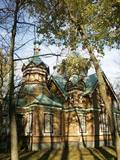 |
Located at 1 Katedrāles Street. The oldest church in Ķemeri was built in 1893 in the style of the wooden churches of the Northern Russia. (Architect V. Lunskis). Near the church, there are buried 97 Russian soldiers killed in World War I for whom in 1925, a monument was unveiled-a black marble cross. Not far from the church you can find the Brethren's Cemetery and a monument to the Soviet soldiers who died from the wounds in World War II and after the war. This is the oldest church in Ķemeri. According to legends, it is built without a single nail. You can see the church during the worship but the visitors must be appropriately dressed! During the rest of the time, the building can be viewed from the outside. |
|
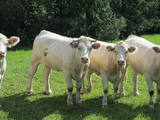 |
The farm produces vegetables, medicinal plants and honey. You can look at Charolais cattle and buy products. The lady of the house will talk about her experience in relation to her farm and biological farms that are in the neighbourhood. |
|
 |
Торговый канал, протяженностью неполных 3 км, в советское время являлся закрытой зоной со статусом режима приграничного района. Лиепайский порт был известен еще в XIV столетии. В конце XVII века здесь выкопали канал, который соединил море с Лиепайским озером - теперешний Торговый канал. Заканчивается он Зимним портом и двумя молами, из которых Южный мол служит излюбленным местом для прогулок и рыбалки. В южной части Торгового канала тянется Променад, на котором установлены Янтарные часы. |
|
 |
Elkas kalna saimniecība is located on the top of the scenic Elkas Hill, the place where the Gauja begins. Herbal teas, birch sap, jams and other healthy delicacies from local meadows and home-grown plants. There are also nature workshops, open-air picnic areas. |
|
 |
Pilsētā nebija lielu rūpniecības uzņēmumu, un tās iedzīvotāji
nodarbojās galvenokārt ar amatniecību, tirdzniecību un lauksaimniecību.
Ilūkste tika pilnībā nopostīta 1. pasaules kara laikā un smagi cieta arī
2. pasaules kara laikā. Šodien Ilūkste ir klusa pierobežas mazpilsēta, ko
ieskauj gleznains dabas apvidus. Apskates objekti: bijušā jezuītu klostera ēka
un Ilūkstes katoļu baznīca.
|
|
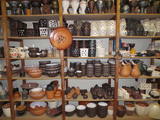 |
This old brickmaking kiln is used to prepare clay that is used by many ceramics artists. The owners also produce handmade household and design objects. Tours are available with attractive stories and creative workshops. Individual orders are also accepted. |
|
|
|
Only indirect evidence of the former tank base that was here is still available (see the story).
|
|
 |
The beautiful wooden building, located right at the entrance of Gulbene, provides a place for guests to have a meal, enjoying the perfect atmosphere for relaxation and well-being. Home cooking and Latvian dishes. |
|
 |
Organically grown herbs, evenings round the campfire, food cooked according to special recipes. Energia farm grows medicinal plants, offers goods and services related to herbs and positive energy. |
|
 |
The café is in the Oga shopping centre, offering cheeses that are the “business card” of the city. |
|
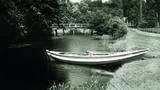 |
The River Ķīšupe (length – 31 km) begins its journey in the marshlands of Lēdurga Parish. As the river reaches the seashore, its bed and the location of its mouth often changes. One of the tributaries of the Ķīšupe carries a rather interesting name – Pupaļurga. The name of the River Ķīšupe probably comes from the name of a man and his house. In the 17th century a man named Ķīsis (in English: ruffe) used to live by the river. |
|
 |
SIA Mikaitas is a family company that was established in 2005 and breeds purebred sheep. It provides seed for other herds to breed fast-growing lambs with excellent taste. The farm breeds the Oxforddown breed of sheep and sells lambs of various ages, breeding sheep and rams, yarn, wool products, processed sheepskin, sheep, mutton and various meat products. |
|
 |
The café welcomes guests with healthy, local, ecologically clean food. Here you can also get acquainted with cultural heritage, learn various legends, as well as purchase snacks and souvenirs. |
|
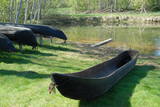 |
The Vienkoči Park features one-log objects manufactured by its originator. You can examine mock-ups of the Nurmiži Castle and other buildings including the Sand House, and you can also take part in thematic events. Men can produce equipment to drain birch juice from trees, wile women can try their hand at jewellery making from natural materials. People manufactured one-log objects during the Mesolithic Era, and one-log boats have been used since the 9th century (several of them can be seen at the park). |
|
 |
Mazs vietējais uzņēmums, kas ražo dažādus gardumus no ogām, augļiem un dārzeņiem. Interesenti tiek aicināti iegriezties ražotnē, lai iegādātos dažādus interesantus saldumus vai nobaudītu pašu gatavotu saldējumu. Iepriekš piesakoties, draugu grupām, ģimenēm u.c. kolektīviem ir iespējams piedalīties produktu degustācijās vai meistarklasēs. |
|
 |
Silmači ir neliela ģimenes saimniecība, kur no pašu kazu piena top dažādi kazas piena sieri. Siera gatavošana apgūta pakāpeniski – apvienojot vietējās lauku sētas tradīcijas ar zināšanām un pieredzi, kas gūta, pētot un mācoties gan Latvijā, gan ārpus tās. SieriDažādi kazas piena sieri – no svaigiem un maigiem līdz izteiksmīgiem, kūpinātiem un ilgi nogatavinātiem cietajiem sieriem. Piedāvājumā ir gan klasiskie svaigie sieri, gan sieri ar garšaugiem, kā arī kūpināti sieri ar bagātīgu garšu. Kā top siersSiers top no kvalitatīva kazas piena, kas nāk gan no pašu ganāmpulka, gan no uzticama vietējā piena ražotāja. Kazas tiek audzētas lauku vidē un barotas ar dabīgu, pašu sagatavotu barību, kas tieši ietekmē piena garšu un kvalitāti. Siers tiek gatavots no svaiga piena, rūpīgi kontrolējot katru soli – no slaukšanas līdz nogatavināšanai. Katrs siers top ar rokām, ļaujot pienam saglabāt savu dabisko raksturu un pārtapt izteiksmīgā, niansētā garšā. Svaigie sieri tiek gatavoti pēc vienkāršām, paaudzēs mantotām metodēm, savukārt puscietie un cietie sieri top, iedvesmojoties no senām itāļu un pat Senās Romas laiku receptēm, piešķirot tiem savu raksturu un garšu. ApmeklētājiemIespējams iepazīt kazu saimniecību un siera tapšanas stāstu no pirmavota. Sezonā no aprīļa līdz oktobrim var piedalīties degustācijās, nogaršojot dažādus kazas piena sierus un citus saimniecībā radītos produktus. Apmeklētāji var satikt kaziņas un kazlēnus, uzzināt vairāk par to ikdienu, dzirdēt saimniecības stāstus un kuriozus, kā arī nesteidzīgi izbaudīt lauku vidi. Mazākajiem viesiem pieejams rotaļu laukums. Tiek piedāvātas arī meistarklases nelielām grupām – no kazas pupa līdz galdam, ļaujot izsekot visam siera, sviesta, biezpiena tapšanas ceļam. Kur iegādāties sierusSaimniecībā uz vietas. Piegāde maršrutā Gulbene–Sigulda–Rīga–Ādaži, kur produktus var saņemt, iepriekš pasūtot. Gulbenes Zaļajā tirdziņā un Slow Food Straupe tirdziņā. |
|
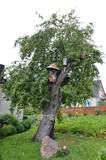 |
The oldest apple tree in Lithuania is a forest apple tree and is part of the country's botanical heritage and the only protected apple tree in Lithuania. |
|
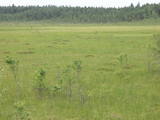 |
Dabas liegums veidots salīdzinoši neliela pārejas tipa purva aizsardzībai. Purvu lieliski var pārredzēt no nelielā skatu torņa.
|
|
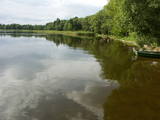 |
Ar mežiem, purviem un ezeriem (Riču, Sila u.c.) bagāta teritorija Latvijas - Baltkrievijas pierobežā. Galvenās aizsargājamās dabas vērtības - dažāda veida purvu, mežu un ezeru biotopi un tajos mītošās augu un dzīvnieku sugas. Ezeru krastos, kurus iecienījuši vietējie atpūtnieki, atrodas vairākas naktsmītnes. Ilgas muiža (celta 19. gs. kā medību pils) ir Daugavpils Universitātes studentu prakses vieta. Silenes dabas parkā ietilpst arī Glušonkas purva un Ilgas dabas liegumi.
|
|
 |
The farm has a garden with medicinal plants and herbs, and a collection of vegetables and decorative plants used in cooking. Guided walks can be supplemented with delicious herb teas and herb pies if booked in advance. The farm shop has a vast selection of preserves of berries, vegetables, herbs, herb teas and herb mixes. |
|


