
| No | Name | Description |
|---|---|---|
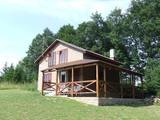 |
Atrodas ezera krastā, netālu mežs. Vieta kā radīta, lai paceptu gaļu, pamētātu bumbu grozā, pasauļotos vai pašūpotos šūpolēs. Tiem, kam patīk nakņot teltī, ezera krastā izveidotas 3 atsevišķas vietas teltīm mierīgai atpūtai. Ugunskura vieta, tiltiņš pāri ezeram, elektrība. Makšķerēšana, ogošana, sēņošana, vēžošana. Aktivitātēm brīvā dabā - bērnu rotaļu laukums, laivas, ūdens velosipēds, siltuma mīļotājiem - pirts. Laipni gaidīti arī ziemā uz slēpošanu un slidošanu. Atgriežoties no āra, gaidīs silta mājiņa un kamīnā kursies uguns. Saimniecībā ir bites, tāpēc medu varēsiet nobaudīt pa taisno no stropa medus kārē. Pieejams "stropa" namiņš, kurš speciāli aprīkota ar bišu stropu klimatu, lai sajustu tā pozitīvo ietekmi uz ķermeni un garu! |
|
 3 days
|
This tour will take you exploring the peculiar island of Rusnė and the delta of the river Nemunas in Lithuania. The island of Rusnė in the Nemunas Delta Regional Park is enclosed by waters of the river Nemunas and its tributaries. It is a resting place for migratory birds and home to a cormorant colony. The area of the island is 45 km2 and it is connected to the mainland by a bridge. The island of Rusnė is the lowest place in Lithuania, lying below sea level. The historic centre of the town Rusnė is characteristic of authentic wooden architecture, buildings painted in bright colours, colourful window shutters and decorations. The Baltic Coastal Hiking Route leads through the small town of Šilutė, revealing architecture that was once common to East Prussia. From Šilutė to Kintai, the Baltic Coastal Hiking Route runs along a low plain. To protect this area from flood waters of Nemunas, there is a system of dams, polders and canals established. After crossing the river Minija, the route invites you to visit the ethnographic village of Minija. Here you can enjoy the lowland landscape of the seaside region with vast wetlands and ponds. |
|
 |
This is a site where you can try out ancient weapons – bows and crossbows (a reproduction of items from the 14th and 15th century), throwing an axe (replicas of German axes from the 13th century), and spears. Once you’ve learned how to handle those weapons, you can also forge a copy of a Medieval coin. You can try on copies of armoured caps and gloves and have your picture taken with a sword or battle axe. For larger groups, the enterprise will organise ancient sports and table games.
|
|
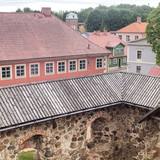 |
It is believed that at the Kezberkalnins of Limbazi has been Lemisele castle of Metsepole Liv district. It is also found in the reports that merchants travelled to this place from the sea by Svētupe and Dunezers until the 16th century. In 1223 Bishop Albert built a stone castle in Limbazi. Like Valmiera, Limbazi became the member of Hanseatic League. At the beginning of 16th century it economic role declined significantly since Svētupe and Dunezers became unusable for shipping. Between the 16th and 18th centuries, the town and its people suffered from wars, diseases and fires. As a result, the population reached its utmost fall - eight people. In the turn of 19th and 20th century and in the beginning of 20th century the economic life of the town was renewed. |
|
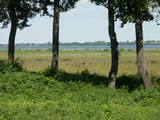 |
There are three large lakes at the centre of this park – Lake Dusia, Lake Metelys, and Lake Obelija. Lake Dusia has very clear and transparent water, and its southern and south-eastern beaches are popular among swimmers. The lakes and their nearby wetlands are important during the migration season of birds.
|
|
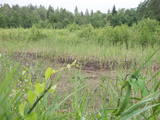 |
Mud ponds for regeneration are used by
the spa and the rehabilitation centre. The mud
is purified from biological additives over the
course of a longer period of time, after which it
can once again be used for the famous
treatments offered at Ķemeri.
|
|
 |
This is a cemetery that was originated in the Middle Ages and used until the beginning of the 20th century. A mossy stone fence surrounds the cemetery. Interesting elements in the cemetery include the grave of Heinrihs Jakobsons (1832-1911), who was the first schoolteacher in Mazirbe (the old metal cross is to the left of the main gate), a pine tree of national importance and has a circumference of 3.17 metres (during the Soviet Union someone drilled a hole in the trunk of the tree to access honey), the grave of Niks Freimanis (1845-1908), who is said to have been the prototype for a character in a story and play by Marģers Zariņš, and the Werewolf Grave, which relates to countless ghost stories, including the claim that it is the only known gravesite of a werewolf in Latvia. |
|
 |
The saloon is on the edge of the Murjāņi-Valka road (A3) in a two-story log building with a terrace. The interior design of Mazais Ansis fits the aura of a massive wooden structure and it is possible to look at old times’ instruments, household goods and harnesses. There is also a very valuable wooden wheel, which is one of the very few in Latvia. The saloon offers a sauna, a location for campfires and a children’s playground. It works with local farmers and manufacturers. Latvian cuisine: Valmiera salad, boiled tongue, grey peas, farmer’s breakfast, cold soup, filet of pike, roast lamb, grilled pork, stacked rye bread, strawberry crème with jam, rye bread, herbal teas. Special foods: Beef filet with potato pancakes. |
|
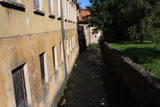 |
This is a unique small town in a certain sense, and it is the only one in the Baltic States which has remained in place since the 17th and 18th century. The town is around the small Alekšupīte River, and in some places the stream runs along the walls of the buildings. Because of this fact and the many bridges that are in town, Kuldīga has become known as “the Venice of Latvia.” Baznīcas, Liepājas, Kalna and other streets are full of interesting cultural monuments. |
|
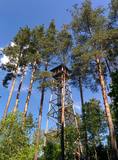 |
Uzcelts apkaimes augstākajā vietā – Ančupānu meža kalnā, kuru vietējie dēvē par „Bāku”. No 26 m augstā torņa redzama ļoti plaša panorāma ar Rēzeknes pilsētas namiem, baznīcu torņiem un apkaimes mežu masīviem, kas mijas ar lauksaimniecībā izmantojamām zemēm. Blakus tornim – atpūtas vieta. |
|
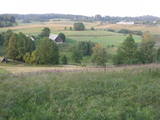 |
This restricted area protects the highest hillock in the Alūksne highlands – Dēliņkalns Hill – as well as the biotopes on its hillsides. The local landscape is also protected. Downhill ski trails are on the mountain, and its southern side offers lovely views.
|
|
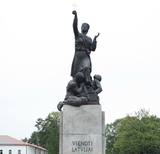 |
Located in the centre of Atbrīvošanas Alley, this statue is a monument to the liberation of Latgale and the unity of Latvia and is officially called “Unified for Latvia.” The bronze monument was unveiled in 1939 (sculptor K. Jansons, designer L. Tomačisks). In 1940, the Soviet regime tried to destroy the monument, but it was restored in August 1943. A second attempt to destroy the monument occurred in June 1950, and this time the process was successful. After the restoration of Latvia’s independence, “Māra of Latgale” was installed for a third time on August 3, 1992, sculpted by the son of K. Jansons, A. Jansons, on the basis of old designs. “Māra of Latgale” is one of the best examples of monumental sculpture in Latvia. Latvian mythology personifies the goddess Māra as a provider of fertility for earth and a protection of life. The cross that is part of the ensemble is a symbol of the Christian faith. |
|
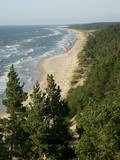 |
Construction on the lighthouse was initially completed in 1879. The structure suffered damage during both world wars and was restored several times. The structure is 19 metres high and stands 46.5 metres above the wavy sea. Here you will find one of the loveliest views of the shores of the Baltic Sea.
|
|
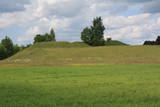 |
This is one of comparatively few castle hills along the banks of the Daugava River that is not overgrown with trees and bushes, which means that it has a classical castle hill form that is part of the local landscape. The Dignāja castle hill was settled during several periods, particularly between the 5th and the 9th century AD, when it was an important centre. Archaeologists have found that Lettigalian tribes lived here. After the Holy Crusade invasion, the Livonian Order built a castle on the hill that has not survived. It is said that there was once an underground passageway under the hill. The hill itself offers a lovely view of the Daugava River valley. World War I trenches have been preserved the area. There was once a settlement at the foot of the hill. |
|
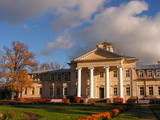 |
The Krimulda Estate was first recorded in documents in the 15th century. The Krimulda Castle that can be seen now is on the right bank of the ancient Gauja River valley opposite the aerial tram. There are outstanding views of the ancient river valley from the castle and the opposite shore. The Krimulda Castle is a Neo-Classical structure which was built by a local nobleman in the 19th century. In the 1920s, the castle was expropriated and turned over to the Latvian Red Cross, which installed a children's sanatorium there. Today the Krimulda rehabilitation hospital is in the building, and among other structures, the ones that have survived include the stables, threshing barn, servants' quarters, governor's quarters, and the so-called Swiss house. Educational tours are available, and overnight stays are possible at the estate. |
|
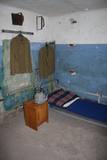 |
Viens no parka neparastākajiem vēstures objektiem, kas apvīts ar daudzām leģendām un noslēpumiem, par kuriem vēl joprojām nelabprāt izsakās ar to saistītie cilvēki. Zināms, ka bāzi laikā no 1960. – 1962. g. ļoti stingrā slepenībā cēla ~ 10 000 kareivji no citām padomju republikām. Pazemes ejas bija būvētas tā, lai pa tām varētu pārvietoties tikai maza auguma cilvēki. Zem zemes atradās 4 šahtas, no kurām varēja palaist vidējā rādiusa ballistiskās raķetes R – 12 U ar kodolgalviņām. Blakus atradās apkalpojošā personāla telpas, elektrības ģenerators, sakaru centrs u.c. Līdz 2010. g. bāzi varēja apskatīt vietējā gida pavadībā. Tagad to rekonstruē un 2012. g. plāno atklāt Aukstā kara muzeju. Bāze atrodas austrumos no Plateļu ezera, liela meža masīva vidū. |
|
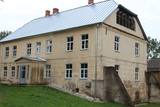 |
Muižas dzīvojamā ēka līdz mūsdienām nav saglabājusies. Šodien Dvietes muižas parkā ir apskatāmas muižas pārvaldnieka māja un trīs mūra saimniecības ēkas. 19. gs. veidots ainavu parks ar laukakmeņu mūrējuma tiltu. Parkā atrodas Dvietes muižas ēkas. |
|
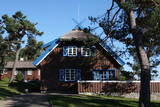 |
Ein zweistöckiges Holzhaus auf dem Uošvės-Hügel mit wunderschönem Blick aufs Haff. Hier hat drei Sommer der Träger des Nobelpreises, deutscher Schriftsteller Thomas Mann (1875 – 1955) verbracht. |
|
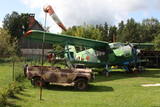 |
This café in Ciemupe in the Ogre District has an exhibit of military equipment, artillery and other objects.
|
|
 |
The saloon is located near the Kuldīga ring road. This is a slow-serve saloon with foods cooked on alder wood on the basis of the slow food principle. The saloon offers “meals in the garden”. Latvian cuisine: Bean salad, sprats with cottage cheese, oatmeal with smoked meat, false goose, pike-perch sautéed in cream, cod with onions and tomatoes, potted mutton, beef with onions, hunter’s style pig liver, potted sautéed vegetables, hot dumpling soup with blackberries, wild berries with whipped cream, apples caramelised in honey, cottage cheese desserts. |
|


