
| No | Name | Description |
|---|---|---|
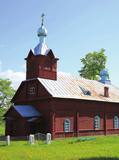 |
Tiskādi Old-Believers Prayer House was built in 1886 and reconstructed
in 1905. The large church was sanctified 100 years ago. It is situated in the district which is mostly populated by Old Believers. The church stands on the hill.
|
|
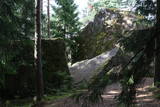 |
Die Größe dieses Feldsteins ist eindrucksvoll, obwohl er nach dem Volumen (262 m3) nur der 16. größte Feldstein Estlands ist. Die Länge beträgt 10,7 m, Breite – 6,5 m, Umfang – 27,8 m. |
|
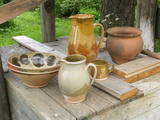 |
The potters engage in traditional pottery from various eras, and they also study ancient forms, materials and methods which ancestors centuries ago put to use. You can tour the facility, examine the kiln, work with clay, purchase ceramics products, and inspect a collection of ancient tools and ceramics. You are invited to attend the opening of the kiln, as well. |
|
 8 days
|
This trip will allow you to see seaside landscapes, learn interesting facts about the ancient process of fishing, and enjoy traditional seafood dishes. Your first stop after leaving Rīga will be Ragaciems, where you will find a popular fish market that always offers a wide range of smoked fish from the sea. On the shores of the sea, you can look at a restored fishing boat pier and huts for nets. Further along, groups of 15 people or more can enjoy the "Fisherman's Banquet" programme in Roja. There you will hear stories about the lives, songs, dances and games of fishermen and, of course, enjoy an elegant banquet. Next you will visit Cape Kolka and the Slītere National Park, where men still go fishing in the sea. The aroma of smokehouses will be evident. Travellers can purchase freshly smoked fish there. Along the way to Ventspils, it is worth stopping at the Irbene radio telescope, which has a military history, but is used for scientific purposes today. Next you will drive toward Liepāja and stop at the charming town of Pāvilosta, which is popular among surfers, as well as the steep shores of Jūrkalne, where you will be able to taste fresh baked bread that has been kneaded by hand at a farm. Then you will get to Liepāja, which is the birthplace of Kristaps Porziņģis, a basketball player who plays for the New York Knicks in the NBA. A special treat in Liepāja ir smoked cod with potatoes and sweet cream. You can visit a windmill that was built in 1885 and is still operational, as well as the Pape Nature Park and the ethnographic Ķoņi village. Once you get to Lithuania, you will spend a day at the popular seaside sea town Palanga, and then continue the route to Cape Vente and the Rusne Island, both of which are famous because of fishing and fish smoking traditions. Visit the village of Minija, which is known as the "Venice of Lithuania." Finally, visit the Kurši dunes, the Sea Museum and dolphinarium, as well as the port city of Klaipeda. |
|
 |
Iekārtots bijušā Džūkstes – Lancenieku skolā, kur ikviens var iepazīt mūsu „Pasaku tēva” – Anša Lerha-Puškaita devumu folkloras mantojuma vākšanā.
|
|
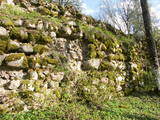 |
The Volkenberga Castle was built in the 13th century by the Livonian Order, and it was practically impregnable, as it was on top of Mākoņkalns hill. These were among the first fortifications in Latgale, and only fragments of the castle remain today. Architect Pēteris Blūms has said that this was a special type of fortification. Legends say that after the lord and lady of the castle died, the property was divided up among their three daughters – Roze, Lūcija and Marija. Each sister built a new castle on the land which she inherited – Roze built Rēzekne, Lūcija built Ludza, and Marija built Viļaka. A memorial plaque at the foot of Mākoņkalns hill recalls the visit which pre-war Latvian President Kārlis Ulmanis paid to Latgale in 1938. |
|
 6 days
|
The tour presents UNESCO World Heritage Sites and the Intangible Cultural Heritage of Latvia and Estonia. Experience the famous traditions of song, national crafts, architecture and food of the unique Suiti and Seto ethnic groups. |
|
 |
The LIELKALNI farm planted two hectares of uncommon berries four years ago – golden currants, viburnum, large-fruit hazel trees, sea buckthorn, the black elder, five-flavour berries, the Chinese gooseberry, edible honey-suckle, etc. The farm has been biologically certified since 2008. In 2009 it received certification from the Latvian Food and Veterinary Service for the production of health-boosting syrups, jellies, jams and teas. Tourists can taste the teas, seasonal berries, syrups, jellies and other treats, all of which are also available for sale.
|
|
 |
The café is in the centre of Balvi on the side of Brīvības Street (in the direction of Viļaka). It offers homemade dishes and is a popular dining venue. |
|
 7 days
|
Этот маршрут предлагает вам отличную возможность посетить самый большой остров Эстонии – Сааремаа, который является своеобразным символом для туризма по Эстонии. На острове находятся один из наиболее впечатляющих метеоритных кратеров в Северной Европе, Епископский замок Курессааре, самая крутая отвесная скала в Эстонии и множество других интересных туристических объектов. |
|
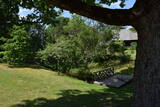 |
Bārbeles sēravots tiek dēvēts par vienu no pirmajām kūrvietām Latvijā, proti, jau ap 1650. gadu hercoga Jēkaba valdīšanas laikā sēravota tuvumā uzbūvēta vannu māja, dēvēta par mazo ūdensdziednīcu, kuru vēlāk arī apmeklējuši visi Kurzemes-Zemgales hercogi. 1739. gadā Rīgas garnizona ārsts Benjamins Teofils Grofs uz Bārbeles sēravotu nosūtījs 10 ievainotus un smagi slimus karavīrus, kas sirguši ar dažādām kaitēm - pēc Bārbeles sēravota vannām karavīri atveseļojušies. Avota ūdeni izmantojuši gan apkārtējie zemnieki, gan muižnieki, gan augstmaņi no Jelgavas. Avotā slimnieki peldējušies, aptriepušies ar dūņām, no tā sagatavotas arī siltās vannas. Tāpat ūdens tika izmantots iekšķīgai lietošanai. Bārbeles sēravots dziedinājis ne tikai skorbutu, locītavu un krustu sāpes, artrītu, pietūkumu, bet arī venēriskās slimības-sifilisu, nervu kaites un daudzas citas slimības. 19. gs. avota ūdenī samazinājās sērūdeņraža koncentrācija. Neskatoties uz to, 20. gs. 20. gados šeit vēl aizvien darbojās vannu māja, tika uzbūvēts arī neliels vasarnīcu rajons, ierīkots deju laukums un parks, kūrorts tolaik tika plaši apmeklēts. Diemžēl, kūrorta noriets seko pēc Otrā Pasaules kara, kad to noposta un vairs neatjauno. Šobrīd par savulaik tik ļoti apmeklēto un nozīmīgo kūrvietu, dēvētu par pirmo kūrortu Latvijā, var tikai iztēloties. Atrodoties pie sēravota, tā laika liecības iezīmējas pēdējās vannu mājas ēkas pamatu drupās, stalti liecinieki arī koki – glabājot sevī savulaik pieredzēto. Sēravota apkārtnē ierīkota atpūtas vieta, informatīvs stends, kurā var aplūkot senākas fotogrāfijas un detalizētāk iepazīties ar kūrorta vēsturi. Tāpat ierīkota laipa, no kuras apmeklētāji var pasmelt avota ūdeni. |
|
 |
Meklējams pie Gulbjiem – Dvietes senlejas informācijas centra. No torņa labi pārskatāma ūdeņiem bagātos pavasaros pārplūstošā Dvietes paliene, dzīvei savvaļā pielāgoto mājlopu aploki un izlīkumotā Dvietes upīte. |
|
 |
The beautiful, tidy and artfully laid out farmstead is situated in Jaunpiebalga district. The farmstead is naturally encorporated into the landscape, the old barn is renovated and its top floor is a place for the owner’s workshop and exhibition (she is a softwares artist). The old log house has also been renovated, and the sauna has been rebuilt. A small river flows through the farmstead, and there is also a Tuleja mound on the territory, which is a natural landmark protected by the state. |
|
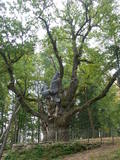 |
This is the thickest English oak (Quercus robur) in Lithuania, with a circumference of 9.4 m (as opposed to the Kaive oak in Latvia, which has a circumference of 10.18 m).
|
|
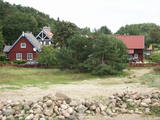 |
Ein ehemaliges Fischerdorf am Ufer des Kurischen Haffs. Hierher sind die Bewohner der Dörfern umgezogen, deren Dörfe unter dem Sand der Wanderdünen begraben wurden. Holzbebauung des 19 – 20 Jh. |
|
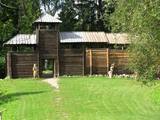 |
Kassinurme hills were formed during the last Ice Age, and an ancient stronghold and a sacred grove can be found in the hills. At the foot of the stronghold a stage has been built; a swing, tepees, a campfire place and a model of the stronghold are located in the forecourt. Nature, health and antiquities trails are located nearby. |
|
 3 days
|
This three-day route will allow you to visit one of the most unusual landscapes in the Baltic States - the Curlandian dunes. You will also visit interesting territories here in Latvia - the Pape Nature Park and the Liepāja Naval Port. The port is worth visiting while it still retains some of its Soviet-era "charm". New and unprecedented impressions will also be assured by two unique manmade objects - the "Town of Rock" and the "Town of the Absurd", which are both unique not only at the Baltic level, but in a far more extensive sense. |
|
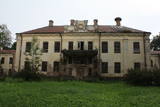 |
Šī vairāk ir uzskatāma par vēsturisku vietu, nekā tūrisma objektu, jo muižas pils atrodas avārijas stāvoklī un apskatāma no ārpuses! Mūsdienās redzamais muižas komplekss ir veidojies 19. - 20. gs. mijā, bet muižas pils (vēlīnais klasicisms) - 19. gs. pirmajā pusē. Vēlāk tai piebūvēja neobarokālus torņus abos ēkas galos. Vienā no tiem atradās kapela, otrā – bibliotēka. 19. gs. tika uzsākta ainavu parka un dendrārija izveide. 19. gs. beigās pilī norisinājās plaši remontdarbi, un tās īpašnieki – Kerbedzu dzimta ēku līdz pat 1. pasaules karam atvēlēja māksliniekiem. No 1920. - 1975. g. muižā darbojās pamatskola, tad ēkas kā noliktavu izmantoja kolhozs. |
|
 4 days
|
Салаца с точки зрения водного туризма является интересной рекой, на которой даже в период маловодья будут радовать береговые ландшафты и объекты осмотра, а также многообразие самой реки. Для похода на лодках самыми привлекетельными будут окрестности Мазсалацы и участок Мерниеки – Вецсалаца, где на карте видны топонимы, связанные с заколами. Заколы (лат. tacis) – бывшие места ловли миноги – это та уникальность, характерная только для Салацы на участке реки ниже впадения реки Иге. В наши дни о прежнем существовании заколов свидетельствуют топонимы – Гедерту тацис, Жвигулю тацис и др. Заколы для миног строили в местах, где река самая мелкая, самая узкая, более богата островами и стремнинами, поэтому топоним «тацис» означает также самые интересные обстоятельства для сплава. Сами заколы сохранились только в нижнем течении реки у Салацгривы. Ночлег в основном на стоянках для водных туристов (в палатках). Маршрут проходит по территории Северовидземского биосферного заповедника. Информация о маршруте от Latvijas Lauku forums |
|
 |
Glempings atrodas Amatas pagasta Dīķīšos, kur viesus sagaidīs Samojedu šķirnes suņi un inteliģenti ēzelīši, kas aizvedīs līdz glempingam dīķīša pakājē. Glempinga teltī ir lielā gulta un divguļamais dīvāns ar gultasveļu un dvieļiem, ledusskapis, svaigs ūdens, Nespresso kafijas aparāts un tējkanna, šķīvji, krūzes, glāze, ēšanas instrumenti. Ārpus telts pieejama āra duša, mazmājiņa ar ūdeni un dezinfekcijas līdzekļiem, latvju zīmēm rotāta ugunskura vieta ar iesmiem, malku un ērtiem krēsliem vakara baudīšanai, galds ar krēsliem ēšanai, bērniem smilškaste ar mantām, peldvieta. Naktsmāja ir piemērota arī cilvēkiem ratiņkrēslā, tajā skaitā ar atbilstoši izbūvētu mazmājiņu. Šis piedāvājums ir tapis sadarbībā ar sociālo uzņēmumu "Kultūras tūrisms". |
|


