
| Нo | Название | Описание |
|---|---|---|
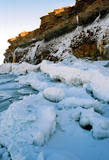 |
At the end of the Pakri peninsula is the most visually impressive shoreline cliff in the Baltic States – the Pakri cliff (Pakri pank), which is as much as 24 metres high. During cold winters, streams which flow from the layers of limestone cliffs form fantastic and unusual shapes of ice.
|
|
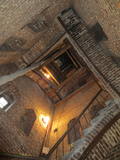 |
Уникальный объект индустриального наследия – единственный открытый завод по производству амуниции в странах Балтии, на территории которого находится самая старая дроболитейная башня в Европе, которая до сих пор используется по назначению. Группы туристов по предварительной договоренности в сопровождении гида могут осмотреть производство, дроболитейную башню и музей. Сейчас на дроболитейном заводе производят пули девяти видов для гладкоствольного оружия, а также пули для пневматического оружия. Продукция экспортируется в соседние страны, Германию и другие страны. |
|
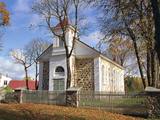 |
Нагльский Римско-католический костёл Св. Иоанна Крестителя в 1862 году начал строить помещик Набелс. Нагльский
костёл изначально был филиалом Вилянского костёла, где слу-
жили бернардийские монахи этого костёла.
|
|
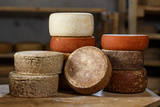 |
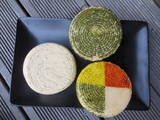
Биологическое хозяйство по разведению коз и производству сыра. Сыр различного вида из козьего и коровьего молока. В хозяйстве насчитывается около 100 дойных коз. Хозяева – Рута и Стефан принимают посетителей (разговаривают на латышском, немецком и английском языках). Сыр можно приобрести на месте, на Калнциемском базарчике в Риге и в других местах Латвии. Продукция ‒ сыры из козьего и коровьего молока. Предлагаются экскурсии на ферму и сыроварню, дегустация продукции. |
|
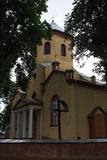 |
Atrodas Līvānu ziemeļdaļā, Baznīcas ielā 17. Dievnams uzbūvēts 1861. g. un paplašināts 1880. gadā. Pēc nopostīšanas 1. pasaules kara laikā to atjaunoja 1918. gadā. No interjera ievērības cienīgas ir ērģeles (uzstādītas 1936. g.), glezna „Svētais Jānis Kristītājs” (mākslinieks Šēnbergs) un 14 Krusta ceļa gleznas, kas ir vācu mākslinieka Fogela gleznu kopijas (19. gs. pirmā puse). Kopš 20. gadsimta sākuma bez izmaiņām ir saglabājies tikai Ostrabramas Dievmātes altāris ēkas labajā pusē. 2007. gadā nokrāsoja dievnama fasādi. Šo darbu laikā, no ēkas sienas izņēma nesprāgušu artilērijas lādiņu, kas bija iestrēdzis 1. pasaules kara laikā. |
|
 |
Ресторан «Марияс кафия» находится в центре города Резекне рядом с университетом, в здании со сводчатыми погребами. Латышская кухня: Холодный суп, тонкие и картофельные блины, свиное жаркое, свиные ребрышки, котлеты из телятины, тушеная баранина, жареная треска или форель. Особое блюдо: Салат из козьего сыра. |
|
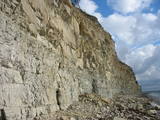 |
The highest and most beautiful wall of cliffs on Saaremaa Island (up to 21 m high), stretching along some 3 km. During strong winds from the W or NW, a part of the cliff is washed by the waves of the sea. The open face of the cliff has limestone, marls and dolomite, and there is a wealth of fossils at the base of the cliff – corals, stromatoporids, etc.
|
|
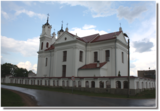 |
Находится в центре небольшого Двиете.Белый образ костела виден издалека. Первую деревянную церковь здесь построили в 1775 году под руководством владельца местной господской усадьбы графа И.К.Вишлинга. Позднее церковь снесли и перевезли на Заринкское кладбище. Строительство современного Двиетского Римско-католического костела (в стиле необарокко) с двумя башнями в 1864 году осуществлялось при помощи финансирования, предоставленного графом Казимиром Платером – Зибергом. Храм был разрушен во время Первой мировой войны, поэтому до его восстановления и освящения в 1929 г. в качестве моленной использовался магазинный амбар (двускатная гонтина) господской усадьбы «Двиете», который находится со стороны дороги Двиете – Бебрене и теперь восстановлен. В 1940 году вокруг церкви построили каменный забор, покрытый черепицей, а в 70-х годах 20 столетия построили приходской дом. В храме особенный роскошный интерьер сакрального барокко, который считается самым роскошным в бывшем Даугавпилсском районе.
|
|
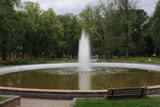 |
Mūsdienās redzamais parks starp Rīgas un Parādes ielu tapa vairāk nekā pirms 100 gadiem un tā patrons bija pilsētas pirmais mērs - Pāvels Dubrovins (1839. – 1890.). Pilsētas „zaļā saliņa”, kuras centrā atrodas strūklaka, ir iecienīta atpūtas un pastaigu vieta. Atraktīvs ir no bronzas veidotais piemineklis (2007. g., tēlnieks A. Tartinovs),kas veltīts pilsētas pirmajam mēram. |
|
 |
Piemājas saimniecība nodarbojas ar augļkopību un biškopību! |
|
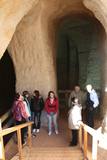 |
The area of the ancient Piusa River valley that is between the villages of Vana-Vastseliina and Ignasõ is around 15 km long, features some substantial rapids, and offers a view of beautiful Devonian period cliffs. The largest, Härma müür, is 43 metres high and is the highest sandstone cliff in Estonia. There are caves from old mines in the village of Piusa. A small part of the mines, which have tunnels that are more than 10 km long in all, has been tured into a local museum.
|
|
 7 дней
|
Вначале маршрут идет к производителю вина и березового сока, где вы сможете отведать эти традиционные и освежающие напитки, а затем отправляйтесь на козью ферму, где можно дегустировать различные молочные продукты и посмотреть на животных. Затем направляйтесь в Сигулду с ее Олимпийской бобслейной трассой и тремя средневековыми замками, расположенными на берегах реки Гауя – Сигулдой, Турайдой и Кримулдой. Здесь также много живописных троп. Затем откройте для себя историческую деревню Лигатне, основанную вокруг бумажной фабрики, а также посетите местных ремесленников, которые расположились в одной из пещер, типичных для этой местности. Цесис – очаровательный город с его внушительными развалинами средневекового замка и Новым замком. Посетите выращивателя конопли и попробуйте коноплю, приготовленную традиционным способом. Насладитесь визитом на мельницу Кони, где производят шерсть с помощью старинных станков и делают теплые одеяла. Посетите ремесленную студию в Стайцеле и попробуйте разглядеть, где находится колония аистов с более чем 30 гнездами вдоль дороги. В Мазсалаце находится природный парк с тропами вдоль красивых крутых берегов реки Салацы. Река славится своими миногами, и далее на маршруте вы сможете увидеть традиционные запруды для ловли миног. В Саулкрасты пройдитесь по тропе вдоль дюны и насладитесь пляжем. Затем отправляйтесь на клюквенные болота, где сможете отведать эту полезную ягоду в одном из видов, типичных для сезона. Посетите элегантное поместье Бирини с его огромным парком и замечательным рестораном, а затем возвращайтесь в Ригу. |
|
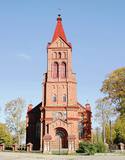 |
Цискадский Римско-католический костёл Св. Иоанна Крес-тителя
построен в романском стиле в 1900 году из камня и красного кирпича. В
костёле находятся картина „Мадонна с младенцем”, распятие и орган.
|
|
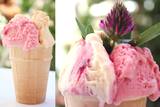 |
Семейное предприятие (основано в 2006 году) из выращенных плодов и ягод выпускает домашнее мороженое. Производят как классическое - пломбир, сливочное, йогуртовое мороженое и сорбеты, так и чудеса современной кухни – мороженое с килькой, синим сыром, хреном и картофелем с томатным соусом. Разработано 80 всевозможных рецептов мороженого. По предварительной договоренности можно заказать экскурсию и узнать о приготовлении мороженого от самих поваров. В кафе можно отведать блюда из мороженого, причём каждое включает добавку с другим мороженым. В кафе с радостью встречают и четвероногих друзей! Особое блюдо: Мороженое из хрена с селедкой. |
|
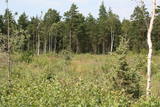 |
Similar as Alsungas mezi (Alsunga forests) – is not intended and appropriate for visits. A narrow path of the restricted area can be seen from the gravel road – Saka-Apriki. Nature restricted area established mainly for protection of Erica tetralix (often called "cross-leaved heath") and it is one of the most important growing places.
|
|
 |
Atrodas Vecpiebalgas centrā pie Inešu ceļa. Vieta, kas jāapmeklē katram savas valsts patriotam, jo šeit atdusas leģendārā romāna "Mērnieku laiki" autori - brāļi Reinis un Matīss Kaudzītes, sabiedriskais darbinieks un valodnieks Atis Kronvalds u.c. Kapos apskatāmi brāļu Kaudzīšu un A. Kronvalda pieminekļi. Tos atrast palīdzēs izvietotās kartes un norādes. |
|
 |
Талсинский молочный комбинат был основан в 1922-м году путем объединения нескольких молочных заводов. На этой базе позже было создано АО «Талсу пиенсаймниекс», одним из известнейших продуктов которого является сыр «Талсу ритулис». Продукцию АО «Талсу пиенсаймниекс» – молоко, кефир, творог, масло, сыр и другие продукты можно приобрести в находящемся рядом с предприятием магазине „Piena sēta”. |
|
 |
Расположенная в старой церковной школе таверна Люманда предлагает вкусную деревенскую еду. Овощи, из которых готовят очень вкусные блюда, экологически чистые, выращены на окрестных полях. Имеющиеся в меню рыбные блюда готовятся из рыбы, купленной у местных рыбаков. Рядом работает ремесленный магазин. |
|
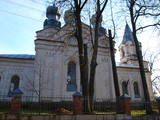 |
Находится на самом высоком, поросшем деревьями берегу речки Марки за Пиедруйским пунктом пограничного контроля. К церкви ведет улица, покрытая брусчаткой, которую, возможно, в начале 20-го века укладывали местные крестьяне. Идя на службу, с собой надо было принести камень, который потом использовался для дорожного покрытия. Эта церковь с шести куполами считается одной из красивейших в нынешнем Краславском крае. Здание возводилось с 1883-го по 1885-ый год на месте старой деревянной церкви (17-й век) в соответствии с архитектурными формами древнерусского города Владимир и византийскими архитектурными формами. Есть сведения, что численность прихода в прежние времена достигала тысячи человек. |
|
 |
В данное время пост береговой погранохраны не используется. На территории сохранился памятник, штаб пограничников и бывшие уборные с деревянными держателями для бумаги. Хороший общий вид пункта погранохраны открывается с высокого вала с южной части поста.
|
|


