
| No | Name | Description |
|---|---|---|
 |
Piedāvā ļoti gardus Lietuviešu tradicionālos ēdienus. Var pieņemt līdz 1000 personām.Pieņem bankas kartes, ir āra terase, dzīvā mūzika kā arī autostāvvieta. |
|
 8 days
|
This tour has a very summery feel since it never wanders too far from the sea. Latvian sea resort Jurmala attracts with characteristic wooden cottages from the 19th century, Dzintari concert hall and a lively beach. Cape Kolka is located in Slitere National Park which also includes the traditional villages of the smallest ethnic group in the world, the Livs. Enjoy empty beaches and locally smoked fish. Ventspils is an immaculately maintained town with a medieval castle and well equipped beach. Pavilosta is Latvia's unofficial windsurfing capital, while Palanga in Lithuania has an excellent amber museum. Lithuania's pearl is the Curonian Spit and its lagoon which attracts with its vast sand dunes and Nida, a charming village with a Thomas Mann Museum. Back in Latvia, Liepaja is an exciting city with a historic quarter, beach, lively restaurants and clubs and a distinctive millitary heritage in the form of former naval forts and a military zone. Kuldiga is loved by artists due to its picturesque little cobbled streets with wooden houses and the Europe's widdest waterfall on the Venta river. |
|
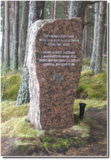 |
A memorial to Finnish soldiers in
Klapkalnciems – five such soldiers from
World War I are buried here. The memorial
was first installed in 1929, but it was
destroyed by the Soviet authorities. It was
recreated in May 2004. The Lapmežciems
Museum features photographs and more
information about the Finnish soldiers.
|
|
 11 days
|
The tour begins in Riga with its Art Nouveau district and Old Town. Make your way to Sigulda by train. A hilly road passes Gutmana Cave, Turaida Castle and Krimulda Castle which stand on the hillsides of the Gauja river valley. The road continues to Limbaži, which is a typical Latvian provincial town. Further on you reach the Baltic Sea coast and Salacgriva, which is famous for its fishing traditions and lamprey. Outside Salacgrīva town there are rare coastal meadows and lagoons. After crossing the Latvian-Estonian border point, the road winds through old coastal villages - Ikla, Treimani, Kabli and Häädemeeste before rejoining the Via Baltica. At Pärnu explore Ruutli pedestrian street and the old fortifications. It is time to cross to the islands - the route passes through the small island of Muhu. Visit the local fish cafe at Livi and ethnographic fishermens’ village of Koguva. Then the route leads to Saaremaa island over a causeway. The main sites on the route are 'Valjala maalinn' – one of the most attractive hill forts in Estonia, the Valjala church, and meteorite craters of Kaali. By bus you head to the Estonian capital, Tallinn, charming with its medieval Old Town. From there take a tour of a former Soviet submarine base at Paldiski, a memorable reminder of recent history. |
|
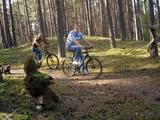 |
Brīvdienu mājas "Korķi” apkārtnes priežu mežā ir izveidota Jāņtarpiņu taka. Ideāla vieta aktīviem sēnotājiem un ogotājiem. Savukārt saules un jūras cienītāji pa šo taku 5-10 minūšu gājienā nonāks Vitrupes pludmalē, kur varēs baudīt sauļošanās un peldēšanās priekus.
|
|
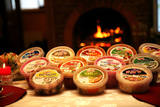 |
This is a local fish processing plant that offers fantastic products. The extensive and high-quality assortment of products has won a stable place in Latvia’s market, offering marinated fish, fish in gelatine, fish salad, and frozen fish and fish filets. (Source: Roja TIC) |
|
 3 days
|
Druskininkai tradicionāli ir bijusi kūrortpilsēta - tā piedāvā mežu, Nemunas krastu un ezeru ieskautu mūsdienīgu SPA viesnīcu kompleksu un ūdens atrakciju parku, kā arī plašu gājēju un veloceliņu tīklu. Turpat netālu atrodas iekštelpu slēpošanas kalns "Snoras Snow Arena", kurš ir pirmais un vienīgais ziemas izklaides centrs Baltijas valstīs un darbojas visu gadu.
|
|
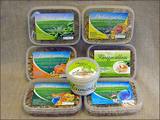 |
The farm produces mixes involving seeds from various plants – ones which are very healthy in terms of human nutrition. Visitors will hear stories, purchase products and taste hemp pancakes. The tour takes place at the “Mazais Ansis” saloon. |
|
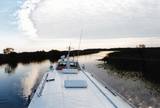 |
This is a quick boat ride from Tartu down the Emajõgi River to Piirissaare Island in Lake Peipsi (Peipsi järv). Along the lower reaches of the river are major wetlands which are of enormous importance for birds.
|
|
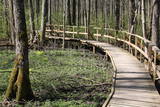 |
Uz pāļiem veidotā koku laipu taka līkumo cauri Vēršupītes dumbrājiem (pārmitri platlapju meži), tādēļ visiespaidīgākie skati šeit ir vērojami tieši pavasara palos vai citos gadalaikos pēc lielām lietavām, kad mazā upīte iziet no krastiem un appludina dumbrājus lielākā platībā. Par teritorijas sezonālu applūšanu liecina arī daudzo alkšņu resnie sakņu kakli, kas nevilšus atgādina mangrovju audzes. Mitrie meži ir viens no sugu skaita ziņā daudzveidīgākajiem Latvijas biotopiem.
|
|
 7 days
|
Beer and fish is an important part in the Latvian heritage. The tour introduces you with Latvia through these two fundamental components. While in Riga you have a tasting of the beers from all four Latvian regions and typical snacks as an introduction. Then the tours goes out to the countryside. First stop at the Bauska Brewery which takes pride in their products free of preservatives. Then there is a visit to Rundale Palace and the reconstruction of an ancient Semigalian castle at Tervete. Then visit Tervete Brewery which is a part of multifunctional agrocompany. All their beer ingredients are locally produced. Next day you see how beer is made at home using traditional methods and could taste the difference. Afterwards the tour goes to Liepaja. The city has nice white sandy beach, atmospheric town centre and significant military heritage at Karaosta suburb nowadays used mainly for tourism. Then the route goes into small picturesque town Kuldiga with well-preserved wooden architecture and the widest waterfall in Europe. Another visit to brewery - Uzavas Brewery which specialises in live beer. Then sightseeing of port town Ventspils and fishermen meal and games at small harbour town Roja. Next day you could enjoy morning walk on the beach after which there is a visit to fishermen house to see fish smoking process. Then the route turns back to Riga with an atmospheric bog walk at 'Kemeri National Park on the way and stop at sea resort Jurmala with characteristic wooden villas from 19th century and a lunch at potato restaurant. |
|
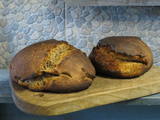 |
Sweet and sour rye bread is baked here on the hearth of a wood-fired oven, following an old family recipe and using home-grown, historical varieties of rye flour. The dough consists of rye or barley flour, salt, sugar, caraway seas and natural yeast. You can help to bake the bread, taste and buy it, and tour the farm’s museum. The farm grows its own grain in an environmentally friendly way. Available for purchase: sweet and sour rye bread, sweet and sour rye bread with peas, garlic, seeds, hemp, or without sugar. |
|
 |
The Apakšceļs road – a lonely, forested and ancient road between
Košrags and Dūmele, with lots of interesting stories about the old Pitragupe
windmill, which never did grind any grain (the foundations are still there), and
about the boiler of a wrecked ship which a local baron used to produce tar.
This used to be a horse path which crossed the Bažas swamp. The great rock
of Dūmele is impressive, indeed.
|
|
|
|
The Soviet Border Guard facility at Mērsrags was the start of the border regime zone. Absolutely nothing of the facility is left for perusal today.
|
|
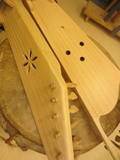 |
Andris Roze is one of very few kokle makers in Latvia who manufactures the instrument and helps others to do so at master’s classes. Roze also manufactures other traditional musical instruments, demonstrates them, offers consultations about them, collects them and gathers together historical information. He works at the Drabeši Crafts House, where people can learn traditional skills such as weaving, processing of leather, felting, pottery and construction of musical instruments. |
|
 |
The teahouse is in a lovely location – the southern part of Pilssala Island, near the pedestrian bridge over the Driksa River. |
|
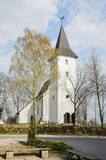 |
The Priekule Lutheran Church was built around 1680 and rebuilt a century later, in 1892. In 2005, the church tower was improved, and visitors to the church can now use it as a viewing platform. They can see the place where Icarus of Priekule supposedly made his first “flight.” |
|
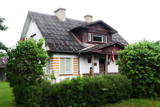 |
Ezeres kultūrvēstures un novadpētniecības materiālu krātuve “Muitas nams” ir izveidota vēsturiski nozīmīgā ēkā, kur, II pasaules kara noslēgumam tuvojoties, 1945. gada 8. maijā tika parakstīts Kurzemes katlā ielenkto vācu karaspēka daļu kapitulācijas akts. Ar to tiek uzskatīts, ka Ezerē faktiski beidzies II pasaules karš. Krātuves materiālu ekspozīcijas ir no Ezeres pagasta senvēstures līdz šodienai, tai skaitā ezernieku vaļasprieki. |
|
 |
Biedrība "Latvijas Slieku audzētāju asociācija" tika nodibināta 2010. gada 1.septembrī ar mērķi attīstīt sliekkopību un vermikomposta ražošanu Latvijā. Pamatnodarbošanās - vermikomposta ražošana. |
|
|
|
The restaurant "Barons Bumbier’s" is situated in the shopping centre "Kurzeme", at the very heart of the city next to the place which is knows as the heart of Liepaja – the Rose Square. The restaurant offers substantial traditional Latvian cuisine. The menu is designed in a way for every gourmande to get to know and evaluate traditional dishes of Latvian cuisine, which, cooked by experienced chefs, will surprise anyone with its variety. Latvian cuisine: Vegetable soup, cold beet soup, sliced pork, strawberry soup. |
|


