
| Nr | Name | Beschreibung |
|---|---|---|
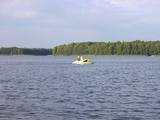 |
Dieser Naturpark schützt die Landschaften des Latgale-Hochlandes. Von Bedeutung sind die Seen Ruskulis und Cīrītis mit ihren acht Inseln, zusammen mit den Wäldern dieses Gebietes. Ein alter Burgberg befindet sich auf einer der Inseln im See Cīrītis – die Upursala-Insel. Dort und auf der Oši – Insel haben Spezialisten mehr als 250 Pflanzenarten gefunden.
|
|
 |
The spacious cafe in Gulbene with comfortable chairs and a tasty meal of the day menu. It is also possible to taste various types of pizza and dishes typical for the Gulbene district. Working hours: Monday-Thursday: 10:00 - 22:00, Friday-Saturday10:00 - 03:00, Sunday 11:00 - 22:00 |
|
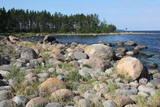 |
Lahemaa bedeutet auf estnisch “Land der Buchten“. Der erste Nationalpark im Baltikum (1971). Der Park wurde für den Schutz der biologischen Vielfalt, Inseln, geologischen Objekte, archeologischen Denkmäler, Landgüter, Fischerdörfer u.a. gegründet. |
|
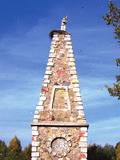 |
Das Denkmal wurde errichtet zu Ehren des Jubeljahres der katholischen Kirche, das 1825 in Rom für die ganze Welt verkündet wurde.Auf einem hohen, pyramidenförmigen Postament steht eine Christusfigur, die das Kreuz trägt. Das Postament wurde 1828 unter dem livonischen Kanoniker, Dekan von Rezekne und Schriftsteller Jāzeps Kirkillo errichtet. 1918 wurde das Denkmal renoviert und die Christusfigur mit dem Kreuz erstellt. Eine weitere Renovierung fand 1990 statt. |
|
 |
You can visit a restored little wooden building to watch and take part in the process of weaving. Natural materials are used to produce lovely souvenirs and useful household products. There are nine looms, and you will hear information about weaving as such. The workshop produces woven scarves which are coloured with natural dyes. |
|
 |
By the beekeeping farm “Kalniņi” there is a Bee Hut – small wooden house in which you can feel the presence of bees. The hives with seven bee families are built-in the sides of the Bee Hut, but inside the building they are designed as beds or seats. When looking at the building from the outside you can see the bee runs and also bees themselves. In addition, “Kalniņi” also offer different types of bee products – honey, pollen bread, beautiful and aromatic wax candles. It is possible to taste beekeeping products and enjoy a cap of warm tea. Families with kids can participate in educational workshops, learn how to make wax candles and gain information about the daily life in the beekeeping farm. Since summer 2018 everyone can also visit the House of Crafts, where you can participate in different activities such as Encaustic painting (also known as hot wax painting), create wooden souvenirs with burnt folk signs as well as create wax candles etc. The House of Crafts offers different itineraries for grownups, kids, youngsters and newlyweds. There you can also purchase the offered products - various flower honey, pollen, pollen bread, propolis, cell honey and wax candles. |
|
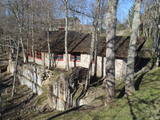 |
Das Wirtshaus befindet sich am Rande der Straße Liepaja – Ventspils (P111), an der erneuerten hölzernen Brücke über den Fluss Riva. Das Thema der Innenausstattung ist das Meer. Im Herbst kann man aus den großen Fenstern beobachten, wie Lachse über den Mühlendamm springen. Lettische Küche: Kalte Suppe, Kartoffeln in der Montur, gebratenes Flunder- und Kabeljaufilet, gebratener Hering in Sanddornmarinade, Schweinefilet mit Steinpilzen, Bratwürste mit eingelegten Zwiebeln, graue Erbsen mit Speck, Kartoffelpüree, geschichtetes Roggenbrot-Dessert, Haferflocken mit Schlagsahne. |
|
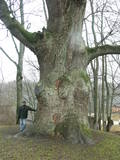 |
This tree is in the park of the Sēja Estate and is one of the four trees in Latvia that have a circumference of more than four metres.
|
|
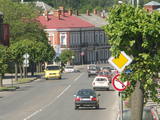 |
Diese Stadt ist das Herz der Region Latgale, wo vom 9. bis 12. Jh. eine hölzerne Burg der Letgallen sich erheben hat. Im Jahr 1285 hat der Livländische Orden begonnen, an der Stelle dieser Burg eine gemauerte Burg zu bauen. Nach dem Zerfall des Livländischen Ordensstaates verkümmerte die Stadt (Rēzekne war ein Teil von Polen). Das wirtschaftliche Leben wurde in der zweiten Hälfte des 18. Jhs. wieder aktiv. Nach dem Ausbau der Straße (1836) und der Eisenbahn (1861) zwischen St. Petersburg und Warschau wurde Rēzekne zu einem Reiseziel für Urlauber aus St. Petersburg. Während des Zweiten Weltkriegs wurde die Bebauung der Stadt wesentlich zerstört. Heute ist die Stadt ein bedeutendes Zentrum für Wirtschaft und Kultur der Region Latgale. |
|
 2 Tagen
|
Der erste Teil dieses Abschnitts des Waldweges schlängelt sich entlang des herrlichen Piusa-Tals und biegt dann im Dorf Härmä in Richtung Obinitsa ab, einem wichtigen kulturellen Zentrum von Setomaa, dem Land von Setos. Hier können Sie die Traditionen der Seto-Bevölkerung entdecken, zum Beispiel das feine Handwerk der Seto-Frauen. Nach Obinitsa führt der Waldweg durch wunderschöne, heidereiche Kiefernwälder, steigt zurück in die Tiefen des Piusa-Tals und endet an den Piusa-Höhlen. Die Piusa-Sandsteinhöhlen sind das Ergebnis des Handabbaus von Glassand von 1922-1966. In den Höhlen befindet sich die größte überwinternde Fledermauskolonie Osteuropas. In Begleitung des Führers können Sie die Aussichtsplattform in der Museumshöhle besuchen. |
|
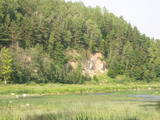 |
Das ist eine der schönsten Gegenden entlang der Venta und ihrem Nebenfluss, dem Šķērvelis. Die Flusstäler und ihre Schluchten sind ziemlich tief. Dolomit- und Sandsteinklippen kann man hier und dort ausmachen, auch Stromschnellen gibt es im Fluss. Die größten Felsen in Kurzeme – die Ātraiskalns- und Gobdziņi - Felsen – befinden sich an den Ufern der Venta. Die katholische Kirche Lēni ist in der Nähe des geschützten Gebietes. Die Venta ist ein beliebtes Ziel für Wassertouristen, vor allem der Abschnitt zwischen Nīgrande und Kuldīga.
|
|
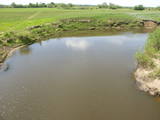 |
Das ist ein wirklich einzigartiges Naturterritorium – das uralte Tal des Dviete-Flusses, die Seen Skuķi und Dviete und die Auenwiesen, die an das Flusstal angrenzen. Während der Überschwemmungszeit sind sie eine Art Sicherheitsventil für das Wasser der mächtigen Daugava. Die Wiesen können ein Grossteil des Flutwassers auffangen und später geben sie es langsam wieder an den Fluss zurück. All das erzeugt ein ziemlich ungewöhnliches Ökosystem. Das Flusstal ist wichtig für die Vögel während des Vogelzugs und zum Nisten. Im Jahre 2006 wurden Wildkühe in die Wiesen ausgewildert. Die touristische Infrastruktur muss in diesem Gebiet verbessert werden.
|
|
 |
In der Sammlung des Museums befinden sich mehr als 120 000 Gegenstände, in der Exposition ist die Geschichte Liepājas und Südkurlands von der Steinzeit bis hin zum 19.Jh. dargestellt. Den Besuchern ist auch eine Ausstellung zugängig, die dem Leben und Schaffen des Holzbildhauers Miķelis Pankoks (1894-1983) gewidmet ist. In den Ausstellungsräumen sind regelmäßig neue Kunstausstellungen zu sehen. |
|
 2 Tagen
|
Eine herrliche Küstenlandschaft der Region Vidzeme mit vielen steinreichen Erdzungen und Steinen im Meer. Sie werden von kleinen, sandigen Buchten abgelöst, in denen die im Sommer austrocknenden Bäche und kleinen Flüsschen münden. An einigen Stellen ist der Strand vollständig mit grauen Steinen bedeckt. In Zvejniekciems müssen Sie einen Abstecher zur Mündung des Flusses Age und zum Hafen von Skulte machen. An manchen Orten gibt es kleine Abschnitte mit Schilf, aber in der Nähe von Tūja werden Sie die ersten Sandsteinfelsen sehen. Einen Teil der Route kann man über den Strand oder über einen Pfad zurücklegen, der durch einen Dünenwald mit alten Kiefern führt. Im Anschluss kann man den Fischzaun für Neunaugen in Svētupe besuchen. |
|
 |
Etwa einen Kilomter westlich der ehemaligen Schule Varnava findet man den Hof „Rudzīši“ des Familienbetriebs von Ēvalds Pūpols. Pūpols hat einen großen Teil seines Lebens dem Weinanbau und der Zucht von Rebsorten gewidmet. Im hügeligen Land, in dem einst der Stamm der Selonen lebte, wurde in dem von Wald umgebenen Hof eine schmucke und gut gepflegte Umgebung geschaffen, die für wärmeliebende Rebsorten gut geeignet ist. In dem fast einen Hektar großen Weinberg wachsen etwa 80 verschiedene Rebsorten. Dieser Weinberg, der an Südosthängen angelegt ist, ist einer der größten in Lettland und in Bezug auf die Zahl der verschiedenen Rebsorten der reichste. Entlang der zahlreichen Wege kann man den Garten besichtigen und die schönen Aussichten auf Selonia genießen. Der Winzer steht auch als Touristenführer zur Verfügung, man kann vieles Interessante über den Weinanbau und die Zucht von Rebsorten erfahren und auch Rebstöcke kaufen. In guten Jahren kann man natürlich auch Weintrauben verkosten. Im Hof „Rudzīši“ finden Erntefeste und weitere Veranstaltungen statt. |
|
 |
Dieser Naturpark ist der schönste und ausgeprägteste Teil der Nanema-Hügel in Nordkurzeme. Das Ziel ist, die Hügel von Talsi zu schützen. Es ist eine der reizvollsten Gegenden von Kurzeme mit kleinen, aber ausgeprägten Hügeln und Schluchten dazwischen. Es gibt kleine, aber ziehmlich tiefe Seen in diesem Gebiet – die Seen Ābeļi, Čumals, Sirdsezers usw. Einige von ihnen erinnern an tiefe Krater. Das Terrotorium eignet sich sehr gut für aktive Touristen – Wanderer (es gibt Naturpfade), Radfahrer usw.
|
|
 |
Atrodas Ostas ielas rietumu galā. No laukakmeņiem veltīto kompozīciju uzstādīja 1938. g. (idejas autors – bijušais Ventspils ostas kapteinis V. Ābelnieks) un tā ir piemiņa visiem zvejniekiem un jūrniekiem, kuriem atdusas vieta ir jūras dzelme. |
|
 |
Innovative und köstliche Hanf- und Buchweizenprodukte, die sowohl lecker sind als auch dem Bauch gut tun. |
|
 |
Das Café befindet sich im Zentrum von Aglona an der Straße nach Dagda (P 60). Lettische Küche: Schweinefleischfrikadellen, Kartoffeln mit Hering und Sauerrahm, Quarkcreme mit Erdbeeren. Das besondere Gericht: Rouladen. |
|
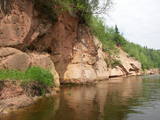 |
Eine der malerischen Sandsteinaufschüssen in Lettland. Die Länge beträgt ung. 500 m, die Höhe – 43 m. Gegenüber befindet sich die Ķūķu-Schnelle. |
|


