
| Nr | Nosaukums | Apraksts |
|---|---|---|
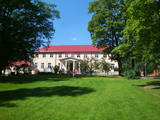 |
Sēļu muiža, par kuru pirmās ziņas saistāmas ar 1561. gadu, ar seno ēku kompleksu un ainavu parku mūsdienās vēl joprojām darbojas kā pagasta administratīvais un kultūras centrs, kur tiek organizēti arī atpūtas un saviesīgi pasākumi. Neskatoties uz to, ka muiža vairākkārt ir tikusi pārbūvēta, tās senatnīgums ir vēl saglabājies. Sēļu pagasta Tautas nams piedāvā bezmaksas ekskursijas Sēļu muižas kompleksā un divas meistardarbnīcas: ādas apstrādes meistardarbnīca pie Benitas Audzes un kokapstrāde un galdniecība pie Uģa Vītiņa. |
|
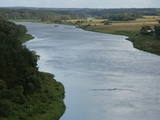 |
Nemunas loku reģionālais parks (Nemuno kilpų regioninis parkas) ir dibināts 1992. g. un tā mērķis ir augu, dzīvnieku, ainavas un ģeoloģisko dabas pieminekļu aizsardzība. Parks ietver piecus lielus Nemunas upes lokus, kuru centrā atrodas Birštonas – viens no nozīmīgākajiem Lietuvas kūrortiem. Nemunas loku stāvajos krastos vietām redzami iespaidīgi nogulumiežu atsegumi. No dabas daudzveidības un ainavas viedokļa nozīmīgas ir arī Nemunas pieteku dziļās gravas. Parkā sastopami veci nogāžu un gravu meži. Punes (Punia) un Prienu (Prienai) mežos aug Lietuvā augstākie koki. Kopumā parkā ir konstatētas 973 augu un 1713 dzīvnieku (zīdītāji, putni, abinieki, rāpuļi, kukaiņi u.c.) un 505 sēņu sugas. Kā nozīmīgi kultūras tradīciju turpinātāji ir jāpiemin Prienu kokapstrādes meistari, kas gatavo koka krustus. |
|
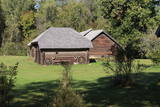 |
Unikāla zemnieku sēta, kurā ietilpst šim novadam raksturīgu celtņu pilns komplekss. Lauku sētas ēkas atspoguļo vismaz 300-400 gadu ilgu latviešu tautas celtniecības attīstības periodu. Teritorijā iespējams nakšņot dzīvojamā ēkā (2 istabas, katrā pa diviem cilvēkiem), kā arī teltīs. Pieejamas piknika vietas. Tāpat iespējams organizēt gan svinīgus pasākumus, gan sportiskas aktivitātes. Dzīvojamā ēkā var organizēt pasākumus līdz ~20 dalībniekiem. |
|
 |
Saimnieks Abula upes krasta nogāzē pirmoreiz Latvijā (1996.g.) uzsāka krūmmelleņu audzēšanu. Tagad šeit zeļ plaši krūmmelleņu lauki. Ogu un stādu tirdzniecība, ekskursija ar degustāciju un konsultācijas, dārzu projektēšana un apzaļumošanas darbu plānošana. |
|
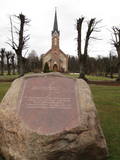 |
Pirmā Piņķos bija koka baznīca. Ideja par jauna dievnama celtniecību radās jau 19. gs. piecdesmitajos gados, taču šīs ieceres projekta gala varianta (arhitekts J. D. Felkso) pamatakmeni ielika 1872. gada 25. maijā. Mūsdienās redzamais dievnams celts laikā no 1872. - 1874. gadam. Deviņreģistru ērģeles izgatavoja pazīstamais ērģeļbūvētājs Vilhelms Zauers 1890. gadā. 1916. g. 17. jūlijā 5. latviešu strēlnieku bataljons, kas devās uz frontes līniju pie Smārdes, apstājās pie Piņķu muižas. Minētajā datumā Piņķu baznīcā pulkvedis Jukums Vācietis noturēja sprediķi (par šo faktu vēsturniekiem ir atšķirīgs viedoklis), kas iegāja Latvijas vēsturē kā viens no pašiem nozīmīgākajiem tā laika notikumiem. Vēsturiskais notikums Aleksandru Čaku rosināja to iemūžināta savā poēmā “Sprediķis Piņķu baznīcā”. Baznīca (kultūras piemineklis) apskatāma arī no iekšpuses. Diennakts tumšajā laikā tā ir izgaismota. Blakus baznīcai atrodas latviešu strēlnieku piemiņai uzstādītais akmens. |
|
 2 dienas
|
Maršruts ved pa dabas parku „Daugavas loki”, ko pagājušā gadsimta astoņdesmitajos gados gribēja appludināt, uzceļot Daugavpils HES. Dabas parka centrālā artērija ir Daugavas senieleja. Daugavas īpatnība ir astoņi lieli upes līkumi - loki, kuru garums sasniedz 4 - 6 km. Upes krasti lielāko augstumu sasniedz t.s. Daugavas vārtos, kur tos iekļauj stāvās un varenās Ververu un Slutišku kraujas. Vairāk kā ½ no teritorijas aizņem meži, kas piemēroti pārgājieniem un dabas vērošanai, ogošanai un sēņošanai. Daugavas ieleja ir floristiskā ziņā viena no bagātākajām Latvijā - tajā ir sastopamas > 800 augu sugas. Šeit ir vērojama multinacionāla vide, kur savijušās latgaļu, lietuviešu, poļu, krievu un baltkrievu tradīcijas un to mantojums. Viena no iecienītām tūristu vietām ir Slutišku sādža, kurai nav līdzīgas citur Latvijā. Maršruta informācija no Latvijas Lauku foruma |
|
 |
Latvijas plostnieku galvaspilsēta ar ikgadējiem plostnieku svētkiem maijā. |
|
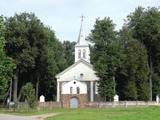 |
Ozolmuižas Sv. Pētera un Sv. Pāvila Romas katoļu baznīca celta
1820. gadā par grāfu Plāteru-Zībergu līdzekļiem. Tā ir akmens būve ar
nelielu zvanu torni. Lielais mūra altāris ir ar četrām kolonnām un ar
lielu masīvu krustu. Valsts nozīmes kultūras piemineklis.
|
|
 |
“Amatnieku namiņš” ir saimnieces izlolota sirds lieta, jeb vieta, kur vienkopus atrodami daudz un dažādi vietējo un apkārtnes novadu amatnieku un mājražotāju darinājumi. Tējas, garšvielas, ievārījumi, dažādi smēriņi, adījumi, kokdarbi, pinumi, ziedi un ziedu kārbas, sveces, krūzes un daudz kas cits ir atrodams tieši “Amatnieku namiņā”. |
|
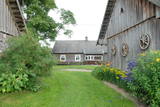 |
Viena no retajām vietām, kur apskatāma un iepazīstama Sēlijas vēsturiskajam novadam raksturīga „dzīva” sēta ar tās plānojumu un tipiskām ēkām. Saimnieki kolekcionē senos sadzīves un saimniecības priekšmetus. Piedāvā ekskursiju, ārstniecības augu kolekciju, melno pirti un sēļu ēdienus. Izejvielas ražo paši un sadarbojas ar zemniekiem. Latviešu virtuve: Plānās pankūkas, grūbu zupa, kartupeļu biezzupa, sautētas pupas īpašā mērcē, buberts, maizes zupa ar putukrējumu, tortes, zāļu tējas. Īpašais ēdiens: Cepelīni. |
|
 |
Dziļezers ar Riebezeru, kā arī pārējie – Mazezers, Auziņu ezers, Skujas ezers un Bruņķītis atrodas subglaciālā (Ledāja veidotā) iegultnē, kuras krastos un nogāzēs aug dažādu tipu, t.sk. platlapju (piemēram, ošu) meži - aizsargājami biotopi. Pie Priedīšu mājām izveidotā un labiekārtotā dabas taka iepazīstina ar Dziļezeru un tā apkārtni. Taka ejama vietējā gida pavadībā. Dziļezera ziemeļaustrumu krastā atrodas laivu bāze.
|
|
 |
Atrodas skaistā vietā – Pilssalas dienviddaļā pie gājēju tilta pār Driksu. |
|
 6 dienas
|
The Baltic Sea littoral on the West coast of Kurzeme is called the Great Wave Sea. The seacoast is mainly sandy. While the Great Wave Sea section is the least populated coastal area in Latvia, at the same time, the third biggest city in Latvia, Liepāja, is also located there. Steep bluffs rise before your eyes on the seacoast between Pāvilosta and Sārnate. The villages are quiet and sparsely populated. At the beginning of the route, you can see the Soviet military heritage in Liepāja Karosta Prison, taste smoked local fish in Pāvilosta and then enjoy one of the most beautiful views of the entire route to the seacoast from Užava lighthouse. The route closes in the port city of Ventspils, where there are various entertainment and sightseeing places, especially for families with children. |
|
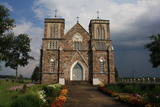 |
Atrodas skaistā vietā – Elernes loka ziemeļdaļā, Daugavas senielejas malā. Mūsdienās redzamais dievnams celts no tēstiem laukakmeņiem iepriekšējo vietā laikā no 1934. - 1961. gadam. Pēc baznīcas uzcelšanas padomju vara tajā izvietoja klubu, tādēļ draudze baznīcu atguva tikai 1989. gadā. Šīs vietas agrākais nosaukums – Naujene (Novene) ir lietuviešu cilmes. Savukārt, Juzefovas vārds cēlies no vietējā muižnieka Juzefa (Jezupa) Šadurska. |
|
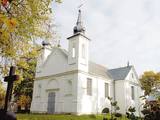 |
Meklējama Kaunatas centrā.Kaunatas draudze jeb misiju punkts pastāvējusi no 1690. gada un rakstos tiek minēti dažādi gada skaitļi par pirmās baznīcas celšanas laiku. Tagadējā mūra baznīca celta 1850. gadā, kad to arī iesvētīja, godinot Jaunavas Marijas vārdu. Dievnamā ir ērģeles (lietošanas kārtībā) un apskatāma svētbilde „Svēto Elizabeti apmeklē Marija”. |
|
 |
Atrodas Viesītes centrā, Raiņa ielā 14. Piemiņas plāksne uz Zaļās koka mājas vēsta, ka laikā no 1902. – 1914. gadam te dzīvojis izcilais latviešu ķirurgs, akadēmiķis un profesors Pauls Stradiņš (1896. – 1958.). Piemiņas istabā apskatāmi eksponāti, kas saistīti ar P. Stradiņu un viņa dzimtu. Šobrīd piemiņas istaba ir slēgta. Plānots, ka 2013. gada tūrisma sezonā tā jau atradīsies bijušajā Viesītes skolā Peldu ielā 2.
|
|
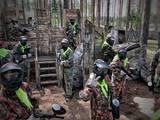 |
Aktīvās atpūtas peintbola parks un kempings ir atvērts apmeklētājiem no 2008. gada un šobrīd ir viens no lielākajiem peintbola parkiem Latvijā. Spriedzes un adrenalīna pilni piedzīvojumi nodrošināti kā skolēnu grupām, tā arī kolektīviem un draugu pulkam. Peintbola parks „Bušas” piedāvā lielus peintbola laukumus, ar šķēršļiem, mājiņām, ejām, torņiem, automašīnām – pilnvērtīgai un aktīvai peintbola spēlei. Peintbola parks „Bušas” ir sertificēts un drošs peintbola parks ar pieredzējušiem instruktoriem, kas seko peintbola spēlei visu tā laiku, lai mazinātu negadījuma iespējas, iepazīstina ar drošības noteikumiem un iepazīstina ar ekipējuma lietošanu. Peintbola parkam ir arī otra lokācijas vieta Rīgā, Matīsa ielā 8 Parkā ir iespējams arī pārnakšņot dažāda tipa naktsmītnēs - lielākā un mazākā kotedžā, pirts mājā, kā arī izmantot kempinga teritoriju telts būvēšanai. |
|
 |
Saimniecība nodarbojas ar sporta zirgu audzēšanu, sniedz zirgu viesnīcu pakalpojumus un var nodrošināt zirgu izmitināšanu brīvā dabā 24/7. Tiek audzēti kumeļi no augstvērtīgiem ērzeļiem: Aromāts (Acorado/Capiotol I), Fumo Twirre MP (Numero Uno/Voltaire), Cool Crack Z (Cornado I/Cassini II). Saimniecībā tiek izmitināti arī citi lauksaimniecības dzīvnieki, kurus viesiem ir iespēja apskatīt, samīļot un pacienāt ar gardumiem. Ir iespēja baudīt lauku gaisotni un apgūt iemaņas, kā izaudzēt veselīgu pārtiku - olas, gaļu, garšaugus. Piedāvājumā arī piknika vietas, noma korporatīviem pasākumiem un bērnu ballītēm, telšu vietas un aktīvās atpūtas iespējas. Ikdienā apkalpo tikai individuālus viesus vai korporatīvus pasākumus, saimniecība netiek piedāvāta plašākai apskatei. |
|
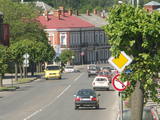 |
"Latgales sirds", kur 9. - 12. gs. pacēlās nocietināta latgaļu pils. 1285. g. Livonijas ordenis latgaļu pils vietā uzsāka mūra pils celtniecību. Pēc Livonijas sabrukuma (Rēzekne Polijas sastāvā) pilsēta nīkuļoja. Ekonomiskā dzīve Rēzeknē atjaunojās 18. gs. otrajā pusē. Pēc Pēterburgas-Varšavas šosejas (1836. g.) un dzelzceļa (1861. g.) izbūves Rēzekne kļuva par Pēterburgas atpūtnieku galamērķi. 2. pasaules kara laikā pilsētas apbūve būtiski cieta. Mūsdienās pilsēta ir nozīmīgs Latgales reģiona ekonomiskais un kultūras centrs. |
|
 7 dienas
|
Our tour leader will meet you at the Riga airport. Depending of the flight time we' ll have an excursion of Riga Old Town and the Central Market listed in UNESCO World Heritage list. Next day we visit potatoes grower near Iecava and successful local multi-sectoral agricultural enterprise at Tervete which combines horse breeding, brewery, crop growing, dairy farm and bio energy production. Also we will visit one of the biggest medical herb growers and producers of the herbal teas. After full day of professional visits, we' ll taste Latvian traditional food and beer in a traditional tavern in Riga. Then we will visit two cattle growers at Sigulda and Cesis area, climb up the tower of Turaida Castle for a great panoramic view and walk charming streets of Cesis Old Town. Afterwards we will visit ecological sheep farm near Valka and stay overnight at the Koni Mill where wool is still processed traditional way, warm blankets and beautiful bed linen made. |
|


