Nature objects in Lithuania
What's special about the nature in Lithuania?
The Curonian spit - a sandy, desert-like stretch of land between the Baltic see and the Curonian Inlet, teh hilly landscapes of the Žemaitija region, the blue mirror labyrinths of the lakes in teh Aukštaitija region, the pine forests in teh Dzūkija region, the curves of the Nemuna river valley, and the many regional nature parks, created not only to protect the nature but also for people's recreation and interest - these are the nature values attracting guests of Lithuania.
Act responsibly - follow the Green advice!
| Overview | Details |
|---|---|
 |
Lithuania
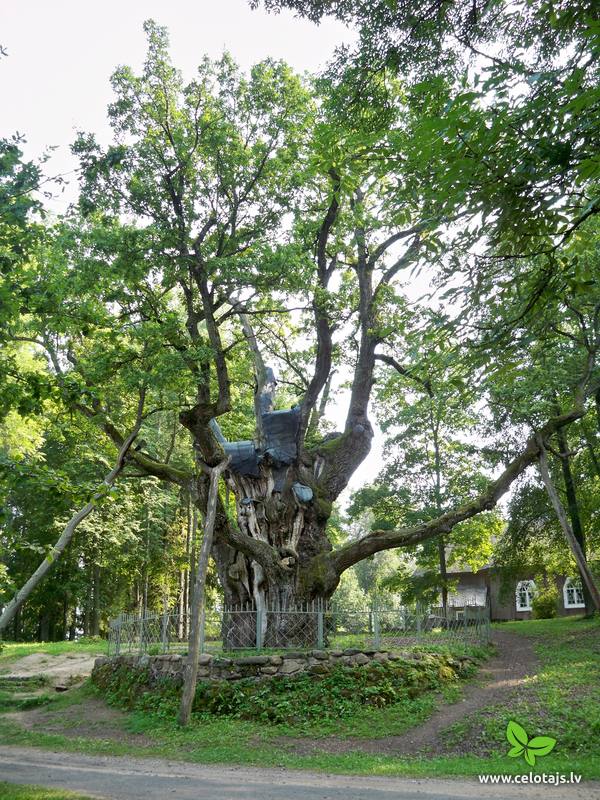
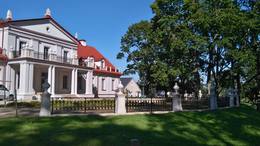
The Ilzenbergo Estate parkThis mixed-type park dates back to the latter half of the 19th century and has remained all but unchanged. It is in a lovely place between two lakes, and its spatial structure was preserved when it was restored. The park covers 10 ha and has two parts. One is a fairly precisely rectangular territory alongside the state, surrounded by a stand of linden trees and introduced trees. The other part has a natural forest. The largest oak tree in the park has been declared to be a protected element of natural heritage. The mighty trunk of the tree is 6.3 m around, has a 2m diameter and stands 30.5 m high.  1-12 


Services
1-12 Active season monthsServices - amenities
Accommodation availableServices - other
Accepts tourist groups
Accepts individual travellers
This destination has specific opening hours which you must determine in advance
Optional meals |
 |
Lithuania
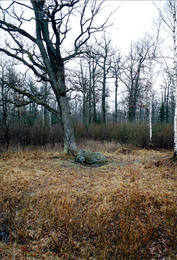
The Neries Regional ParkThis territory was established to protect the lovely central section of the Neries River, local species, and Lithuania’s largest oak forest.
ServicesServices - recreational
Boat tourTake a two-day boat ride down the Neries River, from Grigiškės to Kernavė. 
Bicycle trailBike the Neries tourism route on the left bank of the river (23 km). 
Nature trailHike the Dūkštos oak forest trail (2.3 km) or the Dūkštos walking trail (5 km). 
Nature watchingViews at the place where Route 108 arrives at the right bank of the Neries River in the river valley. For more information: www.neriesparkas.lt (available in English). |
 |
Lithuania
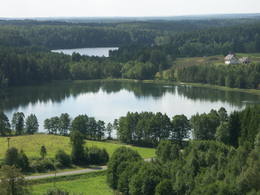
The Labanoras Regional ParkThis territory is rich with forestland and lakes (some 285 in all). There are extensive opportunities for active recreation or calm leisure.
Services
82km - Distance from countries capital cityServices - recreational
Boat tourTake a one or two-day boat ride through the park’s lakes and streams.
Nature trailHike the Peršokšnai information trail (4 km).
Nature watchingThere’s a viewing tower at the Ethno-Cosmology Museum. A visitor centre is found in the village of Labanora. For more information: www.labanoroparkas.lt (only in Lithuanian). |
 |
Lithuania
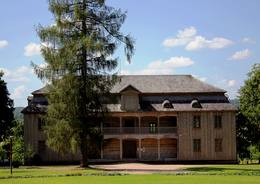
The Kurtuvenai Estate ParkThis estate is surrounded by an ancient and geometric landscape. During the latter half of the 19th century, it had a landscape style with various elements of geometry. The park covers 4.2 ha and has ancient linden, maple, elm, oak and other decorative bushes, with more than 20 types of plants that have turned into wood. 1-12
Services
1-12 Active season monthsServices - other
Accepts tourist groups
Accepts individual travellers
This destination has specific opening hours which you must determine in advance |
 |
Lithuania
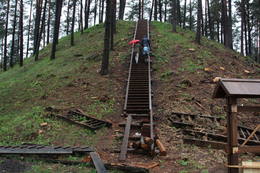
Ginucu pilskalns (Ginucių piliakalnis)Viens no lielākajiem Augštaitijas pilskalniem, kas 2011. g. pēc vērienīgiem rekonstrukcijas darbiem ir izzināms jaunā kvalitātē - gan no infrastruktūras, gan arī ainaviskā viedokļa, jo iepriekš biezais pamežs (tagad retināts) traucēja uztvert iespaidīgo objektu. Arī no pilskalna plakuma paveras labs skats uz diviem blakus esošajiem ezeriem. Tā virsotnē apskatāms piemiņas akmens, kas vēsta par pirmā Lietuvas valsts prezidenta Antana Smetona (Antanas Smetona) apmeklējumu 1934. g. viņa 60 gadu jubilejā. Pilskalns it ticis apdzīvots jau I tūkstošgadē pirms Kristus. Uzskata, ka 14. – 15. gs. te atradusies hronikās aprakstītā Linkmenu pils. Jaunizveidotā taka pilskalnu savieno ar vēl vienu populāru apskates objektu – Ladakalni. 122
Services
122km - Distance from countries capital city |
 |
Lithuania
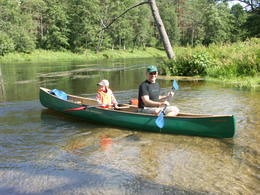
Ula (Ula) un Merke (Merkys)Ūla ir viena no skaistākajām un likumsakarīgi – arī populārākajām Lietuvas ūdenstūristu upēm. Tās galvenā pievilcība ir skaistā ainava ar augstajiem upes krastiem, kuros slejas iespaidīgas smilšu kraujas līdzīgi kā Irbes krastos Latvijā. Laivošanu var sākt no Mančagires (Mančiagirė) vai Zervinos ciemiem un turpināt līdz Ūlas ietekai Merķē un tālāk pa Merķi līdz pat Merķinei un Nemunai. Ūla nav plata, taču posmā no Zervinos ciema tajā nav neviena koku aizgāzuma vai cita šķēršļa, kuram laiva būtu jānes apkārt. Ašā straume, asie līkumi, dzidrais ūdens un tajā redzamā zemūdens pasaule rada patiesi patīkamu sajūtu! Upes krastos atrodas gan publiskas (apsaimnieko Lietuvas valsts meži), gan privātas ūdenstūristu apmetnes un atpūtas vietas. Šī ir vienīgā Baltijas upe, kur ūdenstūristiem ir jāpērk licence. Ūlas krastos atrodas divi interesanti apskates objekti – Ūlas atsegums (Ūlos atodanga) un spēcīgs avots – Ūlas acs (Ūlos akis). Savukārt, Merķe jau ir jau krietni platāka upe, taču ar acīm redzamu straumi un dažviet pat jaukām straujtecēm. Kaut arī Merķes krasti ir mazapdzīvoti, tajos atradīsim piemērotas nakšņošanas vietas. Pa Ūlu un Merķi no Zervinos līdz Merķinei sanāk „mierīgs” pusotras - divas dienas ilgs brauciens. |
 |
Lithuania
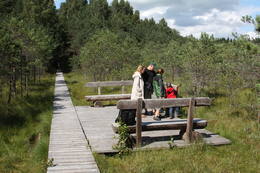
Varniku izzinas taka (Varnikų pazintis takas)Varniku mežā (Varnikų miškas) ir izveidota patiesi interesanta dabas izziņas taka, kas iet cauri dažādiem biotopiem – skujkoku un ozolu mežiem, purvainu mežu un sūnu purvu ar akačiem un nelieliem purva ezeriņiem, kur uzceltas divas skatu platformas. Mitrajās vietās un purvā ir izveidotas koka laipas. Šī ir populāra pastaigu vieta. Taka ir lokveida un marķēta. Tās apskatei būs nepieciešama ~ pusotra stunda. |
 |
Lithuania
The Varniai Regional ParkIn the central part of the Žemaitija Highland, this park was established to protect local landscapes. Lithuania’s highest hillocks are found here – Mėdvegalis (235 m above sea level) and Šatrija (229 m). There are also other hillocks which offer a great view of the area – make up your own tour here.
ServicesServices - recreational
Nature trailHike the Debesnos botany trail (2 km).
Nature watchingViews from the Mėdvegalis, Šatrija, Moteraitis and Bilioniai castle hills. There’s a visitor centre at Varniai. For more information: www.varniai.lt (only in Lithuanian). |
 |
Lithuania
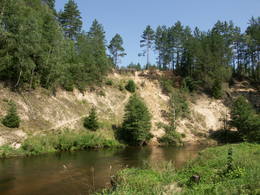
The Dzukija National ParkThis territory is Lithuania’s most forested area, and people here have always lived in accordance with nature. Local treasures include berries, mushrooms, honey, clean water from streams and rivers, etc. People here have engaged in various crafts, as well as in beekeeping.
Services
110km - Distance from countries capital cityServices - recreational
Boat tourTake a one or two-day boat ride down the Ūla River (you will need a permit, which can be obtained at the visitor centre in Marcinkonys). Boat to the Merkys River and then down the Merkys River to Merkinė.
Bicycle trailBike the route Marcinkonys-Puvočiai-Mardasavas-Mančiagirė (or Zerviynos)-Marcinkonys (up to 40 km).
Nature watchingViews in the Džukija forests. Views from the Ūla cliff and the Liškiava and Merkinė castle hills. There are visitor centres in Marcinkonys and Merkinė. For more information: www.dzukijosparkas.lt (available in English). |
 |
Lithuania
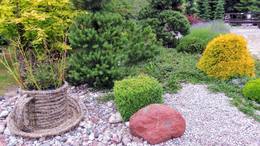
The University of Klaipeda Botanical GardenThe botanical garden was established in 1993 in the lovely Dane River valley. It covers approximately 9.3 hectares, and in 2002, it was given the status of a dendrological park.  4-9 
Services
4-9 Active season monthsServices - other
Accepts individual travellers
Accepts tourist groups
This destination has specific opening hours which you must determine in advance
Must register in advance |
 |
Lithuania
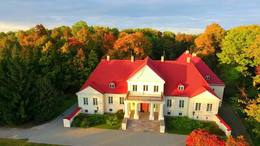
The Joniskelis Estate parkThe Jakiškiu Estate was first mentioned in documents in the late 16th century. The estate had elements of Classicism in terms of its architecture. Among the buildings, the only ones that have survived are the mansion, an ice cellar and a steam-driven windmill. The estate has not been restored, so it is still authentic. Its artistic soul is preserved by various objects that remain from the time when people lived at the estate and from the Soviet era. Alongside the estate are a few fragments of a park, which covers approximately 2 ha. There is an ancient alley of linden trees that are on both sides of the entrance road, as well as several other valuable types of trees and a small pond. 1-12
Services
1-12 Active season monthsServices - other
Accepts tourist groups
Accepts individual travellers
This destination has specific opening hours which you must determine in advance |
 |
Lithuania
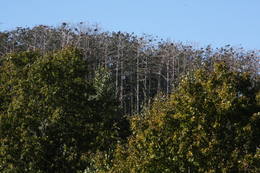
Garnu kalns (Garnių kalnas)Aiz Jodkrantes (Nidas virziens) ceļa labajā pusē ir izveidots autostāvlaukums un labiekārtota vieta, no kuras apskatāma Lietuvas (atrodamas ziņas, ka arī Eiropas) lielākā zivju gārņu Ardea cinerea un jūras kraukļu Phalacrocorax carbo kolonija, kur kopā varētu būt ~ 3000 putnu. Neaizmirstiet līdzi paņemt tālskati! 355
Services
355km - Distance from countries capital city |
 |
Lithuania
The Panemunių Regional ParkThis park covers the Nemuna River valley between the villages of Seredžius and Geldaudišķis, with lovely views of castle hills, medieval castles, aristocratic estates, etc., along the shores.
Services
156km - Distance from countries capital cityServices - recreational
Bicycle trailBike from Seredžius to Jurbarkas (47 km).
Nature watchingViewing areas from the Seredžius castle hill, the Veliuona castle hill, and the local church. There’s a visitor centre at Šilinė. For more information: www.prpd.lt (only in Lithuanian). |
 |
Lithuania
Regionalpark GrazutėsGegründet für den Schutz der Landschaften und der Seen der Aukštaitija-Anhöhe, Arten und Biotope. 139
Services
139km - Distance from countries capital city |
 |
Lithuania
Botanikas takaKaut arī Augštaitijas nacionālo parku uzskata par floristiskā ziņā ļoti bagātu teritoriju, šī ir vienīgā vieta, kur varam iepazīt augu valsts bagātību. To īstenot palīdz takas malās izvietotie informācijas stendi. 3,8 km garās lokveida takas sākums ir meklējams Palūšē, Lūšu (Lūšiai) ezera galējā austrumu punktā. Taka ved gar ezera krastu, mežainām kāpām, nelielu strautu ielejām un pa purvāju. Nenomaldīties palīdz krāsu marķējums uz koku stumbriem. 113
Services
113km - Distance from countries capital city |
 |
Lithuania
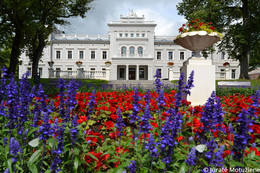
The Plunge Estate parkThe Plunge Estate is famous because its park, which is a mixed-type park that was established during the 18th and 19th century at a holy forest that used to be a sacrificial place. The pride and joy of the park is the Thunder oak tree, a legendary weeping linden tree and an elm tree with five trunks. The lord of the state ordered the digging of seven ponds with cascades. These are linked by rock bridge sluices. The Babrungo River, which flows alongside the estate offers an outstanding landscape for the park. 1-12
Services
1-12 Active season monthsServices - other
Accepts individual travellers
Accepts tourist groups
This destination has specific opening hours which you must determine in advance |
 |
Lithuania
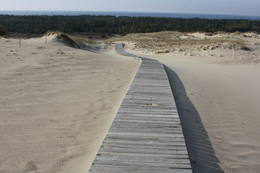
The Dunes of Courland National ParkThis is the only place in the Baltic States where there is such a vast territory of open-air sand dunes which still change the local terrain very actively because of the wind. The only Sea Museum and Dolphinarium in the Baltic States can be found here.
Services
325km - Distance from countries capital cityServices - recreational
Bicycle trailYou can bike from Nida to Smiltynė (>50 km along a bike route).
Nature trailHike the Raganu Hill trail (1.6 km), the Naglių pathway in the sandy area of the nature reserve (~1.5 km), or the Parnidžio dune information trail (~2 km).
Nature watchingWatch for birds on Garnių Hill and throughout the area during migration season. Views from the Naglių and Parnidžio dunes, as well as from the Hageno and Miškos galva dunes. For more information: www.nerija.lt (available in English). |
 |
Lithuania
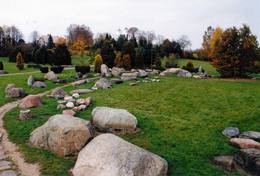
The Salantai Regional ParkThe terrain in this territory was created during the Ice Age. There are the ancient river valleys of the Minija, Salantas and Erla rivers, along with groups of rocks.
ServicesServices - recreational
Nature trailFor hikers, the largest collection of open-air rocks can be found in the village of Mosėdis (the collection was put together by Vaclavas Intas). There is also a museum of unique rocks there. At Salantai-Orvydų sodyba is a unique farm with installations featuring rocks and other objects. You can also hike the Šaukliai nature trail (2 km). For more information: www.salanturp.lv (only in Lithuanian). |
 |
Lithuania
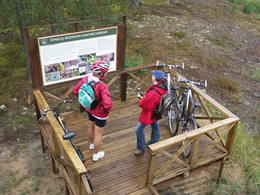
The Cepkelių Nature ParkThis is Lithuania’s largest mossy swamp, and the Čepkeliu Nature Reserve was established to protect it. Before visiting the swamp, you must register at the Dzūkijos National Park’s visitor centre (Marcinkonys, Šilagėlių gatve 11). ServicesServices - recreational
Nature trailYou can hike or bike a sandy forest road from Marcinkonys (where the reserve has a museum) (~5 km), which will bring you to the western edge of the swamp. There’s a viewing tower atop a high dune, and from there you will be able to scan a broad territory. There’s a 1.5 km trail right there with a viewing platform atop the swamp. For more information: www.cepkeliai.lt (only in Lithuanian).
|
 |
Lithuania
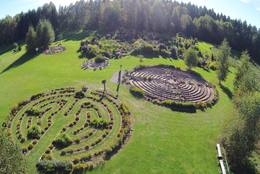
The Energetic Labyrinth and Geometric Figure ParkThis park has five labyrinths with decorative plants, flowers and various kinds of medicinal plants. The longest path in the labyrinth is 1.7 km long. The total distance of the paths is 4.5 km. The park has three geometric figures -- a cupola, a mandala and a Merkabah. 1-12

Services
1-12 Active season monthsServices - other
Accepts individual travellers
Accepts tourist groups
This destination has specific opening hours which you must determine in advance
Pre-order required
Optional meals |
 |
Lithuania
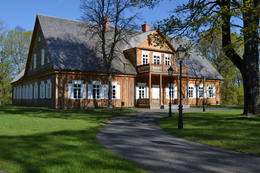
The Birzuvenai Estate ParkThis park surrounds the mansion of the Biržuvenai Estate, and it is based on the terrain of the Virvite River and an old river that provides water for the park. The central part of the park is regularly designed, while the rest has elements of landscape. Opposite the estate is a glass sculpture, and on its western side is a wooden pergola. Local trees dominate in the park, but there are also trees from other countries. Of importance is a group of oak trees on the banks of the river, as is an alley of linden trees that leads to the pond in the direction of the estate. 1-12
Services
1-12 Active season monthsServices - other
Accepts individual travellers
Accepts tourist groups
This destination has specific opening hours which you must determine in advance |
 |
Lithuania
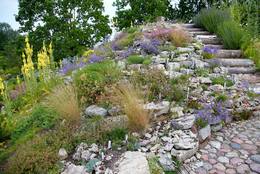
Vilnius University Siauliai Academy Botanical GardenThe botanic garden is part of the Siauliai University and is the newest and smallest botanical garden in Lithuania, covering 6.54 ha of land.
3-10
Services
3-10 Active season monthsServices - other
Accepts tourist groups
Accepts individual travellers
This destination has specific opening hours which you must determine in advance
Must register in advance |
 |
Lithuania
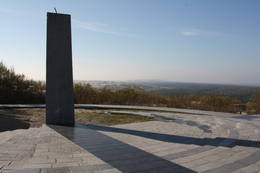
Parniddene DüneIn der Umgebung von der 52 m hohen Parniddenen Düne sind die im 18. Jh. bei einem Holzeinschlag entstandene Wanderdünen zu sehen! Aussichtsplatz. 358
Services
358km - Distance from countries capital city |
 |
Lithuania
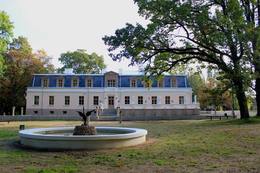
The Zagare Regional ParkŽagare has long since been known for a special type of cherries. There are various varieties which only differ in terms of when they are ripe and productive. There are different types of trees. The cherries grow at nearly home, and that is an exclusive symbol of Žagare. |
 |
Lithuania
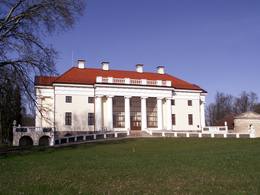
The Pakrujo Estate parkThis landscape park has survived to the present day and was installed between 1850 and 1860. On one side the territory has a boundary that is the dammed Kruoja River, and on the other side there is a fence made of fieldstones. The English park principles at that time meant that advantage was given to a natural landscape with imitations of nature. There are some 26 types of trees in the park, and some of them were introduced from various parts of the world a few centuries ago. 1-12
Services
1-12 Active season monthsServices - amenities
Accommodation availableServices - other
Accepts individual travellers
Accepts tourist groups
This destination has specific opening hours which you must determine in advance
Must register in advance
Optional meals |
 |
Lithuania
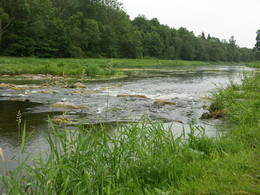
The Dubysa Regional ParkThis park was set up to protect the lovely ancient valley of the Dubysa River. This is one of the most popular rivers for water tourism in Lithuania, because it has a significant drop with rapids and beautiful shorelines.
ServicesServices - recreational
Boat tourA one-day boat trip from the Raseiniai-Baisogala road bridge to the Ariogala bridge. For more information: www.dubysa.info (very little information available in English). |
 |
Lithuania
The Kurtuvėnai Regional ParkThis is a small area with lots of different terrains – high hillocks, distinct river valleys, thermal streams, continental dunes, etc.
ServicesServices - recreational
Bicycle trailBike around Kurtuvėnai. For more information: www.kurtuva.lt (available in English).
Nature trailHike the Vainagių forest trail (4.3 km) or the Juodlė information trail (4.5 km). |
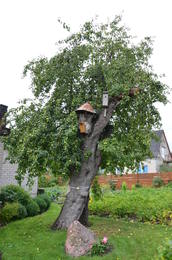 |
Lithuania
Oldest apple tree in LithuaniaThe oldest apple tree in Lithuania is a forest apple tree and is part of the country's botanical heritage and the only protected apple tree in Lithuania.
|
 |
Lithuania
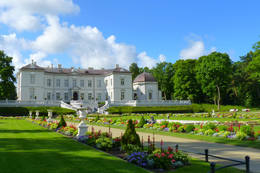
The Palanga Botanical GardenThe Palanga Botanical Garden surrounds the Palanga Amber Museum and is one of Lithuania's most beautiful and well-kept parks. It is in the area of the St Birute Forest, and it is familiarly known as the Birute Park. The park covers 101.3 ha of land, and offers a wide variety of landscapes, carefully organised trails, flowerbeds, two ponds and small architectural elements. 1-12
Services
1-12 Active season monthsServices - other
Accepts individual travellers
Accepts tourist groups
This destination has specific opening hours which you must determine in advance |
 |
Lithuania
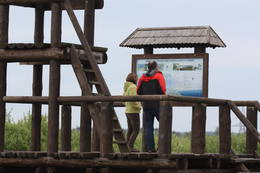
Putnu verosanas tornisReškutenu (Reškutėnai) ciema apkārtnē ir atjaunots neliels mitrājs, kura malā uzcelts putnu vērošanas tornis. Ja paveicas, pavasaros te var dzirdēt vai redzēt tādas retas un aizsargājamas putnu sugas kā ķikutu Gallinago media, ormanīti Porzana porzana, melnkakla dūkuri Podiceps nigricollis, griezi Crex crex u.c. Ciema ainava īpaši pievilcīga ir pieneņu un ābeļu ziedēšanas laikā. No putnu vērošanas torņa var redzēt vietas, kur akmens laikmetā dzīvojuši cilvēki. Blakus esošajā purvainajā pļavā bijis ezera līcis, kur tika būvēti ciemati līdzīgi kā Āraišu ezerpils gadījumā. 108
Services
108km - Distance from countries capital city |