Nature objects in Lithuania
What's special about the nature in Lithuania?
The Curonian spit - a sandy, desert-like stretch of land between the Baltic see and the Curonian Inlet, teh hilly landscapes of the Žemaitija region, the blue mirror labyrinths of the lakes in teh Aukštaitija region, the pine forests in teh Dzūkija region, the curves of the Nemuna river valley, and the many regional nature parks, created not only to protect the nature but also for people's recreation and interest - these are the nature values attracting guests of Lithuania.
Act responsibly - follow the Green advice!
| Overview | Details |
|---|---|
 |
Lithuania
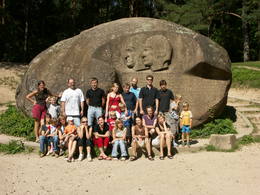
The Anyksciai Regional ParkThe “backbone” to this park is the valley of the Šventoji (Holy) River. One of the most impressive Devonian cliffs in Lithuania can be seen from the river – Vetygalos atodanga. On the shores of the Varius stream is a cliff made of quartz and sand – Variaus atodanga. 6 km to the S of Anykščiai is Lithuania’s second largest rock (5.7 m high, ~100 m3) – Puntukas akmuo.
ServicesServices - recreational
Boat tourBoat from Anykščiai to Kavarskas (one day), or boat in Lake Rubikiai. 
Bicycle trailBike the route Anykščiai-Puntukas-Anykščiai (12 km). 
Nature trailHike the Švenoji trail (5.5 km). 
Nature watchingViews from cliffs and the Šeimyniškėliai castle hill. For more information: www.anyksciuparkas.lt (available in English). |
 |
Lithuania
Veisieji regionalais parksVeisieji reģionālais parks (Veisiejų regioninis parkas) veidots (1992.g.) Sudavas augstienes (Sūduvos aukštuma) ainavu, bioloģiskās daudzveidības un kultūras pieminekļu aizsardzībai. Viena no parka bagātībām ir ezeri, kuru iegarenās formas liecina par ledāja darbības rezultātu. Pēdējā apledojuma laikā šeit atradusies ledāja mala. Ezerus (kopā – 37) ieskauj lielāki meža masīvi uz kontinentālām (iekšzemes) kāpām, kas piemēroti atpūtai dabā, dabas vērošanai, ogošanai un sēņošanai. Parkā ir iekārtotas peldvietas, kur patīkami gremdēties vasaras tveicē, izveidotas dabas takas, bet mazās upītes, kas savieno ezerus, ir piemērotas braucieniem ar kanoe laivām. Veisieji reģionālā parka teritorijā ir liela augu un dzīvnieku daudzveidība. Šeit tiek aizsargātas arī tādas retas sugas kā Eiropas kokuvarde Hyla arborea (parka simbols), purva bruņurupucis Emys orbicularis, dažādas orhideju sugas u.c. 
 138 138
Services
138km - Distance from countries capital city |
 |
Lithuania
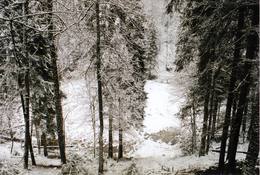
The Aukstadvaris Regional ParkThis territory in the northern part of the Dzūkija Highlands with lots of hillocks and lakes. The most interesting tourist destination is Velnio duobė (Devil’s Flowerbed) – a funnel-shaped hole that is up to 40 m deep and 200 m wide and is thought to have originated during the Ice Age.
Services
56km - Distance from countries capital cityServices - recreational
Nature trailVelnio duobė is the most interesting geological formation of its type in the Baltic States – hike to it.
Nature watchingViews from the Aukštadvaris castle hill. For more information: www.aukstadvaris.lt/parkas.htm (only in Lithuanian). |
 |
Lithuania
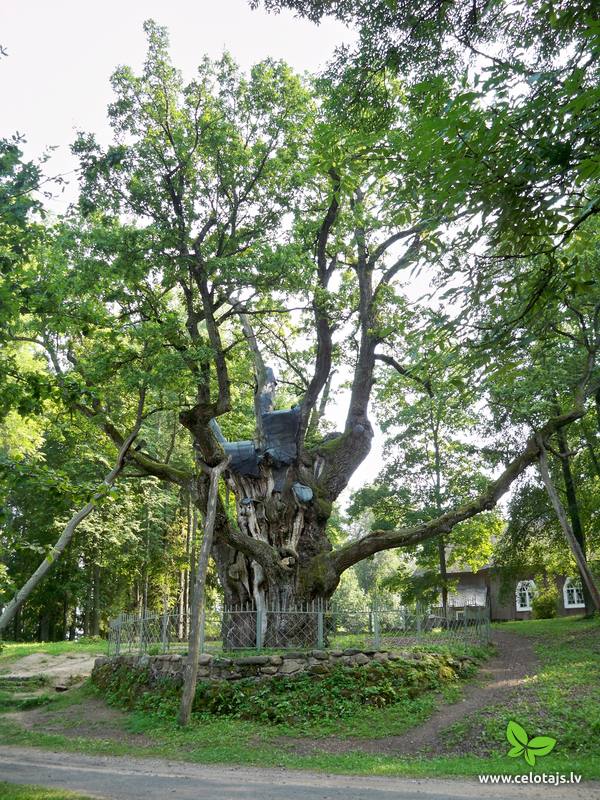
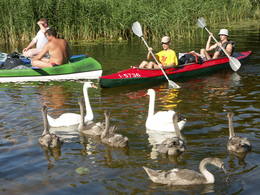
The Stelmuze Estate parkThis park dates back to the mid-18th century and is to the south of Lake Stelmuže. There are winding trails on all sides of the hillock that lead to the Christ the King Church, with linden, maple, oak, birch, fir, elm and pine trees. At the foot of the hillock is the Laime stream, and visitors are welcome to stroll along the alley of oak trees. The oldest and fattest oak tree in Lithuania is one of the oldest ones in Europe. It is though that it is 1,500 to 2,000 ears old, and its record-setting diameter is 3.5 metres (eight or nine people linking hands are needed to encircle it). The tree is 23 m high.  1-12 1-12


Services
1-12 Active season monthsServices - other
Accepts individual travellers
Accepts tourist groups |
 |
Lithuania
The Aukstaitija National ParkThis was the first national park in Lithuania, and it is in the northern part of the Aukštaitija Higland, where hillocks interweave with lots of little lakes and ethnographic villages. Many of the lakes are connected with streams, forming long chains of lakes that are perfect for water tourists.
Services
124km - Distance from countries capital cityServices - recreational
Boat tourSpend one or two days boating along the lakes of the national park (Palūšė-Ginunčiai, Palūšė-Kaltanėnai, etc.).
Bicycle trailBike the route Ignalina-Palūšė-Antalksnė-Ginučiai-Stripeikiai-Trainiškis-Ignalina (45 km).
Nature trailHike the Palūšė botany trail (3.5 km).
Nature watchingA bird-watching tower at Reškutėnai, views from Ladakalnis Hill. There’s a visitor centre at Palūšė. For more information: www.anp.lt (available in English). |
 |
Lithuania
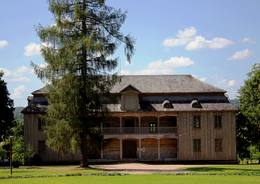
The Kurtuvenai Estate ParkThis estate is surrounded by an ancient and geometric landscape. During the latter half of the 19th century, it had a landscape style with various elements of geometry. The park covers 4.2 ha and has ancient linden, maple, elm, oak and other decorative bushes, with more than 20 types of plants that have turned into wood. 1-12

Services
1-12 Active season monthsServices - other
Accepts tourist groups
Accepts individual travellers
This destination has specific opening hours which you must determine in advance |
 |
Lithuania
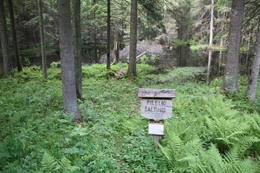
Plokstines izzinas taka (Plokstinės pazintinis takas)Ja apskatīta kodolraķešu bāze, tad var iziet 3,2 km garo Ploštines izziņas taku, kas sākas turpat netālu. Taka ved cauri dažādiem mežu tipiem, iepazīstinot ar sikspārņu būrīšiem (cilvēka radītas sikspārņu dzīves vietas), apkaimes augiem un putniem, kā arī aizsargājamu dabas pieminekli – Pileļu avotu (Pilelio šaltinis). 302
Services
302km - Distance from countries capital city |
 |
Lithuania
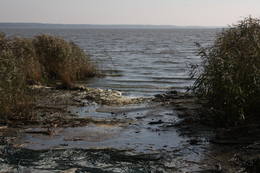
Kurisches HaffDas beinah 100 km langes und bis zu 36 km breites aus dem Süßwasser bestehende Haff, das im Norden mit der Ostsee verbunden ist. Das Haff trennt vom Merr die eindrucksvolle Kurische Nehrung. Ins Kurische Haff mündet der größte Fluss Litauens Nemunas ein. 310
Services
310km - Distance from countries capital city |
 |
Lithuania
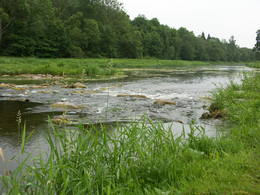
The Dubysa Regional ParkThis park was set up to protect the lovely ancient valley of the Dubysa River. This is one of the most popular rivers for water tourism in Lithuania, because it has a significant drop with rapids and beautiful shorelines.
ServicesServices - recreational
Boat tourA one-day boat trip from the Raseiniai-Baisogala road bridge to the Ariogala bridge. For more information: www.dubysa.info (very little information available in English). |
 |
Lithuania
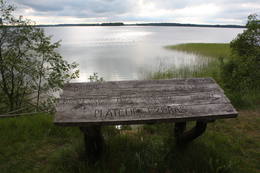
Platelu ezers (Platelių ezeras)Nacionālā parka galvenā ainavas dominante. Ezers ir ~ 8,4 km garš un līdz 3,3 km plats. Tā austrumu krasti pārsvarā ir ar mežiem apauguši, ziemeļrietumu krasts – purvains, bet rietumu krastā parādās apdzīvotas sētas un simpātiskā Plateļu (Plateliai) pilsētiņa, kur meklējamas skaistākās skatu vietas. Ezera krastos ir labi attīstīta infrastruktūra - tūristu mītnes, ēdināšanas uzņēmumi (Plateļos), ūdenssporta un atpūtas inventāra noma. Ūdens dzidruma dēļ, Plateļu ezeru ir iecienījuši zemūdens niršanas entuziasti. Ezerā ir vairākas salas, no kurām interesanta ir Pils salas (Pilies sala), uz kuras no 15. – 16. gs. atradās muiža. Pastāv uzskats, ka senie Plateļu apkārtnes iedzīvotāji sākotnēji ir dzīvojuši uz salas, kuru ar krastu savienojis uz pāļiem celts tilts. Jāpiemin, ka 15 gs. pirmoreiz pieminētā Plateļu pilsētiņa atradusies uz Šventorkalņa (Šventorkalnis) kalna. Apkārt Plateļu ezeram ir izveidots ~ 24 km garš velomaršruts. Tā ir ļoti laba iespēja iepazīt parku videi un ceļotāja veselībai draudzīgā veidā. 307
Services
307km - Distance from countries capital city |
 |
Lithuania
The Kurtuvėnai Regional ParkThis is a small area with lots of different terrains – high hillocks, distinct river valleys, thermal streams, continental dunes, etc.
ServicesServices - recreational
Bicycle trailBike around Kurtuvėnai. For more information: www.kurtuva.lt (available in English).
Nature trailHike the Vainagių forest trail (4.3 km) or the Juodlė information trail (4.5 km). |
 |
Lithuania
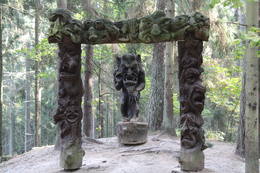
HexenhügelEine große parabolische Düne mit einer Ausstellung der Holzskulpturen unter freiem Himmel, die der litauischen Mythologie gewidmet sind. Die Skulpturen haben litauische Meister der angewandten Kunst angefertigt. 354
Services
354km - Distance from countries capital city |
 |
Lithuania
The Zagare Regional ParkŽagare has long since been known for a special type of cherries. There are various varieties which only differ in terms of when they are ripe and productive. There are different types of trees. The cherries grow at nearly home, and that is an exclusive symbol of Žagare. |
 |
Lithuania
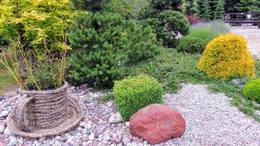
The University of Klaipeda Botanical GardenThe botanical garden was established in 1993 in the lovely Dane River valley. It covers approximately 9.3 hectares, and in 2002, it was given the status of a dendrological park.  4-9
4-9

Services
4-9 Active season monthsServices - other
Accepts individual travellers
Accepts tourist groups
This destination has specific opening hours which you must determine in advance
Must register in advance |
.JPG?size=260) |
Lithuania
The Trakai Historical National ParkThis park was established mostly to protect a wide range of cultural and historical objects such as the Trakai lake castle, the ancient Trakai cloister, the Užutrakai castle, the Bražole castle hill, the heritage of ancient local tribes, etc.
Services
28km - Distance from countries capital cityServices - recreational
Boat tourTake a one-day boat ride on the Totoriškių, Galvė, Skaistis and Luka lakes.
Bicycle trailBike the route Trakai-Totoriškės-Raudonė I-Kariotiškės-Rubežius-Trakai (25 km).
Nature trailHike the Varnikai information trail (3.5 km).
Nature watchingViews from the northern part of Lake Galvė. There’s a visitor centre in Trakai. For more information: www.seniejitrakai.lt (available in English). |
|
|
Lithuania
Regionalpark GrazutėsGegründet für den Schutz der Landschaften und der Seen der Aukštaitija-Anhöhe, Arten und Biotope. 139
Services
139km - Distance from countries capital city |
 |
Lithuania
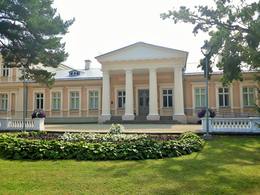
The Renavo Estate ParkDating back to the 19th century, this is a characteristic and beautiful park in Lithuania. There is no shortage of exotic trees in the park, including maples, lindens, elms, firs, oaks, etc. The pride of the park is Lithuania's fattest fir tree with a diameter of 1.2 m, as well as a linden tree with six branches that, over the course of time, have become vertical trunks on their own. Entry to the park is via a pergola that is covered with ivies. 1-12
Services
1-12 Active season monthsServices - other
Accepts individual travellers
Accepts tourist groups
This destination has specific opening hours which you must determine in advance |
 |
Lithuania
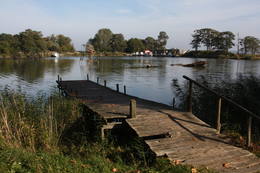
Bernsteinhaff1855, als einen Schiffahrtsweg getieft wurde, wurde im Haff unerwartet eine Bernsteinablagerung gefundet. In der Zeit zwischen 1860 und 1890 wurde dort 2250 Tonen Bernstein gewonnen, einbezogen einzigartige Bernsteingegenstände aus der Jungsteinzeit und der Bronsezeit. 319
Services
319km - Distance from countries capital city |
|
|
Lithuania
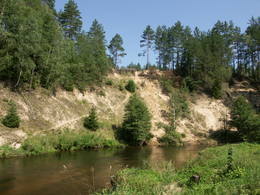
Burgberg SeredziausEine der malerischischen Burgberge am Fluss Nemunas mit schöner Sicht aufs Flusstal. In 13 – 14 Jh. befand sich hier eine militäre Festung, die nicht erhalten ist. 145
Services
145km - Distance from countries capital city |
 |
Lithuania
The Dzukija National ParkThis territory is Lithuania’s most forested area, and people here have always lived in accordance with nature. Local treasures include berries, mushrooms, honey, clean water from streams and rivers, etc. People here have engaged in various crafts, as well as in beekeeping.
Services
110km - Distance from countries capital cityServices - recreational
Boat tourTake a one or two-day boat ride down the Ūla River (you will need a permit, which can be obtained at the visitor centre in Marcinkonys). Boat to the Merkys River and then down the Merkys River to Merkinė.
Bicycle trailBike the route Marcinkonys-Puvočiai-Mardasavas-Mančiagirė (or Zerviynos)-Marcinkonys (up to 40 km).
Nature watchingViews in the Džukija forests. Views from the Ūla cliff and the Liškiava and Merkinė castle hills. There are visitor centres in Marcinkonys and Merkinė. For more information: www.dzukijosparkas.lt (available in English). |
|
|
Lithuania
Tituvenu regionalais parksTītuvēnu reģionālais parks (Tytuvėnų regioninis parkas) dibināts 1992. gadā. Parkam raksturīga ainavu daudzveidība – te ir sastopami lieli mežu masīvi, purvi, ezeri, upītes. Šejienes reljefa veidotājs tāpat kā citur Baltijas valstīs ir bijis ledājs, kas atnesis un atstājis aiz sevis garas laukakmeņu grēdas. Kopumā parkā ir konstatētas 603 augu un 787 dzīvnieku sugas. Parkā aug veci un dabiski boreālie (ziemeļu) meži, veci un jaukti platlapju meži ar ozoliem, liepām, kļavām, ošiem un gobām, sugām bagāti egļu meži, staignāju meži, nogāžu un gravu meži, purvaini meži un aluviālie (pārplūstošie) meži. Parkā esošās pļavas un tīrumi ir nozīmīga dzērvju atpūtas vieta migrāciju laikā, kad te pulcējās tūkstošiem putnu. Šiluvas baznīca un Tītuvēnu klosteris ir svētceļnieku galamērķis vairāk nekā 500 gadu garumā.
200
Services
200km - Distance from countries capital city |
 |
Lithuania
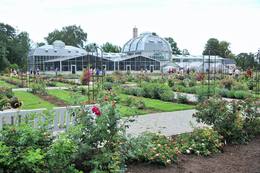
The Vytautas the Great University's Kaunas Botanical GardenThis botanical garden was opened in 1923 as a scholarly centre. The garden covers more than 60 hectares, and approximately 30 ha are open to the public.
4-10

Services
4-10 Active season monthsServices - amenities
No pets allowedServices - other
Accepts tourist groups
Accepts individual travellers
This destination has specific opening hours which you must determine in advance
Must register in advance |
 |
Lithuania
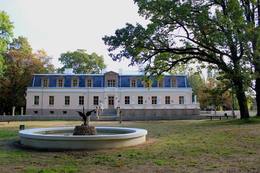
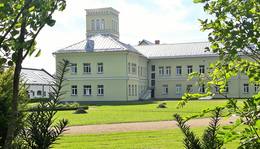
The Rietavas Estate ParkThe Rietavas Park was once the largest landscape park in Lithuania. It was established between 1848 and 1855 in a naturally cleaned forest and reconstructed in 1904 and 1905. This is a very nice park with local bushes and trees, as well as several foreign plants. Various alleys of trees and fragments of the hedges have been preserved along with the white gate, the red gate and a guard's hut. The park has a complex system of bodies of water, including a few ponds, a curvy river and an island that is surrounded by the old river. 1-12
Services
1-12 Active season monthsServices - other
Accepts individual travellers
Accepts tourist groups
This destination has specific opening hours which you must determine in advance |
 |
Lithuania
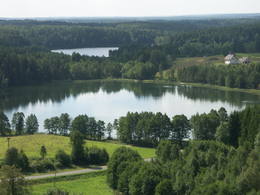
The Labanoras Regional ParkThis territory is rich with forestland and lakes (some 285 in all). There are extensive opportunities for active recreation or calm leisure.
Services
82km - Distance from countries capital cityServices - recreational
Boat tourTake a one or two-day boat ride through the park’s lakes and streams.
Nature trailHike the Peršokšnai information trail (4 km).
Nature watchingThere’s a viewing tower at the Ethno-Cosmology Museum. A visitor centre is found in the village of Labanora. For more information: www.labanoroparkas.lt (only in Lithuanian). |
 |
Lithuania
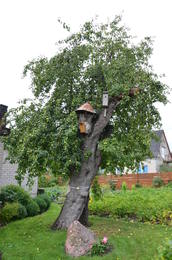
Oldest apple tree in LithuaniaThe oldest apple tree in Lithuania is a forest apple tree and is part of the country's botanical heritage and the only protected apple tree in Lithuania.
|
 |
Lithuania
Cepkelu purvs (Cepkelių raistas)Lietuvas lielākais sūnu purvs, kura aizsardzības nolūkā ir izveidots Čepkeļu dabas rezervāts (Čepeklių gmatinis rezervatas). Tas izvietojies starp Dzūkijas nacionālā parka dienvidaustrumu daļu un Baltkrieviju. No Marcinkones pa smilšainu meža ceļu (~ 9 km turp - atpakaļ) ar kājām vai divriteni (arī nelielu tūrisma autobusu līdz 20 vietām) var nokļūt līdz purva malai, kur mežainās kāpās un purvā izveidota 1,5 km gara dabas taka un skatu tornis, no kura labi pārredzama purva rietumdaļa. Pirms došanās uz Čepkeļu purvu, ir jāreģistrējas Dzūkijas nacionālā parka apmeklētāju centrā (Šilagėlių gatve 11), kas meklējams aiz dzelzceļa pārbrauktuves. Te apskatāma neliela nacionālajam parkam un rezervātam veltīta ekspozīcija. 112
Services
112km - Distance from countries capital city |
 |
Lithuania
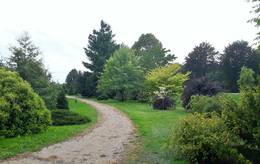
The Dubrava ArboretumWork on this arboretum began in 1958 at a local forest research station that is near the village of Vaišvidava. The arboretum collects and exhibits various local and imported plants for scholarly, educational and decorative purposes. The arboretum covers some 50 ha of land, with more than 800 types of plants. Some parts of the arboretum have rare and protected trees and bushes, and these can only be visited if you contact the arboretum in advance. 1-12
Services
1-12 Active season monthsServices - other
Accepts tourist groups
Accepts individual travellers
This destination has specific opening hours which you must determine in advance
Must register in advance |
 |
Lithuania
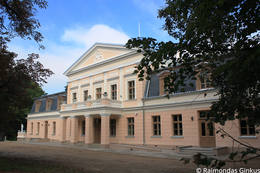
The Zagare Estate parkThis is one of the most colourful and architecturally interesting parks in Lithuania. It was rebuilt and expanded between 1898 and 1900 by the renowned dendrologist G.F. Kuphaldt. The park had more than 200 types of plants, more than 100 of which are still growing. There are various roads and pathways that offer a sense of the mightiness and beauty of the park. A dendrological trail with markers offers information about 15 rare trees. 1-12
Services
1-12 Active season monthsServices - other
Accepts individual travellers
Accepts tourist groups
This destination has specific opening hours which you must determine in advance |
 |
Lithuania
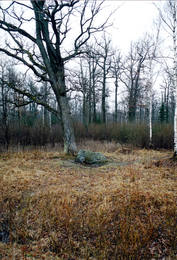
The Neries Regional ParkThis territory was established to protect the lovely central section of the Neries River, local species, and Lithuania’s largest oak forest.
ServicesServices - recreational
Boat tourTake a two-day boat ride down the Neries River, from Grigiškės to Kernavė.
Bicycle trailBike the Neries tourism route on the left bank of the river (23 km).
Nature trailHike the Dūkštos oak forest trail (2.3 km) or the Dūkštos walking trail (5 km).
Nature watchingViews at the place where Route 108 arrives at the right bank of the Neries River in the river valley. For more information: www.neriesparkas.lt (available in English). |
 |
Lithuania
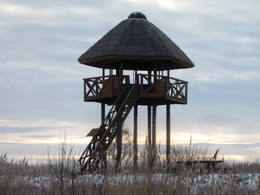
Rusnė IslandA island in the delta of Nemuna. Etnographical museum, Uostadvaris lighthouse, bird watching tower. 304
Services
304km - Distance from countries capital city |