
| Nr | Nosaukums | Apraksts |
|---|---|---|
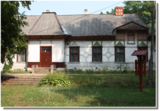 |
No arhitektoniskā viedokļa Zosnas muiža ir ļoti interesants objekts, jo tās kungu māja ir celta pildrežģa tehnikā, kas ir Latgalē reti sastopams gadījums. Muižas pašreizējā apbūve veidojusies 19. gs. beigās un muižas kungu māja celta 1870. g. historisma stilā pēc kņazu Goļicinu pasūtījuma. Ēkā ir daļēji saglabājies interjers - durvis, griestu rozetes un gaiteņu flīžu segums. 1820. g. celtā kučiera māja ir vecākā muižas kompleksa ēka. Vēl nesen šeit atradās Lūznavas pagasta bibliotēka, bet šobrīd muižas ēkas apskatāmas tikai no ārpuses. Zosnas muižu ieskauj neliels parks, kas stiepjas līdz pat Rāznas ezera krastam, līdz kuram varam nokļūt pa senām akmens kāpnēm un turpināt nelielu pastaigu pa kokiem ieskautu taku. |
|
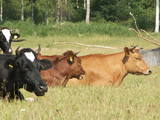 |
Saimniecībā audzē zirņus, putraimus, lauku pupiņas un liellopus. Apmeklētājiem piedāvā ekskursiju, kuras laikā stāsta par biodinamiskās lauksaimniecības paņēmieniem. |
|
 |
Vidzemes skaistākās upes ieteka. Piekrastes posmā starp Gaujas un Daugavas ietekām atrodas viens no lielākajiem Latvijas kāpu kompleksiem ar izteiktām paraboliskām kāpām, kas apaugušas ar mežu (mežainas jūrmalas kāpas). Šī iemesla dēļ šī ir populāra Rīgas un Saulkrastu apkaimes atpūtas (rekreatīvā nozīme) teritorija. Atrodas Piejūras dabas parkā. |
|
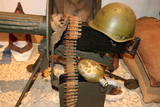 |
Atrodas Aglonā, Daugavpils ielā 40. Viena no militārā eksponātu klāsta un satura (> 1000 dažādu priekšmetu) ziņā bagātākajām 2. pasaules karam veltītajām Latvijas privātkolekcijām, kas ir iekārtota un iepazīstama kā muzejs. Šeit apskatāmas pistoles, šautenes, automāti, ložmetēji, mīnas, granātas, karavīru formas, sadzīves priekšmeti, militārā tehnika u.c. Muzeja veidotājs ir vēstures entuziasts Valdis Tumovs. Muzejā var nofotografēties uz vācu kara motocikla, piemērīt uniformas, noklausīties stāstījumu par muzeja eksponātiem, noskaidrot to pielietojumu un izjust 30.-40.gadu auru. |
|
 |
Rekovas dzirnavas ir unikāla vieta pašā austrumu pierobežā. “Pirmajā stāvā bija miltu malšana un otrajā stāvā apstrādāja vilnu. Dzirnavas pastāvēja līdz 1980.gadam. Vēlāk ēka nevienam nepiederēja, lietus ietekmē iebruka jumts un faktiski viss bija sadrupis. 2016.gadā zemnieku saimniecības “Kotiņi” saimniekam Aldim Ločmelim radās iespēja iegādāt ēku un saliekot galvas kopā, radās ideja, ka ēkā varētu būt vietējās produkcijas veikaliņš.” Majestātiskā trīsstāvu pamatīgu laukakmeņu mūra ēka, kas atrodas pašā Balvi-Viļaka ceļa malā, ir sākusi dzīvot jaunu dzīvi, kur ikvienam ir iespēja nobaudīt vietējo Latgales produktu garšu dažādā izpildījumā. Dzirnavu saimniece - viena no īstajām latvju saimniecēm Vija Kuļša uzņem tūristu grupas, kurām piedāvā nobaudīt vietējo Latgales produktu garšu dažādā izpildījumā. Ēdienkarte sastāv no piedāvājuma vegāniem, veģetāriešiem un klasiskās ēdienkartes. Viena no galvenajām ēdienu sastāvdaļām ir zs “Kotiņi’’ ražotā produkcija. Ir iespēja pieteikt un darboties arī Meistarklasēs. Tiek piedāvāvāts ēdiens no linsēklām, linu eļļa, dažādi salāti, ko var gatavot ar linu eļļu. Linsēklas izmanto pašu ceptā maizītē, sāļajā baltmaizē ar linsēklām. Linsēklas Rekovas dzirnavu ēdienkartē ir tikai viena no izejvielām, bet tieši tās ir centrālais varonis jaunajā Ziemeļlatgales kultūrvēsturiskā tūrisma piedāvājumā “Linu ceļš Ziemeļlatgalē”. |
|
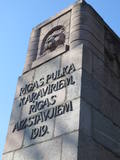 |
Ar priedēm apaugusi kāpa, uz kuras atrodas piemineklis 6. Rīgas pulka karavīriem, - pilsētas aizstāvjiem 1919. gadā. Šajā vietā pulka kareivji devās cīņā pret skaitliski lielāko bermontiešu armiju un turpināja Rīgas un Pārdaugavas atbrīvošanu. Tēlnieka Kārļa Zāles radītajā piemineklī centrālais (pret Slokas ielu vērstais) elements ir 12 m augsta siena ar lauvas galvas tēlu Rīgas vārtos. Tai abās pusēs uz sānu sienām veidoti latvju karavīru bareljefi senlatviešu un 1919. g. kareivju ietērpos. Kāpas virsotnē atrodas laukums ar altāri, upurtrauks un piemiņas plāksne ar kritušo kareivju vārdiem. Pieminekli 1937. g. atklāja valsts prezidents Kārlis Ulmanis. |
|
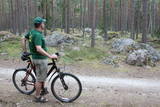 |
Ar skujkoku mežiem klāta pussala – piemērota vieta kājāmiešanai un braucieniem ar divriteni. Te izveidots velomaršruts, kas no Kesmu ciema (Käsmu küla) aizved līdz Kesmu ezeram (Käsmu järv) un tālāk gar pussalas rietumu uz ziemeļu piekrasti aizlokas atpakaļ līdz minētajam ciemam. Tas gan nav domāts iesācējiem, jo vietām ceļi ir smilšaini, bet krasta ceļš var būt aizgāzts ar kritušiem kokiem. Kesmu pussalas ziemeļu daļā atrodas izcilais Kesmu akmeņu lauks (Käsmu kivikülv). Lielākais no akmeņiem ir Matsikivi akmens (tilpums -132,9 m3). Ziemeļos no Kesmu ciema jūras krastā uzmeklējams iespaidīgu akmeņu „bariņš” Iespaidīgākais no tiem ir Vecā Jura akmens (Vana Jüri kivi), kura augstums ir 5,5 m, bet tilpums - 102,9 m3. Piemērotos laika apstākļos (g.k. vasarās) pa akmeņainu strēli var aiziet vai aizbrist līdz ~ puskilometru attālajai Sārtnēmes (Saartneem) saliņai. Atpakaļceļā uz ciemu var atstāt savu akmeni „Laimes akmeņu kaudzē”. Kesmu ziemeļdaļas apskatei izveidots 4,5 km garš kājnieku tūrisma maršruts. Kesmu kapteiņu ciemā (Käsmu kapteniküla) 1804. g. nodibināja pirmo Igaunijas jūrskolu un laikā no 1798. – 1920. g. uzbūvēja > 40 kuģus. Atrodamas ziņas, ka no nedaudz vairāk par 100 no šeit kādreiz dzīvojošajām ģimenēm ir nākuši 62 kapteiņi. Bijušā jūrskolas ēkā izveidots Jūrniecības muzejs. Netālu apskatāma Kesmu kapela. |
|
 |
Sigita un Kārlis Smiltiņi ir latviešu tradicionālo vērtību sargātāji. 2010. gadā, dzimstot idejai par rudzu maizes cepšanu, abi salabojuši veco laiku maizes krāsni, kuru nu jau izmanto ceturtā paaudze, lai latviešiem tik ļoti svētītais darbs - maizes cepšana neietu zudībā. Smiltiņu mājās - Ventspilī, viesiem ir iespēja aplūkot rudzu maizes un auzu karašas cepšanas procesu. Apmeklējums iepriekš jāpiesaka, vienlaikus saimnieki var uzņemt ne vairāk kā 5 cilvēkus! |
|
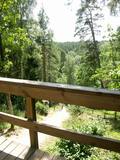 |
Viens no ainaviski izteiksmīgākajiem Latvijas pilskalniem ar ļoti labu skatu uz plašu apkārtni līdz pat Lietuvai. Pēc Latvijas pilskalnu pētnieka E. Brastiņa domām šeit atradusies zemgaļu Sidrabenes pils. Nelabiekārtots.
|
|
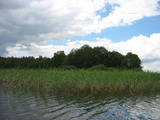 |
No daudzajām Rušona ezeru salām 10 piešķirts dabas lieguma statuss. Tā mērķis – uz salām augošo platlapju mežu un tajos sastopamo aizsargājamo sugu aizsardzība. Uz Upursalas atrodas sena kulta vieta – Rušona Upurakmens.
|
|
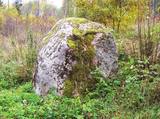 |
Ubagovas velnakmens. Tā ir kulta vieta un atrodas Ubagovas ciema
dienvidu galā 130 m uz Z, ZR no ciema kapsētas, ceļa malā. Vietējie
iedzīvotāji to sauc par „Čorta kameņu” un stāsta, ka te spokojoties, ja
cilvēks ejot viens, tad viņu noteikti ievilinot mežā. Akmens ap 1,6 m
augsts. Tā virsma gluda, bez jebkādiem iecirtumiem.
|
|
 |
The farm on the banks of the River Navesti is Estonia's largest company engaged in the cultivation and processing of organic medicinal herbs. The farm has an education and health path of medicinal herbs, open from May to September. Farm has a tea house completed in 2010 which is suitable for holding seminars, relaxing and in the summertime also for having meals. Herb presentations are held there - first on the field and then in the tea house. There is also a 13-metre viewing tower by the river from which you can get a good overview of the lands of the farm. Energy Farm also offers accomodation and Eco-Spa with sauna. |
|
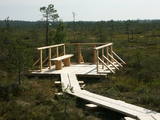 |
Planču purva laipas galā ir izveidots skatu laukums un atpūtas vieta, no kuras var baudīt augstā tipa purva ainavas un ieelpot savdabīgo purva gaisu. Vienīgais Latvijas brīvdabas infrastruktūras objekts, kur informācija ir veidota arī Braila rakstā. Atrodas ZBR.
|
|
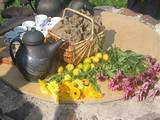 |
Z/s “ Kurmīši“ ārstniecības augu lauki atrodas ekoloģiski tīrajā un ainavām bagātajā dabas parka “ Daugavas loki “ un Aizsargājamo ainavu apvidus “Augšdaugava” teritorijā. Lai neiznīcinātu dabiskās ārstniecības augu augšanas vietas, “Kurmīšu” laukos kopš 1994. gada tiek audzēti aptuveni 40 ārstniecības augu sugas un šķirnes. Ārstniecības augu audzēšanas entuziastiem un tūristiem piedāvā iepazīties ar ārstniecības augu audzēšanas un sagatavošanas noslēpumiem. Pēc ekskursijas iespēja nodegustēt un iegādāties „Kurmīšu” zāļu tējas, kas vislabāk garšo kopā ar medu, kuru bites ir vākušas no saimniecībā augošajiem ārstniecības augiem. Īpašu gaisotni rada bišu vaska sveces. Saimniecībā ir izveidotas atpūtas vietas, vaska sveču lietuve, var iegādāties bagātīgu, - no vaska veidotu suvenīru klāsta, iepazīt bišu dravu. Saimnieks piedāvā arī gidētas ekskursijas pa saimniecību. |
|
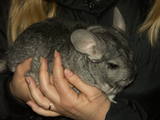 |
Saimnieki audzē šinšillas (to izcelsme meklējama Dienvidamerikas Andu kalnos). Piedāvā ekskursiju un stāstījumu par šinšillu dzīvi un audzēšanu, dzīvnieku un ādu iegādi. Saimniece glezno. |
|
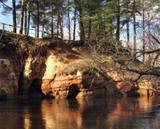 |
Taka ved gar Vaidavas krastu, kur iespējams veldzēties dabas skaistumā, kāds vērojams tikai šeit. Starp Apes vidusskolu un kapsētu Vaidavas upes kreisajā krastā ir izveidojušies 8 - 10 m augsti, līdz pat 100 m gari smilšakmens atsegumi - Raganu klintis. To lejasdaļā upes straume izskalojusi nelielas nišas. Pie klintīm pāri upei izveidots gajēju tiltiņš uz otru krastu, no kura klintis paveras visā savā krāšņumā. Te ir teikām un nostāstiem apvīti avoti un alas. Avots ar skaidru ūdeni iztek no vietas, kur Vaidavas upes smilšu klints krasts ir augsts un stāvs. Senāk vietējie ticējuši, ka tas ir veselības avots, jo daudzi to lietojuši dažādām acu slimībām.Dīvainos dabas objektus – Vilkaču priedi un Dvīņu priedes, Raganu slotu, “raganu apļus”, “raganu kaulus” u.c. te var apskatīt un vides gida vadībā mēģināt izprast to veidošanos
|
|
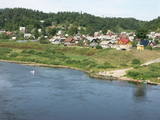 |
Sena latgaļu apdzīvota vieta. 10. gs. Krāslavas novads nonāca Polockas kņazu, bet 13. gs. - Livonijas ordeņa pakļautībā. Līdz 18. gs. sākumam tā pastāvēja kā muižas centrs. 1729. g. par 1400 dālderiem Krāslavu nopirka Johans Ludvigs Plāters. Plāteru dzimta Krāslavā valdīja divus gadsimtus. 18. gs. vidū Plāteri uzsāka Krāslavas pils celtniecību. Pēc Polijas pirmās dalīšanas 1772. g. Latgali pievienoja Krievijai. Krāslava sāka panīkt. Pēc Rīgas – Daugavpils - Vitebskas dzelzceļa izbūves (1865. g.) pilsētas saimnieciskā dzīve atkal uzplauka. Krāslavu maz skāra 2. Pasaules kara laika notikumi, tādēļ mazskarta saglabājusies 20. gs. sākuma koka apbūve. |
|
 |
Das Restaurant „Kest" ist wie eine gastronomische Reise. Aus dem Wunsch nach gastronomischen Entdeckungen bereitet Küchenchef Māris Jansons seit mehr als zwei Jahrzehnten verschiedene Mahlzeiten zu. |
|
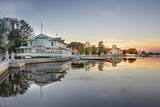 |
Haapsalu was once loved by aristocrats who stayed here during summers, nowadays this town is very appealing to its visitors because of its essence - tiny streets, old wooden buildings and promenade. Worth mentioning are also town's SPAs which were one of the reasons why Haapsalu was so popular its earlier years. Interesting enough, the famous composer Tchaikovsky considered this place one of his favorite's for spending the holidays. |
|
 |
Piedāvā pirts rituālus ar sildīšanu un pēršanu ar slotām, kontrasta procedūrām, dažādām maskām un augu skrubjiem. Saimniecībā ražo un popularizē ārstniecības augu lietošanas tradīcijas. Piedāvājumā dažādas zāļu tējas. Atkarībā no gadalaika, iespējams baudīt un iegādāties dažādus augu sīrupus. Izgatavo zāļu paklājus pirtij. |
|


