
| No | Name | Description |
|---|---|---|
 |
Located in Obinitsa Village, open daily in the summer, please book in advance in winter. White bread and rye bread baking masterclass with natural yeast preparation. The café bakes brown country bread, bread with seeds, various white breads. |
|
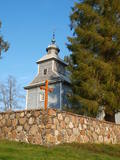 |
A wooden church was built by local craftsmen here between 1655 and 1658. Financed by the Plater aristocratic family, it was a miniature basilica, and this is seen as one of the oldest wooden churches in Latgale. That makes it a unique cultural and historical monument. The central altar has baroque wood carvings that were produced by masters from a local sculptural school. The side altar includes a painting of Mary Magdalene from the mid-18th century. The church was moved to its present location on the right bank of the Daugava in 1698. It has been restored several times – in 1890 and 1918. The stone wall that stretches around the church dates back to the late 17th century, and the freestanding bell tower was built in the mid-19th century. It was restored in 2002. According to various sources of information, the Indrica congregation is the oldest one in Latgale. |
|
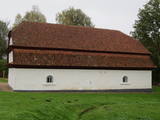 |
In the barn of Padure manor (the only one three-storey barn in Latvia built in the empire style) the groups of tourists are offered kocha (a substantial pearl barley porridge with onions and meat), differents soups (fish, sorrel), dumplings, cheese and differents sweet dishes. The tasting of home-made wine. For those interested, the owner will tell about yearly traditions, as well as the barn’s history. Latvian cuisine: Fish and sorrel soup, sweet and savoury dumplings, pork ribs, cheeses, desserts, homemade wine. Special foods: A hearty pearl barley porridge with onions and meat. |
|
 |
The pub is located in a wooden log building and situated in the suburbs of Sigulda, allowing one to feel the Latvian spirit in the interior and enjoy Latvian-style dishes. The pub has maintained the traditions and quality of Latvian cuisine. Latvian cuisine: Sauerkraut soup, filet of pike-perch, pike cakes, pork tongue, pork ribs, homemade steak haché, potato pancakes, stacked rye bread, rye bread baked in honey, baked ap.ple, homemade ice cream. Special foods: “Steak a la Bucefāls,” “Ice cream a la Bucefāls”.
|
|
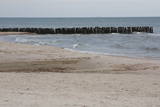 |
This is an enormously important territory for migrating birds. The most commonly spotted protected species of birds are the velvet scoter, the black scoter, the long-tailed duck, the little gull, the red-throated and black-throated loon, and the black guillemot. The territory is opposite the Dundaga and Ventspils administrative districts, and it covers 172,412 hectares.
|
|
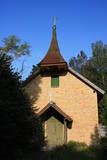 |
Atrodas Labraga – Apriķu ceļa malā. Kāds nostāsts vēsta, ka to 1896. gadā cēlis vietējais muižkungs, kurš vēlējies, lai viņa meitas laulības notiktu baznīcā. Dievnamā atrodas altārglezna "Kristus pie krusta un Sv. Marija Magdalēna", kas gleznota 19. gadsimtā (autors T. Šprengels). |
|
 |
This farm rears goats and produces various goat’s milk dairy products, making goat’s cheese and other products from fresh ingredients. The farm also grows potatoes, juicy strawberries and other products. The summer outhouse provides space for 15 to 20 people to sit cosily by the table and chat. A light meal made from 100% farm products is offered. |
|
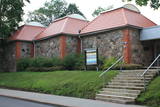 |
Eins der ältesten Museen von Vidzeme, dessen interessantesten Ausstellungsstücke Funde aus der mittleren und jüngeren Eisenzeit sind, ein Teil davon kommt aus der Gegend des Sees von Lubāna. Die Museumsbetreiber organisieren thematische Ausstellungen, die mit der Kulturgeschichte der Gegend in Zusammenhang stehen, und auch Kunstausstellungen. Das Museum befindet sich in den historischen Gebäuden des ehemaligen Biržu Gutshofes. |
|
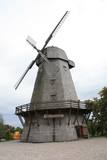 |
Die Windmühle ist von 1867 bis 1869 im holländischen Stil gebaut worden. Der Namen erwarb die Windmühle nach dem Familienname des ersten Besitzers – Riba. Die Windmühle ist eins der besser erhaltenen Architekturdenkmäler dieser Typs in Lettland. Auf der Windmühle ist die dauerhafte Exposition “Der Weg vom Getreide” errichtet, die über landwirtschaftliche Entwicklung in Semgallen, die Traditionen der Getreidezucht und des Brotbackens erzählt. Es werden Exkursionen mit Guidebegleitung angeboten. Die Windmühle gehört zum Erholungskomplex (Hotel, Restaurant, Mühle) „Rožmalas”. |
|
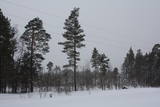 |
Between Saunags and Vaide on the road to Kolka, you will see an area on the left (South) side of the road where there was a massive forest fire in 1992 which burned approximately 3,300 hectares of forest. Biologists use the area to study the regeneration of the forest. There were extensive and destructive fires here during the early 20th century, as well. Swedish scientists say that there have been at least 15 fires in the forests of Šlītere over the last several centuries. The burned area is in a nature reserve and can only be viewed from the road. |
|
 3 Tagen
|
The Suiti are a community with among the most colourful and unique cultural traditions in Kurzeme and Latvia. This was confirmed on October 1, 2009, when the cultural territory of the Suiti was included in the UNESCO list of global intangible cultural heritage, thus indicating that the traditions must be preserved. The Suiti territory is also on the list of folk traditions that is part of the Latvian Cultural Canon. Manifestations of this intangible cultural heritage include traditional festivals, habits, oral traditions, traditional singing and musical skills, folk costumes and culinary traditions. Since 2009, the Suiti community has been undergoing a renaissance, with people actively working to restore traditions and ensure their sustainability and promotion at the local, national and international level. The survival of the cultural territory is in the hands of the Suiti themselves, and this is closely linked to the practices and the creativity of community representatives. The Suiti believe the development of tourism in their area to be of great importance in this. This means emphasising a niche in cultural tourism that is based on the broader promotion of the unique cultural heritage of the Suiti. |
|
 |
Divus kilometrus garās lokveida takas sākums ir meklējams pie Somā nacionālā parka apmeklētāju centra (atklāts 2000. gadā) – Tēramā ciemā. Tā ved gar Mardu strauta (Mardu oja) krastu, kur krustām šķērsām ir sakrituši bebru nogāztie koki, radot diezgan juceklīgu skatu. Apmeklētāju centrā var iegūt nepieciešamo informāciju, noskatīties videofilmu un nacionālajam parkam veltītu ekspozīciju. |
|
 5 Tagen
|
Historians say that Liv tribes began to settle the territory that is now Latvia in the 10th century. They lived in Northern Kurzeme, at the mouths of the Daugava and Gauja Rivers, and from Ģipka to Oviši, where seaside fishing villages of Liv origin can still be found. Coastal residents have always eaten various sea, river and lake fish dishes, including smoked sole, Baltic herring, cod, bream or eelpout, baked lampreys, salted sprats, Baltic herring and common herring. Fresh and lightly salted Baltic salmon is a delicacy. Whole fish are baked on hot coals, including pike perch, trout, carp, catfish and European perch. Guests can participate in catching and smoking fish and tastings with bits of everything is available on degustations. Rye can be tasted in rye bread and sourdough bread, carrot buns and even pancakes and gingerbread. Barley buns are common in Vidzeme, as are tasty meat and fowl dishes. There will always be a pig's snout with peas or an oven-roasted piglet on New Year's Eve. Taverns serve wild game with lingonberries, mushrooms and other wild tastes. Side dishes include autumn vegetables, pumpkin, beans or grits, as well as sinfully tasty sauces. Enjoy traditional pies, sheet cakes, pretzels, apple cakes and honey bakes during celebrations or every day. You will enjoy desserts made of rye breadcrumbs, cranberries, lingonberries and sweet cream. Popular in Kurzeme are blackberry dumplings, and during summers, there are lots of desserts with fresh berries. Boost your health with aromatic herbal teas and honey, or enjoy some homemade wine or beer. |
|
 |
Mini zooloģiskais dārzs Brocēnu novadā, kur iespējams gan apskatīt, gan samīļot dažādus dzīvniekus lauku vidē. Sētā ir arī ugunskura vieta un nojume, kur patverties lietus laikā.
|
|
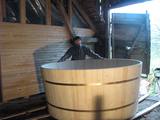 |
The craftsman represents the fifth generation of the oldest dynasty of Latvian barrel makers. The family began such work in the early 19th century, and he is continuing on with traditions related to barrels that are made of oak and ash. He will talk about the various aspects of making a barrel, and you will be able to watch him at work. The craftsman produces barrels, wooden tubs, scoops for saunas, etc. You can order and purchase these items. |
|
 |
Jelgavas pils dienvidaustrumu spārna cokolstāvā ir iepazīstamas Kurzemes un Zemgales valdnieku - Ketleru un Bīronu dzimtas kapenes (laika posms no 1569. – 1791. g.), kur apskatāmi 18 restaurētie sarkofāgi. Šī ir Baltijas mērogā nozīmīga vieta, kas noteikti jāapmeklē ikvienam vēstures interesentam. |
|
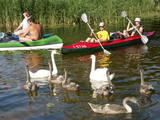 |
Der erste Nationalpark Litauens. Gegründet für den Schutz der Landschaften und der Seen der Aukštaitija-Anhöhe, der etnographischen Dörfer und der Naturvielwalt. |
|
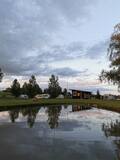 |
Lakeside Sigulda is a quiet camping and recreation area on the territory of Lake Matinu. Offers relaxation, overnight stays near nature and picnic options in a quiet environment. Travelers with campers, caravans, as well as those staying in tents can stay overnight in the camping area. In addition, a well-equipped glamping tent for 2 people has also been created. Showers, toilets, outdoor kitchen, picnic areas, grills, internet and electricity connection are available for camping guests. SUP boards are available for active recreation. |
|
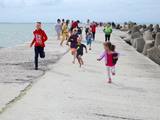 |
The Northern breakwater of Liepāja is located n the Karosta area of the town. It offers a lovely place for perambulations, as well as an opportunity to observe the sea. To the South of the breakwater you will find a fine view of the Liepāja Freeport and its system of breakwaters. To the East is the unique Karosta area, while to the North, there are remnants of a sea fort. Please be very careful while observing the sea, however – the surface of the breakwater is not in great shape.
|
|
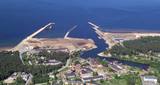 |
In the 19th century at the seaside of Skulte, a small village formed, which was inhabited by fishermen. The name “Zvejniekciems” (Fishermen’s village) arose from the population's main activity. In 1967 the Skulte part of Zvejniekciems was added to the Saulkrasti township. Nowadays Zvejniekciems is the home of Skulte Port, and the rocky beach of Zvejniekciems is located between the port and Saulkrasti Beach, while the village itself can be proud of the creative heritage left by the architect Marta Staņa (1913–1972). |
|


