
| Nr | Name | Beschreibung |
|---|---|---|
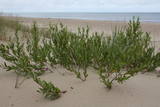 |
Ein Gebiet zwischen Palanga und Klaipeda, gegründet für den Schutz der Dünen und Biotopen der Küstenwälder. Ein asphaltierter Radweg läuft durch das Gebiet. |
|
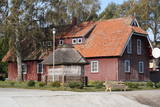 |
Ein ehemaliges Fischerdorf am Ufer des Kurischen Haffs. Aufgrund der Wanderdünen hat seinen Standort mehrmals seit dem Anfang des 19.Jh. geändert. Holzbebauung mit einheitlichem Stil und Traditionen. |
|
 |
Das Gästehaus befindet sich am Ufer des Sees Cirisa ezers mit einer Aussicht auf die Inseln des Sees. Gästen werden lettgallische Speisen, auch aus den Fischen des Sees, angeboten. Lettische Küche: Fischsuppe, geräucherter Aal und Zander, gefüllte Hähnchentaschen, Kartoffelpfannkuchen mit Quark und Dillen, Brotsuppe mit Schlagsahne oder Eis, Himmelsbrei, gebackenes Eis, selbstgepresster Apfelsaft. Das besondere Gericht: Fisch aus dem See nach dem Geschmack der Lettgallen. |
|
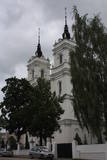 |
Der höchste Punkt im Südteil von Daugavpils – in der Umgebung der 18. Novembra Straße, wo auf einem relativ kleinen Territorium, im Umkreise von ~ 0,3 km sich die Kirchen von vier Konfessionen befinden: das Bethaus für Altgläubige in Daugavpils (1908 – 1928), die St. Boris und Gleb russisch-orthodoxe Kathedrale (1905), die römisch-katholische Kirche der Heiligsten Gottesmutter (1905) und die evangelisch-lutherische Kirche Martin Luthers (1893). |
|
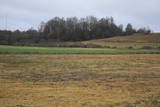 |
Atrodas Vārtājas ielejas labajā krastā un labi saskatāms no Priekules – Grobiņas (P106) ceļa. Senās kuršu zemes – Piemares pilskalns, kas vēstures avotos pirmo reizi minēts 1253. gadā – līgumā starp Kurzemes bīskapu un Livonijas ordeni. Viens no lielākajiem Dienvidkurzemes pilskalniem. Iespējams, ka iepriekš – arī sens kulta kalns. Pagājušā gadsimta sešdesmitajos gados veiktajos arheoloģiskajos izrakumos konstatēts, ka pilskalns bijis apdzīvots jau vidējā dzelzs laikmetā. Pie tā konstatēta liela senspilsētas vieta. |
|
 |
In der Zauberküche werden leckere Speisen aus den in der Gegend angebauten Produkten angeboten. Sie sollen unbedingt die Brennesselsuppe kosten, die als die beste südestnische Suppe gilt. Nõiariik ist für die aktive Erholung sowohl für Familien als auch für größere Gruppen geeignet. |
|
 |
Die Ruinen der um 1500 gebauten eindrucksvollen Kirche, die man besichtigen kann. Das Gebäude wurde nach dem Luftangriff 1942 beschädigt. |
|
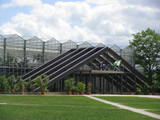 |
The National Botanical Garden in Salaspils ranks as the largest botanical garden in Latvia and in the Baltics with a territory of 136 hectares. The National botanical garden collection consists of about 14 thousand different varieties. More than 5,000 plants are found in the arboretum, as well as various other exhibitions, such as orchards, rosaries, ornamental plants. Botanical Gardens can inspire you to uprade your own garden assortment with new plant varieties and offers the experience of learning about botanical knowledge in nature. In addition, it presents opportunity to expand your personal photo archive with an exclusive background photographs and close-ups. There is a playground for children, comfortable cycling paths, nordic walking paths, picnic possibilities. |
|
 |
Das Geschäft in Jelgava bietet biologische, natürliche Lebensmittel, gesunde Produkte für Kinder, glutenfreie Produkte, ökologische Kosmetik und Reinigungsprodukte an. Angeboten werden Produkte aus natürlichen Zutaten vonlettischem Landwirten und Heimbetrieben. |
|
 |
It is possible to look at African ostriches of different ages; to listen to stories about or of ostriches. It is possible to buy crafts made of ostrich feathers, skin and grease, fresh ostrich eggs. |
|
 |
Das Café befindet sich unweit vom Bahnhof. Im Keller werden gastronomische Waren hergestellt, im Erdgeschoss befinden sich ein Geschäft und das Café. Hier werden einstöckige und mehrstöckige Torten, Kuchen (Cremeschnitten, Apfelkuchen, Kuchen Vecriga (Altstadt von Riga), Honigkuchen, Brötchen mit Sahnefüllung, Rollkuchen), Brötchen (Zimt-, Mohn-, Quarkbrötchen), Piroggen (Käsehörnchen, Käsefladen, Speckfladen, Fladen von Riga) und Kringel gebacken und Fleischauslese und salzige Vorspeisen angeboten. |
|
 |
Die Geschichte des Gutshofes reicht bis 1422 zurück. Später gab es hier Kriegsgefangenenlager, Pferdeverleih, Traktorenstation und Geschäft. Heute ist hier die Keramikwerkstatt, deren Produktion auch vor Ort verkauft wird. Es besteht die Möglichkeit auch selbst Gegenstände zu formen und zu dekorieren. In der Holzwerkstatt kann man die Holzbearbeitung beobachten. |
|
 |
Atrodas Zebrus ezera austrumu krastā pie Latvijas Valsts mežu laivu bāzes. No torņa labi pārskatāms Zebrus ezers, ziemeļu virzienā – Ezerlūķu pilskalns. Laivu bāzē – atpūtas vietas. |
|
 |
Maizes un konditorejas izstrādājumu ceptuve “Re:Maize” gatavo kvalitatīvus produktus, kas ir ne tikai vizuāli pievilcīgi un garšīgi, bet arī ilgtspējīgi un organismam veselīgi. Nosaukums “Re:Maize” ietver sevī ilgtspējības filozofijas principus un to var definēt kā renovāciju kulinārijā. Tas saskan ar cirkulāras ekonomikas principu definīciju - “Raw to recycling”, kas šajā gadījumā pamatā attiecināms uz maizes un mīklas izstrādājumu ražošanu un patēriņu. Latviskojot šo filozofiju, izvēlēts sauklis, kuru izmanto uzrakstā uz izkārtnes un citos materiālos – «Rūpēs par ēdienu», kas pēc saimnieces domām pilnībā atbilst uzņēmuma principiem un ir saprotams arī viesiem. Re:Maize piedāvā katru dienu svaigi ceptu maizi un konditorejas izstrādājumus līdzņemšanai vai baudīšanai uz vietas, kafiju, vīnus un Straupes piena produkciju. Tiek piedāvātas arī meistarklases - praktiskas klientu apmācības par Zero waste principiem. |
|
 |
Wooden slat weaving workshop is located in Jelgava county, Sesava parish. Craftswoman is making different type of wooden slat baskets and basketry from pine, linden, aspen and black alder. There are several different categories of baskets, available in different sizes - picknick baskets, baskets for berry and mushroom picking, trays, baskets for firewood, laundry baskets, onion / garlic baskets, baskets for kids, and diverse baskets for daily use. Various inscriptions and drawings are also made on the weavings. They also accept orders for individual orders. In the workshop it is possible to see the wooden slat basket weaving process as well as have the opportunity to learn to make your own basket. |
|
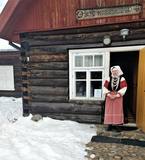 |
While you are in Obinitsa Seto Museum you can learn more about the lifestyle and culture of Setomaa's people. In the museum you can see a lot of items that are very important to their culture, for example the fine handicraft of the Seto women. Also since 2015 here you can also learn about other Finno-Ugric nations. There is a possibility to shop in the souvenir shop. |
|
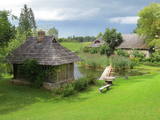 |
Auf diesem umweltfreundlichen Hof (in der Naturalwirtschaft in einer ethnographischen Gestalt) kann man Vorort gezüchtete ländliche Leckereien kaufen und Informationen über diese Produkte erhalten. Auf diesem Einzelgehöft kann man sich zu Sonnenwende-Festen anmelden und eine ländliche Sauna genießen. |
|
 1 Tag
|
Dodieties ekskursijā, lai gūtu ieskatu lauku profesijā un dzīvesveidā, kā arī iegūtu jaunus iespaidus un labu atpūtu visai klasei. Ekskursijas laikā apmeklējiet kokapstrādes darbnīcu, kurā ražo visu saimniecībā nepieciešamo – solus, galdus, pakaramos, virtuves piederumus, pirts baļļas, mucas, lieliskus suvenīrus no koka u.c. Pēc tam apmeklējiet zemnieku saimniecību, kura ir viena no lielākajām un modernākajām zemnieku saimniecībām Zemgalē. Izbaudiet pusdienu pikniku Tērvetes dabas parkā. Ekskursijas noslēgumā dodieties uz maizes ceptuvi, lai izzinātu maizes cepšanas arodu, degustētu un iegādātos maiznīcas izstrādājumus. |
|
 |
Saimniecība nodarbojas ar 15 veidu vīna darīšanu no Latvijas augļiem, ogām un citām dabas veltēm, kā arī vīna destilāta ražošanu. Vīna darītavā vīndaris pastāstīs par vīna izgatavošanu un dalīsies savā pieredzē. Uz vietas iespējams nobaudīt dažādus izsmalcinātus augļu un ogu vīnus, meklējot sev tīkamākās garšu un smaržu nianses. Vīna darītava sadarbojas ar vietējo zemnieku saimniecībām, tēdēļ pie vīna iespējams nobaudīt sieru no govs vai aitas piena un Bauskas pusē ražotus saldumus. |
|
 |
This farm has more than 20 years of experience with beekeeping products and their sale. Groups of tourists can tour the farm with the help of a knowledgeable guide. There are creative workshops for children, games for teams, tastings of products, a location for picnics, as well as luncheons of soup cooked on a campfire along with honey bread. |
|


