
| Nr | Name | Beschreibung |
|---|---|---|
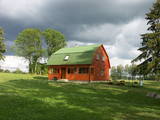 |
Saunahaus mit Kaminzimmer, Sauna, Dusche, Doppelschlafzimmer. Sommerhaus mit einem Zimmer mit zwei einzelnen Betten, Trockentoilette. |
|
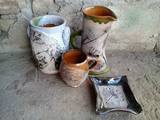 |
The ceramicist works in the household building of the Durbe Castle. You can watch her at work, try your hand at ceramics work, order artworks and purchase clay souvenirs. You can also tour the Durbe Castle complex, which is undergoing renovations at this time (2013). |
|
 |
Das Café befindet sich an einem schönen Ort am Fluss Aleksupite: in dem ehemaligen hölzernen Rathaus mit einem Gewölbekeller. Lettische Küche: Salat aus Sprotten, Hering mit Quark, Topf des Bauers, Lammfleischtopf, Erbsentopf, gegrillte Schweinerippen, gebratene Stierhoden, Fischgerichte (Flunder, Zander), geschichtetes Roggenbrot-Dessert. |
|
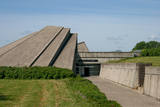 |
Ein am Ende des 19. Jh. gebautes Teil der Festung. Ein Museum, das Verbrechen totalitäre Regimes gegen Menschlichkeit wiederspiegelt. |
|
 |
Das Restaurant und der Laden befinden sich in Cēsis, an der Straße aus Richtung Valmiera kommend. Moderne Innenausstattung, gemütliche Atmosphäre und leckeres Essen aus Produkten von einheimischen Bauern. Die Speisekarte bietet nicht nur verschiedene Fleisch- und Fischgerichte, sondern auch eine große Auswahl an vegetarischen Gerichten an. |
|
 |
"Dobele Agra S.I.A." ir moderns, nākotnes perspektīvā domājošs lauksaimniecības uzņēmums Latvijā. "Dobele Agra S.I.A.", kas atrodas netālu no Dobeles - Krimūnās, kā viens no lielākajiem aramzemes apstrādātājiem Latvijā pašlaik apstrādā apmēram 5 800 ha lauksaimniecības zemes Dobeles un Jelgavas rajonos. Uzņēmums specializējas graudaugu audzēšanā pārdošanai vietējos un starptautiskajos tirgos, tādējādi gadā tiek saražotas apmēram 20 00 - 25 000 tonnas graudaugu, no kuriem lielākā daļa ir kvieši mieži, rapsis un pākšaugi. Pārsvarā tiek audzētas ziemas šķirnes. |
|
 |
Auf dem Bauernmarkt Lõunakeskus werden die in Estland angebauten und mit den örtlichen Produkten zubereiteten Lebensmittel sowohl für den Alltag als auch den Festtagstisch verkauft. Die vielfältigen Produkte stammen hauptsächlich von den südestnischen Betrieben, man kann aber auch Waren anderer Regionen Estlands dort finden. Es gibt auch ein gemütliches Café, in dem Sie mit den auf dem Markt angebotenen frischen Produkten zubereitete Speisen genießen können. |
|
 |
Heimarbeiter bieten an, verschiedene Käsespezialitäten zu kaufen, die auf den grünen Märkten in Gulbene und andernorts in Lettland zu finden sind. Annahme der Bestellungen. |
|
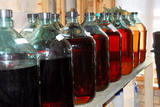 |
In der Umgebung von Cēsis, im Dorf Līvi stellen qualifizierte Handwerker Spirituosen her, darunter Schnaps, Liköre, Brandy mit ausgezeichneten Geschmackseigenschaften und schöner Gestaltung. Auch mit der Whisky-Produktion wurde begonnen. Für Liköre werden nur in Lettland gewonnene Pflanzen und Früchte verwendet. Dabei werden die Vitamine, Aromen und Farben einer jeden Jahreszeit kombiniert. Angeboten werden eine Führung durch den Betrieb, eine Erzählung über die Entstehung und Geschichte des „Gesundheitslabors“, eine Verkostung verschiedener Getränkearomen. |
|
 |
Im Rahmen des Bildungsprogramms im Historischen Museum von Jēkabpils „Erzählungen über Käse” kann man über tägliches Lebensmittel – Käse, tausendjährige Geschichte dieses Produkts, interessante Erzählungen über Herstellungsgeschichte des Käse und Traditionen der Verwendung von Käse von den Besitzern der Burg von Krustpils – Barone von Korff erfahren. Mindestens 10 Personen in einer Gruppe. |
|
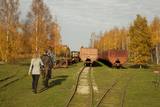 |
Sedas purva kājnieku maršruts atrodas dabas liegumā Sedas purvs, pārgājienu pa maršrutu iespējams apvienot ar Sedas pilsētas apskati, kas ir unikāls 20.gs. 50.–60. gadu pilsētbūvniecības un arhitektūras paraugs - kūdras purva strādnieku pilsēta. Maršrutam ir divi apļi - Jērcēnu aplis - 5,5 km un Sedas aplis - 4,2 km. Tajos apakatāms izstrādātais kūdras purvs, šaursliežu dzelzceļš, ritošais sastāvs, divi skatu toņi. Rudenī un pavasarī - putnu migrācijas lāikā - interesanta vieta putnu vērošanai. GPS koordinātes: Jērcēnu puses aplim: 57.7055987, 25.7001324; Sedas puses aplim: 57.6699587, 25.7514815. |
|
 2 Tagen
|
Эта поездка на автомобиле предусмотрена для всей семьи и особенно понравится детям. Вы сможете понаблюдать за работой гончара, а также мастер с удовольствием посвятит Вас в секреты своего мастерства. Побывать в гостях у барона Мюнхаузена, знаменитого своими многочисленными приключениями. Погулять по улочкам Цесиса и отправиться дальше в крестьянское хозяйство, где разводят кроликов. Малышам особенно понравится играть с крольчатами в открытых вольерах. Хозяева оленьего питомника расскажут о жизни диких животных – оленях, кабанах. Вы сами сможете наблюдать за животными со смотровых вышек. В хозяйстве экзотических животных увидите страусов, муфлонов, пони и карликовых свиней. По пути домой рекомендуем насладиться красотами Сигулды. |
|
.JPG?size=160) |
Das Wirtshaus befindet sich im Ethnographischen Freilichtmuseum Lettlands. Es ist in dem historischen Wirtshaus eingerichtet worden, das aus dem Ort Vecumnieki in dieses Museum gebracht wurde. Dabei wurden der alte Schornstein, Brotofen u.a. erhalten. Mahlzeiten kann man hier mit der Teilnahme von Handwerkern und Volksmusikgruppen verbinden. Hier werden lettische Hochzeiten organisiert. Lettische Küche: Brötchen mit Anschovis, Neunaugen, gefüllte Hechte, Dreizwiebelklops, Stierhoden in Sauerrahmsoße, gegrilltes Ferkel, selbstgebackenes ländliches Brot, auf offenem Feuer gekochte Suppe, Pfannkuchen. Das besondere Gericht: Braten des Wirtshauses in Preiselbeermarinade. |
|
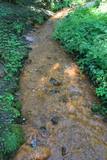 |
Diese Quelle befindet sich 1,3 km nordwestlich von dem Zentrum von Aknīste, in einem kleinen Seitental des Flusses Dienvidsusēja. Diese Quelle ist als eine Gesundheitsquelle schon seit alten Zeiten bekannt. Das Wasser der Quellen, die Richtung Osten ausfließen, soll Heilkräfte besitzen. Das gilt besonders für den Ostermorgen, wenn in der Quelle Augen gewaschen werden. Das Wasser der Quelle enthält Eisenverbindungen, von denen die braunen Ablagerungen (als Folge der Tätigkeit der Eisenbakterien) zeugen. Neben der Quelle befindet sich ein Stein mit einer kleinen Vertiefung, dieser Stein könnte früher ein Kultstein gewesen sein. Am Rand des Tals wächst eine heilige Linde. Die heilige Quelle von Saltupji kann mit Recht als eine der hervorragendsten Quellen in Lettland angesehen werden. |
|
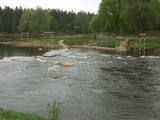 |
Das ist ein Territorium, das einzigartig in der lettischen und baltischen Ebene ist und das sich zwischen Valmiera und der Region von Gulbene erstreckt. Hier befindet sich das unbegradigte Gauja-Flusstal mit einem dichten System von alten Nebenflüssen. Die Wiesen auf den Flussbänken sind wichtig für die biologische Vielfalt. Hier gibt es Bestände an Eichen und Laubbäumen. Viele seltene und geschützte Vögel leben und nisten hier – der Wachtelkönig, der Specht usw. Das Territorium ist ausgezeichnet geeignet zur Vogelbeobachtung, für Naturstudien, ökologischen Tourismus und für verschiedene Arten des aktivem Tourismus.
|
|
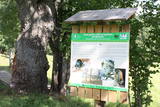 |
Interesanta dabas izziņas taka, kurā izvietoti informatīvie stendi, kas stāsta par dažādiem pļavu biotopiem – sausām, palieņu un parkveida ozolu pļavām un tās iemītniekiem. Pļavas nogana dzīvei savvaļā pielāgotie mājlopi. |
|
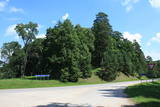 |
Atrodas Tērvetē, Dobeles – Elejas ceļa malā, 0,2 km dienvidrietumos no Tērvetes pilskalna. Ar mežu apaugušais paugurs ir sena apmetnes vieta, kas bijusi apdzīvota jau 1. g.t. pr. Kr. Teika stāsta, ka kalnā bijis klosteris, kura mūki pēc klusēšanas pārkāpuma saulgriežu laikā kopā ar visu celtni nogrimuši kalna dzīlēs. |
|
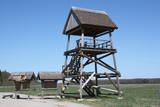 |
This barrow is on the western side of the Dunduri meadows and was built on the parking lot of the former collective farm. From the second level of the tower, you will have an excellent view of the meadows all the way to the Džukste River and the Kauguri canal. There are livestock accustomed to life in the wild, although they will sometimes be quite distant. This is a bird-watching location from the springtime until the second half of the summer. |
|
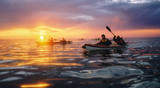 |
Im Angebot Naturtouren: Flosswanderungen im Frühjahr, Kajaktouren im Sommer (beim Wunsch auch inklusive Biberbeobachtung), ganzjährige Schneeschuhwanderungen in den Moorgebieten von Estland, im Winter Kick-Sled Touren. Erfahrene Wanderführer erzählen spannende Geschichten über die Natur und Kultur von Estland. |
|
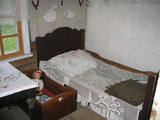 |
Der älteste Teil der jetzigen Wohnriege ist die Riegenstube mit dem Erdfussboden aus 19.Jh. Das Wohnzimmer mit Kammern wurde in der II. Hälfte des XIX. Jahrhunderts gebaut. |
|


