
| No | Name | Description |
|---|---|---|
 |
This venue is a lovely and calm place by a pond that will delight all fishermen with a massive number of fish. Guests will sleep in a granary that is 120 years old and has bedrooms, a kitchen and a sauna. |
|
 |
Evidence found at Dievukalns tells that Baltic tribes lived at this place 3,000 years ago the, but in 7th and 9th here at the Daugava Livs tribes settled. Bishop of Riga built stone castle at the bank of the river Daugava (first mentioned in the 1229), whose ruins you can see today as well. Lielvarde is an inspiration for such people of cultural awakening time as Andrejs Pumpurs (1841-1902) and Auseklis (1850-1879). During World War I (almost three years Daugava served as front line) Lielvarde was completely destroyed. After the World War II, here, as well as elsewhere in the Latvian territory, begins the establishment of collective farms. During this time Lielvarde became known for another symbol - "Lacplesa" beer. Today Lielvarde is a favourite of travellers, who have chosen to make their route along the right bank of the Daugava. |
|
 |
The Cheese hut dates back to 1768 and was once part of the Kalnamuiža (Smiltene) Estate. It is the only object of industrial heritage that is still found in Latvia. On the first floor there was the storage of milk and a set of cheese pots. Stairs to the second floor have been lost. The second floor was used to dry cheese, and the process was facilitated by holes in the walls of the hut so that the wind could help in the process. Although the holes have been filled up, their placement can still be easily seen. The Cheese hut is alongside the ruins of the Medieval castle in Smiltene. Sadly, it is in terrible shape and can only be viewed from the outside. |
|
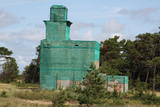 |
This is a closed and guarded territory on the banks of Lake Būšnieks in Staldzene. The former project building is on the shore of the sea.
|
|
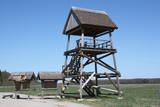 |
This barrow is on the western side of the Dunduri meadows and was built on the parking lot of the former collective farm. From the second level of the tower, you will have an excellent view of the meadows all the way to the Džukste River and the Kauguri canal. There are livestock accustomed to life in the wild, although they will sometimes be quite distant. This is a bird-watching location from the springtime until the second half of the summer. |
|
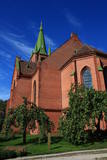 |
Mūsdienās redzamais iespaidīgais dievnams tapis ilgākā laika posmā. Jau 1870. g. latviešu draudze sāka vākt ziedojumus neogotiskās baznīcas celtniecībai, ko pabeidza 1904. gadā (V. Neimaņa projekts). Ēkas iekšpusi rotā dekoratīvi zvaigžņu velvju griesti, bet tās altārdaļā izvietotasmākslinieka J. Šķērstena veidotās vitrāžas (1940. g.) un 17. gs. kristāmtrauks. Baznīcu ieskauj plašs dārzs. |
|
 3 days
| ||
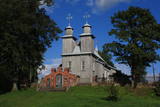 |
Одна из самых красивых деревянных церквей Южной Латгалии. Построенный из бревен и обшитый досками храм строился в период с 1750 по 1751 гг. Сохранился алтарь работы XVIII века (резьба по дереву, барокко) и проспект органа, а также более 30 предметов, имеющих художественную ценность. Во дворе церкви в XIX веке построена колокольня. В направлении озера Рушонс построен деревянный пасторат. |
|
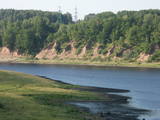 |
In Aizkraukle, drive down Enerģētiķu Street to the Selonian side (there will be small “pockets” at the side of the road) to see one of the best views of the Daugava River valley, reminding us of what this fateful river was like before the power plant was built. You will see that the river has eroded the steep cliffs on the right bank. The further part of the valley is part of the Daugava Nature Park.
|
|
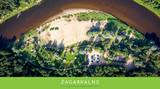 |
Not far from the "Žagarkalns" skiing slopes, at Cēsis, by the Gauja river. Tenting and caravan sites, boating camp. Large area, convenient for guest privacy. Cottages for parties, sauna. Boats and bicycles for rent. In winter - skiing slopes and services.
|
|
 |
Bioloģiskā saimniecība nodarbojas ar Irbeņu ogu audzēšanu un dažādu to produktu ražošanā kā pulverus, sulas, tinktūras, eļļas, sejas maskas un kapsulas. Irbene ir vērtīgs ārstniecības augs, kur izmantojamas ir pilnīgi visas tā daļas – lapas, ogas, sēklas, stumbrs, miza, sakne un ziedi. |
|
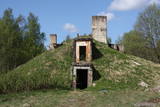 |
The former Soviet communications division at Plāņciems in the forests of Bārta is privately owned and is being dismantled at this time.
|
|
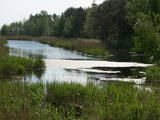 |
Taka izveidota 2005. gadā. Tā atrodas uz Lapmežciema un Bigauņciema robežas un izskatās kā koka dēlīšu laipa gar Siliņupi. Taka aizved līdz jūrai, kur apskatāms vecais Lapmežciema mols. Siliņupē novērojami ūdensputni. |
|
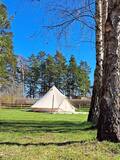 |
Bērzciema Lagūna ir atpūtas vieta zvejnieku ciematā Bērzciemā. Tiek piedāvātas divas teltis, katra ir 28 kvadrātmetrus liela, ar visām nepieciešamajām ērtībām, tostarp divguļamo gultu un atpūtas zonu. Viesu rīcībā ir arī pašapkalpošanās virtuve, āra duša un piknika vietas. Pēc iepriekšējas vienošanās vienā teltī maksimāli var izmitināt 4 personas. Piedāvājumā ir arī velosipēdu un SUP noma, telšu vietas un peldvieta jūrā. Glempings atrodas Enguras ezera Dabas parkā, kurā ir vairākas dabas takas, kā arī Engures ezera dabas taka ar savvaļas dzīvniekiem un putnu novērošanas torni un orhideju taka.
|
|
|
|
This is the 11th largest Estonian island, and its central section is covered by a broadleaf forest (linden, oak, elm and other trees) that is more than 100 years old. Along the shores, the Abruka Island has meadows and small areas of wetlands. Only the northern part of the island is populated. Few tourists come to call, which means that the island is relatively untouched by humankind.
|
|
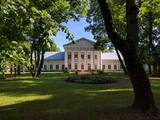 |
Located on an island in Lake Dviragio, the Salu Estate and its park, when viewed from above, are reminiscent of the boundaries of Lithuania. The park to the east of the estate is a mixed-type park and is one of the oldest ones in Lithuania. Back in the day, it was a forest park where trees were never cut down. The park featured maple, linden, elm, aspen and other local trees, and they are now around 200 years old. A winding path links the alley to a park trail by the lake. The various plants and fragments of alleys have survived to the present day. |
|
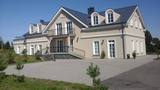 |
Agrotūrisma saimniecība aicina cilvēkus pavadīt brīvo laiku dabā. Kopš 2004. gada 45 ha lielajā bioloģiskajā saimniecībā tiek audzēta labība un aitas. Saimniecība pielāgota atpūtai un svinību rīkošanai. Visapkārt paveras plaša ainava ar rudzu laukiem, aitu ganībām, zirgu stalli, kas ļauj izzināt jāšanas pasauli un bioloģiskās saimniekošanas principus. 2 svinību zāles un 13 guļamistabas 40 viesu izguldināšanai klasicisma stila ēkā. Plaša apsargātā teritorijā, asfaltēts ceļš ērtai piekļuvei, bērnu rotaļu un volejbola laukumi, smilšu pludmale, klusa atpūta bibliotēka, makšķerēšana, putnu vērošana un dažāda garuma pastaigas un izjādes maršruti mežā. Pieredzējuši treneri mācīs iesācējiem jāt, un profesionāliem jātniekiem iespēja uzlabot savas prasmes. Iegādei laukos audzēti ekoloģiski tīri dārzeņi, augļi, un ne tikai.
|
|
 |
The farm offers premium, locally grown products from herbs found in Dole Nature Park and those that are self-grown. A family-owned company that respects and keeps traditions. |
|
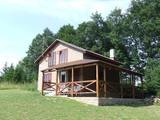 |
Atrodas ezera krastā, netālu mežs. Vieta kā radīta, lai paceptu gaļu, pamētātu bumbu grozā, pasauļotos vai pašūpotos šūpolēs. Tiem, kam patīk nakņot teltī, ezera krastā izveidotas 3 atsevišķas vietas teltīm mierīgai atpūtai. Ugunskura vieta, tiltiņš pāri ezeram, elektrība. Makšķerēšana, ogošana, sēņošana, vēžošana. Aktivitātēm brīvā dabā - bērnu rotaļu laukums, laivas, ūdens velosipēds, siltuma mīļotājiem - pirts. Laipni gaidīti arī ziemā uz slēpošanu un slidošanu. Atgriežoties no āra, gaidīs silta mājiņa un kamīnā kursies uguns. Saimniecībā ir bites, tāpēc medu varēsiet nobaudīt pa taisno no stropa medus kārē. Pieejams "stropa" namiņš, kurš speciāli aprīkota ar bišu stropu klimatu, lai sajustu tā pozitīvo ietekmi uz ķermeni un garu! |
|
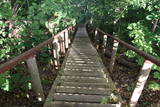 |
Because this circular trail is in a nature zone, it may only be traversed in the company of a guide from the Slītere Nature Park. A steep stairway that has been installed along the ancient shores of what was once a Baltic lake of ice will lead the visitor to a completely different world, one with fallen trees, broadleaf forests, an area in which underground streams create aboveground wetlands, a limy and grassy swamp (all of these are protected areas), remains of old-time reclamation ditches, and rotting fir stumps which are important in terms of the diversity of species and which have been in the region since a major windstorm in 1969. The trail is 1.2 km long and will take an hour to an hour-and-a-half to traverse. The trail begins at the Slītere lighthouse, where the SNP visitors’ centre is located (in tourist season).
|
|


