
| Nr | Name | Beschreibung |
|---|---|---|
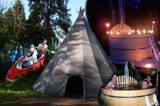 |
Wanderzentrum von Lahemaa beschäftigt sich mit Popularisierung von Naturschutz und Natururlaub – wir pflantzen Bäume, bauen und stellen Nistkatsen auf. Unseren Gästen bieten wir Kanuwanderungen, Moorwanderungen und Abenteuer auf Geländebogen- und Geländearmbrustpfad im Nationalpark Lahemaa an. Für gemütliches Relaxen gibt es einen Kaminraum und Sauna mit Badefass. |
|
 |
Hier werden der beliebte Milchbonbon „Gotiņa“, Karamell, Marmeladen und Pralinen-Cremes aus natürlichen Zutaten hergestellt. Die frische Milch stammt aus den lokalen Bauernhöfen, andere Rohstoffe werden aus der Umgebung angeliefert. Jeder Milchbonbon „Gotiņa“ wird mit Hand verpackt. |
|
 3 Tagen
|
Dies ist der schwierigste Abschnitt des Forest Trail, insbesondere am zweiten Tag. Hier, an der Küste des Finnischen Meerbusens, erhebt sich der nordestnische Klint - eine steile, felsige und waldbedeckte Klippe, die sich nicht durchgehend nach Tallinn und weiter zu den Inseln Westestlands erstreckt. Der Forest Trail verläuft auf der Klippe und steigt gelegentlich in Täler ab. Es durchquert das tiefe und weite Pühajõgi-Tal im Toila-Oru-Park und kommt nach Toila, einem beliebten Küstenort. Einer der ungewöhnlichsten Abschnitte des Waldweges in Nordestland, der bei gutem Wetter am Fuße des beeindruckenden nordestnischen Klint entlang führt, steigt dann in den Dörfern Valaste und Saka auf den Gipfel des Klint und bietet atemberaubende Ausblicke auf der Finnische Meerbusen. |
|
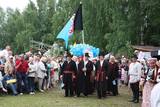 |
Mulgima or Mulgi is a cultural and historical region in the south of Estonia. The part of Viljandi county located south of the rivers Raudna and Tenasilma was considered to be region of Mulgimaa. In ancient times, Mulgi farmers were famous for their sharp minds and determination, which helped to buy land from German-Baltic nobles and become rich farmers. The icons of Mulgi culture - the dialect, the well-known men's long black jacket and the traditional Mulgi porridge - have survived to this day. |
|
 |
Trušu audzēšanas saimniecība "Trušu muiža" savā allaž tapšanas procesā esošajā garaušu muižas kompleksā piedāvā aplūkot 15 – 20 dažādu šķirņu trušus no visas pasaules, kā arī iegūt bildi ar trusi. Lieliska iespēja ciemoties trušu "Harmonijas un miera sētā", tos samīļot, pabarot. "Trušu muiža" iegūst aizvien jaunus kaimiņus un pilnveidojas. Iespēja iegādāties "Trušu muižas" greznumlietas. Vaislas truši un mīļdzīvnieki. Vasaras sezonā (jūnijs - augusts) gaidīs ciemos no otrdienas līdz svētdienai (11:00 – 18:00). Lielākas grupas, iepriekš vienojoties, uzņem arī citā laikā. |
|
 |
Ein Familienunternehmen, das sich mit der Herstellung von kulinarischen Köstlichkeiten und Süßwaren in der Gemeinde Jaunannas der Region Alūksne beschäftigt. Leckere Fleischrouladen, die nach Großmutter-Rezepten zubereitet werden, und sonstige Fleischwaren in großer Auswahl sowie spezielle Süßwaren aus der Konditorei Gustiņš kann man im Geschmacksladen Gustiņs in Alūksne kaufen. Man kann köstliches und leckeres wie hausgemachtes Essen und für die Region Alūksne typische „malenische“ Gerichte (nach vorheriger Anmeldung) im Café Gustiņš genießen. |
|
 |
Die Schänke befindet sich am Rande der Straße Murjani – Limbazi (P9). Sie ist auf den Fundamenten der Mühle des Landgutes gebaut worden, dabei wurde das Mühlenrad erhalten. Die Schänke arbeitet mit den lokalen Bauern zusammen. Lettische Küche: Steinpilzsuppe, Gerstengrütze mit Fleisch, Gerstenfladen, Grützwurst mit Preiselbeersoße, dünne Pfannkuchen mit Marmelade, Kartoffelpfannkuchen, gebratene Flunder oder gebratener Zander, geschichtetes Roggenbrot-Dessert. Das besondere Gericht: Geschmortes Kaninchen und gefülltes Truthahnfilet. |
|
 |
In der Wirtschaft erzeugt und popularisiert eine Pharmazeutin die Traditionen der Kräuterverwendung. Hier kann man Kräutertees erwerben und verkosten. Gäste können verstehen, welche Pflanzen genau für sie sind. Kenntnisse über Kräuter sind hier ausgezeichnet mit Heilverfahren und Massagen in der Sauna verbunden. |
|
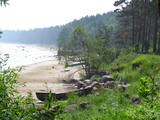 |
In Roja kann man sowohl einen Sandstrand mit eingerichteter Infrastruktur als auch die Steinküste finden. An der Steinküste befindet sich ein Seegeröll von Roja – etwa 2m hoch und 12,5 m im Umfang. Für die Meeresküste ist der Zauber der Landschaft mit zerstreuten Steinen und der gemächliche Lauf der Zeit bezeichnend. Bei der Mündung des Flusses Silupīte ins Meer kann man noch heute Holzfragmente einer alten Barke und Reste der Eisennagel jener Zeit sehen. Seit dem Jahr 1939 war Roja der “Anfangspunkt” der sogenannten “abgesperrten Zone”, in der sich bis zum Jahr 1993 eine Dislokationszone der sowjetischen Armee und Flotte befand. In den Dünen bei der Krasta Straße ist es noch möglich das militärische Erbe der Sowjetzeit zu sehen. Hier befindet sich einen großen Betonaufwurf, von dem die Grenzwächter seinerzeit das Meer überwachten und die Grenzverletzer fingen.Hinter den Dünen befand sich einen Gefechtsübungsplatz der Grenzwächter mit allem Nötigen. In Roja befand sich sowohl eine Grenzwacht als auch einen Flugabwehrradar. (Die Quelle: Roja TIZ) |
|
 |
Saimniecība atrodas Ziemeļvidzemes biosfēras rezervātā, netālu no Burtnieku ezera. Tajā audzē kazas un gatavo kazas sieru. Saimnieki rūpīgi seko līdzi dabas procesu ciklam un ciena dabai draudzīgu dzīvesveidu. Papildus sieram sezonāli iespējams iegādāties arī upeņu ievārījumus, zāļu tējas un vilnas izstrādājumus. SieriTiek piedāvāts baltais, svaigais kazas siers bez piedevām. Tāpat pieejama kazu piena karamele - smēriņš. Kā top siersSiers top ilgi un pacietīgi visa gada garumā no pašu saimniecības kazu piena. Tā ir pilna cikla saimniekošana: saimnieki stāda, ravē un novāc ražu, ēd paši un dod ēst kazām. Kazu dziļās kūts uzkrājumi katru rudeni tiek vesti uz lauka, lai katru nākamo gadu “atdzimtu” ēdamajos dārzājos. ApmeklētājiemTā kā kazu pienam ir sezonāls raksturs, piedāvājumā divu veidu apmeklējumi:
Kur iegādāties sierusSaimniecībā uz vietas, Slow Food Straupe tirdziņos, Vidzemes lielākajos gadatirgos. Internetā: https://tirgus.novadagarsa.lv. |
|
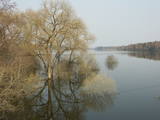 |
Es ist ein einzigartiges Naturgebiet und kulturgeschichtliches Gebiet zwischen Kaldabruņa, Bebrene und Dviete. Durch das Urstromtal fließt der kleine Fluss Dviete, der die Seen Skuķu ezers und Dvietes ezers und die Wiesen der Flussniederung durchquert. Während der Hochwasserzeit arbeiten diese Wasserbecken als Reservoir für die Gewässer des Flusses Daugava, weil sie umfangreiche Hochwassermassen schnell aufnehmen und später langsam zurückgeben können. Wenn es im Frühling sehr viel Wasser gibt, dann ähneln die hier sichtbaren Landschaften keiner anderen in Lettland. Diese Besonderheit der Wasserstandschwankungen ist der Grund, warum dieser Ort für Pflanzen und für Vögel während der Migrations- und Nistzeit von Bedeutung ist. Zum Schutz des Gebietes ist der Naturpark der Flussniederung von Dviete eingerichtet worden. Es ist interessant, dass die höheren Stellen, die während des Hochwassers nicht überschwemmt werden, Inseln genannt werden. Im Urstromtal von Dviete sind 15 eventuelle alte Siedlungen (aus der Steinzeit, Bronzezeit und Eisenzeit) gefunden und viele Zufallsfunde mit verschiedenen Gegenständen ausgegraben worden. Man hat allen Grund zu glauben, dass dieser Ort einer der ältesten und bedeutendsten Wohnorte auf dem heutigen Gebiet von Südlettland ist. |
|
 |
Der Bauernhof Lõosilma befindet sich nur 10 km von Pärnu entfernt und beschäftigt sich mit dem Anbau und der Verarbeitung landwirtschaftlicher Produkte. In der Küche des Bauernhofs werden aus den geernteten Gemüsen reichhaltige Konserven zubereitet. Viele davon sind mit einer Bezeichnung des nationalen Geschmacks ausgezeichnet. Der Bauernhof verfügt über einen Camper-Parkplatz, der mit Solarenergie betrieben wird. |
|
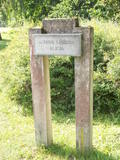 |
Das Alleezeichen im Park von Ķemeri von
Janis Lībietis. J. Lībietis war der Leiter der
Staatlichen Schwefelquellenbehörde von 1928
bis 1944.
|
|
 |
Das Restaurant befindet sich im Hotel Park Hotel Latgola und bietet aus seinem neunten Stockwerk eine weite Aussicht auf die Stadt, sowie lettgallische Gerichte und Gerichte aus der Küche der Welt an. Lettische Küche: Ostseeheringssalat, Salat aus Kümmelkäse, lettgallische Vorspeisen mit Speck, Kartoffel, Käse und eingelegten Gurken, Schweinrippen mit Sauerkraut, Kartoffelpfannkuchen, Kartoffelklöße, Bohnen im Topf, Bratwürste, Quarkfladen. Das besondere Gericht: Krautsuppe mit Steinpilzen. |
|
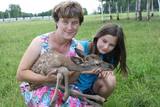 |
Some 250 deer graze on 100 ha of land in the Umurga Parish. The farm also offers a look at peacocks, rabbits, sheep, goats and a pony. Biological products are on sale, and visitors are welcome all year round.
|
|
 |
You can learn about the lives of bees and buy honey made from all kinds of flowers, propolis, propolis blankets and wax candles. Apian therapy is offered here. This is an ancient method which involves a bed under which there are beehives. The bees create warmth, vibration and a biofield. |
|
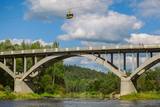 |
Gaujas tilts Siguldā ir vienīgais tilts Latvijā ar šādu unikālu tehnisko risinājumu. Pirmo reizi tilts uzcelts 1937. gadā, taču kara laikā tas tika sagrauts. 1950. gadā to atjaunoja. 2017. gada vasaras beigās noslēgsies tā rekonstrukcijas darbi. |
|
 |
Izcila lokveida taka (4,5 km), kuras lielākā daļa (koka laipas) ved pa Rīsas purvu (Riisa raba). No takas un divstāvīgā koka skatu torņa ir vērojami purva ezeriņi, lāmas, un purvaini meži. Ja nacionālā parka apskati sāk no ziemeļu puses, tad šī taka ir labs ceļojuma iesākums! |
|
 2 Tagen
|
Der Fluss Gauja ist mit seinem eindrucksvollen bis zu 80 Meter tiefen Tal der schönste Fluss in Lettland. Über den Fluss erheben sich malerische Sandsteinfelsen. Der Fluss Gauja ist ein ruhiger Fluss mit nur einigen kleinen Stromschnellen, darum ist er für Freizeit-Bootsfahrten geeignet. Zwischen den Städten Valmiera und Sigulda fließt der Fluss durch den Nationalpark Gauja. An den Ufern des Flusses befinden sich gut eingerichtete Anlegestellen für Bootsfahrer: mit Bänken, Tischen, Feuerstellen, Brennholz und Informationsständen. Unterwegs kann man einige interessante kulturhistorische Orte besichtigen: die alte Fähre von Ligatne, die mittelalterliche Burg Turaida und das Landgut Krimulda. Bis zum Fluss und zurück wird das Gepäck transportiert. |
|
 |
Lauku sēta ar pirti atrodas Merkys upes krastā, ciema nomalē meža tuvumā. Piedāvā programmu "Griķu ceļš no sēklas līdz galdam", iespējams nobaudīt tradicionālos ēdienus. Piedāvā arī nakšņošanu. |
|


