
| No | Name | Description |
|---|---|---|
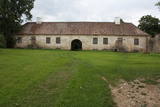 |
Kolga Manor with its impressive territory, several buildings and antique feel will not leave you unmoved! Kolga Manor was first heard about in 13th century but the manor we see nowadays was built style of Baroque in 17 - 18th century but in 1820's it was re-built in the style of Classicism. From the end of 17th century until 20th century it was the biggest Estonian manor. Now in these buildings is a guesthouse, a restaurant, conference centre and a museum. It's possible to hire a guide. |
|
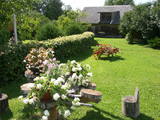 |
The farm produces dairy products and strawberries. You can learn to bake rye bread, make cheese and ice cream, and look at sheep, goats, pigs, calves, cows, horses, chickens, rabbits, guinea pigs, etc. If you like, you can help with the farm work and taste and purchase the products. |
|
 |
Atrodas Rendā, pie tilta pār Abavu. Mazs, jauks krodziņš, kas atrodas vēsturiskā ēkā ar patīkamu interjeru. Piemērota maltītes ieturēšanas vieta ne tikai tiem, kas pārvietojas pa ceļu, bet arī Abavas laivotājiem. Strādā g.k. vasaras sezonā. |
|
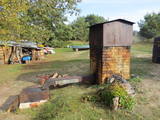 |
On the second Saturday of each month (or at other times that are arranged in advance), the owner will allow you to test your skills at smoking fish, after which you will be able to taste what you have produced. |
|
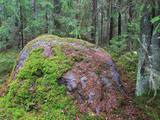 |
The Grandboulder of Komultēni is situated in Sakstagals rural municipality in the forests; around 700
m from Jēkabpils – Rezekne road to the NE of Komultēni. The flat top and the sides are cracked. Boulder consists
of the magmatized gneiss. The circuit of the boulder is 15 m, length 5 m, width 3 m, height 1.8 m,
capacity about 20 m3.
|
|
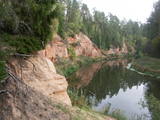 |
The Neļķes cliffs are in Skaņākalns Park, and they offer the most beautiful view of the Salaka River valley, with its sandstone cliffs and peaceful river. There are good views from the “devil’s pulpit.” It’s worth visiting the Skaņamkalns Hill to check out the views from the famous echo cliff. This is part of the ZBR.
|
|
 1 day
|
Dodieties ekskursijā, lai gūtu ieskatu lauku profesijā un dzīvesveidā, kā arī iegūtu jaunus iespaidus un labu atpūtu visai klasei. Ekskursijas laikā apciemojiet koka skulptūras Vienkoču parkā, kur iespējams iepazīties arī ar koka amatniecību un sameklēt dārgumu lādi. Vai arī apmeklējiet vienīgo vietu Baltijā, kur var iepazīties ar cilvēku dzīves apstākļiem pirms vairāk kā 1000 gadiem. Pēc tam apmeklējiet zemnieku saimniecību, kurā no cidonijām ražo sukādes, marmelādes, sīrupus un citus labumus, un pļavās ganās savvaļas zirgi. Ekskursijas noslēgumā dodieties uz Porcelāna fabriku, lai varētu padarboties apgleznošanas darbnīcā un iepazīties ar ražotni. |
|
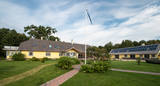 |
Nurka Farm is located in Luitemaa Nature Protection Area in Pärnu County. The farm complex that is over 100 years old has been renovated into a contemporary holiday farm with all modern conveniences. |
|
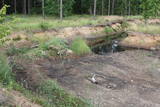 |
Nature restricted area has been established in old and overgrowing gravel pit and where rare species in Latvia - Natterjack toad (Bufo calamita) can be found. Natterjack toad needs open sand – gravel area therefore the population of it is decreasing once gravel pit is overgrowing by bushes. The population of this amphibian is depending on the activity of people in the area. There is very little chance to find Natterjack toad just by entering the restricted area, therefore please respect this area as especially sensitive.
|
|
 |
This business offers cheeses with various flavours that are sold at green markets in Gulbene and elsewhere in Latvia. It accepts orders. |
|
 |
Der Turm befindet sich im Gutspark Kiiu. Wurde im ersten Viertel des 16. Jh. errichtet und diente als einen „Schutzraum” für Grundbesitzer. Geöffnet für Besucher und bietet den berühmten estnischen Likör „Kiiu torn” an. |
|
 |
The guesthouse is on the shore of the Ancient Amata River Valley, and it was built with natural materials – local dolomite blocks. It serves ecological foods, including potatoes grown in bio-humus, wild berries and mushrooms, and country treats and greens from the guesthouse’s own garden. Latvian cuisine: Baked and grilled trout, beefsteak, wild mushroom and chanterelle sauce. Special foods: A puffy Eglaine cake made of rural eggs, pecan cake with ice cream. |
|
 |
Atrodas 1905. gada ielā 6. Sinagoga tika celta 1875. g. – Krievijas cara Aleksandra II valdīšanas laikā. Pēc 2. pasaules kara tajā atradās graudu noliktava, kinoteātris, kafejnīca un visbeidzot – naktsklubs. No 2003. gada to vairs neizmantoja. Pirms gada tika pabeigts vērienīgs projekts - sinagogas un lūgšanu nama atjaunošana, kurā izveidots sabiedrībai pieejams kultūras un informācijas centrs un pārcelta Kuldīgas novada bibliotēka. |
|
 |
Ja no Pervalkas (Pervalka) pa Kuršu jomas krastu ar kājām (neliela taka) dosimies Klaipēdas (ziemeļu) virzienā, pēc 10 – 15 min gājiena nonāksim līdz Arkļu ragam (Arklių ragas, citās kartēs – Žirgų ragas), kam iepretim ~ 0,2 km attālumā no krasta uz mākslīgi veidotas akmeņainas salas slejas 14 m augstā bāka. Tā celta ~ 1900. g. vietā, kur savienojas trīs kuģu ceļi no Klaipēdas, Nidas un Ventes raga (Ventės ragas). No šejienes paveras fantastisks skats un Nagļu dabas rezervāta iespaidīgajām kāpām. |
|
 3 days
|
На маршруте сможете узнать особую культурную среду Латгалии, людей, которые ее создают, порадоваться красивым ландшафтам, пройтись по природным тропам и искупаться в каком-нибудь из прославленнных озер Латгалии. В Ливаны узнаете о работе стеклодува, в Даугавпилсе побываете в крепосте 19-го века, где теперь расположен центр всемирно известного художника Марка Ротко. Дорога будет виться по живописным излучинам Даугавы. Информация о маршруте от Latvijas Lauku forums |
|
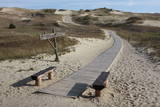 |
Die Dünen nördlich Pervalka über dem ehemaligen Dorf Negeln. Eine 9 km lange Strecke mit den wüstenartigen Landschaften. Stegpfade. |
|
 |
The farm is on the banks of the Daugava River and grows various berries, apples and pears. You can taste the fruit and berries in the garden and by products, as well. |
|
 |
As part of the Hotel Jelgava, the restaurant serves traditional Latvian dishes, as well as others. Musical evenings are organised. Latvian cuisine: Steak of Latvian-bred ostrich. Special foods: Corn chicken with spinach-potato mash and grilled new carrots. |
|
 |
The café is in the centre of Balvi on the side of Brīvības Street (in the direction of Viļaka). It offers homemade dishes and is a popular dining venue. |
|
 |
Built in the 18th century and rebuilt in the mid-19th
century, the parsonage was the place where the Liv flag was first consecrated. Renovations
of the parsonage are underway at this time. Since September 2009, it has been used
by the Latvian Evangelical Lutheran Church as a rest home for its Recollection Centre.
|
|


