
| No | Name | Description |
|---|---|---|
 12 days
|
This tour offers seeing the capital cities and most attractive towns of Lithuania, Latvia and Estonia through the freedom of independent travel and using public train and bus services. Getting around in cities and towns is easy, either by walking, or by using local public transport or taxis. The Old Town of Vilnius is in the UNESCO World's Cultural Heritage list. Daugavpils Fortress and the museum of Mark Rothko, the world famous abstractionist, are two highlights of Daugavpils city, Rēzekne city is known as the heart of Latgale region. Riga, the capital city of Latvia, offers a variety of cultural experiences and entertainment. Sigulda is famous for its landscapes and medieval castles. Cēsis is one of the most charming towns in Latvia with many attractions ranging from medieval heritage to nice restaurants, exhibitions and festivals. Valmiera offers art galleries, museums, nature trails and Valmiermuža beer from the famous local brewery. Tartu in Estonia is a university town, with some very popular tourist attractions such as the interactive AHHAA science centre, the largest in Baltic countries. Narva is a border town overlooking the Ivangorod fortress in Russia across the river Narva. Finish the tour in Tallinn – the capital city of Estonia. Tourist information centres in cities and towns will help you with maps, information on sights, attractions and guided tours, food, shopping and public transport. |
|
 |
“GREEN HIVE” ir pārtikas ražotāju uzņēmums, kas nodarbojas ar medus un ogu pārstrādi. Uzņēmums atpazīstams ar saukli “Medus citās garšās!”. “GREEN HIVE” piedāvā vairāk nekā 60 produktus – medu daudzās un dažādās garšās, kā arī sīrupus, sulas un nektārus. “GREEN HIVE” atbalsta zaļas Latvijas ideju, un ievēro šo pārliecību uzņēmuma ražošanas procesā, dzīvojot saskaņā ar dabu un lietojot dabas dotus produktus. Ražotnē uzņem tūristu grupas, produkciju iespējams degustēt un iegādāties. |
|
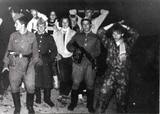 |
The Soviet Border Guard arrived at Lapmežciems (its border with Ragaciems) in the mid-1960s and left in 1991. Some 50 military personnel were stationed here. The military personnel and local residents organised various events and celebrations. The only thing that worried locals was a radar which was said to cause various problems. The zenith missiles were dismantled and taken away in 1991. An apartment building is still on what was then the military base. |
|
 2 days
|
Here you will learn about home-based manufacturers, farms, companies and others in southern Vidzeme that produce various dairy products such as milk, yogurt, cottage cheese, cheese, ice cream, etc. From Rīga, take the Vidzeme Highway and turn toward Mālpils. On the way to Ērgļi and Jumurda, you’ll be delighted by the hillocks of the Vidzeme highlands and the lovely landscape that they represent. Near Ērgļi you will find Braki, the home of the classical Latvian author Rūdolfs Blaumanis, Meņģeļi, home of the Jurjāns brothers, and the Jumurda Estate. Drive on through Cesvaine, stopping to look at its impressive castle, and on to Madona, where you can have a delicious meal. From Madona, follow the lovely banks of the Daugava River to Koknese (Destiny Island, the Koknese castle, park and church), and on to Skrīveri, where the author Andrejs Upītis was born. There’s a homemade ice cream place and the factory that produces the universally known penuche candy that is sold under the “Gotiņa” brand name in Latvia. Then drive to Ogre for some Sierštelle cheeses and then back to Rīga. |
|
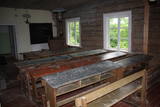 |
The Old School of Druviena is alongside the Druviena-Liezēre road. The historical school building became home to a museum in 1964. The school is closely linked to the great Latvian writer Jānis Poruks (1871-1911), and a memorial room to him has been installed in the building. On the second floor, you can look at a classroom, sit on an old-time school bench and try to imagine yourself as a schoolchild long ago. Interesting exhibits include boxes in which children brought food from home – the same ones which were used by two of Poruks’ most popular characters, Cibiņš and Buņģis. |
|
 5 days
|
From Riga the tour goes through historic sea resort Jurmala to Pure Chocolate museum where you could see production and taste some. Then the tour goes to Sabile where there is small Wine Hill which history dates back to 16th century. You visit local wine producer who will show his gardens and talk about grape growing in the Latvian climate nowadays. Afterwards tasting of the seasonally available drinks. Then you visit small picturesque town Kuldiga and have some wine tasting there. Next day there are eco wine tasting at Aizpute and Durbe and then go to the city of Liepaja with lovely sandy beach, arty atmosphere and significant military heritage at Karaosta suburb. Then the route follows up the coast line. At Pavilosta you have a trip in traditional fishermen boat and at Alsunga singing and demonstration of local traditions by Suiti women. Culturally colourful community which heritage is listed in UNESCO. Then walk along the steep sea cost at Jurkalne and enjoy the best maintained port town of Ventspils. Next day there is a visit to local fishermen and see fish smoking process, then walk along Cape Kolka where the open sea meets the Riga Bay. Turning back to Riga you have a visit and tasting at wine maker in Talsi. |
|
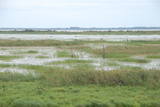 |
The Lake Lubāns, wetland of Lubāns. Lubāns (80.7 km2) is the largest lake in Latvia and the most popular
lake and wetland in Europe. The lake and the wetland has biodiversity; a unique place not only in Latvia,
but also internationally. Nature Reserve is included in the European Union network of protected areas and
NATURA 2000 under the Ramsar Convention criteria as the wetland of international importance. Lubāns wetland,
called marshy meadows, includes bogs, wet meadows and wet forests. In autumn and spring the lake
attracts thousands of migratory waterfowl which is easily to wach from the bird observation towers or the terrace
of water tourism development center.
|
|
 |
The café is alongside the Top store in the centre of the village. Latvian cuisine: Potato pancakes with ham, grey peas with bacon, carrot buns. Special foods: The special “Apsīte” potted dish. |
|
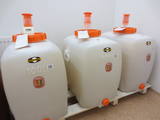 |
The farm produces homemade wine made of rhubarb, birch juice and apples. Tour the winemaking facilities and examine the process. You can taste and purchase products. |
|
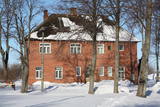 |
Name of Ainazi is an integral part of the Latvian maritime history. The first Naval School, which was able to learn the Latvian peasant children, was established here in 1864. Naturally - Ainazi became an important Latvian coastal shipbuilding centre and port. Economic life of the town was also facilitated by the opening of Smiltene -Valmiera-Ainazi narrow-gauge railway line in1913. Today Ainazi is a small and quiet town on the Latvian - Estonian border with a number of interesting sightseeing objects. |
|
 |
This cosy tavern in the centre of Elva will not only provide you with a delicious meal, but also a friendly atmosphere. Even the most demanding of visitors, including vegans, will find their favourites on the vast menu. It is possible to rent the premises, order meals. The outdoor terrace is also available during the summer season. |
|
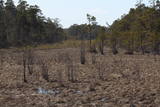 |
The Kurzeme Peninsula has the largest landscape of hillocks and valleys in Europe in the shoreline segment from Melnsils and Kolka to Oviši and Liepene. It is a unique landscape in Latvia, and part of it is in the Slītere National Park. The Pēterezers Nature Trail offers the best chance to look at the landscape. There are hillocks and valleys elsewhere, too – near shoreline villages where the Kukšupe valley (one of the longest ones – 8 km in all) is crossed by the Ventspils-Kolka highway, as well as near Apakšceļš. The only thing is that you need to learn how to spot the areas out in nature. |
|
 4 days
|
Маршрут проходит по живописным природным местам Эстонии – биосферному заповеднику Моонзунда (Moonzund), национальному парку Матсалу (Matsalu) и заповеднику Вийдумяэ (Viidumäe). Маршрут включает два самых больших острова Эстонии, богатых природными и культурными памятниками – Сааремаа и Хийюмаа, - а также малые острова Муху и Касари. В маршрут включены самые интересные природные тропы (длина каждой 1-5 км), смотровые вышки и места наблюдения за птицами, биотопы, а также три поездки на пароме между островами Моонзундского архипелага. |
|
 |
In Otepää wurde am 4. Juni 1884 die estnische Fahne geweiht. Im Pastorat ist ein Zimmer der estnischen Fahne eingerichtet. |
|
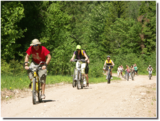 |
Lustužkalns Hill (72 m ASL). A hunting
castle owned by Livonian Order master
Walther von Plettenberg was located here
in the 16 century. During the reign of
Russian Empress Catherine the Great, a
recreational castle was built here. A
legend from the time says that a golden
carriage is at the bottom of the local Lake
Valgums.
|
|
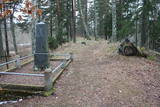 |
The Middle Ages and the beginning of the last century cemetery at the church of Mazirbe. It is surrounded by a moss-covered stone fence. There you can find a number of interesting sights-Werewolf's Tomb, Old Taizelis Tomb, Grand Pine, etc.. |
|
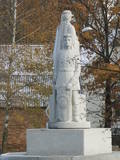 |
Dobele name in historical sources for the first time is mentioned in1254. Dobele was one of the most fortified Semigallian places; therefore from 1279 until 1289 it survived six attacks by German crusaders. In 1289 Semigallians was forced to retreat. In 1335 conquerors instead of Semigallian castle began construction of new - stone castle. On the opposite shore of Berze - on the left bank merchants and craftsmen village began to form. Town suffered greatly during the Northern War and during the subsequent plague. A significant event in the economic life was the 1927, when Liepaja-Gludas railway line was built. After World War II in Dobele and its vicinity came to the Soviet militaries, who built one of the largest Soviet tanks range "Dobele-2". Now Dobele travellers are offered a range of interesting sites to be visited. |
|
|
|
Pilsētas aizsargdambi upes labajā krastā (1830. - 1841., autors kara inženieris P. Meļņikovs) cēla ar mērķi aizsargāt pilsētu no applūšanas. Dambis stiepjas 5,6 km garumā. Pēc 1922. g. postošajiem plūdiem uzsākta aizsargdambja celtniecību arī Daugavas pretējā - kreisajā krastā. |
|
 |
The owner has a collection of some 2,000 spoons which he has carved from 70 types of wood from trees and bushes during more than 30 years. The smallest spoon is made of osier, while the largest one, “A European Spoon,” is larger than the height of a human being. The artist also produces paintings made of wood. You can watch him at work, purchase the spoons, and tour his museum. |
|
|
|
In 2006, a wooden pathway was installed across the Planči swamp – 500m long, which means that the visitor will spend around 20 minutes there. This is probably the only nature trail in Latvia for which there are plans to post information in Braille for people with impaired vision.
|
|


