Kontaktinformation
Related objects
| Foto | Name | Beschreibung |
|---|---|---|
 |
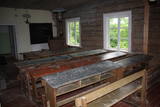
Das Gehöft befindet sich auf dem Kaibēni Berg (226m ü.M.) 7km entfernt von Ineši. Es ist nominiert als das älteste memoriale Museum Lettlands (seit 1929). Die Gebäude des Hofes sind im 18. und 19. Jh. Erbaut und man kann die eigenhändig gebaute Veranda, Treppen, Wandschränke, das imitierte Parkett der Volkslehrer und Schriftsteller Reinis (1839-1920) und Matīss (1848-1926) Kaudzīte besichtigen, auch die von R. Kaudzīte gebaute Drechselbank. In der Remise gibt es eine Ausstellung alter Arbeitsgeräte. Den authentischen Einzelhof umfasst ein von den Schriftstellern angelegter Garten mit Holzfiguren des Bildhauers Krišjāņis Kugra, die Personen aus dem Roman „Mērnieku laiki“ (Landvermesser Zeiten) darstellen. Auf diesem Gehöft ist auch dieser berühmte Roman entstanden. Von 1868-1882 befand sich in dem Wohngebäude eine Volksschule, in der Matīss als Lehrer und Reinis als Hilfslehrer arbeiteten. Es empfiehlt sich, das Museum mit einem kundigen Führer zu besichtigen. |
|
 |
Here you will find everything that you need for a proper Latvian sauna – bowls, scoops, tubs large and small, switches, linen products and log saunas as such. You can tour the workshop, try out your own hand at the work that the owners do, and commission or purchase their products. |
|
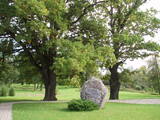 |
Der deutsche Pastor Glück vollendete während seiner Amtszeit in Alūksnē eines der bedeutendsten Werke seine Lebens – er fertigte die erste lettische Bibelübersetzung an. 1685 hatte er das Neue Testament, 1689 das Alte Testament übersetzt und jeweils zum Gedenken an die vollendete Arbeit eine Eiche gepflanzt, beide wachsen dort heute noch. |
|
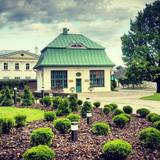 |
Befindet sich in Alūksnē, Pils Straße 25 a. In einem am Anfang des 20. Jahrhunderts errichteten Gebäude des Handelspavillons wurde 1990 das Bibelmuseum von Ernst Glück errichtet, das die einzige Einrichtung dieser Art in Lettland und Baltikum ist. Das Museum ist dem Pfarrer und Aufklärer Ernst Glück (1652 – 1705) – dem ersten Bibelübersetzer ins Lettische gewidmet. Im Museum kann man sich mit den verschiedenen Bibelausgaben von 1694 bis heutzutage auf 38 Weltsprachen, den Ausgaben der Predigten und anderer christlicher Literatur bekannt machen. |
|
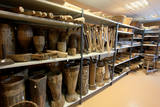 |
Ethnographic and household storage in Sarkaņi offers craft tools collection, furniture and household collection, 19th and the end of the 20th century living room furnishings, and the exhibition dedicated to Madona countrymen. (Source: Madona TIC) |
|
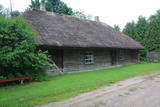 |
Wurde 1977 in einem alten Landhaus eröffnet, das mit einem Reeddach gedeckt ist. Die Ausstellung erzählt von bedeutenden Menschen, der Geschichte und Traditionen dieser Gegend. |
|
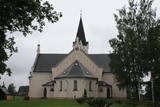 |
Die Bauarbeiten leitete von 1801-1804 Baumeister Friedrich Veit aus Cēsis. Im Zentrum des Altars des Gotteshauses befindet sich das Gemälde „Christus am Kreuze“ (2. Hälfte des 19. Jh.). Die Glocke wurde 1895 gegossen, die Orgel 1914 gebaut. Vor dem Eingang der Kirche erhebt sich ein 1930 eingeweihtes Denkmal für die im 1. Weltkrieg und im lettischen Freiheitskampf gefallenen Krieger (Bildhauer Kārlis Zāle, Architekt Aleksandrs Birznieks). Unlängst wurden Renovierungsarbeiten an der Fassade und im Innenraum abgeschlossen. |
|
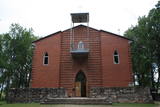 |
Das erste Gotteshaus in Vecpiebalga war 1345 erbaut worden, das nächste 1834-1845 unter der Bauleitung des livländischen Baumeisters Mārčis Sārums. Dieses war im Herbst 1944 zerstört und von 1995-1997 nach Plänen der Architektin Ausma Skujiņa wieder aufgebaut worden. Im Altar der Kirche befindet sich das Altargemälde „Christus wandelt im Land Piebalga“ von Jūlijs Jēgers. Neben dem Gotteshaus befindet sich ein Gedenkstein für politisch Unterdrückte. |
|
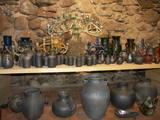 |
Besucher können eine Töpferwerkstatt kennenlernen, dem Meister bei seiner Arbeit zuschauen, versuchen selbst etwas zu formen, Tonprodukte, unter anderem auch Gartendekors aus Keramik, erwerben und einen schönen Garten bewundern. |
|
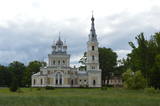 |
The owner of the Stāmeriena Estate was Baron Johann Gottlieb von Wolff, and his wife, Sofia Potyomkina, was a member of the Russian Orthodox faith, so work on the church began in 1902. It was consecrated two years later. The crosses on the steeple of the church are known for mountain crystals that were presented by the Wolff dynasty. Contact the church in advance for a tour of its interior. |
|
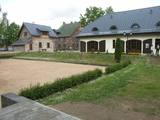 |
Ein komplett renovierter Landgutskomplex des 19. Jahrhundertes im historischen Zentrum der Stadt Gulbene. Ein Hotel mit 14 gut eingerichteten Zimmern in einem Manege-Gebäude des Landgutes, ein Hostel mit 9 Zimmern, ein Gästehaus "Siernīca" mit einem Kaminsaal. Ein Konferenzraum mit voller Ausrüstung, ein Kaminsaal bis zu 40 Personen, ein Raum für Feiern, ein Café, eine Bar. Ein Zelt für Veranstaltungen im Freien.
|
|
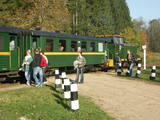 |
Ein Abschnitt der Schmalspurbahnlinie mit Spurbreite 750 mm, der Alūksne un Gulbene verbindet ist in Teil der ehemaligen Eisenbahnlinie Stukmaņi – Valka. Zurzeit ist es die einzige Schmalspurbahn mit ständigem Personenverkehr in Lettland, die noch im Betrieb ist. Die Bānītis fährt jeden Tag. Ein im Südteil der Stadt Alūksne gebautes Stationsgebäude wurde 1903 eröffnet. Die Linie ist 33 km lang und hat 10 Stationen und Haltepunkte. Die Fahrt mit der Bānītis dauert ~ eineinhalb Stunden. Populär ist ein jährliches Fest der Schmalspurbahn Alūksne – Gulbene, zu dem viele Gäste kommen. |
|
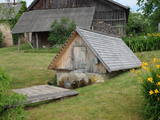 |
Die ältesten Informationen über die Quelle von Tirza stammen aus der Mitte des 18. Jh., aber die Quelle wurde schon viel früher verwendet. Nach Waschungen oder dem Wasserschöpfen wurde der Quelle geopfert. In der ersten Hälfte des 19. Jh. begannen der Baron von Tirza und die Kirche einenKampf gegen die heidnischen Traditionen, sie waren jedoch nicht sehr erfolgreich. Über der Quelle wurde eine Überdachung gebaut und noch heute kommen Menschen zur Quelle, um Wasser zu schöpfen. |
|
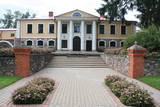 |
Befindet sich im Zentrum von Ineši, 5km südlich von Vecpiebalga. Die Anfänge dieses Herrenhauses sind von zweiten Hälfte des 17. Jh. bis zum 19. Jh. zu suchen, als 1786 am Ufer des Flüsschens Orisāres (andere Schreibweisen: Orizāre, Arisa) das Schloss des Grafen Scherementjev im klassizistischen Stil erbaut wurde. Während der Aufstände 1905 wurde es heruntergebrannt, vier Jahre später wieder aufgebaut. Das Gutsgelände umschließt ein Landschaftspark im symmetrischen Konzept eines Barockgartens. Der Gutshof von Vecpiebalga diente in dem berühmten Roman der Gebrüder Kaudzīte als Prototyp für den dort beschriebenen Gutshof Slātava. Im Weinkeller des Gutes wurde 1992 das Heimatmuseum von Piebalga eingerichtet. Im Herrenhaus hat auch der Ortsrat von Inesi seinenSitz, außerdem gibt es hier ein Studio für Porzellanmalerei. Interessenten werden organisierte Besichtigungstouren im und um den Gutshof angeboten. |
|
 |
In dem historischen Gebäude ist 1964 ein Museum eingerichtet worden. |
|
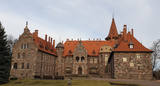 |
Schloss Cesvaine ist eines der schönsten Schlösser Lettlands (stilistisch dem historischen Eklektizismus zugehörig), sein Besitzer Adolph von Wulf hatte es seiner Frau geschenkt. Es wurde nach einem Projekt der Architekten Hans Grisebach und August Dinklage in den Jahren 1893 bis 1896 erbaut. Nach einem verheerenden Brand ist das Schloss nun in neuer Qualität „wiedergeboren“. Am Ufer des Flüsschens Sula erstreckt sich der Park von Cesvaine, dort gibt es auch einen ehemaligen Burghügel, der heute mit Wald bewachsen ist. Hier ist die Grabstätte des Schlossherrn Adolph von Wulf. Es lohnt sich, das Schloss in Begleitung eines Führers zu besuchen. Die Umbauarbeiten für das Dach der Burg Cesvaine wurden abgeschlossen. Das Schloss steht Besuchern in Begleitung von Spezialisten des Tourismuszentrums Cesvaine telefonisch zur Verfügung. 26172637 oder Pils Street 2. Im Frühjahr 2020 werden die Bauarbeiten fortgesetzt und das Schloss ist möglicherweise vorübergehend für Besucher nicht verfügbar. Informationen zu Änderungen www.cesvaine.lv |
|
|
|
Besucher können eine Töpferwerkstatt kennenlernen, dem Meister bei seiner Arbeit zuschauen, versuchen selbst etwas zu formen, Tonprodukte, unter anderem auch Gartendekors aus Keramik, erwerben und einen schönen Garten bewundern. |
|
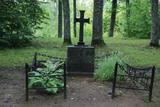 |
To the North of the Cesvaine Castle is a park that is crossed by the rapidly flowing Sūla River. The Cesvaine castle hill is on the northern bank of the river, is around 15 m high and is covered by trees today. The grave of the owner of the castle, Adolf von Wolff, is there. It is said that he wanted to have his casket dragged to the gravesite on a sled. He died during the summer, but that was done anyway. The park features a wide diversity of trees and bushes, some of which the owner brought home from his extensive travels. |
|
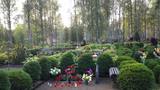 |
Fest des Totengedenkens auf dem Friedhof von Lejasciems
*Object Inactive*

|
Lejasciems ist in seiner Art ein einzigartiger Ort, an dem sich jedes Jahr in der Mitte des Sommers die Leute aus ganz Lettland sammeln um der Verstorbenen zu gedenken. |
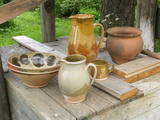 |
The potters engage in traditional pottery from various eras, and they also study ancient forms, materials and methods which ancestors centuries ago put to use. You can tour the facility, examine the kiln, work with clay, purchase ceramics products, and inspect a collection of ancient tools and ceramics. You are invited to attend the opening of the kiln, as well. |
|
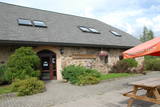 |
Das Wirtshaus befindet sich 5 km von Madona entfernt, am Nadelwald von Smecere. In dem Gebäude des Wirtshauses von Smecere (seit 17.Jh.) befindet sich ein Gästehaus, Wirtshaus und ein Musikklub. Lettische Küche: Pfifferlingsoße, graue Erbsen mit Speck, Gerstengrütze mit Fleischstücken, Haferbrei mit Marmelade, Kartoffelpfannkuchen, Stierhoden, Wildbret (Reh, Hirsch, Elch, Biber), gefülltes Ferkel. Das besondere Gericht: Forelle aus der eigenen Fischzüchterei. |
|
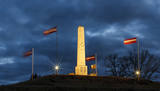 |
Befindet sich auf einer Anhöhe, an einem schönen Ort, am Ufer des Alūksne Sees bei der Pleskavas Straße (P 40). Das Denkmal wurde am 20. Juni 1923 vom Staatspräsident Jānis Čakste eröffnet. Das Denkmal wurde nach einem Entwurf des Bildhauers J. Miesnieks errichtet. Im Zentrum des Denkmals ist ein Schild mit einem gekreuzten Schwert dargestellt. Auf dem Sockel ist die Inschrift angebracht: “Den für Lettland gefallenen Kriegern des 7. Infanterieregiments von Sigulda. 1919 – 1920”. Auf einer anderen Seite ist folgende Inschrift angebracht: “Besser sein Leben geben, als unser Vaterland verlieren”. In der Sowjetzeit (1953) wurde das Denkmal abgerissen. Das Denkmal wurde 2009 erneuert. |
|
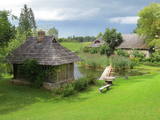 |
Auf diesem umweltfreundlichen Hof (in der Naturalwirtschaft in einer ethnographischen Gestalt) kann man Vorort gezüchtete ländliche Leckereien kaufen und Informationen über diese Produkte erhalten. Auf diesem Einzelgehöft kann man sich zu Sonnenwende-Festen anmelden und eine ländliche Sauna genießen. |
|
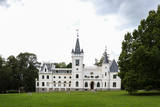 |
The castle was built during the first half of the 19th century in Tudor Neo-Gothic forms. The first owner of the castle was Baron Johann Gottlieb von Wolff. During the 1870s and 1880s it was rebuilt in the style of French Neo-Renaissance. The castle was burned down during the 1905 Revolution, but it was restored with certain elements of Art Nouveau forms. Tours are available of the interior of the building. |
|
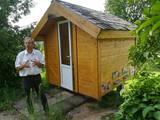 |
"Piebalga medus" is located in Vecpiebalga region, turning off the highway Cēsis – Vecpiebalga – Madona (P30). Beekeeping, apitherapy and narration "About and around bees". Tasting and purchase of beekeeping products. A candlestick workshop is available for visitors. Especially with the fact that the apiary only with Latvian hives. |
|
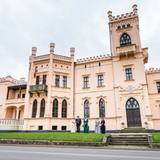 |
Das Schloss wurde von 1859 bis 1863 auf Veranlassung des Barons Alexander von Vietinghoff im Stil der späten Tudor-Neogotik (eins der bedeutendsten Denkmäler solchen Stils in Lettland) mit einem reichen Kalk-Außenputz errichtet. Den Baronen von Vietinghoff gehörte das Schloss bis zur Agrarreform im Jahre 1920. Von 1921 bis 1940 wurde das Schloss durch das 7. Infanterieregiment von Sigulda requiriert. Zurzeit befindet sich im Schloss das Museum von Alūksne mit einer Dauerausstellung und das Naturmuseum “Vides labirints”. Einige der ungewöhnlichen Exponate des Museums „Vides labirints” sind die fluoreszierenden Minerale, die im Licht verschiedener Farbenspektren anzuschauen sind! |
|
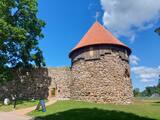 |
Der Livonische Orden hat 1342 auf der größten Insel des Alūksnes-Sees – Marijas bzw. Pilssala Insel eine befestigte Burg gebaut, die mit dem Seeufer eine 120 m lange Hebebrücke aus Holz vereinigte. Die Ordensburg hatte viele Vorburgen und wurde ständig bis zum Ende des 17. Jahrhunderts modernisiert und vergrößert. Diese Burg war eine der größten Burgen im Ostteil des Gebietes, das unter der Herrschaft des Livonischen Ordens stand. Ähnliche Burgen befanden sich in Vastseliina und Isborsk. In dieser Zeit wurden um die Burg herum die Schutzwallen errichtet. Die Ordensburg bestand bis zum Großen Nordischen Krieg, als 1702 die schwedischen geschlagenen Truppen einen Zentralteil der Burg in die Luft sprengten und ergaben sich, aber die russischen Truppen vollständig vernichteten. Heutzutage zeugen von den Ereignissen der damaligen Zeit die Burgruinen auf der Seeinsel, die mit dem Seeufer – dem Zentrum von Alūksne und dem Tempelberg – zwei Holzbrücken verbinden. In einem Konzertpavillon neben der Burgruinen finden verschiedene öffentliche Veranstaltungen statt. |
|
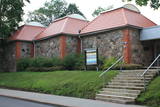 |
Eins der ältesten Museen von Vidzeme, dessen interessantesten Ausstellungsstücke Funde aus der mittleren und jüngeren Eisenzeit sind, ein Teil davon kommt aus der Gegend des Sees von Lubāna. Die Museumsbetreiber organisieren thematische Ausstellungen, die mit der Kulturgeschichte der Gegend in Zusammenhang stehen, und auch Kunstausstellungen. Das Museum befindet sich in den historischen Gebäuden des ehemaligen Biržu Gutshofes. |
|
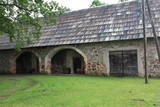 |
Der Weg, der nach Biksere führt, erinnert an eine schmale Bergstraße mit einem tiefen Graben eines kleinen Flusses. Der frühere Namen von Biksere war Libes muiža (auch Lybei Hoff, Lybienhoff), die heute noch erhaltenen Gebäude gehörtem dem Gutsherrn Magnus. Der neogothische Turm des Herrenhauses wird in Kunstkenner-Kreisen als architektonische Kuriosität bezeichnet. Im Herrenhaus ist der Sitz der Gemeindeverwaltung von Sarkaņi. In der ehemaligen Scheune hat der Kunstliebhaber Andris Trečaks seine Antiquitätensammlung ausgestellt. Von der Scheune aus hat man einen wunderbar weiten Blick auf die tiefer gelegene Ebene von Lubāna. |
|
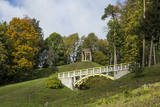 |
Gegenüber der Marijas Insel (Pilssala) erhebt sich der 30 m hohe und steile (die Abhänge sind künstlich steiler gemacht) Tempelberg – eine alte lettgallische Wallburg mit den Seiteschluchten. Auf einer 80 m langen und bis 40 m breiten Wallburg sind einige künstlich errichtete Wallen zu finden. Eine der ältesten Bezeugungen der Bevölkerungsdichte in der Umgebung des Tempelbergs ist eine gefundene Axt, die aus dem Ende des 3. Jahrtausends und Anfang des 2. Jahrtausends v. Chr. stammt. Archäologen behaupten, dass in dieser Zeit die Pilssala Insel von den Menschen besiedelt wurde. In den 10 – 11 Jahrhunderten befand sich auf der Pilssala Insel eine lettgallische Burg, die 1225 die Kreuzritter vernichtete. Eine Oberfläche der Wallburg wurde relativ kürzlich verändert – 1807 – in der Zeit des Baues einer Granitrotunde. Die Rotunde wurde zu Ehren des russischen Feldmarschalls Scheremetjew und des schwedischen Kapitäns Wolff errichtet. Ein Blick vom Tempelberg auf den Alūksne See und die Stadt ist einer der schönsten in Livland! Besuchenswert sind eine 1937 errichtete Sonnenbrücke, sowie ein unweit vom Tempelberg liegender Holzaussichtsturm. |
|
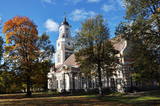 |
Die Kirche wurde in der Zeit des Barons Otto Hermann von Vietinghoff von 1781 bis 1788 nach dem Projekt des Architekten Christoph Haberland im Stil des Klassizismus mit barockalen Stilelementen und einem bunten Mosaik aus Feinsplitt an der Fassade des Gebäudes gebaut. Die Kirchenorgel wurde 1855 von Augusts Martins eingerichtet. Die Kirchenglocke wurde während des Ersten Weltkriegs nach Russland gebracht und anstelle dieser Glocke wurde eine 1530 gegossene Glocke aufgehängt. Das Altarbild (der Autor ist unbekannt) “Die Taufe Jesu” ist 2000 erneuert worden. In der Mitte des 19. Jahrhunderts waren in der Gemeinde von Alūksne viele Esten, deswegen wurden die Gottesdienste auch auf Estnisch gehalten. Die Wiederaufbauarbeiten der Kirche wurden 1934 unter der Leitung vom Architekten P. Kampe geführt. Zurzeit ist ein festes Gebäude mit einem 55,5 m hohen Turm eine der Dominanten der Stadt. |
|
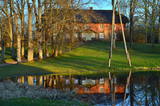 |
Das Museum befindet sich am Rande der Landstraße zwischen Jaunpiebalga und Vecpiebalga. Das Museum „Jāņaskola” wurde 1969 eröffnet. Die Ausstellungsgegenstände des Museum spiegeln den Lebensweg der zwei hervorragenden lettischen Personen – Emīls Dārziņs (1875 – 1910) und Jāņis Sudrabkalns (1894 – 1975) wider. Im Museum ist es möglich, Musikwerke von E. Dārziņš zu hören. Das Museum bietet auch die Exkursionen für individuelle Besucher und Gruppen, sowie Vortrags- und Musikabende an. |
|
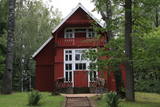 |
(Sonnenuntergänge - ein Haus mit diesem Namen befindet sich 3 km vom Zentrum von Vecpiebalga entfernt an einer malerischen Stelle – auf dem Incēnu-Hügel. Hier gibt es ein Gedächtnismuseum für den bekannten Schriftsteller vieler lettischer Märchen, Kārļis Skalbe (1879- 1945). Es ist das 1926 erbaute Ferienhaus des Dichters und Schriftstellers, der dort von 1926 bis 1945 seine Sommer verbrachte. Das Museum besteht seit 1987. An der Westseite des Hügels „Vaktskalns“mit Ausblick auf den See „Alauksts“ wurden 1992 die Urnen des in Schweden verstorbenen Skalbe und seiner Frau Lizete Skalbe umbestattet, an diesem Ort wurde ein besonderes Denkmal in Form eines steinernen Bootes errichtet. |
|
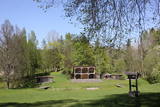 |
(In Silmači spielt ein beliebtes Theaterstück des lettischen Dichters Rudolfs Blaumanis, das allerjährlich zur Sommersonnenwende vielerorts aufgeführt wird: Schneidertage in Silmači („Skroderdienas Silmačos”). Nach Silmači muss man durch den Pērļu sils (Perlen- Kiefernwäldchen) und wenig bewohnte Orte fahren. In Silmači war in den 80er Jahren eine Freilichtbühne eigens für die Aufführung diese Stückes gebaut worden, die das Lettische Nationaltheater zur Sommersonnenwende (Ligo-Fest) 1986 am Originalschauplatz spielte. Zu diesem Anlass wurde auch neben der Bühne ein Museum eingerichtet, dessen Exposition der Thematik gewidmet ist. Hier kann man unter anderem auch das Originalmanuskript des Stückes von 1902 sehen. |
|
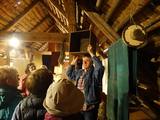 |
The museum at Egļava has an exhibition about forestry in Latvia before and after World War II. The exhibit features forestry tools and equipment, as well as textiles from the former Balvi District along with samples of ceramics and woodworking. The former forest ranger house has rooms to provide accommodations to guests. |
|
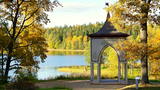 |
Als Landschaftspark wurde der Park in der zweiten Hälfte des 18. Jahrhunderts und Anfang des 19. Jahrhunderts angelegt. Ein Veranlasser des Anlegens eines Parks war der Besitzer des Landguts von Alūksne Baron Otto Hermann von Vietinghoff. Im flächigen Landschaftspark sind bedeutende kleine Architekturformen zu besichtigen – der Alexander-Pavillon, der Tempel des altgriechischen Windgottes Aiolos, das Palmhaus, der 1799 errichtete Granitobelisk zu Ehren von Otto Hermann von Vietinghoff, das Mausoleum der Baronengeschlecht, das aus einem Granitstück gemachten Springbrunnenbassin und Granitbänke. Der Park von Alūksne ist einer der schönsten Parke in Livland (Vidzeme). |
|
 |
Das Museum „Kaikaši” befindet sich ~ 1 km südwestlich vom Zentrum der Stadt Vecpiebalga, in einer kleinen Ortschaft Kaikaši. Auf dem Hof „Kaikaši” ist ein lettischer Schriftsteller Antons Austriņš (1884 – 1934) geboren. In Vecpiebalga hat der künftige Schriftsteller eine Grundallgemeinbildung erhalten. Eins der bekanntesten Werke von A. Austriņš ist das Geschichtenbuch „Jünglein” (1931). Das Museum, in dem sich verschiedene Gegenstände des ländlichen Alltagslebens und mit dem Schriftsteller verbundene Exponate (auch geschriebene Sammelbände und Bücher) befinden, lohnt es sich, unter Begleitung von örtlichem Guide zu besichtigen. |
|
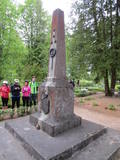 |
Befindet sich am Rande der alten Straße Alūksne – Ape, unweit von der Ortschaft Karva. Das Denkmal wurde am 12. November 1937 eröffnet. Das Denkmal wurde nach einem Entwurf des Architekten V. Vitands errichtet. Auf dem Denkmalsockel ist die Inschrift angebracht: “Die im Lettischen Unabhängigkeitskrieg 1919 gefallenen Krieger des Regiments von Valmiera. Auf der Grenze habe mein Leben bei der Verteidigung der Heimat gegeben”. Das Denkmal wurde 1975 zerstört, aber 1994 erneuert. |
|
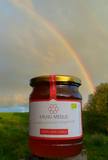 |
Möglicherweise die am höchsten gelegene Imkerei im Baltikum, ca. 300 m über Meeresspiegel. Die Bio-Bienenprodukte werden auf dem Berg Gaiziņkalns und in der Umgebung geerntet. Es werden eine Führung durch den Bauernhof, Imkerei-Workshops und eine Verkostung der Bienenprodukte angeboten. |
|
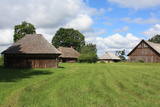 |
Das Dorf befindet sich 7km nördlich des Zentrums von Vecpiebalga. Hier kann man für die Gegend typische Landhöfe und Handwerkerhäuser des 19.Jh. mit Arbeitsgeräten und Gegenständen des täglichen Lebens besichtigen, auch eine kürzlich erneuerte Windmühle. Im Dorf leben auch heute noch einige Bewohner. Es empfiehlt sich, das Museum mit einem ortskundigen Führer zu besuchen. |
|
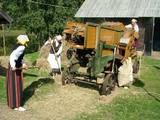 |
In den 11 Gebäuden des Museums sind Agrartechnik, Pferdegeschirre, viele Verbrennungsmotoren, Handwerkerwerkzeuge und andere Feldwerkzeuge ausgestellt, die während der Ersten Republik Lettlands benutzt wurden. Zu dem jährlich organisierten Erntefest versammeln sich bis zu 200 Besucher. |
|
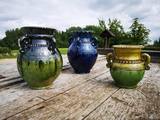 |
The craftsman produces pottery typical of Vidzeme, but with the range of colours that is typical of Latgale. These products fit in very nicely with the lovely landscape of Racupkalns. You can take a tour, watch the master at work, and work with clay yourself. You can also watch as he opens a Lettigalian ditch kiln. You can commission and purchase the products, as well. |
|
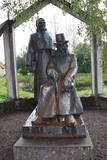 |
Das Denkmal der Gebrüder Kaudzītes steht neben dem Kulturhaus von Vecpiebalga. Die Architektin des Denkmals ist Ausma Skujiņa, die Bildhauerin Marija Eņģele. |