Contact information
Related objects
| Photo | Name | Description |
|---|---|---|
 |
LIBERTU birch sap products
*Object Inactive*

|
This is the only place in Latvia where you can tour a cellar in which the owner uses birch juice to prepare syrups, birch wine, sparkling wine (champagne), lemonade, and fermented birch juice. You can taste and buy the products. |
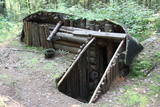 |
National partisans commanded by Rihards Pārups were very active during World War II between Vietalva and Jaunkalsnava. The team was disbanded in 1946. The dugout is at a location that is hard to find and access. It is in the nature reserve of the Veseta Wetlands Swamp. The wood pathway that leads from the East is often hidden by reeds during the summer. During the fierce winter of 2010, the roof of the dugout collapsed, but local enthusiasts plan to reconstruct it. Alongside the dugout is a white cross inscribed with the names of the partisans who lost their lives here.
|
|
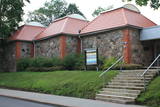 |
Muzejs (dibināts 1944. g.) atrodas Skolas ielā 10. Tas ir viens no vecākajiem Vidzemes muzejiem, kura interesantākie eksponāti ir atradumi no vidējā un jaunākā dzelzs laikmeta, kas daļa ir nākuši no Lubānas ezera apkārtnes. Muzeja darbinieki organizē gan tematiskas izstādes, kas saistītas ar novada kultūrvēsturi, gan mākslas izstādes. Muzejs izvietots bijušās Biržu muižas vēsturiskajās ēkās. |
|
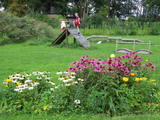 |
Biedrība “Iks parks” piedāvā izbaudīt lauku priekus, spēlējoties un relaksējoties meža malā. Šeit iespējams nodarboties ar amatniecību, interaktīvā veidā iepazīt Latvijā augošos ārstniecības augus un to īpašības. Piedāvājam apmeklēt divas teritorijas: 2. Lauku sētiņa ar darbnīcām un mini zoo. |
|
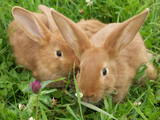 |
Piedāvā aplūkot dažādu šķirņu trušus un mājputnu sētu (zosis un dažādu šķirņu vistas, kuras dēj olas zili zaļā un zaļā krāsā, tumši sarkanā, baltā un smilšu krāsā). Iespēja iepazīties ar vienu no vecākajām aitu šķirnēm, kas vilnu maina pašas. Atrakcija - trusis - īpašā piedāvājumā (fotogrāfēties, mīļoties u.c.). Saimniecībā iespējams nopirkt mājražoto produkciju. Iepriekš piesakot, piedāvā arī degustācijas. |
|
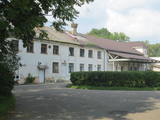 |
Pirmā Mālpils pienotava savu darbību uzsāka jau 1923. gadā un tajā ražoja sviestu un sieru. Pagājušā gadsimta 70. gados šeit tika radīts Latvijā pirmais mīkstais nenogatavinātais siers – „Mālpils siers”. Iepriekš piesakot, var doties ekskursijā pa uzņēmumu ar produkcijas degustāciju. Sierus var iegādāties uz vietas - uzņēmuma noliktavā. |
|
 |
Bioloģiskā ģimenes saimniecība “Līvi” atrodas Gaiziņkalna pakājē, Bērzaunes pagastā, un darbojas kopš 1996. gada. Saimniecības 250-300 kazu ganāmpulks ganās apkaimes dabīgajās pļavās. SieriMīkstie sieri dažādās formās, garšās un iepakojumos: “Ķiploksiers” - kazas piena siers ar ķiplokiem, “Baraviku siers” - kazas piena siers ar baraviku garšu, “Baltais” - kazas piena siers, “Āboliņsiers” - kazas piena siers ar sierāboliņu, Kazas piena siers ar kaņepēm, Kazas siers “Labrīt” ar ķiplokiem (bumbas eļļā), Kazas siers “Labrīt” sevišķais (bumbas eļļā), Kazas siers “Labrīt” bez ķiplokiem (bumbas eļļā). Kā top siersSieri top no ekoloģiski tīra pašu ganāmpulka kazu piena. Apmeklētājiem
Kur iegādāties sierusUz vietas saimniecības veikaliņā, kurš atvērts bez brīvdienām visu gadu. |
|
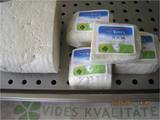 |
Piedāvā ekskursiju pa saimniecību ar kazu, zirgu, trušu, putnu un mājdzīvnieku apskati. Interesenti var pieteikties uz reiterapijas seansiem, vizināties zirgā, uz ponija un pajūgā. Kazkopības produkcijas – piena, siera, biezpiena, kefīra un jogurta iegāde. |
|
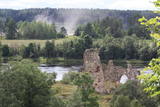 |
Atrodas Daugavas labajā krastā pie Karikstes upītes ietekas Daugavā. Pili, no kuras mūsdienās ir saglabājusies tikai sienas drupas un pamati, Livonijas ordenis uzcēla 1224. gadā. To apdzīvoja līdz 17. gs. vidum, kad Poļu - zviedru kara laikā celtni sagrāva. Uz pilsdrupām paveras labs skats no ceļa (grantēts), kas aizlokas lejup pa Daugavas ielejas labo krastu. |
|
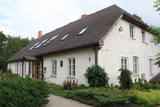 |
No Kokneses muižas ēkām līdz mūsdienām ir saglabājusies pārvaldnieka ēka, kurā laikā no 1885. - 1887. g. dzīvojis latviešu rakstnieks Rūdolfs Blaumanis (1863. – 1908., uzstādīta piemiņas plāksne) un mūra stallis, kas celts no laukakmeņiem. Tajā atrodas a/s „Latvijas Valsts meži” Vidusdaugavas mežniecība. Kokneses vidusskolas akmens vārti ir bijušās muižas vārti. Muižas ēkas apskatāmas g.k. no ārpuses. |
|
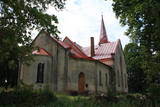 |
Atrodas nepilnu kilometru no Aizkraukles pilskalna un redzama no Rīgas – Daugavpils šosejas (A 6). Dievnams celts (1688. g.) stāvā Daugavas ielejas krasta malā, gar kuru vēl izsekojams vecais Daugavpils ceļš. Laikā no 1896. -1899. g. baznīcu pārbūvēja neogotikas formās. No interjera pieminēt vērta ir A. Annusa altārglezna “Kungs, palīdzi mums, mēs grimstam”. Baznīcā uzstādītas memoriālās plāksnes šejienes novadniekiem - pulkvedim Jorģim Zemitānam un arhibīskapam Arnoldam Lūsim. Kāds nostāsts vēsta, ka 2. pasaules kara laikā baznīcas torni aizķērusi vācu armijas lidmašīna un tas kļuvis šķībs. |
|
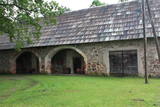 |
Ceļš, kas ved uz Biksēres muižu, atgādina šauru kalnu ceļu ar dziļu upītes gravu. Biksēres muižas patiesais nosaukums ir Libes muiža, kuras tagad redzamās ēkas piederējušas muižkungam Magnusam. Muižas kungu mājas neogotiskā stila tornīti mākslas zinātāju aprindās sauc par arhitektonisku kuriozu. Kungu mājā, kas šobrīd tiek atjaunota, atrodas Sarkaņu pagasta pārvalde. Muižas klētī vietējais entuziasts Andris Trečaks ir savācis seno priekšmetu kolekciju. Pie klēts paveras ļoti plašs skats uz Lubāna līdzenumu. |
|
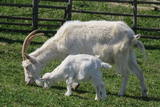 |
Ganāmpulkā ap 200 kaziņas. Saimnieks ar vieglu humora pieskaņu pastāsta par dzīvi ar kazām Latvijā un Eiropā, kazu siera pagatavošanas un garšas noslēpumiem, uzaicina uz sieru degustāciju, kuru ir iespējams pēc tam iegādāties. „Lielgrodēs” gatavotais kazu siers ir ne vien veselīgs, bet arī ļoti gards. |
|
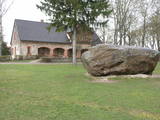 |
Atrodas Lielvārdes parkā 19. gs. sākumā celtajā Lielvārdes muižas klētī, ko vēlāk izmantoja kā dzīvojamo ēku. 1922. g. tai piebūvēja verandu. Muzejs ēkā ir izvietots kopš 1970. g., un tā krājumā ir materiāli par latviešu tautas eposu “Lāčplēsis” un tā autoru - Andreju Pumpuru (1841. – 1902.), kā arī par Lielvārdes novada vēsturi un etnogrāfiju. Blakus muzejam guļ liels akmens - Lāčplēša gulta (ap 80 t) ar atlūzu, kas ieguvusi Lāčplēša segas nosaukumu. Abi akmeņi savulaik atradušies Daugavā blakus Lielvārdes salai, kur tagad viļņojas Ķeguma HES ūdeņi. Turpat apskatāms t.s. Spīdalas koka bluķis, kas atvests no Aizkraukles. Minētie objekti atrodas pie stāva, klinšaina Daugavas krasta, kura piekājē viļņojas Daugavas plašie ūdeņi. |
|
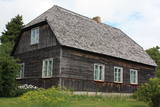 |
1973. g. dibinātais muzejs no 1989. g. atrodas Kalna Ziedu viensētas vietā. Ēka, kurā atrodas patstāvīgā ekspozīcija celta 1989. g. uz dzīvojamās ēkas pamatiem, bet krātuves ēka (1994. g.) uz kūts pamatiem. Izstāžu nams (2000. g.) tapis klēts vietā. Tādējādi no bijušās viensētas ēkām ir saglabājies tikai pagrabs, taču ēku izvietojums atbilst tipiskam Vidzemes sētas plānojumam. Muzeja krājums veltīts novada vēsturei no akmens laikmeta. Tā brīvdabas ekspozīcijā apskatāmi bišu stropi ar piederības zīmēm un Latvijā reti sastopamie riņķa krusti, kas ir viduslaiku kapu pieminekļi. 0,1 km uz ziemeļaustrumiem no muzeja atrodas Kalna Ziedu pilskalns. Kalna Ziedu Upurozola stumbrs (cilvēku un dabas stihiju postīts) 2013. gadā no Pļaviņu HES ūdenskrātuves malas pārvietots uz muzeja pagalmu, lai saglabātu to kā vēstures pieminekli nākamajām paaudzēm. |
|
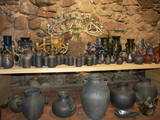 |
Apmeklētāji var iepazīt darbnīcu, vērot meistaru darbībā, veidot paši, kā arī iegādāties māla izstrādājumus (t.sk. dārza keramiku) un apskatīt skaisto dārzu. |
|
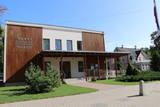 |
Muzeja krājumu veido vairāk nekā 40 tūkstoši dažādu priekšmetu, kas atspoguļo Ogres novada kultūrvēsturisko mantojumu no vissenākajiem laikiem līdz mūsdienām. Ekspozīcija "Pietura Ogre" piedāvā izsmeļošu vēstījumu par Ogres vēsturi, sākot no laika, kad Ķentes pilskalnā apmetās pirmie tā iemītnieki līdz Ogres kūrorta zelta laikiem un padomju periodam, kura laikā Ogre no peldu un atpūtas kūrorta pārvērtās par visā Austrumeiropā zināmu rūpniecības centru. Muzeja pirmā stāva zālē izstādes mainās ik mēnesi. Tematiskās izstādes veltītas dažādiem vēstures notikumiem un norisēm, bet mākslas izstādēs sevi prezentē Latvijas un Ogres novada mākslinieki. Muzejā notiek pasākumi un koncerti, muzejpedagoģiskās programmas un radošās darbnīcas. Iespējams pieteikt ekskursiju pa Ogres pilsētu. |
|
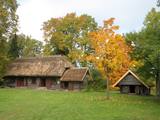 |
Ērgļu novada R. Blaumaņa memoriālais muzejs „Braki” ir izcilā latviešu novelista un modernās dramaturģijas pamatlicēja Rūdolfa Blaumaņa (1863–1908) dzīves un darba vieta. Muzejā ir apskatāmas astoņas koka guļbūves ēkas (restaurētas no 1958. līdz 1992. gadam), kas ir līdzīgas kā rakstnieka dzīves laikā, – dzīvojamā māja ar namiņu, drēbju klēts, rija, labības klēts, govju kūts, zirgu stallis, sīklopu kūts un pirts. Ēkās ir izvietota pamatekspozīcija „„Braki” – Ērgļu pagasta zemnieka rentnieka sēta – rakstnieka Rūdolfa Blaumaņa dzīves un darbavieta (1868–1908)”, kurā var aplūkot 19. gs. beigu un 20. gs. sākuma darbarīkus, saimniecības un sadzīves priekšmetus, kā arī iepazīties ar periodiski veidotām tematiskām izstādēm. Pie ieejas muzejā atrodas O. Skaraiņa skulptūra „Rozes mātei”(1992). Plašajā teritorijā ir iespēja izstaigāt dabas takas, aplūkojot Zibensšķelto akmeni, L. Līces skulptūru „Edgars” (1990), Simtsoļu taku, Lejas aku, Noliņa ābeli, Pieminekļa akmeni, Jānkalniņu, Pirtsgravas avotiņu. Apmeklētājiem tiek piedāvāti izglītojoši pasākumi un tematiskas ekskursijas (ģimeņu godi, velniņu nedarbi, darbi lauku sētā, kāzu ekskursijas „Silmaču” noskaņās), kā arī iespēja baudīt „Braku” putru, „Silmaču” pankūkas, tēju un vīnu „No saldenās pudeles”. Muzeja teritorijā atrodas rotaļlaukums bērniem un atrakciju parks „Braku takas”, kas piedāvā pārvarēt pārbaudījumu un šķēršļu trasi; darbojas disku golfs. |
|
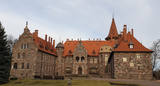 |
Viena no skaistākajām Latvijas pilīm (eklektisma stils), ko pils saimnieks Ādolfs fon Vulfs esot uzdāvinājis savai sievai. Pēc arhitekta H. Grīzebaha projekta amatnieki to uzcēla laikā no 1893. - 1896. g. Šobrīd norit pils atjaunošanas darbi. Pie pils Sūlas upītes krastos plešas Cesvaines parks, kur atrodas ar mežu apaugušais Cesvaines pilskalns ar pils īpašnieka Ādolfa fon Vulfa kapu. Pili ir vērts izstaigāt gidu pavadībā. Cesvaines Pils jumta pārbūves darbi ir noslēgušies. Pils ir pieejama apmeklētājiem Cesvaines Tūrisma centra speciālistu pavadībā, piesakoties pa tālr. 26172637 vai Pils ielā 2. |
|
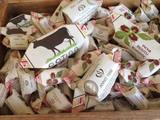 |
SIA "Skrīveru pārtikas kombināts" ir pirmais uzņēmums Latvijā, kas jau 1957. gadā sāka iecienīto piena konfekšu "Gotiņa" ražošanu. Kombinātā iespējams iegādāties gardās konfektes un doties ekskursijā. Pats uzņēmuma saimnieks ir arī galvenais konfekšmeistars, kas labprāt pastāsta par "Gotiņu" tapšanu. |
|
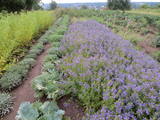 |
Saimniecībā (atrodas Daugavas senlejas krasta augšdaļā), aug vairāk nekā 100 augu sugu un šķirņu – dekoratīvie, garšaugi, ārstniecības augi, kā arī tradicionālie latviešu sētas augi. Te apskatāmi Latvijā lielākie Mandžūrijas aktinīdijas (t.s. Ziemeļu kivi) stādījumi. Ekskursija, augu stādu iegāde, tēju, augļu un ogu degustācijas un konsultācijas. |
|
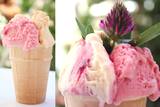 |
Ģimenes uzņēmums (izveidots 2006. gadā) no pašu izaudzētiem augļiem un ogām gatavo mājas saldējumu. Taisa gan klasiskos – plombīra, krējuma, jogurta saldējumus un sorbertus, gan arī mūsdienu modernās virtuves „brīnumus” – brētliņu, zilā siera, mārrutku un kartupeļu saldējumu ar tomātu mērci. Līdz šim pagatavotas 80 dažādas saldējumu receptes. Iepriekš piesakoties, var doties ekskursijā un izzināt visu par saldējuma gatavošanu no pašiem pavāriem. Kafejnīcā iespējams nobaudīt vairākus saldējumu ēdienus - katru ar citu saldējuma piedevu. Kafejnīcā ar prieku uzņem arī četrkājainos draugus! Īpašais ēdiens: Mārrutku saldējums ar siļķi. |
|
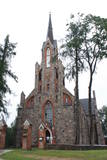 |
Found in the northern part of Cesvaine, the church was built of fieldstones in the Neo-Gothic style in 1879 by the architect Paul Max Bertschy. The church was restored in 1929 and again in the early 1990s. The altar painting, “Christ on the Cross” (1923) is by Jēkabs Bīne.
|
|
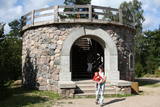 |
The tower is on one side of the range of hills known as Grantskalni (a continuation of the Blue hills of Ogre), and it offers a broad view of the Daugava River valley and the Pārogre residential district. The dendrology park that is nearby is worth a visit, because it is rich with different kinds of plants.
|
|
 |
The tradition of dairy processing in Lazdona dates back more than 100 years. Today, the company produces milk, cheese, sour cream, curd cheese, quark products, yoghurts, desserts and other dairy products. Lazdonas piensaimnieks is one of the few producers of Jāņu siers, a traditional Latvian cheese recognised by the European Union as a Traditional Speciality Guaranteed (TSG) product. Several of the company’s products also carry Zaļā karotīte (Green Spoon), Latvia’s national quality mark for food products. Cheeses
How the Cheese is Made Visitor experience Where to Buy |
|
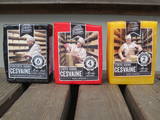 |
Cesvaines Dairy
*Object Inactive*

|
There are ancient cheese-making traditions in Cesvaine, where the Cesvaines Dairy was established on the basis of the historical Cesvaine Estate dairy operation. The company produces butter, cottage cheese, cheese, home cheese and soured cream. The “Pie Arkas” store that is alongside the dairy sells those products. |
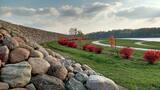 |
To the south of Koknese, the Destiny Garden is on an island that is surrounded by the waters of the Pļaviņas hydroelectric power plant (there is a bridge to the shore). The aim of this fundamental open-air object was to commemorate people in Latvia who suffered because of totalitarian regimes. The first work here began in 2008, and the designer of the landscape was a Japanese landscape architect, Shunmyo Masuno. Work on the garden continues, but it is already a popular tourist destination. The first permanent structure is a terrace that offers a view of the Koknese castle ruins and the local Lutheran church. This means that there will be something new each time that people visit the park. People are invited to bring rocks for this nationally important location that commemorates Latvia’s history. |
|
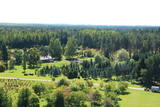 |
This arboretum is in a lovely location in the Vidzeme highlands. It covers 140 hectares of land and offers a look at interesting coniferous trees, lianas, lilacs, rhododendrons and peonies. The facility has a modern visitor information centres.
Unique species: The Tulip Tree (Liriodendron tulipifera), the Fringe Tree (Chionanthus virginicus), and the Kobushi Magnolia (Magnolia kobus).
|
|
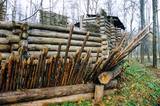 |
The artist Agris Liepiņš was the initiator of the project to recreate a 12th-century Ancient Latvian wooden castle. The building was erected in 1997 on the basis of samples from the remnants of castles found at various castle hills in Latvia. This is an idealised version of the residence of Uldevens, who was once the senior official of the Lielvārde region.
|
|
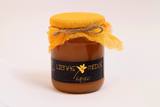 |
A family-owned company that cares for a clean environment, organic produce and design. Offers tours in the bee apiary and farm, tasting. |
|
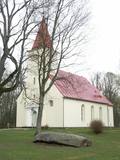 |
Located in the
|
|
|
|
The Cesvaine Castle is one of Latvia’s most beautiful castles. Built in the style of Eclecticism, it is said to have been presented by its owner, Adolf von Wulff, to his wife. The castle was built between 1893 and 1896. On the banks of the Sūla River alongside the castle is the Cesvaine Park, including the afforested Cesvaine castle hill. The Cesvaine castle roof reconstruction is complete! Visitors may tour the castle accompanied by a Cesvaine Tourism Centre guide. Restoration of the castle interior will ccontinue throughout 2020. Periodic closure of the castle can be expected. Please phone in advance to arrange a visit T. +371 26172637. For more information visit www.cesvaine.lv |
|
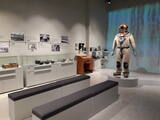 |
This exhibition features the Pļaviņas hydroelectric power plant as a unique architectural building with unique engineering elements. It is the largest producer of electricity in the Baltic States and one of the largest in
|
|
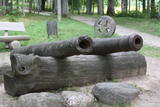 |
Established in 1900 at the place where the Pērse River flows into the Daugava (now the reservoir of the Pļaviņas hydroelectric power plant), the park offers a look at 17th century Swedish cannons and monuments from Medieval graves. Next to the high school in the park is a restored fountain, “Head of a Faun,” which was near the legendary Pērse waterfall during the 1930s. The waterfall is now underwater, but its location is indicated by a stone sculpture, “Girl of Pērse,” which was created by the sculptor Juris Zihmanis. A path leads to an 11 metre high wooden sculpture, “For Eternity,” by the sculptor Ģirts Burvis, and another sculpture, “Little Owl,” which is the work of the Rurāns brothers, both of whom are sculptors of wooden sculptures.
|
|
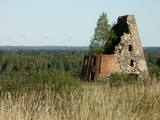 |
The area known as the territory of high hillocks has several heights – Lakta Hill (250 metres above sea level), Egļu Hill (268 metres above sea level), and Bākūži Hill (272 metres above sea level). They are connected by an earthen road – it’s worth hiking the trail to find the best viewing areas. A very fine view of the backs of hillocks in the Vidzeme highlands can be seen from the northern side of Lakta Hill.
|
|
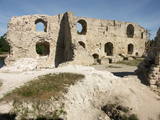 |
The ruins of the Koknese Castle are found where the Daugava and Pērse rivers flow together. The castle, which is on a floodplain, was built for the bishopric of Rīga in 1209, and it replaced an ancient Latvian castle that was made of wood. The castle was blown up by Saxon forces in 1701. A visitors centre is near the ruins, and there you can carve a Medieval coin or rent a boat to sail down the Daugava. Make sure to stroll through the Koknese park, which is alongside the ruins. |
|
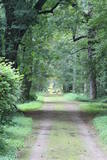 |
This is the oldest arboretum in Latvia. It was planned by the owner of the Skrīveri Estate, Maximmilian von Sievers (1857-1919). It has to be said that before World War I, there were two times more species of plants in the park than is the case now. The plants are grouped in accordance with the geo-botanic regions of the world. There are trails in the park, and signs showing the Latvian and Latin name of each plant are there, as well. There’s a fountain which is operated from every hour on the hour from 11:00 AM until 11:00 PM from Tuesday until Sunday. On the other side of the Rīga-Daugavpils highway is the Skrīveri Forest Park with hiking trails.
|
|
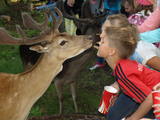 |
Some 200 fallow deer live in large paddocks at the park, and the largest deer sorting facility in the Baltic States is right next door. You can look at the animals from up close. The owner organises educational camps for children and offers consultations on the breeding of animals. |
|
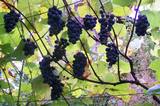 |
The visitors are offered the excursion around the wine garden and the story about different sorts of grapes and the secrets of wine-making. During the excursion the vistiors can learn about the traditions of growing grapes in Latvia, to see and taste the newest tendencies of grape selectioning,as well as receive advice on growing and tending grapes. It is also possible to try home-made wines and buy grapes saplings. |
|
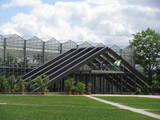 |
The National Botanical Garden in Salaspils ranks as the largest botanical garden in Latvia and in the Baltics with a territory of 136 hectares. The National botanical garden collection consists of about 14 thousand different varieties. More than 5,000 plants are found in the arboretum, as well as various other exhibitions, such as orchards, rosaries, ornamental plants. Botanical Gardens can inspire you to uprade your own garden assortment with new plant varieties and offers the experience of learning about botanical knowledge in nature. In addition, it presents opportunity to expand your personal photo archive with an exclusive background photographs and close-ups. There is a playground for children, comfortable cycling paths, nordic walking paths, picnic possibilities. |
|
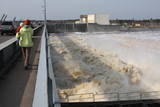 |
This is Latvia’s first major hydroelectric power plant, and construction along the right bank of the Daugava began in 1936. The plant was designed by the architect Eižens Laube. The first hydro-aggregate (17 MW of capacity as the largest plant in Latvia) was switched on in 1939. A second round of construction occurred between 1976 until 1979, the result being a new building on the left bank of the Daugava, increasing the capacity of the plant to 260 MW. Another round of reconstruction occurred between 1998 and 2001 on the left bank of the Daugava (the HES-2 plant). The Energy Museum is now there.
|
|
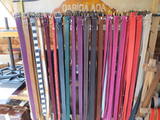 |
This workshop manufactures belts, bags, jewellery (pendants, brooches, bracelets), as well as covers. It offers book binding services and prepares souvenirs. Tours are available for groups of up to 50 people. You can try your own hand at the crafts, taste teas, and cook soups on an open fire. |
|
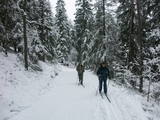 |
The nature park near the town of Ogre is a popular place for leisure, hiking and, in the winter, cross-country skiing. Most of the park is covered with coniferous trees that are on a long and comparatively narrow line of hillocks with steep sides – another element of nature left behind in Latvia by the Ice Age. Many different plants can be found here. The Jaunogres castle hill is one of the most distinct hillocks in the area. |
|
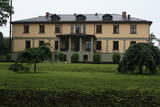 |
The origins of the castle that was built in the style of Classicism date back to 1784. Later it was rebuilt into a two-story building with a portico with four columns at its centre. A new period in the development of the state began in 1993, when restoration of the buildings began. The estate currently houses a children’s village, while the mansion is now a hotel.
|
|
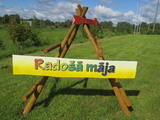 |
This venue organises seminars, courses and activities related to Latvian holidays and family celebrations. There are master’s classes about culinary heritage in
|
|
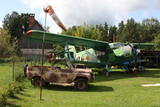 |
This café in Ciemupe in the Ogre District has an exhibit of military equipment, artillery and other objects.
|
|
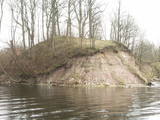 |
Where the little Rumbiņa river flows into the Daugava (on the left bank of the little river opposite the Lielvārde park), there is the Dievkalns castle hill that has been reduced by the waters of the Daugava. It is also known as the Cepure hill. According to antiquities that have been found here, representatives of Baltic tribes lived here from the first millennium BC to the 6th or 7th century AD. The level of the Ķegums hydroelectric power plant can be reached by a staircase from which the best view of this object can be found.
|
|
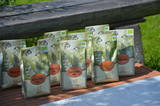 |
This is a family company in the Madona Administrative District, which offers natural herbal teas and spices. All of the ingredients come from
|
|
 |
An organic farm on the shores of Lake Jumurda in Madona region raises goats and produces artisan goat’s cheese. The farm’s owner developed her cheesemaking skills gradually, learning from books, online resources and a variety of courses. She has also expanded her knowledge by learning from cheesemakers in Italy, gaining hands-on experience both at their dairies and by welcoming them to her own farm. Cheeses How the Cheese Is Made For Visitors Where to Buy |
|
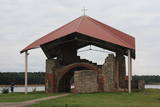 |
Since the 1970s, these ruins have been on a small (100 m long) island that is part of the reservoir of the Rīga hydroelectric power plant. The island is named after St Meinhard and the ruins are part of the oldest stone building in Latvia. Work on the church began in 1184, but it was rebuilt and sacked several times, most recently in 1916. The ruins have been conserved and are protected by a metal cover. The shores of the island have been strengthened. The 10 metre metal cross on the island was designed by E. Samovičs, while the stone altar was sculpted by J. Karlobs. |
|
 |
The company, based in Aizkraukle region, began making cheese in 2010, starting with the still-popular Ievas siers. The farm’s main business is dairy farming. Cheeses
How the Cheese is Made Where to Buy |
|
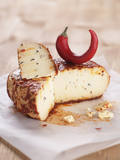 |
Nur 30 Autominuten Fahrt von Riga, im Zentrum der Stadt Ogre, befindet sich die Käserei "SierStelle". Am gleichen Ort, im Erholungskomplex „Policijas akadēmija” kann man die Gerichte aus der Käse der Käserei "SierStelle" genießen sowie Käse in der kulinarischen Abteilung kaufen. Die Auswahl der Käserei „SierStelle” besteht aus 31 Käsespezialitäten verschiedenes Geschmacks – sowie Salzkäse als auch Süßkäse. Ein besonderes Käse-Rezept ist am gleichen Ort in Ogre, im populären Kurort entstanden. |
|
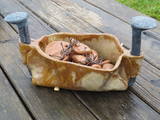 |
The potter offers tours of his workshop, a chance to use the potter’s wheel to produce your own clay dishes, opportunities to draw, and a chance to manufacture drums and dolls. You can buy the finished products and listen to the craftsman playing his drums. |
|
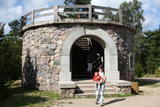 |
This arboretum park is in a lovely place – the Blue Hills of Ogre, where there is a tower with a good view of the Daugava River Valley. The landscape is enlivened by a pond and its streams. There are beautiful hiking trails throughout the park.
Unique species: The Amur Cork Tree (Phellodendron amurense) and the Field Elm (Ulmus minor), among others.
|
|
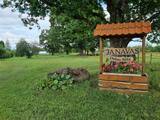 |
The farm grows herbal tea plants such as blue dragon, purple cornflower, peppermint, and lavender, as well as other plants. It also offers cosmetics such as the Beāte line of facial creams, as well as cornflower eau-de-toilette. You can take an informative tour, taste delicious teas, and purchase the cosmetics. |
|
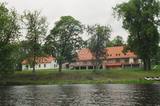 |
Hotel am See im Schloßpark. Konferenzsaal für 80 Personen, eine Sauna mit einem Bankettsaal für 100 Personen. Restaurant, Bar, Terrasse mit Aussicht auf den See. Paddelbooten, Skifahren, Eislaufen.
|