
| No | Name | Description |
|---|---|---|
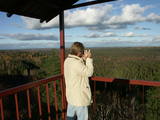 |
The viewing tower is in the southern part of the reserve, along the Ļaudona-Mārciena road and on the Madona-Trepe embankment. Here you can view a very wide territory all the way to the Vidzeme highlands, including Gaiziņkalns Hill if the weather is clear. At the foot of the tower you will see the lakes known as Small and Great Lake Plencis. |
|
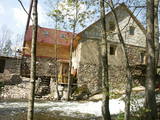 |
The Narūta River which flows out of Lake Ežezers is approximately 1 km long and ends at the small Obiteļi windmill lake. On the right bank of the river is a windmill that was built around 1900. Today the site has the Obiteļa leisure centre with a sauna and banquet facilities. |
|
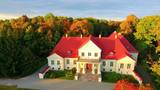 |
The Jakiškiu Estate was first mentioned in documents in the late 16th century. The estate had elements of Classicism in terms of its architecture. Among the buildings, the only ones that have survived are the mansion, an ice cellar and a steam-driven windmill. The estate has not been restored, so it is still authentic. Its artistic soul is preserved by various objects that remain from the time when people lived at the estate and from the Soviet era. Alongside the estate are a few fragments of a park, which covers approximately 2 ha. There is an ancient alley of linden trees that are on both sides of the entrance road, as well as several other valuable types of trees and a small pond. |
|
 |
The bakery and cafe in Saulkrasti – not far from Saulkrasti railway station. The baker offers pierogi, cakes and other baked goods, as well as dishes for all meals. A second café can be found at Raiņa Street 7 in Saulkrasti. Latvian cuisine: Cold soup, potato salad, sauerkraut, homemade steak haché, grey peas and bacon. Special foods: Pizzas cooked in a wood-fired oven. |
|
 2 days
|
A scenic and tradition-rich stretch of the Forest Trail symbolised by the onion. Onions were brought to the region by Old Believers in the 17th century. Ladies and gentlemen selling home-made onion strings on the roadside have become somewhat of a business card of the villages. The villages on the twenty-four kilometre stretch of road between Varnja and Kallaste are connected by the tourist route called Onion Road. The landscape is decorated by colourful wooden houses, small fish shops and a restaurant where you can enjoy tea made in the samovar, true to the traditions of Old Believers. You can visit the Kostja’s onion farm, where the host welcomes the guests and shows them onion cultivation. It is also worth visiting the Chicory Museum in Kolkja to get acquainted with the history of chicory cultivation in row villages near Lake Peipus. At the end of the trail you will reach Alatskivi, where the famous Alatskivi Castle is located. |
|
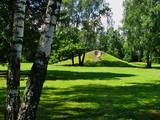 |
The monument dedicated to the Staburags cliff was installed in 2003. Designed by the sculptress Solveiga Vasiļeva, the monument is known as “The Ear of God,” and it is installed in the place where the reservoir of the Pļaviņas hydroelectric power plant flooded one of Latvia’s most interesting geological monuments. Staburags relates to many legends and stories told by rafters. It stood 18.5 m high and was a sandstone cliff on the left bank of the Daugava River, dating back to the last Ice Age. The Liepavots stream that trickled out of the cliff is now also underwater. Staburags and the flooded Daugava quarry were once among the most popular tourist destinations in Latvia. |
|
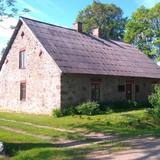 |
Operdziedātāja Jāņa Zābera muzejs "Vecais ceplis" atklāts 1973. gada 11. augustā - dziedātāja dzimšanas dienā - viņa dzimtajās mājās. Muzejā apskatāmas fotogrāfijas no viņa dzīves gājuma, afišas un operu tērpi. Tāpat pieejami dziesmu un operu āriju ieraksti mākslinieka izpildījumā. Muzeju pārzina Jāņa Zābera brāļa meita ar ģimeni. To ir iespējams apmeklēt, iepriekš saskaņojot laikus.
|
|
 |
This homestead on the banks of the Rauna River breeds various kinds of fish. During the winter, you can fish for various salmon-type fish, and in the summer you can fish for sturgeon, blue-char, tilapia and trout. You can purchase fish, and tastings are available for groups of visitors. Sillakas is approximately 3 km from Liepasmuiža. |
|
 |
The blacksmith is eager to show his work and various techniques and tools. He can also show how to make charcoal, and talks about the dwelling house which includes a threshing barn with a huge kiln, and explains how grain was dried, threshed and winnowed in the past. |
|
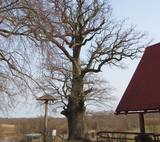 |
Turbu dižozols aug Mazās Juglas stāvkrastā, atpūtas kompleksa Turbas teritorijā. Dižozols ir aptuveni 800 gadu vecs, tā apkārtmērs ir 7,1 m, augstums - 27 m, vainags 18x16 m. Dižozols ir ļoti labā stāvoklī. Zaļo viss vainags. Ozolā ligzdo pūce, kā arī iecienījuši daudzi citi putni. Zinātāji runā, ka Ozols ir ar spēcīgu dziedniecisku enerģiju. |
|
 |
Produktu izgatavošana no ārstniecības augiem - tējas, sīrupi, augu pulveri, ziedes. Pakalpojumu piedāvājums - ekskursijas, radošās darbnīcas, meistarklases, pirts. |
|
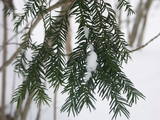 |
The forest covered area formed to protect tort protected plant species as yew-tree etc. Territory is not suitable for visitors as visitor without environmental knowledge will see “regular” forest.
|
|
 |
The owner of this farm produces ecological vegetables, fruits and berries, and two protected breeds of cows. She chairs a club for lovers of horses and breeds local breeds of horses. The owner has a horse breeding museum with more than 1,000 exhibits. She also organises various celebrations for the Assumption of Mary festival, etc. |
|
 |
The restaurant is on the edge of the Turaida-Ragana road. The granary was built in 2004 in line with historical traditions. It resembles the Turaida Estate granary that was built by Baron Holstein. Latvian cuisine: Smoked catfish, leg of lamb, roast veal, venison or pork, stuffed duck or goose. |
|
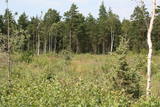 |
Similar as Alsungas mezi (Alsunga forests) – is not intended and appropriate for visits. A narrow path of the restricted area can be seen from the gravel road – Saka-Apriki. Nature restricted area established mainly for protection of Erica tetralix (often called "cross-leaved heath") and it is one of the most important growing places.
|
|
 |
In the Alatskivi historical ice cellar wine, herbal teas, various snacks, spicy vinegars and jams are made from fruits of local meadows and forests. In the cosy boutique you can taste and buy wines, teas and other local food souvenirs. If the group is bigger or you want to visit us outside of working hours, it is desirable to notify us about your arrival in advance. |
|
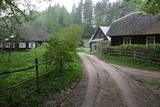 |
Liela meža masīva vidū gleznainās Būkas (Būka) upes krastos starp kokiem ieslēpies teiksmainais Vaišnoriškes ciems. Šis ir viens no skaistākajiem nacionālā parka etnogrāfiskajiem ciemiem. Vaišnoriške kā apdzīvota vieta sākusi veidoties 1756. g., kad šeit sena vēsturiska ceļa malā darbojies krogs. Pirmā viensēta ciematā ir zināma no 1830. g. Šodien redzamā apbūve ir tapusi g.k. 20. gs. sākumā. Ciems ir palicis cilvēku atmiņās ar liepu medu, jo meža velšu vākšana un biškopība bija viena no galvenajām šejieniešu nodarbēm. Tagad ciemā ir piecas sētas. No Vaišnoriškes var uzsākt laivu braucienu pa seklo un dzidro Būku. |
|
 |
This lovely farm features lilies, peonies and other flowers, as well as a beautiful rock garden and a dendrological park that is under development. Bees from more than 100 hives produce honey. The lady of the house will take you on a tour and offer plants and honey products for sale. |
|
 |
This was the first estate farm in the Baltic States and is the largest one. Work is in harmony with nature. You can purchase various kinds of bread made of natural yeast, fowl and their eggs, ecological beef, milk and dairy products, locally caught fish, traditionally grown vegetables, ecological honey from the local region, as well as various dried, pickled and smoked products. |
|
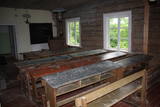 |
The Old School of Druviena is alongside the Druviena-Liezēre road. The historical school building became home to a museum in 1964. The school is closely linked to the great Latvian writer Jānis Poruks (1871-1911), and a memorial room to him has been installed in the building. On the second floor, you can look at a classroom, sit on an old-time school bench and try to imagine yourself as a schoolchild long ago. Interesting exhibits include boxes in which children brought food from home – the same ones which were used by two of Poruks’ most popular characters, Cibiņš and Buņģis. |
|


