
| Нo | Название | Описание |
|---|---|---|
 1 день
|
The smoke sauna is an important part of everyday life in the Võru community in Estonia. It is the centre of a rich set of traditions including the actual bathing customs, the skills of making bathing whisks, building and repairing saunas, and smoking meat in the sauna. The sauna is a building or room heated by a stove covered with stones and with an elevated platform for sitting or lying. It has no chimney, and the smoke from the burning wood circulates in the room. People usually go into the sauna together and remain until they are sweating. Water is thrown on the heated stones to produce hot steam-laden air and bathers beat their bodies with whisks to remove dead skin and stimulate blood circulation. After sweating, whisking, relaxing and possible healing procedures, people cool themselves outside and rinse their bodies with water. The procedure is then repeated. The smoke sauna tradition is primarily a family custom, usually practised on Saturdays, but also before major festivals or family events. Its main function is to relax the body and mind. Families take turns hosting each other. Usually an older family member is responsible for preparing the sauna, accompanied by the children who gradually acquire the necessary skills. The smoke sauna tradition is part of the UNESCO Representative List of the Intangible Cultural Heritage of Humanity. |
|
 2 дня
|
Аукштайтия является крупнейшим и одним из старейших регионов Литвы, который с 15-го века называют «истинной Литвой». В этом путешествии вы насладитесь сельскими дарами, которые Аукштайтский край предлагает сегодня. |
|
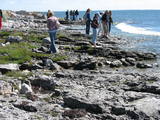 |
The national park was established to protect the 100 or so small islands that make up the archipelago of the local area. The largest island, the Vilsandi Island, is 6 km long and up to 2 km wide. You can rent a boat to get there, or, during appropriate conditions, you can walk across the sea and the small islands from the southern end of the Kuusnõmme peninsula.
|
|
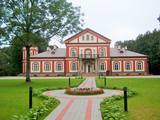 |
Усадебный комплекс Аланта находится в деревне Науясодис: здесь стоит дворец в стиле неоклассицизма, парк XIX в. (вязы, липы, березы, дубы, черемуха), надворные постройки. В парке вокруг дворца, напоминающего итальянскую виллу своими неороманскими чертами, проложены аллеи, вырыты три пруда неправильной формы. Деревья по краям аллей высаживались таким образом, чтобы со временем их стволы соединились и сформировали целостный величественный букет. Кроме местных деревьев, здесь произрастает и немало экзотических растений. На окраине парка построены ажурные беседки, высится белый, чуть сужающийся кверху обелиск, чуть ближе к зданию дворца стоят скульптуры Венеры и Юпитера из белого мрамора. |
|
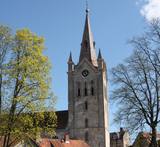 |
Gebaut am Ende des 13. Jh. als eine dreischiffige Basilika im romanischen Stil mit gotischen Elementen. 1853 wurde der 65 m hohe Turm aufgebaut (Aussichtsplatz). In der Kirche befinden sich die Grabsteine der livonischen Bischöfe, Kanzel (1748), Altar aus Eichenholz (1858), Altarbild (1862), Buntglasfenster und eine der besten Orgeln Lettlands (1907). |
|
 1 день
|
Dodieties ekskursijā, lai gūtu ieskatu lauku profesijā un dzīvesveidā, kā arī iegūtu jaunus iespaidus un labu atpūtu visai klasei. Ekskursijas sākumā apmeklējiet savvaļas dzīvnieku parku, kura voljēros dzīvo ~ 200 dambriežu. Tālāk dodieties uz saimniecību, kur aug vairāk nekā 100 augu sugu un šķirņu - ekskursija pa saimniecību, augu stādu iegāde, tēju, augļu un ogu degustācijas. Pēc tam apmeklējiet Skrīveru pārtikas kombinātu, kurā iespējams iegādāties gardās Gotiņkonfektes un doties ekskursijā. Brauciena noslēgumā - Skrīveru mājas saldējums ar stāstījumu par saldējuma gatavošanu un degustāciju. |
|
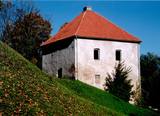 |
Название квадратного здания со стенами толщиной почти в два метра появилось во времена герцога Екаба, так как здесь хранили порох. Возможно, здесь находился колодезный домик, так как грунтовые воды находятся близко к поверхности. Пороховую башню и дворцовую территорию соединяет 12-метровый мост на одной опоре. В настоящее время башню можно осмотреть только снаружи. |
|
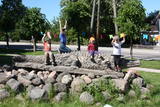 |
Изготовленная в 1995 году (скульптор О. Скарайнис) скульптура стоит на развилке дороги (пересечение улиц Талсу и Е.Динсберга) у молочного завода Дундаги. „Крокодил” посвящен сильным людям и бывшему жителю Дундаги Арвиду Блументалю (1925 – 2006), который жил в Австралии, был большим авантюристом и охотился на крокодилов (~ 10 000). A. Блументалс был прототипом главного героя в знаменитом фильме Пола Хогана “Крокодил Данди”. |
|
 |
Дивизион Сталдзенской зенитноракетной бригады занимал обширную территорию с масштабным с точки зрения количества и величины комплексом зданий. Часть из строений находится в частном ведении, обустроена коптильня для рыбы.
|
|
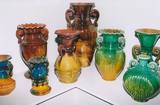 |
Расположен в юго-западной части Прейли, по адресу ул. Талсу 21. Экспозиция музея посвящена работам гончара П. Чернявского (1923 – 1997), которые выделяются своей светлой, желтоватой и яркой глазурью. Посетители музея могут участвовать в процессе создания керамических изделий (в т.ч. открытие печи) и приобрести сувениры. |
|
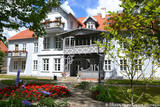 |
Сегодня усадьбу Шилуте часто называют усадьбой Хьюго Шоя, по имени ее последнего владельца. Шилутский дворянин, основатель парка Хьюго Шой (Scheu) приобрел усадьбу в 1889 г. Он привел в порядок усадебные постройки и территорию, а также заложил здесь два парка: усадебный и лесопарковую зону, которая получила название «Вороний лес» (лит. Varnamiškis). Вокруг усадьбы был разбит парк английского типа с прогулочными дорожками. Лесной парк, открытый для горожан, расположился по обоим берегам извилистой реки Шиша и соединен пешеходными мостами. В парке, который простирался вдоль реки Шиша до старого железнодорожного моста, насчитывалось около 150 видов растений. Сейчас в парке сохранилось всего 40 видов |
|
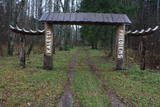 |
Kalētu muižas bijušais medību dārzs. Muižas laikos šeit ierobežotās platībās turēja meža dzīvniekus, kuru medības bija populārs muižniecības izklaides veids. Parkā uzmeklējams piemiņas akmens Krievijas imperatoram Aleksandram III, kurš šeit nošāvis briedi (irsi). No Kalētiem Latvijas teritorijā „ienāca” staltbrieži, kurus medību vajadzībām 1848. g. atveda no Vācijas. Parkā izveidotas takas un atpūtas vietas. |
|
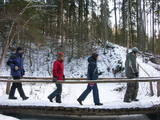 |
The beginning of this circular trail can be found at the Krimulda church – the oldest in Latvia. In one direction, the tourist will pass along the banks of the little Runtiņupīte river (Runtiņš) to the place where it flows into the Gauja river. Among the points of interest along the way are the parsonage of the church, the Kubesele castle hill, a memorial to the Livonian chieftain Kaupo, the Kubesele cave, the Saulstari rock, the “Great Rock”, ancient anchor blocks, ancient graveyards, a unique labyrinth, etc.
|
|
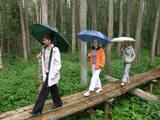 |
This trail of pathways dates back to 2005 and it passes from the Dunte Estate (which has an exhibition about Munchhausen) along damp shoreline forests and on to the sea. There are rest stops along the trail with wooden sculptures related to the famous Baron Munchhausen, as well as other attractions. The trails are in the Northern Vidzeme Biosphere Reserve.
|
|
 |
1,8 km garā taka atrodas neparastā vietā – uz Cirīša ezera salas. Tās galvenās vērtības ir augu valsts un dzeņveidīgo putnu daudzveidība. Viens no apskates objektiem ir Upurkalns – sens pilskalns. Taka labiekārtota, izveidoti informācijas stendi, atpūtas vieta. Lai nokļūtu uz salas, no vietējiem jānomā laiva, vai jādodas ar savējo. Atrodas dabas parkā „Cirīša ezers”. |
|
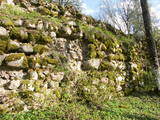 |
The Volkenberga Castle was built in the 13th century by the Livonian Order, and it was practically impregnable, as it was on top of Mākoņkalns hill. These were among the first fortifications in Latgale, and only fragments of the castle remain today. Architect Pēteris Blūms has said that this was a special type of fortification. Legends say that after the lord and lady of the castle died, the property was divided up among their three daughters – Roze, Lūcija and Marija. Each sister built a new castle on the land which she inherited – Roze built Rēzekne, Lūcija built Ludza, and Marija built Viļaka. A memorial plaque at the foot of Mākoņkalns hill recalls the visit which pre-war Latvian President Kārlis Ulmanis paid to Latgale in 1938. |
|
 |
Territory is not attractive for a visitor without environmental knowledge and is very hard to find and reach through swampy forests on the North from Riva village. Area is not intended and appropriate for visits.
|
|
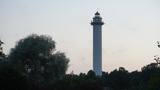 |
Раньше - Пизе, по-ливски - Pizā. Теперешнее название произошло от построенного во времена императора маяка (Михайловский маяк), названного в честь племянника старого императора Александра II. На сегодняшний день виден третий по счету маяк Микеля, построенный в 1957 году и являющийся самым высоким в Латвии - 57 метров (можно осмотреть только снаружи). Лютеранская церковь Башни Микеля была построена в 1893 году. Здесь же видно здание трактира Пизе, датируемое 1857 годом (в плохом состоянии) c характерной для трактиров 19-го века планировкой и конструкцией – единственное подобное здание на побережье ливов. В башне Микеля родился первый ливский деятель культуры Янис Принцис (1796 - 1868), который вместе со своим сыном Янисом перевел евангелие от Матфея на западный диалект Курземского ливского языка. Я.Принцис – старший и Я.Принцис – младший были также авторами издания стихов «Святые песни и молитвы моряков» 1845 года. До этого сборник стихов на латышском языке был издан только слепым Индрикисом. В Олмани Башни Микеля родился ученик Вильгельма Пурвитиса - ливский живописец Андрейс Шульцс (1910-2006). На кладбище Башни Микеля в 1978 году был установлен памятник ливским поэтам (первый памятник, посвященный ливам). До 2019 года в центре села планируется открыть арт-объект «Век парусников», созданный художником Гиртом Бурвьем. |
|
 |
В «Комнате вкусов» Вы сможете попробовать лучшее, что предлагает пивная кухня Pihtla ‒ традиционное сааремское домашнее пиво, сыр Saare, мороженое Fresko, яблочный лимонад и другие местные продукты. |
|
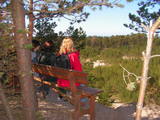 |
One of the highest dunes in Latvia, located between Bernāti and Jūrmalciems villages. It is 37m high and offers a magnificent view of the sea and natural pine forests. The highest dunes in Latvia stand to the South of Jūrmalciems village: the Pūsēnu hill, the Ķupu hill, the Mietragkalns or Tiesas hill, the Pāļu hill, the Garais hill, the Ātrais hill, the Lāvas hill. The Pūsēnu dune is the highest of these dunes which are all called hills by the local people. The Pūsēnu hill developed between 1785 to 1835 when shifting sand became extremely dangerous. Several homesteads were buried in sand, among them „Pūsēni”, where a forester’s family lived. The family is said to have moved to Bārta. The dune was named after the buried homestead. Jēkabs Janševskis, a Latvian writer, wrote in his book „Nīca”: “In olden times, large pine trees were growing in the dunes on the coast of Nīca and they stood steady and firm. But i Swedish times (around 1650), the Swedes built a large kiln for charcoal and tar. Pine wood and stumps provided an excellent material for this. Once a big fire rose, and the charcoal kiln burned down as well as the whole pine forest. The remaining stumps and bare trunks in the vast burnout could not hold the storm-driven sand; it flew further and further burying not only the burned-out forest, but also the nearest fields. In wintertime, when the vast, low marshy grasslands were covered with ice, jets of sand drifted further over its surface, and soon most of the grasslands and large meadows turned into sandy heath-land and dunes.” To reconstruct Liepāja, severely damaged during WWII, a silicate brick factory was built in the town. The main raw material was white sand and it was taken from the Bernātu forest. In the 1960-ies they started to dig off the Green Dune and the White Dune, later also the Pūsēnu hill. The excavators used to work day and night, in three shifts. The work stopped at around 1980, as there was no more sand suitable for production of brick. A trail is set up to facilitate walking in the Pūsēnu Dune in the Bernātu Nature Park. |
|


