
| No | Name | Description |
|---|---|---|
 |
Family farm near Valmiera with large fields, meadows and 400 cows. Production of cream, cottage cheese, yoghurt, cheese, ice-cream and other products from the farm's milk. |
|
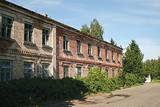 |
The former Maritime School (1894-1914) trained more than 1,000 students.
During Soviet times, a border guard facility was housed here, and the border guard
tower has been preserved. Along the road to the school are forested shoreline
dunes with small buildings which create an interesting coastal landscape. The road
between the Maritime School and the sea was once known as the Captains’ Road.
|
|
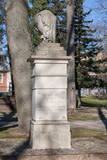 |
In 1877, Baron August von Pistohlkors, celebrating the merits of his ancestors in the foundation and development of Neibāde, ordered a monument to be erected in the park. After World War I, in the early 1930s, the monument was accidentally found during the cleaning of the bed of the River Ķīšupe. The monument was renovated by the Neibāde Aid and Improvement Society and officially reopened in 1933. The monument also suffered damage after World War II. Now the monument is restored and located in the park of the open-air stage. |
|
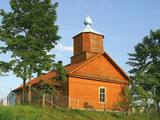 |
Lipuški Old-Believers Prayer House was built in 1893 at lake
Rāzna in village Lipuški. In former days, it was one of the largest Old-
Believers parishes in the Baltic countries; you will notice Old-Believers cemeteries that are placed in the
neighbourhood.
|
|
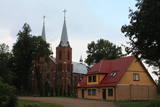 |
0,2 km austrumos no Vidsmuižas atrodas no šķeltajiem laukakmeņiem un sarkanajiem ķieģeļiem celtā (1910. - 1912. g.) Vidsmuižas katoļu baznīca. Tāpat kā Riebiņos esošā, arī šī ir uzskatāma par tipisku 19. – 20. gs. mijas Latgales lauku baznīcas paraugu. |
|
 4 days
|
This route passes along one of the most diverse and beautiful parts of the coastline of the Bay of Rīga. You will see the Randu meadows, which are known as Latvia’s open-air “herbarium” because of the diversity of plants that can be found there. The coast features various sizes of rocks and stones, as well as no shortage of lovely and sandy beaches. This is the only place in Latvia where Devonian sandstone cliffs can be seen. Past each horn there is a different landscape, and the last 20 kilometres of the route are paradise for bird watchers during migration season. The route is in the Northern Vidzeme Biosphere Reserve. Route information from Latvijas Lauku forums |
|
 3 days
|
This is the most challenging Forest Trail section, especially on the second day. Here, on the coast of the Gulf of Finland, rises the North-Estonian Klint – a steep, rocky and forest-covered cliff that stretches non-continuously to Tallinn and further to the islands of West-Estonia. The Forest Trail runs on top of the cliff and occasionally descends into valleys. It crosses the deep and vast Pühajõgi valley in Toila-Oru park and comes to Toila, a popular coastal resort. One of the most unusual sections of the Forest Trail in Northern Estonia, which leads along the foot of the impressive North-Estonian Klint in good weather, then climbs to the top of the klint in the villages of Valaste and Saka, revealing breathtaking views of the Gulf of Finland. |
|
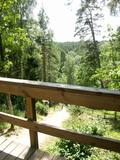 |
The tower is on the banks of the little Tērvete River, with a view of the river valley and surrounding forests. Good views of the Tērvete River valley are also available from the nearby Zviedru Hill and the Tērvete castle hill. Note: The viewing tower at the Tērvete Ancient History Museum is not open to visitors!
|
|
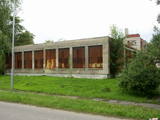 |
A straight street which runs through Ķemeri in the northwestern-southeastern direction. The street's name is a proof that it is the former historical boundary between the regions of Vidzeme and Kurzeme. Near the intersection of Robežu and Tukuma streets, you can notice the former pharmacy building-the memory of the former resort of the all-union significance. On the walls there has survived the pharmacy-related symbolism. |
|
 |
Avinurme Wooden Handicrafts Centre in East-ViruCounty is a tourist centre that offers a chance to get acquainted with the local woodcraft, spend quality time in woodworking workshops and taste or even prepare your self a selection of Estonian traditional foods. Handicrafts Centre is waiting to surprise you and offer you many new and fun experiences. Avinurme is the most south-eastern parish of EastViruCounty. Due to location and nature conditions, Avinurme area has strong woodcraft and business traditions, which are based on knowledge passed on generatoin to generation. The main products have always been wooden vessels – different household items such as barrels, tubs, casks, wooden buckets, sauna wash tubes, wooden roof chips and furniture, particularly chairs. Wooden Handicrafts Centre you can test your dexterity in the many different workshops offered. Offers and packets to groups. This is also a tourist centre where you can get acquainted with local wood products. There is also a café serving dishes of Peipus region on special wood products, and home-made rye bread is also available here. |
|
 |
Ičas apmetnes ciems ir sena dzīvesvieta Ičas upes krastos. Apmetne atklāta 1937. gadā. Tā bijusi apdzīvota neolītā (4500 - 1500 pr.Kr.) un bronzas laikmetā (1500 - 500 pr.Kr.). Apmetnē dzīvojuši amatnieki, zvejnieki, mednieki.
|
|
 |
The garden is opposite the Brenguļi brewery, where unfiltered and unpasteurised beers are made from locally grown grains and on the basis of the knowledge of ancestors. The beer garden offers light and dark Brenguļi beer, as well as Latvian dishes. Latvian cuisine: Grey peas with bacon, sausages with cabbage, Rūjiena ice cream. |
|
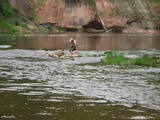 |
Ģeoloģiskā taka sastāv no trīs saistītiem posmiem: „Melturi – Kārļu zivjaudzētava”, „Kārļu zivjaudzētava – Zvārtes iezis” un "Zvārtes iezis - Veclauču tilts". Amatas senleja veidojusies vienlaikus ar Gaujas senleju leduslaikmeta beigu posmā un pēcleduslaikmetā, ledāja kušanas ūdeņiem plūstot uz Gaujas ieleju. Gaujas NP teritorijā Amatas senielejas dziļums sasniedz 50 metrus un platums palielinās līdz apmēram 1-1,5km.
Augstas kraujas (vairāk ne kā 40 metru), kurās redzami augšdevona Pļaviņu svītas dolomītu un augšdevona Amatas un Gaujas svītu smilšakmeņu atsegumi, mijas ar mežiem apaugušām, 3-16m augstām stāvām terasēm.
Amatas senieleja ir nozīmīga ne tikai ar savām dabas ainavām. Tās krastus grezno dolomīta un smilšakmens atsegumi, kas atklāj zemes vēstures lappuses 350-400 miljonu gadu tālā pagātnē, kad Latvijas teritoriju klāja jūra.
Velobraucieniem taka nav piemērota!
|
|
 |
Saimniecība nodarbojas ar zirgkopību un aitkopību. |
|
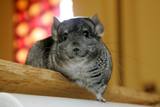 |
The owner of the farm offers attractive tours during which you will learn about chinchillas, animal enclosures, as well as quails which you can view and purchase. |
|
 12 days
|
This tour offers seeing the capital cities and most attractive towns of Lithuania, Latvia and Estonia through the freedom of independent travel and using public train and bus services. Getting around in cities and towns is easy, either by walking, or by using local public transport or taxis. The Old Town of Vilnius is in the UNESCO World's Cultural Heritage list. Daugavpils Fortress and the museum of Mark Rothko, the world famous abstractionist, are two highlights of Daugavpils city, Rēzekne city is known as the heart of Latgale region. Riga, the capital city of Latvia, offers a variety of cultural experiences and entertainment. Sigulda is famous for its landscapes and medieval castles. Cēsis is one of the most charming towns in Latvia with many attractions ranging from medieval heritage to nice restaurants, exhibitions and festivals. Valmiera offers art galleries, museums, nature trails and Valmiermuža beer from the famous local brewery. Tartu in Estonia is a university town, with some very popular tourist attractions such as the interactive AHHAA science centre, the largest in Baltic countries. Narva is a border town overlooking the Ivangorod fortress in Russia across the river Narva. Finish the tour in Tallinn – the capital city of Estonia. Tourist information centres in cities and towns will help you with maps, information on sights, attractions and guided tours, food, shopping and public transport. |
|
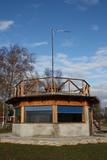 |
Pirmā ir uzcelta uz vienstāvīgā apmeklētāju centra jumta. No tās paveras plašs skats uz Kīdevas ciemu, ostu un niedrēm apaugušo Matsalu līča ziemeļdaļu. Austrumos no šīs atrodas vēl viena - divstāvīga putnu vērošanas platforma. No Kīdevas līdz Puisei gar Matsalu līča var doties pārgājienā pa 5 km garo dabas taku. To izejot, novēroto putnu sugu klāsts noteikti būs lielāks! |
|
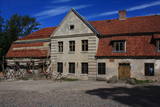 |
Documents show that the first windmill was built here in the 13th century along with the Kuldīga Castle. During the rule of Duke Jacob, gunpowder was manufactured at the windmill, and it later became the first place in Kurzeme where paper was manufactured. The building took on its current appearance during the 19th century. During the Soviet occupation, a metal processing workshop was in it. |
|
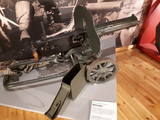 |
Ikšķiles vārds Pirmā pasaules kara laikā izskan saistībā ar diviem notikumiem – Ikšķiles priekštilta nocietinājumiem (Nāves sala) un kaujām pie Mazās Juglas upes. 1917. gadā 1. septembra rītausmā Vācijas impērijas armija uzsāka uzbrukumu iepretim Ikšķilei ar mērķi ieņemt Rīgu un saņemt gūstā Krievijas 12. armiju. Ar spēcīgu artilērijas atbalstu vācu vienības izsita Krievijas armijas karavīru daļas no Ikšķiles pozīcijām, kas savukārt ļāva Vācijas armijas karavīriem pa trim pontonu tiltiem šķērsot Daugavas upi. 1.septembra pēcpusdienā vācu izlases vienības sasniedza Mazās Juglas upes apkārtni pie Tīnūžiem, kur tām negaidīti ceļu aizšķērsoja no rezerves steigā atsauktā 8000 vīru lielā 2. latviešu strēlnieku brigāde, kura ieņēma pozīcijas gar Mazās Juglas upi. Latviešu strēlniekiem tika pavēlēts aizkavēt vācu karavīrus, līdz visa 200 00 vīru lielā Krievijas 12. armija izies no aplenkuma, nenokļūstot vācu gūstā. Latviešu strēlnieki savu uzdevumu izpildīja pilnībā, diennakti cīnoties pret gandrīz desmitkārtīgu vācu pārspēku. Kauja pie Mazās Juglas upes bija viena no traģiskākajām un reizē viena no leģendārākajām Latvijas vēstures lapaspusēm. "Tīnūžu muižā" ir izveidota 1. Pasaules kara tēmai un Juglas kaujām veltīta ekspozīcija. |
|
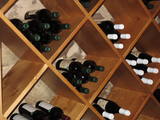 |
In the 400-year old manor’s cellars (possibly the oldest in Latvia) one is offered to taste the home-made wines produced in Kurzeme (3-7 different wines), as well as the special wine of Shlokenbeka manor with the indigenous countryside goods (you are promised a suprise!) |
|


