
| No | Name | Description |
|---|---|---|
 |
The large farm is to the South of the centre of Lone, producing apples, pears, plums, cherries, strawberries and black currants. It stores apples during the whole winter. You can help to pick the fruit and berries and purchase them for yourself. |
|
 |
The barn was built in the second half of the 19th century. The building has a permanent exhibition, where you can see how land management and bread baking took place in the manor. We bake bread if you order in advance |
|
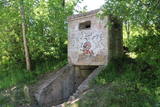 |
Viena no slepenākajām vietām kādreizējā Padomju Latvijā - bunkuri ir bijušais raķešu vadības punkts un patvertne. Bunkurus izveidoja 1950. un 1960. gadu mijā Padomju armijas vajadzībām. Par atrašanos šajā teritorijā draudēja bargs sods. Celtnes izveidošanai ar milzīgām 16- riteņu kravas automašīnām tika atvesti lieli dzelzbetona bloki. Pēc trīs bunkuru izveidošanas, papildus nostiprināšanai un nosiltināšanai tos apbēra ar granti. Celtne sastāv no 2 x 3 sekcijām, kas pievienotas vidējam gaitenim. Blakus ēkā atradās skola, kad 1946. gadā tā daļēji bija izdegusi, tika noslēgts līgums ar Padomju armijas garnizonu par telpu īri. Tā Valkas pilsētas centrā radās militārais centrs un Valka kļuva par Padomju Savienībai svarīgu kodolbruņojuma objektu. Objekts pieejams tikai no ārpuses! |
|
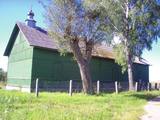 |
Kampišķi Old-Believers Prayer House was reconstructed in 1931
by architect V. Šervinskis. The building is very high and spacious; has two cells and a rectangular belltower with the cross on the top.
|
|
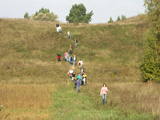 |
The Markova information trail is the most diverse and impressive trails along the upper reaches of the Daugava river in terms of objects and landscapes. The visitor will go to the top of the Markova castle hill, which offers a great view of the river valley. The deep Putāni stream valley will be crossed to get to the cliffs on the right bank of the Daugava. Here, the visitor will see one of the most unusual landscapes of Latvia’s river valleys. There is the Slutišķi village of Old Believers, along with the mighty Slutišķi cliff in the background. The trail is 1.6km long, and it will take an hour or two, particularly if the visitor chooses to tour the village and the homes of the Old Believers.
|
|
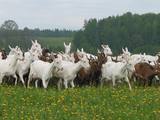 |
This is one of the largest goat farms in Latvia, with approximately 160 pedigree goats (Alp, Anglo, German White Noble and other breeds), as well as pigs for breeding purposes. You can take a tour and help in herding the goats. Kid goats can be seen in the spring. You can taste various kinds of cheese, ice-cream made from goat milk and watch how the goats are milked (around 5:00 PM every day). You can also taste and purchase canned meat. No preservatives are ever added to the farm’s products. |
|
 |
The pizzeria is situated in Kuldiga, not far from the city’s historical centre. Stender’s pizzeria with its nice comfortable setting offers special Stender’s pizzas which are baked according to the old traditions of pizza-making, incorporating the best of nowadays’ recognitions. Undoubtedly, it is impossible to do without pancakes and pots, as well as second-course dishes. |
|
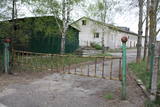 |
The Latvian Border Guard still uses some of the Soviet-era guard facilities that are at this location.
|
|
 |
The main building of the grand manor Alatskivi has a restaurant serving local specialities. The rich history of the manor house connects Estonian peasant culture, Baltic-German culture and Scottish culture depicted in the manor's architecture. The restaurant menu combines these three values. Favourites of the guests are Peipus pike perch and pork chop, but many guests also love the surprising Scottish dessert and local onion jam. |
|
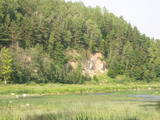 |
One of the most beautiful areas along the Venta River and its tributary, the Šķērvelis River. The river valleys and gullies along them are quite deep, and dolomite and sandstone cliffs can be spotted here and there. There are also rapids on the river. The largest cliffs in Kurzeme – the Ātraiskalns and Gobdziņi cliffs – can be seen on the banks of the Venta. The Lēni Catholic Church is near the restricted area. There are no tourist elements in the restricted territory at this time. The Venta is a popular destination for water tourists, however, from Nīgrande to Kuldīga. |
|
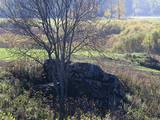 |
The Boulder of Purmaļi is the biggest boulder in Rēzekne district and one of the 20 biggest boulders in
Latvia. It is located on the escarpment surrounded by the trees and the bushes. Perimeter 18,5 m, height 3,2 m,
lenght 5,6 m, width 4,7, surface volume 30 m3.
|
|
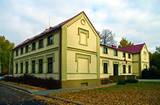 |
In 1888, the building, provided for a doctor’s needs, was donated by Baron Alexander Alexei von Pistohlkors to the parish of Pēterupe Lutheran Church. Along with the building, Baron Pistohlkors also donated 6 hectares of land and 10 000 roubles for the doctor’s use. Arvēds von Engelhards became the first medical doctor in Pēterupe. In 1890, the first pharmacy was opened in one room of the clinic, serving people from a wide area; it remained in the building until 1895. This outpatient clinic was the very first stone building in Saulkrasti, the first health authority in a wide area, as well as the first pharmacy. Through its entire lifetime, the house was maintained from voluntary donations – at first by Alexander Alexei von Pistohlkors, then by churchgoers of Pēterupe Parish – therefore by the money of the villagers. |
|
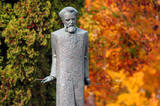 |
In Limbazi, in the crossroads of Cesu and Dailes streets, there is a monument dedicated to the author of Latvian anthem. The monument was designed by the sculptors Zigrīda Rapa and Juris Rapa. It was unveiled on May 16, 1998, when Limbaži was celebrating its 775th anniversary. |
|
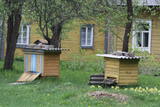 |
Ja mērķis ir savākt pilnvērtīgu etnogrāfisko ciemu fotokolekciju, ir jāapskata Strazdi (no lietuviešu valodas strazdai tulkojumā nozīmē strazds), kas ir pavisam neliela apdzīvota vieta Balošas (Baluošas) ezera ziemeļu krastā. Strazdi pirmoreiz rakstos minēti 1783. g. un ciema nosaukums cēlies no kādas mežziņu dzimtas uzvārda. |
|
 |
Lapsu Mājas sieri tiek gatavoti Ogrē. Godinot latviskās tradīcijas, tos 2013. gadā kā mazais mājražotājs sāka siet Jānis Lapsa savā mājas virtuvē. Lapsu Mājas sieru gatavošanas process ir 101% roku darbs - sākot no sieru masas gatavošanas līdz pat iepakošanai. SieriMājas siers ar samazinātu sāls daudzumu no govs piena (pieejami ar 27 dažādām garšām). Šiem sieriem ir piešķirta kvalitātes zīme "Zaļā karotīte". Bezlaktozes mājas siers ar samazinātu sāls daudzumu no bezlaktozes govs piena. 2021. gadā kā pirmie Latvijā sāka ražot bezlaktozes mājas sierus no govs piena. Jāņu siers ar sviestu vai ar saldo krējumu. Kā top siersTā kā siers tiek ražots pilsētas teritorijā, piena produkcija tiek iepirkta. Sieriem ar samazinātu sāls daudzumu un Jāņu sieram produkcija tiek iepirkta no piena pārstrādes uzņēmuma “Straupe”. Bezlaktozes sieriem produkcija tiek iepirkta no AS “Jaunpils pienotava”. Savukārt olas tiek iegādātas no Ropažu zemnieku saimniecības “Rasas”. Apmeklētājiem
Kur iegādāties sierus
|
|
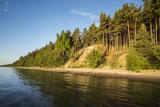 |
Viewing area is at the end of the Ēvaži shore trail (300 metres). The shore here has been washed by the waves and is up to 15 metres high. This is the only place along the Kurzeme shore of the Bay of Rīga where a high dune opens up such a lovely view of the bay water.
|
|
|
|
The town of Subate was first listed in documents in 1570, when Duke Gotthard Kettler of the Duchy of Courland sold the Subāte marketplace to Count G. Plater-Sieberg. When the Plater-Sieberg dynasty converted to Catholicism in the mid-17th century, Lutherans in Subate protested by moving to the eastern bank of Lake Subate. That was the property of the Prode Estate (only ruins remain at this time), which was owned by the Osten-Sacken dynasty. In 1685, the Osten-Sackens built a Lutheran church for the “refugees,” and Jaunsubate was established around it. Both parts of the town were merged again in 1894. During Latvia’s liberation battles in 1919, Subate was liberated by Lithuanians, at which time the town was divided up between Latvia and Lithuania (though the border between the two countries was set at the previous line in 1921). The historical centre of Subate was established between the 16th and the 19th century, and it includes four churches for various congregations and low wooden buildings which stretch along narrow and curvy streets. The town is on the shores of a sub-glacial depression with Great Lake Subate and Lesser Lake Subate therein. This provides the town with unusual landscapes for Latvia. |
|
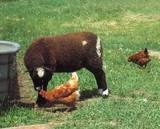 |
The farmyard offers to see the domestic animals, birds and exotic maras as well as horse-back riding on a pony. You can get a consultation about gardening and breeding small animals. It is possible to buy quail eggs, smoked meats, chicken and birdlings. |
|
 10 days
|
From Vilnius the route goes to picturesque Trakai Castle surrounded by lake from which it continues to Dzūkija National Park. The park introduces with traditional Lithuanian way of living, closeness with forest as well as valuable natural resources. Information centre and centre of etnoculture is located at Marcinkonys but Čepkelių raistas provides atmospheric vast bog landscape. Pleasant forest trails and quite roads are pleasant for cycling. Druskininkai is a historic spa resort with charming old town, many spa hotels, walking trails and entertainment facilities. There is the Grutos Park where monuments from Soviet area is collected in order to demonstrate the former oppressive ideology. From there the road heads to lively Kaunas which sits between two rivers -Nemunas and Neris. |
|
|
|
Der Turm befindet sich im Gutspark Kiiu. Wurde im ersten Viertel des 16. Jh. errichtet und diente als einen „Schutzraum” für Grundbesitzer. Geöffnet für Besucher und bietet den berühmten estnischen Likör „Kiiu torn” an. |
|


