
| Нo | Название | Описание |
|---|---|---|
 |
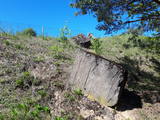
Uzpludinātās Zveņģupītes kreisajā krastā – neliela meža pudura malā (170 m no Rīgas – Daugavpils šosejas (A 6)) atrodas 1991. g. atklātais (autors: Juris Zihmanis) akmens – piemiņas vieta 17. gs. Lielvārdes meitenei Katrīnai, kura kā ragana sadedzināta sārtā. |
|
 |
Nordeķu - Kalnciema kāpu grēdas daļa Kleistu meža austrumdaļā pie Dzirciema ielas. Padomju laikā šeit darbojās divi (vēlāk viens) P - 35 radars, kas griezās ap savu asi. Vietējie iedzīvotāji tolaik šo vietu bija iesaukuši par "Lokatoru kalniņu". Ziemeļos no tā atradās padomju armijas cūku ferma. |
|
 |
Установлен напротив Крустпилсского замка, на улице Ригас. Памятник, построенный в 1925 году и восстановленный в 1992 году (автор A. Бирзниекс), установлен в честь павших крустспилсчан в боях за свободу Латвии. Отсюда приоткрывается вид на Маленькую Даугаву, Даугавсалиню и островок Адамсона (Крустспилс). |
|
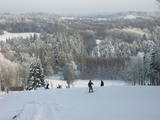 |
Gaiziņkalns Hill is the highest hill in Latvia, and it is a typical example of the hillocks of the Vidzeme highlands. This is a place of wonderful landscapes, even though there are not all that many good viewing areas. At the centre of this park is Gaiziņkalns Hill itself – the highest place in Latvia and the second highest in the Baltic States (311.6 metres above sea level). The viewing tower, alas is not open to the public, because it is in dangerous condition. There is a well-appointed hiking trail around Gaiziņkalns Hill, and during the winter the hill and its surroundings are popular for downhill and cross-country skiing. Lake Viešūrs (Lake Kaķītis) is popular among licensed fishermen. This territory is part of a region of protected landscapes around Vestiena. |
|
 1 день
|
From Kaberneeme the route runs through a forest where you can see piles of stones carried here during the last ice-age. The trail soon climbs about 20 m up to the hiking trail, which runs on the old shore line of Lake Ancylus. The trail continues to the Linnamäe HES and a suspension bridge. Follow the trail over the ancient fortress hill of Linnamäe and continue on the right bank of the River Jägala, until reaching the Jägala waterfall. This is the highest natural waterfall in Estonia, more than 8 m high. The Suka bridge is about 500 metres up from the waterfall. After crossing the river, the trail passes through the Jägala waterfall park. Finally, the trail runs through the village of Koogi and arrives at Jõelähtme. |
|
 |
Saimniecība piedāvā zirgu izjādes (ratos un mugurā), iespēja apskatīt dzīvniekus lauku sētā (zosis, vistas, truši, teliņi, kazas, aitas, suņi un kaķi). Pļavas ar ārstniecības augiem, mežs, dīķis, stārķu koks. Sarunas par dzīvi ar saimniekiem. Rīta rasas skaistuma procedūras, "varžu koris", tējas baudīšana seno ābeļu paēnā, ārstniecības augu vākšana kopā ar saimnieci. Telšu un piknika vietas (līdz 20 cilvēkiem). |
|
 6 дней
|
Для изначального ознакомления с латышскими ремеслами посетите этнографический музей под октрытым небом в Риге, где искусные мастера продемонстрируют вам традиционные навыки. На выезде из Риги посетите производителя березового сока и вина, который расскажет и покажет, как добывается и сохраняется березовый сок. Вы также сможете попробовать сок. Затем отправляйтесь в местность, связанную со старинными историческими легендами. Посетите музей знаменитого латышского героя – Лачплесиса, чтобы посмотреть на Пояс Лиелварде, в который вплетен рассказ при использовании старинных секретных символов. В Кокнесе прокатитесь на корабле викингов вокруг живописных развалин Кокнесского замка. Затем посетите ферму, где выращивают коноплю и произодят традиционное конопляное масло, козью ферму и производителя традиционного домашнего пива. Регион Латгалии славится своими гончарными школами и «черной» керамикой. На своем пути вы посетите несколько мастерских, а также Лудзенский Центр Ремесел, который ознакомит вас с местными традициями. На типичной латгальской ферме испробуйте традиционный ритуал латгальской бани, а также отведайте местную кухню. Затем остановитесь в Аглонской Базилике, которая является местом паломничества. А для радостей желудка посетите Музей Хлеба, ферму, где производят вкусные сыры и другие полезные молочные продукты, а затем и местного производителя травяных чаев, где узнаете немного о том, как быть здоровыми. Вас ждет экскурсия по историческому центру Даугавпилса, впечатляющей крепости 19 века, а затем визит на дроболитейный завод, где находится одна из самых больших и до сих пор действующих дроболитейных башень в Европе. На пути в Ригу посетите впечатляющую Балтийскую жемчужину- Рудальский Дворец. |
|
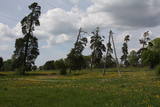 |
Находится в Гробине, недалеко от Лиепу гатвес (известен под названием Приедиенский могильник). Захоронения в виде могильных ям, огненныхпогребений и курганов появились здесь с VII по IX вв. (сведения отличаются, указываются и IV – Х вв.). Во время раскопок в 1987 году здесь нашли уникальное, украшенное старинными орнаментами надгробие (стелу) скандинавского война VIII - IX вв., которое хранится в Лиепайском историко-художественном музее и является единственной такого рода находкой на юго-востоке Балтийского моря. Гробиньский археологический ансамбль включен в национальный список Латвии ЮНЕСКО. |
|
 10 дней
|
Этот маршрут поразит разнообразием сельских хозяйств и необычными продуктами. Вы сможете посетить множество хозяйств, производящих органические продукты, которые можно будет посмотреть, попробовать и приобрести. Из Вильнюса дорога ведет к экологическому хозяйству по разведению коз, где производят 60 различных видов сыра из козьего молока. После этого вы посетите этнографический литовский двор, где разводят лошадей и овец. Проведете день в Каунасе, осмотрите долину реки Неман с замками Раудоне (Raudonė) и Панемуне (Panemunė). Пикник в сельском хозяйстве с кофе из желудей, приготовленными на костре блинчиками и супом из собранных в местном лесу грибов. В экологическом хозяйстве Буйвидай (Buivydai) выращивают коров мясной породы и чернику. По пути вы осмотрите Куршскую косу, Морской музей с Дельфинарием и излюбленный курорт Куршской косы – город Нида. Затем вы отправитесь в Латвию. В природном парке Папе вы сможете увидеть диких лошадей, этнографическое село Коню - старинную рыбацкую деревню. Осматривая Лиепаю, стоит посетить Лиепайский рынок. Он выделяется более чем 100-летней историей, и в сезон здесь можно приобрести овощи, фрукты, зелень и цветы с близлежащих крестьянских хозяйств. Продолжая поездку, вы посетите экологическую садоводческую ферму, где выращивают 130 сортов яблок, винодельню, где производят вино из местных фруктов и ягод, хозяйство, где фасоль и горох выращиваются по принципам биодинамического земледелия и животноводческую ферму, где производят вкусные колбасы. Продолжая путь по Курземе, вы осмотрите красивый средневековый город Кулдига с кирпичным мостом через реку Вента. Сможете попробовать травяной чай в хозяйстве здоровья окружающей среды, познакомитесь с различными продуктами органической косметики, изготовленными из растений, собранных в чистой природной среде. Наслаждаясь по пути видами долины реки Абава, вы достигнете винной горы Сабиле, где для нужд местной винодельни выращивается виноград. Далее - Талси, очаровательный городок, на окраине которого находится Латвийский сельскохозяйственный музей. В конце маршрута предусмотрено посещение хозяйства, где из выращенных на месте фруктов и овощей производят сиропы, варенья и овощные консервы. Место назначения путешествия - Рига. |
|
 |
Iespēja iepazīties ar savvaļā augošiem un kultivētiem ārstniecības augiem, pašiem tos ievākt, izbaudot Latgales neskarto dabu, sasiet ārstniecības augu slotiņu veselībai un pirtij. Nodegustēt augu tējas lauku klusumā vai tieši otrādi - kopā ar „Muzikantu ciema” muzikantiem, piedaloties jautrās aktivitātēs, iepazīties ar bagāto latgaliešu tautas dziesmu un polku pūru. |
|
 |
Vecpiebalgas vecajos kapos (Vecpiebalgas austrumdaļā, pa ceļam uz "Saulrietiem" un "Vēveriem") apskatāms piemineklis, kas veltīts brāļu Kaudzīšu romāna "Mērnieku laiki" personāžam - Lienai. Piemineklis uzstādīts 1987. g. (tēlniece M. Baltiņa). Pirms ceļojuma atkal ir jāpāršķirsta "Mērnieku laiki"! |
|
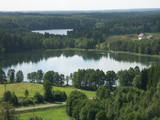 |
This territory is rich with forestland and lakes (some 285 in all). There are extensive opportunities for active recreation or calm leisure.
|
|
 |
Популярный ресторан и бар расположен в длинном подвальном помещении средневекового деревянного здания в старой части Лиепаи. В меню – стейки, фаршированное свиное филе, кебабы из баранины, местная рыба, картофель, приготовленный разными способами. |
|
 |
Хозяйство расположено в красивой местности, а приветливые хозяева готовят и предлагают гостям вкусную еду. Здесь также можно переночевать и посетить сауну. Хозяйство занимается как выращиванием сельскохозяйственных продуктов, так и их дальнейшей обработкой. |
|
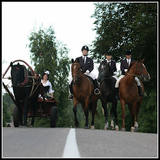 |
«Калнбудас» предлагает возможности активного туризма - выезд и катание на лошадях. |
|
 |
Предприятие уже 16 лет выпускает классических, медовых, ментоловых с имбирем и облепиховых сахарных петушков и другие кондитерские изделия, а также готовит сок из гриба весёлки, который издавна известен как народное лечебное средство. Покупка продукции. |
|
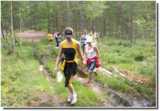 |
Зеленое болото – в масштабе национального парка
это болотный массив средней величины, где в свое время
добывался торф (бывшие места разработки в настоящее
время затоплены). На севере соединяется с
Чаукциемским болотом, которое находится на югозападе
– западе от Зеленой дюны.
|
|
 |
Z/S “Paldaži” ir 19. gadsimta Vidzemes lauku sēta un bioloģiskā saimniecība Limbažu novadā, kas apzināti kopj un saglabā Latvijas vēsturisko un kultūras mantojumu, tai skaitā lībisko. Saimniecību vada Andrejs Kovaļovs, kurš attīsta aitkopību, biškopību, kokamatniecību un pieredzes tūrismu, radot iespēju viesiem iepazīt gan tradicionālo lauku dzīvi, gan mūsdienīgu bioloģisko saimniekošanu. Apmeklētājiem tiek piedāvāta īsa ekskursija, kuras laikā iespējams iepazīt Paldažu apkārtnes vēsturi, saimniecības stāstu, Paldažu dižosi un bišu dzīvi. Savukārt izvērstā ekskursijā iekļauts arī dravas apmeklējums, neliela vaska sveču liešanas darbnīca un atpūta ar karstiem vai aukstiem dzērieniem. No maija līdz oktobrim saimniecībā noteiktos datumos tiek piedāvātas vakariņas un pusdienas ar jēra gaļas ēdieniem. Maltītes iespējams baudīt tikai pēc iepriekšēja pieraksta. “Paldaži” piedāvā autentisku lauku pieredzi, kas apvieno dabas tuvumu, senās sētas vidi un mierīgu gaisotni. Šī ir vieta, kur iespējams sajust Vidzemes lauku raksturu, iepazīt bioloģiskās saimniekošanas principus un uzzināt vairāk par Paldažu vēsturisko mantojumu. |
|
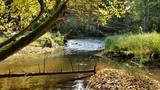 |
Cecīļu dabas taka ir kājāmgājēju tūrisma maršruts, kurā ir iespēja iepazīt Amatas novada dabas objektus gar Kumadas upes, Dančupītes un Amatas upes krastu. Takas sākuma punkts ir Amatas novada Ieriķos, 1 km no kafejnīcas, degvielas uzpildes stacijas, Cecīļu dabas takas apmeklētāju centra, blakus autoservisam. Apmeklētājiem ir iespēja izbaudīt cilvēka nepārveidotu dabas ainavu – Dančupītes kanjonu, minatūru ūdenskritumu, no Kumadas upes labā krasta aplūkot iespaidīgo Cecīļu iezi un citus objektus. Taka ir marķēta. |
|
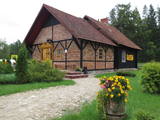 |
Кафе «Кукабурра». Находится на 115 км Видземского шоссе (A2). Предлагают принять участие в процессе выпечки ржаного хлеба, который проходит в конце каждой недели. Латышский интерьер, продукты от надомников и крестьян. Можно посетить музей хлеба. Латышская кухня: Салат из куриной печени, суп из баранины, суп с фрикадельками, холодный суп, жареный сом, тушенная свинина, картофельные блины, блины с варением, сырники, слойка из черного хлеба. Особое блюдо: Испеченный самими ржаной хлеб. |
|


