
| Nr | Nosaukums | Apraksts |
|---|---|---|
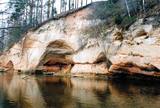 |
Viena no skaistākajām Igaunijas upju senlejām – 12 km gara ar gandrīz 40 ainaviskiem Devona perioda smilšakmens atsegumiem, no kuriem īpaši jāpiemin Viira müür, Kalamatu müür un Põdramüür.
|
|
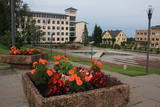 |
Madonas centrālais laukums, kas vēl 20. gs. sākumā bija tirgus laukums. Pēc apjomīgās restaurācijas tas ir kļuvis par ievērības cienīgu pilsētvides objektu. Laukuma ziemeļu pusē atrodas pilsētas un novada pašvaldība un Madonas novada TIC. |
|
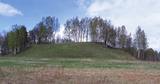 |
Spriņģu pilskalns (Golberova gora) atrodas Rēzeknes pilsētas
pievārtē un interesants ar savu īpatnējo veidolu. Valsts nozīmes arheoloģijas
piemineklis.
|
|
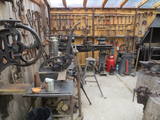 |
Saimniecības zemi, kas atrodas starp Ulbroku un Vālodzēm, 1929. gadā nopirka tagadējā saimnieka – Dzintara Āboliņa vectēvs. Tajā laikā arī tika uzcelta klēts, kurā glabāja saimniecībā izaudzēto lauksaimniecības produkciju. Krīvu klēts atdzimšana notika pirms 20 gadiem, kad tagadējie saimnieki tajā uzsāka veidot muzeju no sadzīves priekšmetiem un darba instrumentiem, kas savulaik izmantoti Krīvu saimniecībā. |
|
 |
Saimniecībā notiek izglītojošās programmas, kuru laikā apmeklētāji tiek iepazīstināti ar saimniecībā dzīvojošajiem dzīvniekiem, to kopšanu un šķirņu izcelsmi. Apmeklētājiem ir iespēja pašiem savākt olas, iemācīties taisni sēdēt seglos un pajāt. |
|
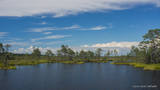 |
Cauri purvam un augstākajam Igaunijas kāpu masīvam izveidota izziņas taka. Skatu tornis ar skatu līdz pat Kihnu salai. |
|
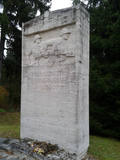 |
Atrodas vietā, kur no A 8 autoceļa atdalās ceļš (P 100) uz Ozolniekiem un Jelgavu. Piemineklis veltīts 6. Rīgas kājnieku pulka strēlniekiem, kas krita un pazuda bez vēsts cīņās ar bermontiešiem 1919. gada 17. novembrī pie bijušās Skuju pamatskolas. Pieminekli (autors Nikolajs Voits, bareljefa autors – Mārtiņš Šmalcs, konsultants – Kārlis Zāle) atklāja 1937. g. 24. oktobrī. To atjaunoja 2009. gadā. |
|
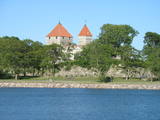 |
Saaremaa salas galvaspilsēta. Populārs kūrorts. Baroka stilā celts rātsnams.
|
|
 |
Apskatāmas dažādu vēsturisko periodu un tautu tradicionālās rotaļlietas, atvērta spēļu un leļļu meistarošanas darbnīca. |
|
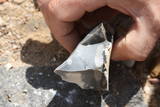 |
Neliela apdzīvota un ainaviska vieta plašajā Skrobļa (Skroblus) strauta ielejā. Ciema austrumu pusē atrodas Lietuvas mērogā unikāls objekts – klēts - rija, kur no 1929. g. vietējie cilvēki uzveda un skatījās lauku teātra izrādes. Netālu no tās (uz abiem objektiem ir norādes) atrodas Skrobļa avoti (Skroblaus versmės), kas iztek no dziļas starppauguru ieplakas. Avotu gan ir appludinājis bebru uzceltais dambis. Dienvidos no ciema atrodas vecs grants karjers, kas ir viena no retajām vietām Baltijā, kur dabā ir atrodami krama ieža gabali, kas atnesti ar ledāju. |
|
|
|
Viduslaiku sētā katrs var izmēģināt seno ieroču mākslu – šaušanu ar loku un arbaletu (14 - 15. gs. atdarinājums), cirvja mešanu (13. gs. vācu metamo cirvju replikas) un šķēpa mešanu. Kad šīs zinības ir apgūtas, var izkalt naudu – īstas viduslaiku monētas kopiju. Apmeklētāji var piemērīt 13 - 15. gs. bruņu kopijas - bruņucepures, bruņucimdus, nofotografēties ar zobenu vai kara cirvi. Lielākām grupām var sarīkot sporta spēles viduslaiku garā ar dažādām senām sporta spēlēm, kā arī viduslaiku galdiņspēļu turnīrus.
|
|
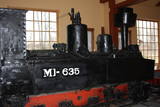 |
1916. g., kad Latvijas teritoriju bija okupējusi vācu armija, tās gūstekņiem bija jāpiedalās spaidu darbos, t.sk. jāceļ šaursliežu dzelzceļi, ar kuru palīdzību tā izveda Latvijas koksni. Arī Viesītes pusē cauri mežiem un pāri purviem izbūvēja šaursliežu dzelzceļa tīklu (sliežu platums 600 mm) ap 130 km garumā, kas Viesīti (atradās depo) savienoja ar Neretu, Aknīsti, Jēkabpili un Daudzevu. Ar mazbānīti pēc 2. pasaules kara pārvadāja koksni un pasažierus. Pēdējais vilciens šajās līnijās beidza kursēt 1972. g. 31. augustā.
Muzeja apskate gida pavadībā vai individuāli: lokomotīve Mi – 635, pasažieru un preču vagoni, kokmateriālu pārvadāšanas platforma un 2 drezīnas.
|
|
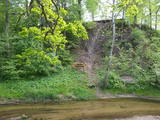 |
No Vilces muižas pa pastaigu taku var aiziet līdz pilskalnam (12 m virs apkārtnes, labiekārtots), kas atrodas Vilces un Rukūzes upīšu satekā. Atradumi liecina, ka cilvēku apmetne šeit ir pastāvējusi jau vidējā dzelzs laikmetā. Pilskalna piekājē atrodas atpūtai labiekārtotā Zaķu pļava. Nostāsti vēsta, ka Vilces grava bijusi laupītāja Kaupēna slēpšanās vieta. |
|
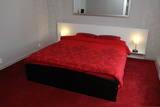 |
Viesu māja AMRAI atrodas Ventspilī, klusā, sakoptā rajonā, 6 km no centrālās pludmales un 2 km no savvaļas pludmales. Nakšņošanai piedāvā labiekārtotu divstāvu brīvdienu mājiņu ar diviem atsevišķiem numuriem, kā arī labiekārtotus 1istabas un 3istabu dzīvokļus privātmājā ar atsevišķām ieejām no pagalma. Vienistabas dzīvoklī ir duša, wc, virtuve,TV - vietējā, internets. Trīsistabas dzīvoklī ir džakuzi vanna, wc, virtuve, TV-vietejā, internets. Abos dzīvokļos ir veļas mašīna. Dārzā ir vieta rotaļām, batuti, grilli. Piedāvā galda spēles un spēles brīvā dabā- bezmaksas. Iespēja pasūtīt ēdināšanu, sarunāt auklīti, izīrēt divriteņus. |
|
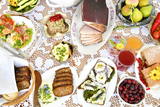 |
Viesu māja Pinska ir ģimenes uzņēmums, kas atrodas uz kādreizējās Lõpinska lauku muižas zemes. Ēdiens tiek gatavots no vietējām izejvielām un atbilstoši vietējām tradīcijām. |
|
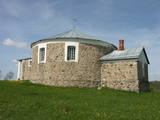 |
Interesantās formas no laukakmeņiem veidotā kapela celta 19. gs. Apskatāma no ārpuses. |
|
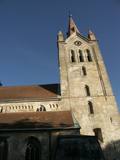 |
No Cēsu Sv. Jāņa luterāņu baznīcas (viena no senākajām Vidzemes mūra celtnēm) torņa paveras plašs skats uz Cēsu vēsturisko centru un plašu apkārtni (līdz pat Zilamkalnam). Savukārt, no Cēsu pilsdrupu (viens no spēcīgākajiem Livonijas ordeņa cietokšņiem Baltijā) Rietumu torņa var baudīt skatus uz Pils parku.
|
|
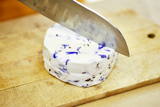 |
Šajā saimniecībā tiek turētas Tīringas šķirnes kazas un gatavots kazas piena siers, kā arī dažādi našķi. Turklāt šeit audzē arī garšaugus un ārstniecības augus, ko izmanto tējām un dabīgajai kosmētikai. |
|
 |
Saimniecībā žāvē cūkgaļu, taisa asinsdesas un ražo citus gaļas izstrādājumus. Saimnieks piedāvā ekskursiju un žāvējumu iegādi. |
|
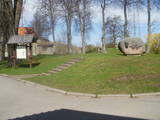 |
Šeit uzstādīts piemiņas akmens K. Valdemāram, kas vēsta par viņa nopelniem Latvijas valsts attīstībā un veidošanā. Šajā vietā kādreiz atradās Rojas, jeb Lubezeres jūrskola, kurai blakus atradās skolotāju māja, kas saglabājusies līdz mūsdienām. Pašreiz te ierīkota Rojas ģimeņu ārstu privātprakses. Jūrskola pastāvēja laikā no 1873 – 1915. gadam, bet 1. pasaules kara laikā to sagrāva. Jūrskolā sagatavoja tuvbraucējus stūrmaņus. Šeit varēja mācīties bez maksas un mācību vielu apgūt latviešu valodā. Latviešu jūrnieki bija pazīstami Krievijā un ārzemēs, pat Amerikas kontinentā. Viņi tika cienīti lietpratības, krietnuma un uzticības dēļ. (Avots: Rojas TIC) |
|


