Contact information
Related objects
| Photo | Name | Description |
|---|---|---|
 |
The Laumu Nature Park
*Object Inactive*

|
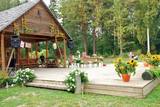
The Laumas farm offers you a chance to be a beekeeper, watching the lives of bees in hives (while wearing a beekeeper’s suit), touring a bee trail and climbing a tree with the help of a truss. You can make wax candles and purchase beekeeping products such as honey, bee pollen, etc. A café is open during the summer, and there are areas of picnics. Latvian cuisine: Bean and dumpling soup, pancakes with jam, homemade lemonade, herbal teas. Special foods: Porridge a la Fairies. |
 |
Abavas Winery, located near Tukums, invites you to taste Latvian fruit and berry wines, ciders, a variety of non-alcoholic drinks, as well as spirits. History Grapes Apples For Visitors Where to Buy |
|
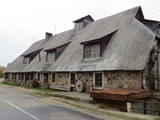 |
This water mill dates back to the 1920s and was restored in 1992. You can view the historical mechanisms and learn about the grinding process. The Cope Cafeteria offers pancakes made of the locally ground flour and filled with mushrooms, cheese, vegetables, meat, honey, sweet cream, cottage cheese, ice cream or caramel. |
|
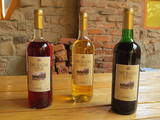 |
After viewing the lovely scenes that are a part of the Drubazi nature trail, which runs along the banks of the Ancient Abava River Valley, the owner offers tastings of homemade wine. He produces wines from 12 different berries, including raspberries, black currants, blackberries, lingonberries, grapes, sea buckthorn, and others. |
|
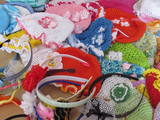 |
The Crafts Chest store offers crafts produced by women in Sabile – knit and crocheted mittens, stockings, hats, shawls, and other useful items that will be wonderful gifts and souvenirs. |
|
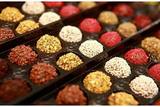 |
The museum offers information about the history of chocolate, allowing you to learn all about the process, from raw materials to finished products. You can also prepare and taste your own bitterly sweet treat in the creative workshop. Products are available at the little store that is next door to the museum. |
|
 |
Bisjanisi
*Object Inactive*

|
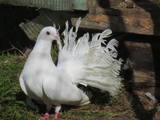
The owner breeds decorative breeds and fowl, including various types of chickens, ducks, geese, pheasants and helmeted guinea fowls, as well as rabbits, sheep and ponies. Tours are available along with stories about birds. You can look at the garden and purchase eggs and rabbit meat. |
 |
You can try your hand at pottery and take part in the opening of the kiln. You can also order and purchase ceramics. |
|
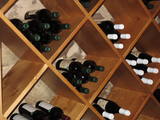 |
In the 400-year old manor’s cellars (possibly the oldest in Latvia) one is offered to taste the home-made wines produced in Kurzeme (3-7 different wines), as well as the special wine of Shlokenbeka manor with the indigenous countryside goods (you are promised a suprise!) |
|
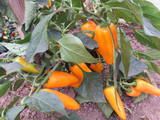 |
This farm produces raspberries (6 ha), herbs, medicinal plants (more than 100 types), vegetables (red peppers, cucumbers, tomatoes, chili peppers, onions, garlic) and bees. The owner produces salads, jams, lecho and chutneys. You can purchase vegetable products, pick your own raspberries and strawberries, taste teas, buy honey, and receive valuable consultations. |
|
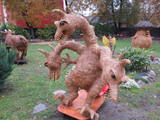 |
This is the only Straw Museum in Latvia, with ~370 sculptures and dolls made of straw and hay. Children in particular will love the chance to learn skills related to straw and hay at the creative straw workshop, where specific methodologies have been developed. Children will be able to take the things that they create along with them. The owners prepare holiday designs and elements, as well as attractive souvenirs. |
|
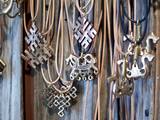 |
The craftsman uses experimental archaeological methods to produce the jewellery of ancient Baltic tribes. He will tell you about their symbolism, meaning and wearing traditions. You can tour the workshop and purchase jewellery that has been made there. |
|
 |
The Mazkugnieki 2 farm
*Object Inactive*

|
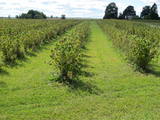
The farm grows strawberries, raspberries (10 summer and 5 autumn kinds), black currants, red currants and quinces. You can pick your own berries, and you can purchase raspberry plants. |
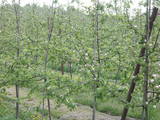 |
One of the loveliest apple orchards in Latvia (~10 ha, 30 types of apples) is on the sides of impressive hillocks. During clear weather, you can see the Bay of Rīga from atop the hillocks. The farm is particularly beautiful when apple trees are in bloom. Apples are available for tastings and purchase. |
|
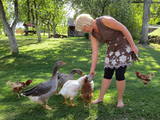 |
Adults and children will be able to learn about farm animals, view a collection of ancient tools, enjoy a country sauna with birch and juniper switches, drink herbal tea with honey, and taste carrot buns. During the summer, accommodations are offered in the granary or on the second level of the sauna. |
|
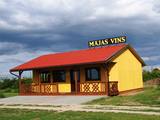 |
The owner uses Latvian products to make and offer more than 20 different wines, including some that are made of exotic flowers. You can taste and purchase wines made of berries, fruit, vegetables and flowers, including white jasmine, the elderberry tree, dandelions, the large cranberry, etc. There is a lily garden alongside which is the largest one in Eastern Europe and offers plants for sale. The day lily garden offers a look at globally famous types of day lilies which can be purchased. Many of these have been developed by the originator of the garden, Varis Baņģieris. More than 1,000 types of day lilies can be seen and purchased. The garden is open from 9:00 AM until 7:00 PM every day in July and August, when the flowers bloom. The owner also offers tastings of homemade wine that is called "Vējkalnietis." |
|
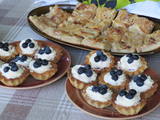 |
The Jumari farm is located in Dundaga parish, near Valpene. The 7th generation of the owners’ family run the farm. The farm produces fruit, berries and vegetables. Beautiful flowers and shrubs surround the house. Visitors can tour the farm, learn about growing blackberries and biological farming methods, and enjoy herbal teas. The lady of the house offers small pillows stuffed with grasses, as well as woven bookmarks. She also bakes sklandrauši, the traditional carrot buns. Jumari is one of the destinations along Dundaga Administrative District bicycling routes. |
|
 |
The Piesaule farm
*Object Inactive*
|
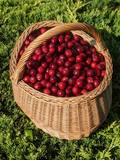
After the extraction of peat moss in the developed Sārāji Swamp, some seven hectares are used to grow various types of cranberries. The owners - family of Brālīši will offer you a tour, offer you good advice, and allow you to pick some berries. Cranberries are also on sale. |
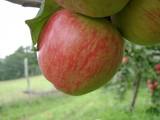 |
This farm is in a lovely location on the western side of the Talsi hillocks, offering a look at Talsi and its area. This is an open farm with grows and processes apples (dried apples, apple chips, apple juice). Visitors are offered an informative tour, with a chance to taste and purchase the products. The farm is in a protected natural area -- the Talsi Hillocks Nature Park. There is an area for tenting during the summer. The owners will teach you to produce a crown from fruit tree branches. The gardens of the farm stretch across the hillocks, and there are several types of local apple trees that are nurtured by the lady of the house. An informative stand alongside the farm features information about the most important values of the nature park. |
|
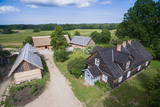 |
The museum is dedicated to the writer Ernests Birznieks-Upītis (1871–1960), whose nickname as a child used to be Pastariņš. The historic buildings have been restored according to the situation in the mid-20th century. Rye bread, Sun bread, and Shepherd's bread are baked in the museum’s farm. Each spring visitors can take part in building wattle and other types of fences, to bake bread and rolls and to taste the results. In December – baking sklandrauši (a carrot-based pastry). There are weaving demonstrations, butter churning demonstrations and opportunities to try one’s hand at other old-time farm work. |
|
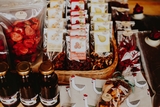 |
The farmwoman grows vegetables and fruits to produce tasty preserves, syrups, jams, chutneys and dried fruit. You can taste and purchase the products, go on a tour of an escargot farm, and taste escargots cooked in the Burgundy style. Children’s camps can be organised. |
|
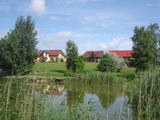 |
The farm breeds several species of chinchillas and offers a look at them. There are also decorative pheasants, peacocks, doves and different kinds of chickens, along with marmots, dwarf goats, chipmunks, rabbits, a pony, etc. You can purchase chinchillas, decorative birds and other animals, along with quail eggs, chinchilla pelts and souvenirs. There are also ponds for fishing. |
|
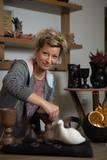 |
This is one of the few craftswomen in Latvia who does not use a potter’s wheel in her work. Instead she works in the “snail” or “sausage” technique that was typical of the Bronze Age. Her artworks are distinguished by a diversity of form and functionality. Children can attend master’s classes. You can take tours, take part in the opening of the kiln, and purchase fumigated ceramics products. |
|
 |
The owners are third-generation fishers, and they will be happy to sell you some smoked local fish. Tour groups can take part in active leisure related to cultural aspects of smoking tasty fish (tossing a boot into the sea, stories from fishermen’s wives, a theatrical performance, and the smoking and tasting of fish). Latvian cuisine: Smoked and dried plaice, hot-smoked eelpout and other fish prepared on the basis of ancient local recipes. |
|
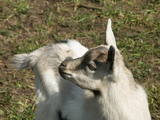 |
The farm breeds goats and uses goat milk to produce cheese and other products. A presentation hall offers visitors a chance to taste ice cream made of goat milk, as well as purchase goat-related souvenirs and other products. There are tours of the farm, too. |
|
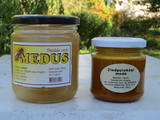 |
The owner offers honey made of various flowers, forest plants, heather and linden blossoms, pollen, bee bread, propolis, and other beekeeping products. He will be happy to give you a tour and tell you about his work. |