
| Nr | Nosaukums | Apraksts |
|---|---|---|
 |
Saimniecība "Dižgāļi" Alsungā nodarbojas ar bioloģisko lauksaimniecību, gaļas liellopu audzēšanu un aitu audzēšanu. Apmeklētājiem ir iespēja aplūkot saimniecību, tajā esošos dzīvniekus, kā arī iegādāties svaigo produkciju. Saimniece pastāstīs par vietas vēsturi, kā arī pacienās viesus ar vistas zupu. |
|
 |
Alūksnes novada saimniecībā "Pauguri" kokamatnieks Jānis Vīksne izgatavo koka virpojumus - cibiņas, pulksteņus, pildspalvas, spēles, šūpoles un citas saimniecībā noderīgas lietas. Iespējams iegādāties kokamatniecības suvenīrus - dekoratīvus un praktiskus virpojumus no koka. Senlietu muzeja apskate - seni galdniecības darba galdi, ēveles, āmuri, sirpji, grābekļi, sējmašīna, pulksteņi, trauki u.c. Saimniecībā ir izveidota skatu platforma, no kuras paveras skats uz Hānjas augstienes ainavām Igaunijā, kā arī atpūtas vieta vasaras piknikam ar galdu, uguskura vietu un skulptūrām. |
|
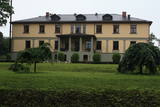 |
Tagad redzamās muižas pils (klasicisma stils) pirmsākumi meklējami 1784. g. Vēlākos laikos to pārbūvēja par divstāvu ēku, kurai ir četru kolonnu portiks tās centrālajā daļā. Jauns pagrieziens muižas attīstībā uzsākās 1993. g., kad uzsākta ēku restaurācija. Šobrīd muižas kompleksā atrodas Grašu bērnu ciemats, bet kungu mājā – viesnīca. |
|
 |
Ap 400m garš un līdz 16m augusts atsegums upes kreisajā krastā.
|
|
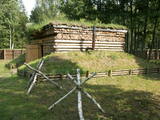 |
Vieta, kur 1. pasaules kara laikā 1916. g. notika t.s. Ziemassvētku kaujas starp Krievijas un Vācijas karaspēku, pēc kurām latviešu strēlnieku drosme un varonība aizskanēja tālu pāri valsts robežām. Ložmetējkalnā ir izveidota piemiņas vieta latviešu strēlniekiem un atjaunots skatu tornis. No tā labi redzams Maztīreļa purvs ar bijušo vācu šaursliežu dzelzceļa līnijas vietu, kas to šķērso ziemeļu - dienvidu virzienā, iezīmējot purvā lielāku koku rindu. Kā iepazīt? Iespēja doties pārgājienos gan ar gidu, gan bez, apmeklēt Ziemassvētku kauju muzeja "Mangaļu" māju, kuras apkaimē izveidots marķēts izziņas maršruts, piedalīties tematiski izglītojošos pasākumos un kauju imitācijās. Apskatāmi pieminekļi, karavīru kapi, ierakumi, fortifikācijas, zemnīcas u.c. Mangaļu mājās atrodas Latvijā lielākais kauju vietu makets. Apskatāmi Baltijas reģionam unikāli 1. pasaules kara lauka fortifikācijas elementi, kas saistīti ar leģendārajām Ziemassvētku kaujām: autentiskā vietā rekonstruēts nocietinājumu sistēmas posms – blindāža un daļa no vācu aizsardzības pirmās līnijas t.s. „Vācu valnis”. |
|
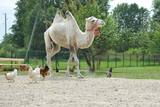 |
Eksotiskajā dzīvnieku parkā var apskatīt dažādus dzīvnieciņus, t.sk. lamas, alpakas, mini ponijus, pundurcūciņas, briedi, hailanderu, pundurkaziņas, aitu cūkas, dažādus trušus, Āfrikas melnos strausu, un kur nu bez divkupru kamieļa un Latvijas zilās govs, un dažnedažādiem putniem! Tas būs skaisti pavadīts brīvais laiks dzīvnieku sabiedrībā, vērojot viņu dzīves ritmu , barojot ar saimniecības sarūpētu barību. |
|
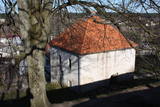 |
Mūsdienās redzamā vēsturiskā apbūve ap veco Tirgus laukumu ir veidojusies pēc 1881. g. ugunsgrēka. Kandavai raksturīgo pilsētvidi veido sētas ar saimniecības ēkām, noslēgtiem pagalmiem, caurbrauktuvēm un laukakmeņu mūriem. Tas aplūkojams Talsu un Sabiles ielās. Latvijas ainavai neierasta ir arī Lielā iela. Bruņinieku pilskalna piekājē ir apskatāms nesen (2010. g.) izveidotais Livonijas ordeņa pils makets. |
|
|
|
Viens no ainaviskākajiem Nemunas pilskalniem ar skaistu skatu uz upes ieleju. 13. – 14. gs. šeit atradās militārs nocietinājums (nav saglabājies). |
|
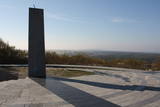 |
Otra vieta Kuršu kāpu Lietuvai piederošajā teritorijā, kur var iepazīt „tuksneša ainavu". 52 m augstās Pārnidas kāpas apskati var sākt ar Saules laikrādi (celts 1995. g., godinot Lietuvas neatkarības atgūšanas dienas piecgadi), no kura paveras Baltijas valstīm neparasta ainava līdz pat Lietuvas – Krievijas robežai. Te joprojām ir redzamas ceļojošās kāpas, kas radās 18. gs., cilvēkiem izcērtot mežus! Interesanti (īpaši vakaros!) ir arī skati uz Nidas pilsētiņu un Nidas ostu. Kuršu jomas pusē ir izveidota marķēta dabas izziņas taka, kas ved (sekojiet līdzi marķējumam!) arī pa kāpas smiltājiem. Šīs vietas apskatei ir jārēķinās ar ~ 1h. Uzmanību! Novirzīties no takas un pārvietoties pa kāpu smiltājiem nav atļauts! |
|
 |
Viesu nams „Karpynė”, kurā nodarbojas ar lauku tūrismu, atrodas pašā Lietuvas vidū. Nosaukums „Karpynė” ir radies no zivs „karpa” vārda. Katru gadu viesu namā notiek ar zvejniecību saistīti pasākumi. Viesi paši var nozvejot un pagatavot noķerto zivi. |
|
 |
Atpūtas centrā tiek piedāvāta iespēja atpūsties brīvā dabā kolektīviem vai individuāliem apmeklētājiem. Iespējams izmēģināt dažādus metamos ieročus (nažus, cirvjus u.c.), kā arī šaušanu ar dažāda veida lokiem, arbaletiem, pneimatiku u.c. |
|
 |
Mājas restorāns Kihnu salā, kura saimnieki gatavo bagātīgas maltītes, izmantojot salas vietējās izejvielas, galvenokārt zivis. |
|
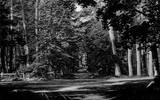 |
Līdz ar kūrorta Neibāde izveidi 1823. gadā, aizsākās rūpes par viesu atpūtu. Parku, kas veidots angļu stilā, radīja dārznieks Akerbergs, kuru barons Augusts fon Pistolkorss atveda no Igaunijas. 20.gadsimta 20.-30. gados Pēterupes – Neibādes jūrmalas palīdzības un labierīcības biedrība rūpējās par karā nopostītā kūrorta pieminekļa un parka rūpīgu atjaunošanu un kopšanu, Saulkrastu izdaiļošanu, organizēja sarīkojumus, nodibināja teātri un kori, kuru vadīja Olga Cīrule. Saulkrastu estrādē vienmēr ir notikuši svētki. Īpaši izceļams 1933. gada 16. jūlijs, kad estrādē atzīmēja Neibādes un Pēterupes pārdēvēšanu par Saulkrastiem. Estrāde vairākkārt tika pārbūvēta un uzlabota. Gan padomju laikā, gan arī vēlāk šī vieta ir vietējo cilvēku satikšanās vieta gan priecīgos brīžos, gan pārmaiņu brīžos, gan atceres brīžos. Estrādē ir meklējami pirmsākumi Tautas Frontes Saulkrastu nodaļas veidošanai. Šobrīd estrāde ir pulcēšanās vieta vasarā nedēļas nogalēs apmeklējot dažādus pasākumus. Katru gadu šeit notiek Saulkrastu pilsētas svētku koncerts. (Avots: Saulkrastu TIC) |
|
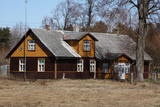 |
Ēku komplekss celts kā zvejnieka un zemkopja saimniecība. Tajā ietilpst 1926. g. celtā dzīvojamā māja un saimniecības ēkas (20. gs. pirmā puse). Saimniecība redzama no ceļa. |
|
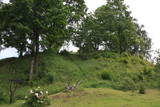 |
Atrodas 0,3 km ziemeļos no Vecpiebalgas pilsdrupām. Ap 10 m augsto, bet visnotaļ izteiksmīgo Grišku kalnu sauc arī par Piebalgas, Balgas un Veļķu pilskalnu. 13. gs. šeit bijusi svarīga apmetnes vieta ar mākslīgi nostāvinātām nogāzēm un dziļu aizsarggrāvi. Vēstures notikumi ir atstājuši ap metru biezu kultūrslāni. Bezlapu laikā no kalna paveras skats uz Vecpiebalgas baznīcu un pilsdrupu vietu. Pilskalna piekājē ir aka ar Griškavotu. |
|
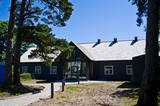 |
Kolkas Lībiešu saieta nams tika atklāts 2019. g. Tajā var iepazīt Ziemeļķurzemes lībiešu kultūru, uzzināt par tradicionālajām nodarbēm, klausīties valodas skanējumu un gūt priekštatu par piekrastes kultūrvēsturisko mantojumu. Saieta namā var organizēt un apmeklēt kultūras pasākumus, seminārus, mācības, izstādes, kā arī saņemt tūrisma informāciju. |
|
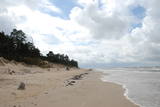 |
Bernāti ir Latvijas sauszemes tālākais rietumu punkts. Pie autostāvlaukuma novietots (1998. g.) tēlnieka Viļņa Titāna veidotā akmens zīme “Zaļais stars”. Bernātu rags ir pakļauts vēja un viļņu iedarbībai, tādēļ šeit vērojama jūras krasta noskalošanās. Pie ceļa, kas no Bernātu ciema centra ved uz jūru, kāpas galā (ir norāde) novietots piemiņas akmens ar pirmā Latvijas Valsts prezidenta Jāņa Čakstes 1924. g. teiktiem vārdiem: “Te jābūt kūrortam.” |
|
 |
Pēc individuāliem pasūtījumiem taisa elegantus interjera priekšmetus – koka mēbeles (skapji, gultas), trepes u.c. saimniecībā noderīgas lietas. Dalīsies zināšanās un pieredzē. Vairāku koka altāru autors. |
|
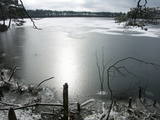 |
Relatīvi grūti pieejama un cilvēka mazskarta teritorija kūdrā izstrādātajā Cenas tīreļa ziemeļaustrumu daļā, kur saglabājušies augstā purva biotopi ar purva ezeriem, kas kopumā veido nozīmīgu vietu ligzdojošām un migrējošām zosveidīgo, tārtiņveidīgo u.c. putnu sugām. Teritorija nav piemērota (un nav vēlams) tūrisma aktivitātēm.
|
|
 |
Restorāns "Upe" atrodas Vecliepājā - viesnīcā „Līva”. Piedāvā latviešu un pasaules valstu ēdienkarti. Ēdiena gatavošanas procesā izmanto arī pašu audzētus garšaugus. Latviešu virtuve: Mazsālīta siļķe ar biezpienu, pildītas plānās pankūkas, kartupeļu pankūkas, šmorētas cūkgaļas ribiņas, brieža gaļa ar kadiķogām, cepts pīles stilbs, cepta zandarta fileja ar griķiem, kūpināta siļķes fileja. Īpašais ēdiens: „Liepājas menciņi” – apdūmota menca ar kartupeļiem, sīpoliem un dillēm keramikas podiņā. |
|


