
| Nr | Nosaukums | Apraksts |
|---|---|---|
 |
Viena no lielākajām Latvijas peoniju kolekcijām, kur peoniju šķirņu skaits ir gandrīz sasniedzis četrus simtus. Augu kolekcionāre un audzētāja Dagnija Voika ir izveidojusi dārzu, kurā ir ap 30 šķirņu krūmpeonijas, lielziedu bārdainie īrisi, Sibīrijas īrisi, dienziedes, kā arī mazāk pazīstami košumaugi - jukas un eremūri. Pieņem viesus peonijas ziedēšanas laikā - jūnijā, rīko Peoniju ziedu svētkus, un vada ekskursijas. Apmeklētāji var iegādāties peoniju stādus un dāvanu kartes. Jaunais stādu katalogs ir pieejams no 1. marta.
|
|
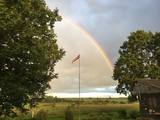 |
"Bielēs" saimnieko jauna ģimene, kas Rīgas steigu ir nomainījusi pret lauku mieru, vēlas atjaunot pazaudēto saikni ar Zemi, iemācīties saklausīt un sajust gadalaikus, kā arī izveidot pašpietiekamu saimniecību. Saimniekiem patīk viss, kas ir dabisks un varbūt pat nedaudz netradicionāls. Patīk eksperimentēt un nepatīk pilsētas stīvums. |
|
 2 dienas
|
Maršruts ar ļoti neparastiem skatiem! Seda ir vienīgā Latvijas pilsēta, kurai saglabājies pagājušā gadsimta vidus padomju laika plānojums ar centrālo laukumu un tam starveidā pieguļošām ielām. Sava veida eksotika ir dzīvojamo un sabiedrisko māju arhitektūras stils. Sedas purvs, kurā kūdra jau ir iegūta no Latvijas pirmās brīvvalsts laika, ir viena no lielākajām šāda veida industriālām - dabas teritorijām Latvijā un Baltijas valstīs. Agrāk izstrādātie kūdras lauki ir daļēji applūduši un aizauguši ar niedrēm, veidojot izcilu vidi ligzdojošajiem ūdensputniem un migrējošiem putniem, kas Sedas purvu izmanto kā atpūtas vietu. Kūdras ieguve turpinās arī mūsdienās un varbūt paveiksies ieraudzīt „mazo kūdras vilcieniņu”. Maršruta informācija no Latvijas Lauku foruma |
|
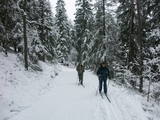 |
Dabas parks, kas atrodas Ogres pilsētas ziemeļrietumu daļā, ir populāra ogrēniešu atpūtas, pastaigu, bet ziemā – distanču slēpošanas vieta. Parka lielāko daļu aizņem ar skujkoku mežiem apaugusi osu grēda (ledāja radīts veidojums – gara, salīdzinoši šaura pauguru virkne ar stāvām nogāzēm), kas ir nozīmīga daudzu augu sugu dzīves vieta. Viens no osu grēdas izteiktākiem pauguriem ir Jaunogres pilskalns - ar slēpēm un ragaviņām iecienīta nobraucienu vieta. |
|
 |
Lilijas un Alfrēda Štelmaheru radītais dārzs Bērzes upes krastā tiek dēvēts gan par akmens pasaku, gan brīnumdārzu. Tas daudzkārt godalgots daiļdārzu konkursos. Akmeņu kolekcija ir veidota vairāku desmitu gadu laikā. Dārzā ir ievietoti dažādu formu un lieluma akmeņi, dzirnakmeņi, verstu stabi un pagastu robežstabi. Akmeņu kolekcionēšana ir bijusi Alfrēda Štelmahera vaļasprieks. Akmeņu ekspozīciju papildina dekoratīvie stādījumi un augu kompozīcijas, par kurām rūpējas dārza saimniece. Akmens dārzs ir zaļa un mājīga vide ikvienam dārza apmeklētājam. |
|
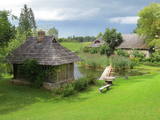 |
Izcili ainaviska saimniecība latviski etnogrāfiskā lauku sētā ar augstas dabas vērtības zemkopības sistēmu iepazīšanu un gājputnu tirgus redzējumu pavasaros. Aldara prasmju pārmantošana ar vasaras saulgriežu svinēšanu. |
|
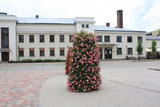 |
Pilsētas vēsturiskais centrs. Šajā vietā 1670. g. 12. februārī Kurzemes hercogs Jēkabs pasludināja pilsētas nodibināšanas faktu. 20. gadsimta sākumā Vecpilsētas laukumā uz nekalta laukakmens bruģa bija izvietojies pilsētas tirgus. Tagad laukuma perifērijā atrodas Tautas nams, Uniātu baznīca un tūrisma informācijas centrs. Laukumā jāapskata ūdens pumpis, milzu svari un lūša (Jēkabpils simbols) skulptūra. No šejienes var doties pastaigā pa Jēkabpils vēsturisko centru ar šaurajām ieliņām un mazstāvu pilsētas apbūvi.
|
|
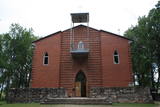 |
Pirmo dievnamu Vecpiebalgā uzcēla 1345. g., bet nākamo 1839. - 1845. g. lībiešu būvuzņēmēja Mārča Sāruma vadībā. To sagrāva 1944. g. rudenī un atjaunoja 1995. - 1997. g. (arhitekte A. Skujiņa). Baznīcas altārī novietota J. Jēgera altārglezna "Kristus staigā pa Piebalgas zemi". Baznīca apskatāma arī no iekšpuses. Pie dievnama novietots akmens politiski represēto piemiņai. |
|
 |
Lohjansaari island is in the middle of the largest fresh water lake in southern Finland. Due to its fertile soil and warm micro climate, the area hosts several arboreta. You can visit apple orchards or spend the night at Martinpiha destination and enjoy a truly rural experience with the friendly local people. |
|
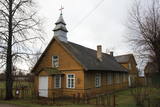 |
Atrodas Rucavas galvenās ielas malā, netālu no centra.Rucavas draudzi dibināja 1871. gadā, bet izmēros nelielo dievnamu uzcēla 1888. gadā. |
|
 |
Omulīga kafejnīca Liepājas centrā, kur katrs jutīsies gaidīts un aprūpēts. Vieta kafijai, kūkām, ēdienam. Katru rītu ap pieciem darbu sāk kruasānu meistars, lai ap plkst. 9.00 būtu gatavi svaigi kruasāni. |
|
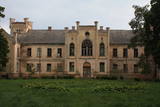 |
Iespaidīgs, taču ļoti bēdīgā stāvoklī! Cīravas muižas apbūve tapa 18. - 19. gs. un muižas pils - 19. gs. sākumā. Pusgadsimtu vēlāk to pārbūvēja neogotiskā stilā ar simetriskiem tornīšiem un ķieģeļu robojumiem dzegās. Muiža piederēja baronu Manteifeļu – Scēges dzimtai. Pils vestibilā, kāpņu telpā un otrā stāva zālē ir saglabājušies ornamentāli griestu greznojumi, kas tāpat kā pati ēka no iekšpuses nav apskatāmi. Ēkā atrodas arī vērtīgi interjera elementi - 19. gs. sākumā veidots kamīns ar marmora apdari u.c. No pils atsavināšanas brīža (1920. g.) līdz 1951. g. šeit atradās Meža skola (blakus pilij - piemiņas akmens), pēc tam – Cīravas Lauksaimniecības arodvidusskola. Iepretim pilij atrodas klasicisma stilā (ar frontonu un varenām kolonnām) celtais bijušais muižas zirgu stallis (19. gs. sākums), kas šobrīd netiek izmantots un arī apskatāms no ārpuses. Muižas kompleksu ieskauj parks (krietni aizaudzis), kurā ir uzkalniņš – barona suņa kapa vieta. |
|
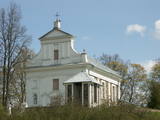 |
Tās celtniecību uzsāka 1830. g. par muižkunga Ludviga Šabanska ziedotajiem līdzekļiem. No laukakmeņiem celtajā baroka stila dievnamā, kuru apjož atjaunots akmens žogs, atrodas svētbildes „ Jēzus sirds", „Kristus ciešanas", „Svētais Jāzeps". Ikdienā apskatāma no ārpuses. |
|
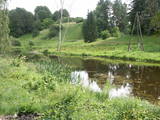 |
Viena no retajām vietām Latvijā, kur tik plašā teritorijā ir izveidots labiekārtotu taku tīkls. Tērvetes apkārtne pazīstama gan ar saviem pilskalniem, latviešu rakstnieces Annas Brigaderes (1861. – 1933.) dzīves un darba vietu un tās pasaku tēliem, kas iemiesojušies parka skulptūrās, gan Dižsilu, Dendrāriju, Tērvetes senvēstures muzeju, skatu torni, ainavām u.c. Tērvete atzīta kā ģimenei draudzīga vieta. |
|
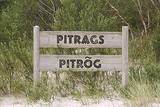 |
Pirmo reizi dokumentos minēts 1582. gadā. Pitraga sēkļos guļ daudzi nogrimuši kuģi. 1826. g. Pitragā uzskaitītas vienpadsmit sētas un 190 iedzīvotāji. 19. gs. vidū te atvēra krogu. 1937. g. ciemā bija 12 vecsaimniecības un 38 zvejnieku saimniecības (g.k. jaunsaimniecības). Ciemā bija vairākas zivju apstrādes vietas - kūres. Pitragā dzīvoja izcilā lībiešu valodas teicēja Marija Šaltjāre (Bertholde, 1860 - 1930), kura dalījusies ar vairāk nekā 200 pasakām un teikām, vairāk par 90 dziesmām, rotaļām u.c. Pitraga baptistu lūgšanu nams uzcelts 1902. gadā. Pirmā pasaules karā tas izdega, 1925. g. – to atjaunoja, bet 20. gs. beigās remontēja. Pitraga centrā Krogu mājās saimnieks izveidojis 27 seno lībiešu krasta žogu paraugus un piedāvā zivju kūpināšanu un degustāciju. |
|
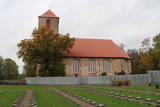 |
Blakus Lestenes luterāņu baznīcai esošajos kapos ir pārapbedīti vairāk nekā deviņi simti 2. pasaules karā kritušo karavīru, galvenokārt Kurzemes cietokšņa, Zemgales un Vidzemes kaujās kritušie. Karavīru piemiņai uzstādīts tēlnieces Artas Dumpes veidotais piemineklis “Dzimtene Māte – Latvija”. Lestenes brāļu kapi ir otrā lielākā 2. pasaules kara laikā kritušo latviešu karavīru apbedījumu vieta Latvijā aiz Rīgas Brāļu kapiem. Uz kapu plāksnēm ir iegravēti ~ 11 000 karavīru vārdu, taču domā, ka to skaits nākotnē pieaugs līdz 20 000. |
|
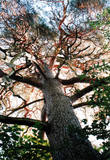 |
Latvijas resnākā parastā priede (Pinus sylvestris).
|
|
 |
Iespēja patīkamā atmosfērā baudīt ļoti gardu ēdienu. . Starp tiem arī Lietuviešu tradicionālo ēdienu. Ir dienas un vakara īpašie piedāvājumi. |
|
 |
Dabas liegums veidots ainaviskā Kāla ezera trīs salu (Tolkas, Lielā Vestienas un Vistu sala) un to mežu biotopu aizsardzībai. Diemžēl, salu apmeklētāji (makšķernieki?) aiz sevis ir atstājuši ne tikai nelabiekārtotas apmetņu un ugunskuru vietas, bet arī atkritumus. Tā kā salu vērtību spēs novērtēt tikai zinošs speciālists, ieteicams dabas liegumu vērot no skaistajiem un pauguriem klātajiem Kāla ezera ziemeļu un austrumu krastiem. Teritorija atrodas Vestienas aizsargājamo ainavu apvidū.
|
|
 |
Mājražotāja Elma Zadiņa gatavo sklandraušus, kuriem ir rudzu miltu apakšiņas, kā arī senu latviešu launaga ēdienu - pūteli, izmantojot samaltus kviešu un rudzu miltus. Produkcija tiek ražota nelielos apjomos mājas apstākļos. Iespējama pūteļa un sklandraušu degustācija. |
|


