
| No | Name | Description |
|---|---|---|
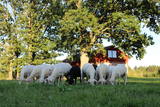 |
Saimniecībā tiek audzētas gaļas šķirnes (Suffolkas) aitas un piena šķirnes (Ostfrīzijas) aitas. Ganāpmulka aizsardzībai saimniecībā strādā ar sargsuņiem, Pireneju kalnu suņiem, kas ir pasaulē arī plaši pazīstama suņu šķirne mājlopu un mājputnu apsargāšanai no lielākiem un mazākiem plēsējiem. Saimnieki piedāvā iegādāties premium klases, saimniecībā audzētu, jēru gaļu un aitu piena produktus- Fetas tipa sieru, grilsieru, jogurtu bez piedevām un vairāku veidu saldējumus. |
|
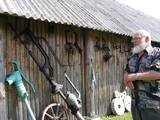 |
At a lovely place in the Gauja National Park in the Vaidava Parish, guests can examine ancient tools, mechanisms and household objects. Guides will talk about how these various items were used. There is a guesthouse for overnight accommodations, and there is room for tents and picnics.
|
|
 |
"Ziedlejas" offers sauna treatments and events in the contemporary design Glass Sauna, Smīma Spruce Smoke Sauna and Black Sauna, which is located in an unspoilt corner of the forest. The ritual sauna treatment includes heating, herbal compresses, herbal scrub, big beating, swimming in the pond, massage with healing oil and honey, vibrating with sound, tea, home-baked bread. The sauna treatment lasts four to five hours and is led by a sauna master. Various master classes are possible in connection with sauna rituals and the use of plants in healing and beauty care and the preparation of appropriate preparations. Bicycle rental is available, which includes access to the Ziedleju xc / enduro trails, bicycle training and bicycle guide services. It is also possible to organize and lead team building events, as well as team communication trainings. |
|
 |
Atrodas Baznīcas ielā 10. Skaistā ēka ir viena no nedaudzajām 17. gs. celtnēm, kas būvēta koka pildrežģa tehnikā (restaurēta 1986. g.). Kurzemes hercogistes laikā tajā atradās pirmā zāļu tirgotava. Apskatāma no ārpuses. |
|
 |
The cafe Picerija is situated in Lielvarde alongside Riga-Daugavpils highway. |
|
 |
This location is on the north-eastern shore of Lake Rāzna. The lad of the house offers Lettigalian foods, interactive activities to learn about the surrounding environment, as well as guide services. |
|
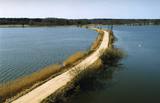 |
This territory is to the North of Skrunda, and it is an important location for water birds during their migration. Northern swans nest in the ponds, and sea eagles and other birds such as falcons and plovers use them for feeding. This is a good place for bird-watching, although it has not been particularly structured for that purpose. |
|
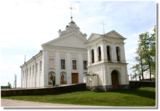 |
The Bebrene Catholic Church is opposite the Bebrene Estate on the side of the Ilūkste-Birži road. Work on the church began in 1797, but it was only completed in 1883. The outside of the church is in the style of Classicism, while the interior was designed in Baroque forms. The interior of the church can be viewed during worship services. |
|
 |
A café and bakery in Kuldīga that offers fresh, home-made pastries until the very evening. |
|
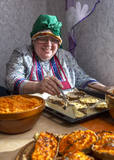 |
A true Latvian landlady, Skaidrīte Nagliņa, will welcome you to this farm and show you how to bake traditional bread. Old recipes and a bread oven heated by firewood will lead to beloved and tasty carrot buns, fresh sourdough bread and “pizza” ὰ la the Suiti. For groups up to 10 people. Please contact the farm in advance of your visit. |
|
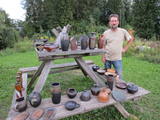 |
This craftsman produces beautiful ceramics and uses the so-called black or smoke-based technique. You can try your hand at the potter’s wheel and watch as the kiln is opened. You can commission or purchase ceramics. You can also tour the beautiful garden and receive services related to flower design. |
|
 |
An organic farm where it is possible to read and taste strawberries directly from the field during the season. There are also real wild strawberries. Sea buckthorn is also grown, can be read and tasted in September. Small-scale processing (juices, syrups, frozen products, jams) - home producer status. |
|
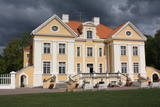 |
Palmse Manor is known to be considered as one of the most beautiful manors in Estonia. The manor has been mentioned first in 1510 as a property of women's monastery. In later centuries it belonged to Palenu family. Manor was built in 1697 but it was made the way we see it nowadays in 18th century. It has been renovated one more time in 1970-1980's. Around the building is a big and scenic park with several ponds. Inside the manor you can become familiar with its interior and visit the basement as well as buy Estonian wine. |
|
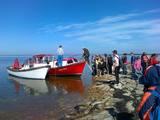 |
The company provides wildlife tours – seal watching, walking, cycling or skiing trips, rubber boat trips to Vilsandi and other islands, orchid trips, and trips to learn about culture and life of the manors, towns and villages, crafts and seafaring. Miku forest park in Vilsandi National Park is where visitors can learn about and try various forestry jobs. |
|
 8 days
|
If you enjoy an active lifestyle, then this tour is the perfect way to enjoy the heritage hidden in Gauja National Park, from several different perspectives. Cycling starts at Strenči and passes two local breweries at Brenguļi and Valmiermuiža with nice cafés and good beer. You will hike through beautiful forests and along the Sietiņiezis sandstone cliff towards Cēsis with its charming medieval Old Town. Canoeing takes place from Cēsis to Līgatne, which is one of the nicest parts of the River Gauja with its sandstone banks, remote farmsteads and old fashioned water-powered ferry. Līgatne historic centre is connected with the development of its paper mill. Here you can also visit local wine and handicraft producers located in one of the artificial caves typical of the area. Walk the Līgatne Nature Trails to see local wild animals in a forest setting. At the end you will cycle from Līgatne to Sigulda, which is one of the most popular tourist sights in Latvia. You'll see the Turaida and Sigulda medieval castles, Gutman’s Cave and other picturesque views. |
|
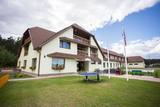 |
Family restaurant, hotel and bicycle rental, located 4 km from Piņķi and a 12-minute drive away from Riga Airport. A team of 12 professional chefs prepare a wide range of dishes. Full menu: facebook.com/irbenilv/menu. Takeaway is available. For groups of more than 10 persons, booking is recommended. |
|
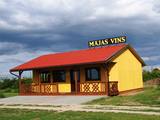 |
The owner uses Latvian products to make and offer more than 20 different wines, including some that are made of exotic flowers. You can taste and purchase wines made of berries, fruit, vegetables and flowers, including white jasmine, the elderberry tree, dandelions, the large cranberry, etc. There is a lily garden alongside which is the largest one in Eastern Europe and offers plants for sale. The day lily garden offers a look at globally famous types of day lilies which can be purchased. Many of these have been developed by the originator of the garden, Varis Baņģieris. More than 1,000 types of day lilies can be seen and purchased. The garden is open from 9:00 AM until 7:00 PM every day in July and August, when the flowers bloom. The owner also offers tastings of homemade wine that is called "Vējkalnietis." |
|
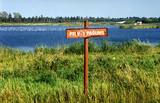 |
A restricted area with a set of artificial ponds to the South-west of Saldus. The ponds attract many different kinds of birds during nesting and migration season. The location has not been improved for tourist purposes, but it is still an interesting place for some bird-watching. The forests around the ponds are also home to many protected birds and species of bat. |
|
 |
The hotel is on the banks of the Daugava River, which is the boundary river between Latvia and Belarus. It offers Lettigalian foods, as well as parties in the Lettigalian, Belarusian and Polish style. |
|
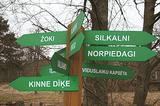 |
is seen as the newest village along the Livonian coastline. It was established during the 17th century. Košrags had 78 residents in 1826. The first reading school for Livonian children in the Dundaga seashore villages was opened at the Žoki homestead in 1832. One of the teachers was Nika Polmanis, who was the first Livonian to have completed a professional education. He also translated the Gospel of Matthew into the Eastern Livonian dialect. Košrags had a windmill, water mill and boat building facility. During the spring, job seekers from Saaremaa stopped here. A port was installed in 1932, and a breakwater to collect sea fertiliser followed in 1938. During the 1930s, Košrags was regularly visited by Finnish and Estonian linguists to study the folklore of the Livonians. The Norpiedagi homestead was built by Livonian activist Didriķis Volganskis (1884-1968). His son, Livonian cultural worker and pastor (in Finland) Edgars Vālgamā (Volganskis, 1912-2003) was born there. He translated the Andrejs Pumpurs epic "Lāčplēsis" into Finnish. Košrags today is a cultural monument of national importance. |
|


