
| Nr | Nosaukums | Apraksts |
|---|---|---|
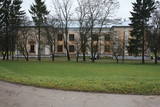 |
Atrodas Skolas ielā 12, Priekules pamatskolā. Tās krājumā ir plašs Priekules novadā iegūto vēsturisko liecību klāsts – sadzīves priekšmeti, darbarīki, dokumenti, padomju gados izsūtīto un represēto cilvēku atmiņu stāsti u.c. liecības, kā arī Priekules skolu attīstības vēsture. |
|
 |
Jau no 1820. gada cilvēki ir brūvējuši igauņu alu, izmanotojot vietējās izejvielas, kā ūdeni, rauhu un citus. Nosaukums - Saku Alus Darītava - ir nācis no iepriekšējās darītavas, kas darbojās līdz 1992. gadam. Šeit atrodas arī muzejs, kur var apskatīt, kā alus ceļš ir mainījies cauri gadiem. ir iespējams arī degustēt tikko brūvētu alu. Nepilngadīgajiem piedalīšanās tūrē ir aizliegta. |
|
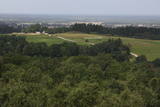 |
28 m augstais koka tornis atrodas Ziemeļkursas augstienes augstākajā vietā – Kamparkalnā (175 m v.j.l.). No tā paveras viens no Ziemeļkurzemes skaistākajiem skatiem uz Talsu pauguraines pakalniem. Skaidrā laikā redzami arī Rīgas jūras līča ūdeņi un Talsi. |
|
 |
Avinurmes kokdarbu klētī draudzīgi blakus sadzīvo tūrisma centrs un Avinurmes galdnieku darbnīca. Kokdarbu klētī atradīsiet Igaunijā bagātāko skalu ražojumu klāstu, daudz pirtij nepieciešamu priekšmetu un ikdienā mājsaimniecībā izmantojamu koka trauku. Šeit tiek organizētas dažādas radošās darbnīcas: grozu pīšana, filca velšana, maizes cepšana, sveču liešana, galošu apgleznošana u.tml. Šeit atrodas arī tūrisma informācijas centrs, kur iespējams iepazīties ar vietējiem koka izstrādājumiem. Pieejama arī kafejnīca, kurā tiek piedāvāti Peipusa apkārtnes ēdieni, kas tiek pasniegti uz koka izstrādājumiem, turklāt šeit pieejama arī pašcepta rupjmaize. Veikalā ir plaša koka izstrādājumu izvēle. |
|
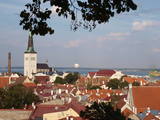 |
Igaunijas galvaspilsēta. Vecpilsēta (UNESCO Pasaules kultūras mantojuma sarakstā) - izcils viduslaiku (14. – 15. gs.) apbūves piemineklis. Bijusī Hanzas pilsēta. |
|
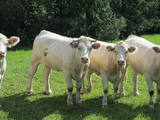 |
Audzē dārzeņus, ārstniecības augus un ražo medu. Saimniecības laukos ganās Šarolē šķirnes gaļas liellopi. Produkcijas iegāde. Saimniece dalās pieredzē un pastāstīs arī par citām apkaimes bioloģiskajām saimniecībām. |
|
 |
Latvijai neparastā izskata tornis tika uzcelts līdz ar Ziemeļblāzmas kultūras pils un parka atjaunošanas procesu. No torņa paveras plašs apkārtskats uz jau minēto parku, pili, Daugavu, Pārdaugavu un Daugavas vārtiem (Daugavas ieteka jūrā). Darbojas lifts. Tornis atvērts sezonas laikā. |
|
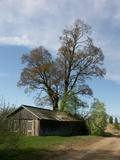 |
Izcils un izteiksmīgs dižkoks. Latvijas resnākā parastā kļava (Accer platanoides).
|
|
 |
Kafejnīca “Kursas zeme” atrodas vecpilsētas centrā – rātslaukumā. Tajā ir divas zāles, kā arī vasaras terase rātslaukuma pusē. Interjers pielāgots senās pilsētas aurai - ar vintage stila lampām un gleznām pie sienām. Kafejnīcas telpās atrodas arī kafijas grauzdētava “Curonia”, tāpēc apmeklētājiem tiek piedāvāta svaiga un garšīga kafija. |
|
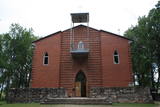 |
Pirmo dievnamu Vecpiebalgā uzcēla 1345. g., bet nākamo 1839. - 1845. g. lībiešu būvuzņēmēja Mārča Sāruma vadībā. To sagrāva 1944. g. rudenī un atjaunoja 1995. - 1997. g. (arhitekte A. Skujiņa). Baznīcas altārī novietota J. Jēgera altārglezna "Kristus staigā pa Piebalgas zemi". Baznīca apskatāma arī no iekšpuses. Pie dievnama novietots akmens politiski represēto piemiņai. |
|
 |
Talsu vecpilsētā, pašā vēsturiskā centra vidū, atrodas īpaša vieta, kur saplūst lauku miers un pilsētas dzīvīgums. Te vari izbaudīt gan klusumu un nesteidzīgu atmosfēru, gan arī sajust tuvumā esošo ielu dzīves ritmu. Šī māja ir kā radīta romantiskam nedēļas nogales atpūtam divatā — vakarā iekurt kamīnu, iemirdzināt telpu sveču gaismā un baudīt siltu vīna glāzi klusā divvientulībā. Tajā pašā laikā tā lieliski piemērota arī ģimenēm vai draugu kompānijām, kas vēlas pavadīt laiku kopā ērtā un plašā vidē. Villā pieejamas piecas guļamistabas, divas vannas istabas, kvalitatīva gultas veļa un dvieļi, satelīttelevīzija plakanajā ekrānā, ērta ēdamzona, pilnībā aprīkota virtuve, kā arī terase ar skatu uz dārzu. Papildus ērtībām viesiem ir atpūtas zona un kamīns, kas lieliski papildina vietas mājīgumu. |
|
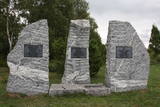 |
Viens no Harju apriņķa (Harjumaa) lielākajiem pilskalniem, kas atrodas uz dabiskas Ziemeļigaunijas glinta pacēluma daļas. Pastāv dažādas versijas par tā izmantošanas veidiem un laiku, kurā tas noticis. Saglabājušies arī nostāsti, ka šeit tāpat kā Kolkasragā laupītāji ir kurinājuši viltus ugunskurus, lai garām braucošos kuģus izvilinātu seklumā. No Mūksi pilskalna paveras skats uz Kolgas līci (Kolga laht). Tā augšdaļā ir novietota metāla plāksne ar shematisku Igaunijas pilskalnu karti un trīsdaļīgs granīta piemineklis (uzstādīts 1994. g.), kas veltīts Igaunijas brīvības cīņu un 2. pasaules kara laika dalībnieku un ar tiem saistīto notikumu piemiņai. |
|
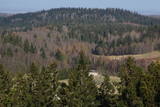 |
Veidots Hānjas (Haanja) augstienes ainavas un kultūrvides aizsardzībai. Tās centrālajā daļā atrodas Baltijas augstākais reljefa punkts – Lielais Munameģis (Suur Munamägi) – 318 m.vjl. un otrs augstākais – Vellamegi (Vällamägi) kalns – 304 m.vjl. Parka R daļā meklējama Reuges senleja (Rõuge ürgorg) - 7,5 km gara un līdz 60 m dziļa ledāja veidota ieleja, kurā iegūluši 7 ezeri, t.sk. Igaunijas dziļākais (38 m) – Reuges Lielezers (Rõuge Suurjärv).
|
|
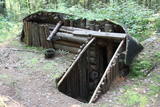 |
2. pasaules kara laikā starp Vietalvu un Jaunkalsnavu aktīvi darbojās nacionālie partizāni komandiera Riharda Pārupa vadībā. To darbība tika pārtraukta 1946. g. Zemnīca atrodas grūti pieejamā un nezinātājam – atrodamā vietā – Vesetas palienes purva dabas liegumā. Laipu taka, kas ved no A puses vasarā ir ieaugusi biezā niedrājā. 2010. g. bargajā ziemā zemnīcai iebruka jumts, taču entuziasti plāno to atjaunot. Blakus tam uzstādīts balts krusts, uz kura ir lasāmi bojā gājušo partizāņu uzvārdi.
|
|
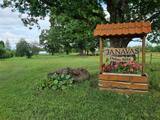 |
Bioloģiskā ZS “Janavas” jau vairāk kā 10 gadus piedāvā saviem klientiem dažādus bioloģiski ražotus un audzētus produktus: zāļu tējas, dabīgus ziedūdeņus un ekskluzīvu sejas krēmu “Beāte”, ko iemīļojušas daudzas Latvijas sievietes. Līdz šim arī daudzi Latvijas un ārzemju tūristi ir apmeklējuši mūsu saimniecību un klausījušies saimnieces izzinošās lekcijas par ārstniecības augiem, to ietekmi uz cilvēka veselību. Janavās tagad var arī nakšņot jaunajā glempinga teltī sadarbībā ar sociālo uzņēmumu "Kultūras tūrisms". Vairāk informācijas var uzzināt www.turisms.lv/janavas Dabas sēta “Janavas” ir aptuveni 1km gara taka, kura ir izveidota ZS “Janavas” teritorijā Daugavas senlejā. Mūsu saimniecības teritoriju lielākoties klāj bioloģiskās pļavas, kas visā pasaulē ir saglabājušās mazāk kā 2% no kopējās platības! Mēs piedāvājām pastaigu pa Daugavas senleju augu pasaulē ,atpūtinot prātu un ķermeni no ikdienas un uzzinot sensenas patiesības par arstniecības augu nozīmi cilvēka organismā. |
|
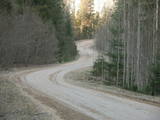 |
Pēc izmēriem, salīdzinoši ar Lielajiem Kangariem, - mazāks oss. Ap 10 km garie un līdz 16 m augstie Mazie Kangari izlokas gar Buļļu purvu. Dabas liegums veidots osa, Buļļu purva, dažādu mežu tipu un reto augu sugu aizsardzībai. Uz osa izveidota auto apstāšanās vieta.
|
|
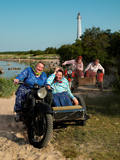 |
UNESCO Pasaules mantojuma sarakstā iekļautā Kihnu kultūrtelpa (www.kultuuriruum.ee) ir savdabīgs mūsdienu un pagātnes sakausējums. Kihnu muzejā ir atrodami dažādi ar ikdienas dzīvi saistīti priekšmeti – darbarīki, apģērbi, rokdarbi, mēbeles. Metsamā tautas mantojuma sēta ir tradicionāls lauku sētas komplekss, kurā ir atspoguļota salas ikdienas dzīve. Šeit atradīsiet Kihnu salai raksturīgus mājsaimniecības darbarīkus, tautas tērpus un rokdarbus. Ekskursijas pa salu organizē Kihnurand AS (www.kihnurand.ee). |
|
 |
Restorāns "Kapteinis&Grants" atrodas pie viesu nama „Villa Elizabete”. Sezonas laikā darbojas vasaras terase, bet aukstā laikā maltīti var ieturēt kamīnzālē – bibliotēkā. Latviešu virtuve: Marinēta Baltijas siļķe ar biezpienu, baraviku krēmzupa, grilēta cūkgaļas karbonāde, jaunlopa gaļas steiks, grilēts līnis. Īpašais ēdiens: Kapteiņa Granta siera kūka. |
|
 17 dienas
|
The tour introduces modern day life in rural Latvia, Estonia and Lithuania and includes visits to small farms raising livestock and producing delicious foods, and to ethnographic villages preserving the traditional lifestyle in a contemporary environment. The tour also involves sites of historical and cultural interest. The tour gives a look beyond the usual tourism sites to get to know the three Baltic states more deeply. It starts in the historic Latvian capital, Riga, followed by the Gauja National Park with its castles, manors and walking trails. Climb the tower of medieval Turaida Castle for amazing views over the valley and visit the ancient jewellery master in the castle of the charming town of Cesis. Across the border in Estonia, walk streets with elegant villas at Parnu sea resort before catching a ferry to Saaremma island. Ethnographic Koguva village, ancient churches and windmills are typical of the island, as is an embroidering tradition. Then it's off to Tallinn with its medieval Old Town and to the rocky landscapes of Lahemaa National Park with fishing villages and manors. Try Estonian national dishes at the pub in Altja. Driving back, stop at the university town of Tartu. In Latvia again, visit goat farms and a traditional black bread bakery. Then the tour heads towards the west coast with the cities of Liepaja and, across the border in Lithunaia, Klaipeda. Next is the incredible Curonian Spit. Before Vilnius, take a detour to Grutas Park with its bizarre Soviet statuary. Finish the journey at picturesque Trakai Castle in Lithuania and Rundale Palace in Latvia. |
|
 |
Aldaris gaida apmeklētājus skaistā, Lietuvas Šveices titulu ieguvušā novadā, ko ieskauj meži, ezeri un pilskalni. „Čižo” alus, kas ir viegls, nefiltrēts un dzīvs, tiek gatavots pēc vecvectēvu tradīcijām ar meža bišu medu. Aldaris mantoja ne tikai recepti, bet arī iekārtas, tāpēc savā viesu namā izveidoja seno alus gatavošanas iekārtu ekspozīciju. |
|


