
| Nr | Nosaukums | Apraksts |
|---|---|---|
 |
Ēdamnams "Daugava" atrodas Krāslavas centrā. Iepriekš piesakot, piedāvā Latgales ēdienus māla traukos. Blakus darbojas ceptuve un konditorejas cehs. Īpašais ēdiens: gaļa melnās keramikas podiņā, buļbešnīki. |
|
 |
„Rudeņi” atrodas Zemgales līdzenuma dienviddaļā – austrumos no Bērvircavas. Dibināta 1999. gadā. Saimniecība specializējusies piena lopkopībā, un tajā šobrīd ir virs 300 piena govīm un tikpat jaunlopiem. Otra saimniecības ražošanas nozare ir graudkopība. „Rudeņu” laukos - vairāk nekā 400 ha platībā aug ziemāji un vasarāji, rapši un kukurūza. Lai utilizētu lopkopības rezultātā radušos atkritumus, uzcelta moderna biogāzes ražotne, kuras saražotā enerģija tiek izmantota saimniecības vajadzībām. Aktīvi apgūst ES projektus. Par vienu no tiem uzcelta kūts līdz 400 vietām un govju slaukšanas karuselis. |
|
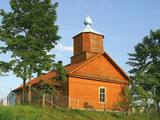 |
Lipušku apkārtnē jau no seniem laikiem apmetušies vecticībnieki (lielākā draudze Baltijā). To lūgšanu namu cēla 1893. gadā. Tas daudzkārt cieta no laupītājiem, tādēļ ēkas iekšpusē izvietoja ikonu fotokopijas. Līdz 1905. gadam dievnamus varēja celt tikai tādus, lai tie no ārienes neatšķirtos no parastas dzīvojamās mājas - tiem nebija zvanu, krustu un kupolu. Likumsakarīgi - arī Lipušku lūgšanu namu cēla kā dzīvojamo ēku. Kad par to uzzināja vietējā vara, to gribēja slēgt, taču vecticībnieki blakus ikonām novietoja carienes attēlu, kas nodrošināja turpmāku tā pastāvēšanu. Apskatāms no ārpuses. |
|
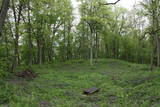 |
Aptuveni 0,5 km dienvidos no Mežotnes pilskalna atrodas Vīna kalns, kas līdzīgi kā Mežotnes pilskalns, ir veidots, izmantojot Lielupes ielejas stāvās krastu nogāzes, tās pārveidojot. Vietvārds ir it kā radies no stāsta, ka šeit parādījies dievgalds ar maizi un vīnu. Vīna kalnu ar Mežotnes pilskalnu savieno jauka koka laipa, kas ved pa Lielupes ielejas pamatkrasta lejas daļu. |
|
 |
Viena no lielākajām Latvijas peoniju kolekcijām, kur peoniju šķirņu skaits ir gandrīz sasniedzis četrus simtus. Augu kolekcionāre un audzētāja Dagnija Voika ir izveidojusi dārzu, kurā ir ap 30 šķirņu krūmpeonijas, lielziedu bārdainie īrisi, Sibīrijas īrisi, dienziedes, kā arī mazāk pazīstami košumaugi - jukas un eremūri. Pieņem viesus peonijas ziedēšanas laikā - jūnijā, rīko Peoniju ziedu svētkus, un vada ekskursijas. Apmeklētāji var iegādāties peoniju stādus un dāvanu kartes. Jaunais stādu katalogs ir pieejams no 1. marta.
|
|
 |
Atrodas skaistā vietā – Talsu vēsturiskajā centrā, Talsu ezera ielejas nogāzē. Piedāvā dažāda veida picas, kartupeļu, vistas un lielopu gaļas ēdienus, zupas, pastas, podiņus, salātus, pankūkas, desertus, karstos un aukstos dzērienus. |
|
 |
“Amatnieku namiņš” ir saimnieces izlolota sirds lieta, jeb vieta, kur vienkopus atrodami daudz un dažādi vietējo un apkārtnes novadu amatnieku un mājražotāju darinājumi. Tējas, garšvielas, ievārījumi, dažādi smēriņi, adījumi, kokdarbi, pinumi, ziedi un ziedu kārbas, sveces, krūzes un daudz kas cits ir atrodams tieši “Amatnieku namiņā”. |
|
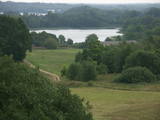 |
Latvijas jaunākais nacionālais parks (2007. g.) atrodas „Zilajā ezeru zemē” – Latgales novadā. Parka viens no izveides mērķiem ir Latvijas ūdeņiem bagātākā – Rāznas ezera, salām bagātākā – Ežezera un citu ūdeņu, Latgales augstienei raksturīgās pauguraiņu ainavas un kultūrvides saglabāšana. Šobrīd viens no populārākajiem nacionālā parka objektiem ir Mākoņkalns ar skaisto skatu uz Rāznas ezeru. Jaunizveidotajā parkā šobrīd tikai tiek plānota un veidota ar tūrismu saistīto labiekārtojumu – taku, maršrutu u.c. izveide, tādēļ būtu vēlams apmeklēt g.k. šobrīd jau labiekārtotos objektus.
|
|
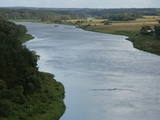 |
Nemunas loku reģionālais parks (Nemuno kilpų regioninis parkas) ir dibināts 1992. g. un tā mērķis ir augu, dzīvnieku, ainavas un ģeoloģisko dabas pieminekļu aizsardzība. Parks ietver piecus lielus Nemunas upes lokus, kuru centrā atrodas Birštonas – viens no nozīmīgākajiem Lietuvas kūrortiem. Nemunas loku stāvajos krastos vietām redzami iespaidīgi nogulumiežu atsegumi. No dabas daudzveidības un ainavas viedokļa nozīmīgas ir arī Nemunas pieteku dziļās gravas. Parkā sastopami veci nogāžu un gravu meži. Punes (Punia) un Prienu (Prienai) mežos aug Lietuvā augstākie koki. Kopumā parkā ir konstatētas 973 augu un 1713 dzīvnieku (zīdītāji, putni, abinieki, rāpuļi, kukaiņi u.c.) un 505 sēņu sugas. Kā nozīmīgi kultūras tradīciju turpinātāji ir jāpiemin Prienu kokapstrādes meistari, kas gatavo koka krustus. |
|
 |
Līdz 1724. g. t.s. Cecinas pusmuiža piederēja Hilzenu dzimtai. Kad Hilzena meita Jadviga aprecējās ar Janu Šadurski, kā Malnavas muiža tā dokumentos ir pieminēta 1774. gadā. Vēlāk muiža piederējusi vairākiem īpašniekiem. Muižas galvenā ēka ir celta klasicisma stilā ar barokālām iezīmēm. Pagalma vienā pusē ir klēts, bet tā noslēgumā – kungu nams. 1920. g. agrārās reformas laikā Malnavas muiža bija viena no lielākajām Latvijas muižām, kuras zemju platības aizņēma 12,4 tūkstošus hektāru. Kungu māja postīta Otrā pasaules kara laikā un pēc pārbūves sākotnējā interjeru apdare nav saglabājusies. No saimniecības ēkām saglabājusies 19. gadsimta pirmajā pusē celtā klēts klasicisma stilā, ar diviem četru kolonnu portikiem galvenajā fasādē, kā arī vairākas saimniecības ēkas. Muižas kompleksu papildina parks, kurā vēl joprojām saglabājušies eksotiski krūmi un koki, piemēram, Amūras korķkoki, kā arī divi dzelzsbetona bunkuri, kur īsu brīdi uzturējies Hitlers. Muižas teritorijā atrodas arī Latgales šmakovkas dedzinātava, kur apmeklētājus iepazīstina ar degvīna ražošanas procesu no senatnes līdz mūsdienām. |
|
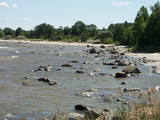 |
Kājāmgājējiem un putnu vērotājiem domāta taka, kas izveidota ļoti interesantā Rīgas līča krastā pie Kaltenes, kur vērojami mazi līcīši un zemesragi, akmeņaina vai aizaugusi piekraste. Takas galā atrodas putnu vērošanas tornis, jo pavasara un rudens migrāciju laikā Kaltenes apkārtnē novērojama liela zosveidīgo, tārtiņveidīgo u.c. putnu daudzveidība.
|
|
 2 dienas
|
Šim maršrutam raksturīgs mainīgs kulināro garšu piedzīvojums, kas papildināts ar populārāko tūristu piesaistes vietu apskati Igaunijas Dienvidu daļā. Jums būs iespēja apmeklēt Võru un Rõuge, izbaudīt DienvidIgaunijas burvīgās ainavas Haanjas Dabas parkā, raugoties no Suur Munamägi (Lielā Munameģa) - lielākās augstienes Baltijā. Jūs sirsnīgi pārsteigs Setomaa, Setu zeme - etniska un kultūrvēsturiska minoritāte, kas turpina savas unikālās mantojuma tradīcijas. Setomaa apkārtne ir apdzīvota vairāk nekā 8 400 gadu, tādējādi tai kļūstot par vienu no vecākajām cilvēku apmetnēm Igaunijā. Šī maršruta laikā jums būs iespēja izgaršot Igaunijas vīnus, kas ražoti no vietēji audzētām ogām un augļiem, aplūkot kazu fermu, kur tiek piedāvāts izcils kazas siers un pasniegta sātīga lauku maltīte kārtīgā lauku sētā. Maršruta sākums un noslēgums ir Tartu, taču tas var tikt mainīts un pagarināts līdz vai no Tallinas un Rīgas. |
|
|
|
Gatavo asinsdesas gan tradicionālās, gan mūsdienīgākas. Saimniecības piedāvā desu gatavošanu demonstrējumus dažādām interesentu grupām. Zemnieku saimniecības desas ir īpašas ar Riga Food izstādē iegūto balvu - Tautas Garša. Atvērti jebkurā laikā, iepriekš to saskaņojot. |
|
 |
Krodziņš "Vilhelmīnes dzirnavas" atrodas Līgatnes vēsturiskajā centrā pie dīķa - vienā no vecākajām ēkām Līgatnē ,kurā tika pagatavots pirmais Līgatnes papīrs, tad bijušas dzirnavas un no tiem laikiem pie krodziņa ieejas var redzēt tās dzirnakmeni. |
|
 10 dienas
|
From Riga the tour goes along the right bank of the river Daugava and crosses it over at Plavinas HES to Salaspils. Visit National Botanic Garden then continue along the left bank of Daugava. On the route there is a model of ancient wooden castle where you can walk about. . Then visit the Kingdom of Rabbits where their homes are made like a little castles too. Time to taste some wonderful home-made ice-cream at Skriveri and visit legendary Koknese castle ruins park. Next day visit ethnographic working farmstead where you can see wild horses and cows as well as various waterbirds in the pond. Then the route goes to private mini zoo "Ezerlejas" with some exotic animals, visit ceramics factory where you can see how the hand-made clay products are made from the beginning to the end, walk around Rauna medieval castles ruins. Cesis town with mighty medieval castle and pretty old town is the next on the route. At Ligatne walk nature trails where you can see local wild animals. At Sigulda kids would love to visit "Tarzans" adventure centre. There is also Olympic bobsled centre and two medieval castles located. From Sigulda the route goes towards the coast with a stop at elegant Birini Manor with large park where you can try horse ridding. Then you are at the sandy beach of Saulkrasti. Before returning to Riga you can visit a farm with goats and ponies to taste goats products and cuddle animals. |
|
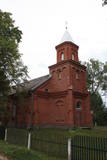 |
Atrodas iepretim bākai. Saukta arī par Pizes (Miķeļtorņa lībiskais nosaukums) baznīcu. To uzcēla 1893. g. Padomju laikā ēkā bija izvietots pionieru nometnes klubs. Tagad tā atkal kalpo savam pamatmērķim. |
|
 1 diena
|
Dodieties ekskursijā, lai gūtu ieskatu lauku profesijā un dzīvesveidā, kā arī iegūtu jaunus iespaidus un labu atpūtu visai klasei. Ekskursijas laikā apmeklējiet saimniecību, kuras galvenā specializācija ir piena lopkopība un graudkopība. Pēc tam izbaudiet pikniku Vilces dabas parkā, kurš ir izvietojies Vilces upītes un tās pieteku gravu krastos. Pie Vilces pilskalna atrodas Zaķu pļava – labiekārtota un iecienīta apmeklētāju atpūtas vieta. Tālāk dodieties uz maizes ceptuvi, lai iepazītos ar maizes cepšanas arodu, degustētu un iegādātos maiznīcas izstrādājumus. Ekskursijas noslēgumā apmeklējiet saimniecību, kur audzē graudaugus un kartupeļus, piedāvā apskatīt senu darba rīku un piena pārstrādes iekārtu kolekciju un praktiski darboties ar tiem. Bērni var atpūsties un pavadīt brīvo laiku atrakciju parkā. |
|
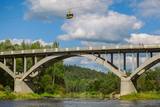 |
Gaujas tilts Siguldā ir vienīgais tilts Latvijā ar šādu unikālu tehnisko risinājumu. Pirmo reizi tilts uzcelts 1937. gadā, taču kara laikā tas tika sagrauts. 1950. gadā to atjaunoja. 2017. gada vasaras beigās noslēgsies tā rekonstrukcijas darbi. |
|
 |
Krodziņš atrodas ainaviskā vietā – Abavas senlejā starp Kandavu un Sabili. Izvietots vēsturiskā ēkā, kas būvēta 17. gs. un kur atradusies pārceltuve pār Abavu. Ēkā ir viens no lielākajiem Baltijas manteļskursteņiem. Blakus ūdenstūristu apmetne. Latviešu virtuve: Aukstā biešu zupa, frikadeļu zupa, skābeņu zupa, skābu kāpostu zupa, vistu akniņas, mājas kotlete, žāvētas cūkas ribiņas, cepta cūkgaļa, grilēta cūkgaļa, kartupeļu pankūkas ar krējumu, plānās pankūkas, dabīgās tējas. Īpašais ēdiens: Virtieņi pildīti ar kūpinātu gaļu, biezpienu un sīpoliem. |
|
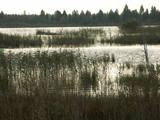 |
Kaut arī Sedas tīrelī jau no pagājušā gadsimta vidus iegūst kūdru, tā ir viena no Latvijas nozīmīgākajām NATURA 2000 teritorijām ar lielu ainavu, biotopu un bioloģisko, īpaši – putnu, daudzveidību. Potenciāla putnu vērošanas vieta migrāciju laikā. Šajā nolūkā purva malā izveidoti skatu torņi. Cauri purvam kvadrāta veidā stiepjas šaursliežu dzelzceļa uzbērums, kas kopā ar ritošo sasatāvu ir Latvijas industriālā mantojuma piemineklis. No tūrisma viedokļa interesanta ir ārpus lieguma teritorijas esošā Sedas pilsēta.
|
|


