
| Nr | Nosaukums | Apraksts |
|---|---|---|
 |
Vizuāli un ainaviski iespaidīgākais un lielākais Latvijas oss - ap 26 km gara, šaura un stāva, līdz ~ 27 m augsta, ledāja veidota vaļņveida reljefa forma pa kuras augšdaļu ~ 7 km garumā uzbūvēts Rīgas – Ērgļu ceļš. No Lielajiem Kangariem paveras skats uz Lielo Kangaru ezeru un Lielkangaru purva akačiem. Uz osa atrodas Ķoderu pilskalns - Lielā vīra gulta. Dabas liegums veidots osa un ar to saistīto biotopu un augu sugu aizsardzībai.
|
|
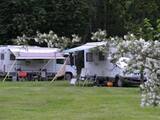 |
Kempings "Jūrmala" atrodas sanatorijas "Rīgas Līcis" parka teritorijā 200 m attālumā no Jūrmalas kultūras un vēsturiskā centra. Kempings piedāvā labiekārtotas telšu un treileru vietas, brīvdienu māju, pludmali atpūtai ģimenes vai draugu lokā, kā arī dažādu tematisko un aktīvās atpūtas pasākumu rīkošanai. Nelielais attālums līdz "Dubultu" un "Jaundubultu" dzelzceļa stacijām ļauj uzturēšanās laikā ērti baudīt arī Rīgas kultūrvidi. Var uzturēties arī ar mājdzīvniekiem. |
|
 1 diena
|
Dodieties ekskursijā, lai gūtu ieskatu lauku profesijā un dzīvesveidā, kā arī iegūtu jaunus iespaidus un labu atpūtu visai klasei. Ekskursijas laikā apskatiet iespaidīgākās un krāšņākās smilšakmens klintis Vidzemes piekrastē, kur viļņi ir izveidojuši līdz 6 m augstu stāvkrastu. Pēc tam apmeklējiet muzeja ekspozīciju, kura iepazīstina ar leģendārā fantasta un melu karaļa piedzīvojumiem un dzīves gaitām. Turpat netālu mežā izveidots vairākus km garš taku tīkls, un taku malās izvietotas dažādas koka skulptūras. Ekskursijas noslēgumā dodieties uz keramikas darbnīcu, lai uzzinātu, kā no māla top dažādi trauki un sadzīves priekšmeti, kā arī paši pamēģinātu roku kāda priekšmeta izvirpošanā. |
|
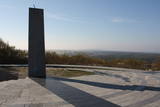 |
Otra vieta Kuršu kāpu Lietuvai piederošajā teritorijā, kur var iepazīt „tuksneša ainavu". 52 m augstās Pārnidas kāpas apskati var sākt ar Saules laikrādi (celts 1995. g., godinot Lietuvas neatkarības atgūšanas dienas piecgadi), no kura paveras Baltijas valstīm neparasta ainava līdz pat Lietuvas – Krievijas robežai. Te joprojām ir redzamas ceļojošās kāpas, kas radās 18. gs., cilvēkiem izcērtot mežus! Interesanti (īpaši vakaros!) ir arī skati uz Nidas pilsētiņu un Nidas ostu. Kuršu jomas pusē ir izveidota marķēta dabas izziņas taka, kas ved (sekojiet līdzi marķējumam!) arī pa kāpas smiltājiem. Šīs vietas apskatei ir jārēķinās ar ~ 1h. Uzmanību! Novirzīties no takas un pārvietoties pa kāpu smiltājiem nav atļauts! |
|
 |
Elkas kalna saimniecība atrodas ainaviskā Elkas kalna virsotnē. Saimniecībā tiek audzētas zāļu tējas, izgatavoti ziedūdeņi no Elkas kalna pļavās ievāktiem un dārzā audzētiem augiem, tecinātas bērzu sulas, kuras saldētas glabājas līdz pat vasarai, gatavoti ievārījumi un citi veselīgi gardumi. Amatas pagasta stāstnieku pavadībā iespēja doties ekskursijā-pārgājienā uz Gaujas sākumu Elkas kalnā vai augu ekspedīcijā, kuras laikā saimniece iepazīstina apmeklētājus ar dažādām zāļu tējām, palīdz sagatavot savu īpašo tēju maisījumu vai ziepes. Degustācijai - zāļu tēja, bērz sula, ievārījumi, pašu gatavotu ķirbju miltu izstrādājumi. Piedāvājumā no Elkas kalna saimniecībā audzētiem dārzeņiem, dīķī nomakšķerētām zivīm vai gaļas gatavotas maltītes, kuras pagatavojamas arī ārā uz dzīvas uguns. Iespēja nakšņot teltī. Pieejama terase nelielām svinībām. |
|
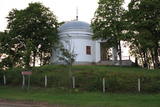 |
Varakļānu centrā, Rīgas ielas malā paceļas neliels paugurs, uz kura atrodas balta ēka ar 4 kolonnām un kupolveida jumtu, kas celta pēc Romas Panteona parauga. Kapela būvēta 1814. g. (arhitekts Vinčento Macoti), un tajā atrodas grāfu Borhu dzimtas apbedījumi. Kapelā bija novietoti arī Sv. Viktora pīšļi, kas pārvesti uz Varakļānu katoļu draudzes baznīcu. |
|
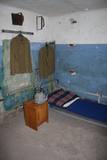 |
Viens no parka neparastākajiem vēstures objektiem, kas apvīts ar daudzām leģendām un noslēpumiem, par kuriem vēl joprojām nelabprāt izsakās ar to saistītie cilvēki. Zināms, ka bāzi laikā no 1960. – 1962. g. ļoti stingrā slepenībā cēla ~ 10 000 kareivji no citām padomju republikām. Pazemes ejas bija būvētas tā, lai pa tām varētu pārvietoties tikai maza auguma cilvēki. Zem zemes atradās 4 šahtas, no kurām varēja palaist vidējā rādiusa ballistiskās raķetes R – 12 U ar kodolgalviņām. Blakus atradās apkalpojošā personāla telpas, elektrības ģenerators, sakaru centrs u.c. Līdz 2010. g. bāzi varēja apskatīt vietējā gida pavadībā. Tagad to rekonstruē un 2012. g. plāno atklāt Aukstā kara muzeju. Bāze atrodas austrumos no Plateļu ezera, liela meža masīva vidū. |
|
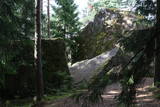 |
Tikpat iespaidīgs, taču ne tik populārs tūrisma objekts kā netālu esošais Jāņa – Toma akmens. Tammispeas akmens iegūlis mežā, tāda paša nosaukuma nelielā ciemā, kas atrodas Eru līča (Eru laht) dienvidu krastā. Tilpuma ziņā (262 m3) – 16. lielākais Igaunijas dižakmens. Tā garums ir 10,7 m, platums – 6,5 m, augstums – 7,5 m, bet apkārtmērs – 27,8 m. Iespaidīgas ir arī šī akmens atlūzas. Ar šī akmens attēlu noteikti ir jāpapildina sava lielāko Baltijas dižakmeņu fotokolekcija. |
|
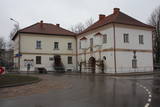 |
Vēstures avotos pirmoreiz minēta 1483. g. Pilsētas uzplaukums bija vērojams pēc dzelzceļa uzbūvēšanas 19. gs. beigās, kad barons Korfs sadalīja un iznomāja apbūvei muižas zemi. Pilsētas tiesības Priekule ieguva 1928. g. Pilsēta smagi cieta 2. pasaules kara pēdējos mēnešos, - t.s. Kurzemes katla laikā, kuru laikā tika sagrautas 410 no 450 ēkām. Mūsdienās tā ir neliela pilsētiņa ar mazstāvu apbūvi un nesteidzīgu dzīves ritmu. |
|
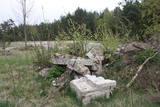 |
Armijas degvielas noliktavas bija daļa no Papē izvietoto militāro objektu kompleksa. Degvielas cisternas no šīs vietas ir izvāktas un vairs nepastāv. |
|
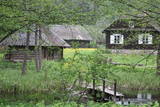 |
Salos, Vaišnoriškė, Strazdai, Šuminai – Augštaitijas nacionālā parka ciemi, kuros saglabājušas vēsturiskas viensētas ar koka ēkām un to plānojumu. Apdzīvoti. |
|
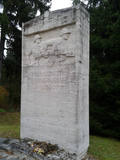 |
Atrodas vietā, kur no A 8 autoceļa atdalās ceļš (P 100) uz Ozolniekiem un Jelgavu. Piemineklis veltīts 6. Rīgas kājnieku pulka strēlniekiem, kas krita un pazuda bez vēsts cīņās ar bermontiešiem 1919. gada 17. novembrī pie bijušās Skuju pamatskolas. Pieminekli (autors Nikolajs Voits, bareljefa autors – Mārtiņš Šmalcs, konsultants – Kārlis Zāle) atklāja 1937. g. 24. oktobrī. To atjaunoja 2009. gadā. |
|
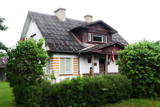 |
Ezeres kultūrvēstures un novadpētniecības materiālu krātuve “Muitas nams” ir izveidota vēsturiski nozīmīgā ēkā, kur, II pasaules kara noslēgumam tuvojoties, 1945. gada 8. maijā tika parakstīts Kurzemes katlā ielenkto vācu karaspēka daļu kapitulācijas akts. Ar to tiek uzskatīts, ka Ezerē faktiski beidzies II pasaules karš. Krātuves materiālu ekspozīcijas ir no Ezeres pagasta senvēstures līdz šodienai, tai skaitā ezernieku vaļasprieki. |
|
 |
Viesu māja "Hilda Villa" atrodas Igaunijā, Vīlandes pilsētiņas centrā. Viesu mājā ir īpašas istabiņas ģimenēm līdz 4 personām. Viesu mājas 1. stāvā atrodas Hildas istaba, Tenantas istaba, kā arī vannas istaba, dzīvojamā istaba un virtuve. 2. stāvā ir 3 guļamistabas, 2 dušas un 2 tualetes. |
|
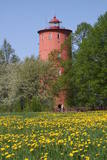 |
Otra Latvijas vecākā (1849. – 1850. g.), visaugstāk (82 m v.j.l., t.sk. 32 m augsts tornis) esošā un iekšzemē vistālāk (5 km no jūras) celtā bāka. Tās bākuguni izslēdza 1999. g. un mūsdienās bāka kalpo kā lielisks skatu tornis un izstāžu zāle. Skaidrā laikā no bākas labi redzams Irbes šaurums un Serves rags (Sāmsalā) ar Serves bāku. Pie bākas atrodas Šlīteres dabas taka, ko var iziet tikai nacionālā parka gida pavadībā. Taka atrodas dabas rezervātā, kur 1923. g. dibināja Šlīteres dabas pieminekli. Apmeklētāji varēs iepazīt Šlīteres Zilos kalnus - Baltijas ledus ezera senkrasta stāvo krauju, nogāžu un platlapju mežus, avoksnāju, kaļķainu zāļu purvu, kā arī senas meliorācijas grāvju atliekas un satrupējušos egļu stumbrus, kurus sagāza vējš 1969. gada orkāna laikā. Takas garums 1,2 km. Dabas izglītības centrs “Slītere” ietver dabas taku, bāku, ēku ar ekspozīciju “Dzīvība kokā”, kā arī pagalmu, kur notiek dabas izglītības nodarbības. |
|
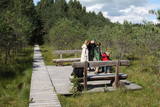 |
Varniku mežā (Varnikų miškas) ir izveidota patiesi interesanta dabas izziņas taka, kas iet cauri dažādiem biotopiem – skujkoku un ozolu mežiem, purvainu mežu un sūnu purvu ar akačiem un nelieliem purva ezeriņiem, kur uzceltas divas skatu platformas. Mitrajās vietās un purvā ir izveidotas koka laipas. Šī ir populāra pastaigu vieta. Taka ir lokveida un marķēta. Tās apskatei būs nepieciešama ~ pusotra stunda. |
|
 |
UNESCO Pasaules mantojuma sarakstā iekļautā Kihnu kultūrtelpa (www.kultuuriruum.ee) ir savdabīgs mūsdienu un pagātnes sakausējums. Kihnu muzejā ir atrodami dažādi ar ikdienas dzīvi saistīti priekšmeti – darbarīki, apģērbi, rokdarbi, mēbeles. Metsamā tautas mantojuma sēta ir tradicionāls lauku sētas komplekss, kurā ir atspoguļota salas ikdienas dzīve. Šeit atradīsiet Kihnu salai raksturīgus mājsaimniecības darbarīkus, tautas tērpus un rokdarbus. Ekskursijas pa salu organizē Kihnurand AS (www.kihnurand.ee). |
|
 8 dienas
|
The route brings you to Kaunas, multiple Lithuanian regional parks and allows to enjoy the landscapes of the river Nemunas. Kaunas is Lithuania’s second largest city. It is notable for its modernist architecture. The city is located at the confluence of the two largest Lithuanian rivers: Nemunas and Neris. Moving further from Lampėdžiai to Vilkija, the Forest Trail runs for two days along trails and small countryside gravel roads next to the right bank of the river Nemunas. This section is shaped by beautiful landscapes with views of the river, the waterfront meadows and small villages. Do not miss the ferry in Vilkija crossing over the river Nemunas, one of the few still in operation in the Baltic States. For the next two days from Vilkija, the Forest Trail runs through its most spectacular sections in the Dubysa Regional Park from Kirkšnovė to Šiluva with mounds on riverbanks and historical churches now and there. This regional park covers the impressive Dubysa river valley, which reaches a depth of 40 m and a width of up to 500 m. Be prepared for a rolling terrain. Next, the route will take you to the town of Šiluva – the Catholic pilgrimage site – and to the Kurtuvėnai Regional Park. It is among the most forested areas of Central Lithuania; thus, the regional park with its glaciated valleys is a wonderland of forests, waters and wetlands. The Forest Trail leads along small forest paths, tourist trails, beautiful tree alleys and wetlands. The walk ends in Šaukėnai village, from where the city of Šiauliai is easily reached. |
|
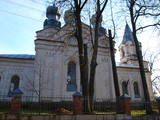 |
Atrodas augstākā, ar kokiem apaugušā – Marku upītes krastā aiz Piedrujas robežkontroles posteņa. Līdz baznīcai nonākam pa bruģētu ielu, kuru, domājams, 20. gs. sākumā veidojuši vietējie zemnieki. Nākot uz dievkalpojumu, līdzi bijis jāņem akmens, kas ieguldīts ceļa segumā. Dievnamu, kuru rotā seši kupoli, uzskata par vienu no skaistākajām tagadējā Krāslavas novadā. Ēka celta 1883. - 1885. gadā vecās koka baznīcas (jau 17. gs.) vietā saskaņā ar senkrievu Vladimiras pilsētas un bizantiešu arhitektoniskajām formām. Atrodamas ziņas, ka draudzes lielums iepriekšējos laikos sasniedzis pat tūkstoti draudzes locekļu. |
|
 |
Atpūtas vietā ir apskatāmas 370 no koka veidotas skulptūras. Ir izveidoti 5 labirinti- 630 m garš pikants labirints ar “pipariņu” tikai pieaugušajiem, tulpju meditatīvais labirints, “Šausmu labirints”mežā, bērniem- 25 m garš labirints ar maldīšanos upenēs “Tracis”, zaru labirints “Dižputna ligzda”. 60 dažādas lielformāta brīvdabas spēles un atrakcijas. Dabas taka “Putnu iela”, kurā apskatāmi Latvijas dobumperētāju putnu būrīši. |
|


