
| Nr | Nosaukums | Apraksts |
|---|---|---|
 7 dienas
|
Šis maršruts ir izveidots, lai parādītu Latvijas rudzu maizes cepšanas tradīcijas. Maršruts izstrādāts sadarbībā ar Latvijas Maiznieku biedrību. Rudzi ir gan latviešu uztura pamats, gan spēcīgs Latvijas kultūras un kulinārijas tradīciju simbols. Maršrutā akcentēta tradicionālā rudzu maizes cepšana un ēšana, kā arī sniegts ieskats rudzu graudu vēsturē no Latvijas senākajiem arheoloģiskajiem laikiem līdz mūsdienām. Maršrutā ietilpst saimniecību, graudu ražotņu un kultūrvēsturiski nozīmīgu vietu apmeklējumi. Tūre ir paredzēta grupām, un to ir iespējams pielāgot katram klientam, ņemot vērā viņa vēlmes, vajadzības un atvēlēto laiku. Tūrēs iekļauts: tikšanās ar ekspertiem, apmeklējumi, tūrisma pakalpojumi - naktsmītnes, ēdināšana, apskates vietas, autobusu īre, gidi. |
|
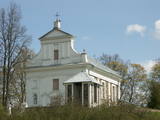 |
Tās celtniecību uzsāka 1830. g. par muižkunga Ludviga Šabanska ziedotajiem līdzekļiem. No laukakmeņiem celtajā baroka stila dievnamā, kuru apjož atjaunots akmens žogs, atrodas svētbildes „ Jēzus sirds", „Kristus ciešanas", „Svētais Jāzeps". Ikdienā apskatāma no ārpuses. |
|
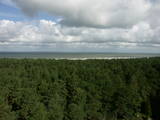 |
38 m augstais Ovišu bākas mūra tornis (signāluguns - 33 m augstumā) celts 1814. g. un bez ievērojamām izmaiņām darbojas arī mūsdienās. Šī ir mūsu valsts vecākā funkcionējošā bāka. |
|
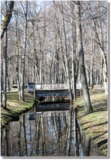 |
Brocēnu iela šķērso Vēršupīti, kas
līkumo cauri Ķemeru pilsētai. Tai pāri savus „kūkumus”
pārmetuši vairāk kā 10 mazi un romantiski tiltiņi. Katram
no tiem bijis savs nosaukums.
|
|
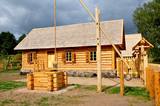 |
Izskata ziņā – visnotaļ etnogrāfisks ciems, kam ir sādžas plānojums un Latgales novadam raksturīgās ēkas ar apdarinātiem logiem un ažūrām fasādēm. Slutišķu vecticībnieku mājā ir izveidots muzejs (Naujenes novadpētniecības muzeja filiāle), kurā var iepazīt vecticībnieku kultūrvidi un tradīcijas. No blakus esošā Daugavas ielejas krasta paveras viena no neparastākajām Latvijas kultūrainavām. Tiem, kam patīk doties garākos pārgājienos, var aizstaigāt līdz aptuveni kilometru tālajai Slutišku kraujai, no kuras paveras ne mazāk iespaidīgi skati. Vasara 2018.
|
|
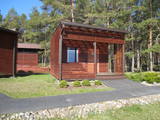 |
Kempings atrodas 77 km no Rīgas, skaistā meža un jūras ielokā. Piedāvājumu klāsts ir plašs - pludmales volejbola laukums, basketbola laukums, vindsērfings, galda teniss un vēl. Ir telšu vietas, kā arī divvietīgas vai četrvietīgas kempinga mājiņas. Ir ērtības cilvēkiem ar kustību traucējumiem. Kempings atvērts no 1. maija līdz 31. oktobrim. Liela WC un dušu telpa (koplietojama). |
|
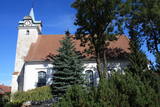 |
Atrodas t.s. Katoļu kvartālā starp Liepājas, Baznīcas, Tirgus un Raiņa ielām. Dievnams celts 1640. – 1642. g. kā Kurzemes hercoga Jēkaba Ketlera uzticības apliecinājums Polijas karalim. Tajā saglabājies biktssols ar alegoriskiem gleznojumiem (1691. g.), trīs ar rokoko stilā veidotiem kokgriezumiem rotāti altāri, 16. gs. skulptūra “Madonna ar bērnu” u.c. Iepriekš piesakoties, baznīcu var apskatīt arī no iekšpuses. |
|
 6 dienas
|
On this hiking route you will see the most part of the western coast of Estonia from Pärnu to Tallinn. You will visit Estonia’s most popular resort cities: Pärnu and Haapsalu. You will pass along many bays, cape horns, fishermen’s villages and overgrown meadows. In the northern part you will walk along the spectacular Pakri cliffs, where you will see some of the most beautiful scenery in the area. There will also be sandy beaches and dolomite outcrops in places. In some rocky and wet sections you will use coastal forests and trails. During the route, you will see the Soviet military heritage in Paldiski. |
|
 |
Saimnieks nodarbojas ar biškopību un apmeklētājiem piedāvā ekskursiju pa saimniecību, stāstījumu par bitēm, medus degustācijas. Iespēja iegādāties pašdarinātas vaska sveces un citus biškopības produktus. |
|
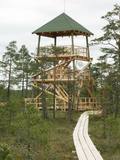 |
Cenas tīreļa takas sastāvdaļa. Atrodas tīreļa rietumu pusē, ap 5 km garās lokveida takas vidusdaļā. No tā redzams plašs purva masīvs, kā arī 1. Pasaules kara laikā celtais kara ceļš, ko iezīmē lielāku priežu „aleja”. Blakus tornim atrodas minētā ceļa mūsdienās veidots fragments.
|
|
 |
Atrodas Rīgas - Bauskas šosejas 25. kilometrā pie Ķekaviņas upītes. |
|
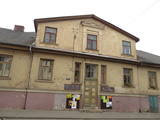 |
Saldus vēstures dokumentos minēta jau 1253. g. Līdz 13. gs. te atradās senā kuršu pils Salden, kas arī attēlota pilsētas ģerbonī. Ap 1341. g. netālu no kuršu pilskalna Livonijas ordenis uzcēla pili, pie kuras izveidojās apdzīvota vieta. Savu uzplaukumu līdzīgi kā citas Kurzemes apdzīvotās vietas tā piedzīvoja hercoga Jēkaba valdīšanas laikā 1642. - 1682. g. Par Saldus dibināšanas gadu min 1856., kad sākās Ziemeļu karā nopostītās vietas atjaunošanas darbi. 2. pasaules kara beigās pie pilsētas norisinājās smagas kaujas, taču līdz pat 1945. g. 8. maijam pilsēta palika vācu armijas okupētajā Latvijas daļā. Mūsdienu Saldus piesaista ar saviem pasākumiem – pilsētas dienām, mūzikas festivālu "Saldus saule", kā arī dažādiem apskates objektiem, starp kuriem minama a/s „Druvas pārtika", kur var vērot saldējuma tapšanas procesu un Saldus pārtikas kombināts, kur var degustēt garšīgās konfektes „Gotiņa" un vērot ražošanas procesu. |
|
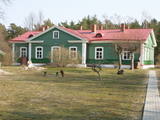 |
Gara un iztiepta teritorija ap 30 km garumā starp Baltijas jūru un Kolkas – Ventspils ceļu, kas sākas pie Irbes ietekas un beidzas pie Ovišraga. Dibināta g.k. piekrastes biotopu – sauso skujkoku mežu, kangaru un vigu kompleksa (t.sk. mitro starpkāpu ieplaku), pelēko kāpu, kā arī šeit mītošo sugu aizsardzībai. Kangaru – vigu ainava un pelēkās kāpas ir Eiropas mērogā nozīmīgi biotopi. Tūristus šeit piesaista ne tikai smilšainie liedagi un mazapdzīvotās pludmales, bet arī Miķeļbāka, Ovišu bāka (iespēja apskatīt bākas kompleksu un tajā izveidoto muzeju) un Miķeļtorņa luterāņu baznīca. Saglabājies padomju armijas militārais mantojums, kādreizējā šaursliežu dzelzceļa atliekas (uzbērums, staciju vietas, kuru vietā piemiņas akmeņi u.c.), kas šobrīd, diemžēl netiek izmantots kā tūrisma resurss. |
|
 |
MIKO konditoreja pēc savām īpašajām receptēm gatavo vairāk kā 100 produkcijas veidus - kūkas, pīrāgus, eklērus, cepumus. Sākotnēji tas tika darīts Saldū, bet kopš 2016. gada - arī Liepājā. Visu piedāvāto kopā ar kafiju iespējams nobaudīt nelielajās kafejnīcas telpās, turpat var veikt pasūtījumus, saņemt īpaši gatavotu produkciju un aplūkot mākslinieces Diānas Krūmiņas gleznas. Tiek piedāvāta arī apkalpošana un galdu klāšana banketiem un citiem svinīgiem pasākumiem. |
|
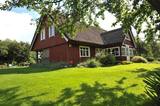 |
Viesu nams atrodas Rusnes salā, Pakalnes upes krastā. Viesu nama saimnieki vāc augus, pēc tautas receptēm tos apstrādā un viesiem piedāvā dažādas tējas, uzlējumus un citus dzērienus, kam piemīt ārstnieciskā iedarbība, kas uzlabo garastāvokli un paaugstina tonusu. |
|
 |
Zemnieku saimniecība „Vilciņi-1” atrodas Jelgavas rajona Zaļenieku pagastā, tā dibināta 1992. gadā uz 74 ha mantojumā atgūtās zemes. Šobrīd tiek apstrādāti (specializācija – graudkopība) ~ 2200 ha zemes. Saimniecībā strādā ar precīzās lauksaimniecības metodēm, kas palīdz ekonomēt līdzekļus, samazināt lauksaimniecības negatīvo ietekmi un veicināt vides maksimālu saudzēšanu. Papildus tiek sniegti tehnikas un transporta pakalpojumi. Z/s „Vilciņi1” ir kooperatīvās sabiedrības „LATRAPS” un Zemnieku Saeima biedrs. Saimniecība sadarbojas ar Latvijas Lauksaimniecības universitāti, Zaļenieku komerciālo un amatniecības vidusskolu un Latvijas Jauno zemnieku klubu, organizē seminārus un konferences - izglīto studējošos jauniešus, lauksaimniekus un citus interesentus, kā arī pieņem darbā studentus, kuri ir gatavi studijās iegūtās teorētiskās zināšanas pielietot praktiskajā darbā. Līdzdarbojas SIA AgTech un SIA Agitis – atpūtas komplekss Rožmalas. |
|
 |
Atrodas Rēzeknes centrā. Piedāvājumā zupas, salāti, zivju un gaļas ēdieni, deserti, dzērieni. Biznesa pusdienas par īpašu cenu. |
|
 |
Divstāvīgs skatu tornis pie Laikjula (Laiküla) – Hāpsalu ceļa, no kuras paveras plaša ainava uz Matsalu līcī ietekošo upīšu palieņu pļavām. Te var vērot migrējošās dzērves un zosis, bet pavasaros varbūt laimēsies redzēt vai dzirdēt ķikutu Gallinago media. Viens no retajiem torņiem, kas ir pielāgots cilvēkiem ar īpašām vajadzībām. |
|
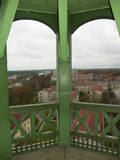 |
No Sv. Sīmaņa luterāņu baznīcas torņa labi saskatāma Valmieras centrālā daļa un Gaujas krasti. Skaidrā laikā redzams Zilais kalns. Apskatāmas arī baznīcā esošās kultūrvēsturiskās vērtības un vienas no Latvijas skanīgākajām ērģelēm.
|
|
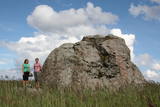 |
Perispeas pussalas piekrastē ir izvietojušies gan bijušie zvejniekciemi, gan Padomju armijas kara bāzu atliekas. Viena no pussalas savdabībām ir arī grandiozie ledāja atnestie dižakmeņi: nezinātājam ne visai viegli atrodamais un grūti pieejamais (jūrā) Odakivi, Purekari raga (Purekkari neem) galā starp citiem akmeņiem guļošais Purekari akmens (Purekkari rändrahn), jūras apskalotie Mehu akmeņi (Mähu kivid), Vīnistu (Viinistu) ciema krastmalā guļošais Melnais akmens (Must kivi), pāri niedru galotnēm savu „virsotni” izslējušais Kuhjakivi, visnotaļ iespaidīgais Painuva kivi, līdz kuram var nokļūt tikai peldus un savā ziņā nepārspējamais Jaani – Tooma suurkivi. Četri no pieminētajiem akmeņiem ir sasnieguši vai pat pārsniedz piecu metru augstumu! Akmeņiem bagāts ir Turbunēmes (Turbuneeme) ciems. Būs nepieciešams patiess entuziasms un laiks, lai visus uzskaitītos milžus atrastu un iemūžinātu savā fotokolekcijā. Perispeas pussala beidzas ar tālāko Igaunijas sauszemes ziemeļu punktu – Purekari ragu, kas ir ļoti ainaviska vieta. |
|


