
| No | Name | Description |
|---|---|---|
 |
The old narrow-gauge railroad. You can still see the station, the baggage
warehouse, the house where the station commander lived, and the path along
which the little train ran back in the day.
|
|
 |
A popular café, located in the centre of Sigulda, just opposite the railway station, that offers breakfast, salad, snacks and main courses. Natural and truly delicious pastries, cakes and culinary products. |
|
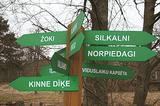 |
is seen as the newest village along the Livonian coastline. It was established during the 17th century. Košrags had 78 residents in 1826. The first reading school for Livonian children in the Dundaga seashore villages was opened at the Žoki homestead in 1832. One of the teachers was Nika Polmanis, who was the first Livonian to have completed a professional education. He also translated the Gospel of Matthew into the Eastern Livonian dialect. Košrags had a windmill, water mill and boat building facility. During the spring, job seekers from Saaremaa stopped here. A port was installed in 1932, and a breakwater to collect sea fertiliser followed in 1938. During the 1930s, Košrags was regularly visited by Finnish and Estonian linguists to study the folklore of the Livonians. The Norpiedagi homestead was built by Livonian activist Didriķis Volganskis (1884-1968). His son, Livonian cultural worker and pastor (in Finland) Edgars Vālgamā (Volganskis, 1912-2003) was born there. He translated the Andrejs Pumpurs epic "Lāčplēsis" into Finnish. Košrags today is a cultural monument of national importance. |
|
 |
The saloon is in the 250-year-old servants’ home of the Rundāle Castle, with a brick floor, pot-bellied stoves, a smokestack and other historical objects. Meals are served on antique dishes, and hot beverages are served in cups from the Kuzņecovs Factory. Latvian cuisine: Roast ham with eggs, potatoes with mushroom sauce, roast goose, crabs boiled with dill, pancakes with honey, bread soup with whipped cream, stacked bread, country teas, apple pie. Special foods: Pork shish kebab with oven-roasted potatoes. |
|
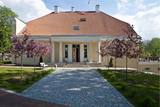 |
The restoration of Kau Manor, which was originally constructed before 1241, was inspired by the colourful history of the manor, and the imagination makes it stand out from the other manors. Kau Manor has won the 2016 World Boutique Hotel Award in the category of the World’s Most Inspired Design Hotel. |
|
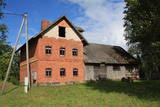 |
Braucot cauri Kaives ciemam, var pievērst uzmanību Kaives muižas „atliekām”. Vietas vēsture ir sena, jo jau 1440. gadā Livonijas ordeņa mestrs piešķīra šeit īpašumu Johanam Kaivenam. Kungu māja gāja bojā 1905. gadā, bet pārvaldnieka ēku nopostīja 2. pasaules kara laikā. 1956. g. nodega kalte, bet pirms trijām desmitgadēm - muižas krogs. Līdz mūsdienām palikusi tikai 1861. gadā celtā magazīna (sarkana ķieģeļu ēka) pakalnā un tai blakus esošais parks, kurā izveidots neliels skulptūru dārzs, estrāde un atpūtas vieta. |
|
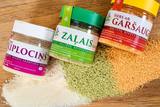 |
The Rauna cheese factory is owned by Ceriņš family, and for the past 10 years it has offered high-quality and nutritious products to its consumers – cheese, butter and macaroni. The most popular product is “Green cheese,” in which one of the main ingredients, fenugreek, grows in the factory’s garden. Fenugreek is a perennial with five leaves and blue flowers. While the new shoots are soft, they are dried in a wood-fired drying house. Then the fenugreek is ground up, sieved and added to a mass of protein that is put in thin layers in special wooden boxes and allowed to dry. After the fenugreek is added, the cheese gets its typical taste, colour and smell. Groups of 10 or more can apply in advance for tours of the factory and learn about how the cheese is made. |
|
 1 day
|
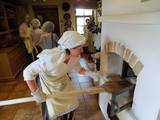
Since ancient times bread has been our staple food, and formed part of breakfast, lunch and our evening meal. We bake bread from rye, wheat, buckwheat and barley. Both fine-ground and wholemeal flour is used. Bread baking is one of the most honoured traditional skills in Latvia. Caunītes country house keeps Latvian traditions alive and demonstrates them to visitors. The house is designed and decorated in the traditional Latvian style and exudes an authentic ambience while having modern facilities. Under the guidance of the hostess, visitors will bake their own loaf of sweet-and-sour bread in a wood-fired bread oven. In Latvian families it was traditionally one of the main duties of the lady of the house to bake a week’s supply of bread for the whole family every Saturday morning. Every woman was proud of her own unique recipe and passed it down to her daughters and granddaughters through the generations. There are many traditional beliefs, sayings and riddles linked with bread in Latvian folklore. Today, there is great interest in the old recipes, bread-baking methods and the use of organic ingredients as many families are opting for a healthy lifestyle. |
|
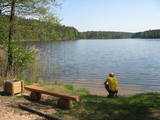 |
The aim of this territory is to regulate the natural and cultural landscapes of the upper reaches of the Daugava River valley, where there is a great deal of biological diversity. Nature trails have been installed in the park, as have bicycle routes. The river is good for boating in this area, too. The Curves of the Daugava nature park is part of the territory (see “Nature Parks”). |
|
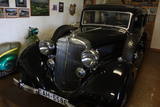 |
Pilsrundālē pa ceļam uz Rundāles pili var apmeklēt Retro auto kolekciju, kur apskatāmi 1939. g. automobiļi un dažādu laiku motocikli. Starp automobiļiem ir arī pasaulē šodien reti sastopami modeļi. Šī ir īstā vieta vēsturisko spēkratu cienītājiem! |
|
 |
Since 1820 people have been brewing Estonian beer here using local ingredients, like groundwater, yeast and others. The Saku Brewhouse name comes from the previous brewery that worked until 1992. The brewhouse also has a museum where you can see beer production from centuries ago until this very day. During the tour it is possible to taste freshly made beer. Minors are not allowed to participate in the tour. |
|
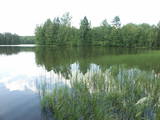 |
Viens no dažiem Latvijas dzidrūdens ezeriem. Apskatāms no Lubānas - Ļaudonas ceļa malas pie Visagala. Lai saudzētu šo ezeru, tajā esošos aizsargājamos biotopus un sugas, ūdenstilpē nevajadzētu peldēties lielām cilvēku masām un pieļaut cilvēka darbības produktu nonākšanu ezerā.
|
|
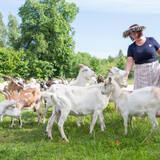 |
A Latvian traditional farm with a herd of some 150 goats, offering tours of the farm and cheese for sale. They offer also home-made ice-cream from the goat milk and a soup made on open-fire. Also latvian traditional sauna is available. The products can also be bought at the little market in Straupe. |
|
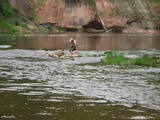 |
Ģeoloģiskā taka sastāv no trīs saistītiem posmiem: „Melturi – Kārļu zivjaudzētava”, „Kārļu zivjaudzētava – Zvārtes iezis” un "Zvārtes iezis - Veclauču tilts". Amatas senleja veidojusies vienlaikus ar Gaujas senleju leduslaikmeta beigu posmā un pēcleduslaikmetā, ledāja kušanas ūdeņiem plūstot uz Gaujas ieleju. Gaujas NP teritorijā Amatas senielejas dziļums sasniedz 50 metrus un platums palielinās līdz apmēram 1-1,5km.
Augstas kraujas (vairāk ne kā 40 metru), kurās redzami augšdevona Pļaviņu svītas dolomītu un augšdevona Amatas un Gaujas svītu smilšakmeņu atsegumi, mijas ar mežiem apaugušām, 3-16m augstām stāvām terasēm.
Amatas senieleja ir nozīmīga ne tikai ar savām dabas ainavām. Tās krastus grezno dolomīta un smilšakmens atsegumi, kas atklāj zemes vēstures lappuses 350-400 miljonu gadu tālā pagātnē, kad Latvijas teritoriju klāja jūra.
Velobraucieniem taka nav piemērota!
|
|
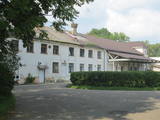 |
The first Mālpils dairy began operations in 1923 and manufactured butter and cheese. During the 1970s, the first soft and unfermented cheese in Latvia, “Mālpils Cheese” was produced here. Apply in advance for a tour of the company and a tasting of its products. You can purchase the products from the company’s warehouse. |
|
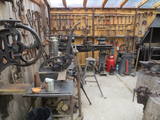 |
Saimniecības zemi, kas atrodas starp Ulbroku un Vālodzēm, 1929. gadā nopirka tagadējā saimnieka – Dzintara Āboliņa vectēvs. Tajā laikā arī tika uzcelta klēts, kurā glabāja saimniecībā izaudzēto lauksaimniecības produkciju. Krīvu klēts atdzimšana notika pirms 20 gadiem, kad tagadējie saimnieki tajā uzsāka veidot muzeju no sadzīves priekšmetiem un darba instrumentiem, kas savulaik izmantoti Krīvu saimniecībā. |
|
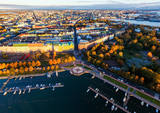 |
Helsinki is the capital of Finland and the biggest city in Finland. It offers a lot to see as it is seaside city surrounded by islands but city itself is full of wonderful parks. This city has everything to attract all kinds of people - from architecture and culture to nature and even has wide range of places where to enjoy night-time Helsinki. |
|
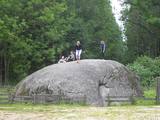 |
This territory was established to protect various kinds of rare butterflies A popular tourist destination in the Nīcgaļi forests is the great rock of Nīcgale, which is the largest rock in Latvia – a geological and geo-morphological monument of nature. The rock has a circumference of 31.1 metres, and it is 3.5 metres high, 10.5 metres long and 10.4 metres wide for a total size of 170 m3. |
|
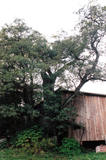 |
This is the thickest Black Alder (Alnus glutinosa) in Latvia
|
|
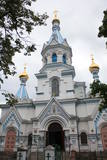 |
Atrodas t.s. Baznīcu kalnā - Tautas ielā 2. Šo uzskata par vienu no krāšņākajiem Latvijas pareizticīgo dievnamiem, kura ārējo veidolu izrotā daudzo torņu kupoli. Tā celta 1905. g. kā Dinaburgas garnizona baznīca ar daudziem nozīmīgiem mākslas pieminekļiem interjerā, t.sk. 19. gs. ikonām. Dievnams ir ikdienā atvērts un apskatāms no iekšpuses. |
|


