
| No | Name | Description |
|---|---|---|
 |
This company uses natural juices and other raw materials to produce blackberry, black currant, sea buckthorn and spinach glazes that are used to decorate handmade gingerbread. You can listen to stories, take part in thematic activities, bake your own gingerbread, and buy dough and finished cookies. |
|
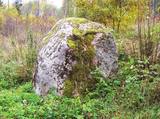 |
The Devil Stone of Ubagova (Čorta kameņs). The cult place is situated in the Southern side of the
village Ubagova 30m to the N NW from the cemetery of the village. According to the legend, there are
ghosts so you shouldn’t walk there alone because they can trap you in the woods. The boulder is about 1.6
m high. The surface is smooth, without any cuts.
|
|
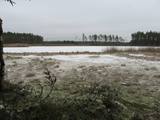 |
This is one of the most impressive and extensive natural structures of its kind in Latvia in terms of appearance and landscape. The ice age left behind this wall-like terrain, which is up to 27 metres high and at the top of which the Rīga-Ērgļi road has been built. The Great Kangari hills offer a view of the Great Kangars lake and the Great Kangari swamps and ponds. The Ķoderi castle hill, also known as the “Big Man’s Bed” is found here. The restricted area was established to protect the structure and its related biotopes and plants.
|
|
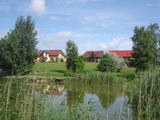 |
The farm breeds several species of chinchillas and offers a look at them. There are also decorative pheasants, peacocks, doves and different kinds of chickens, along with marmots, dwarf goats, chipmunks, rabbits, a pony, etc. You can purchase chinchillas, decorative birds and other animals, along with quail eggs, chinchilla pelts and souvenirs. There are also ponds for fishing. |
|
 |
The restaurant and deli is located in Cēsis, on the way from Valmiera. Modern interior, relaxed atmosphere and delicious dishes from the produce of local farmers. The menu is rich not only with meat and fish dishes, but also with a wide range of vegetarian dishes. |
|
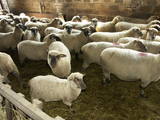 |
The farm breeds more than 150 sheep. There is a location to feed lambs, and the owners organise animal auctions and “Sheep Days” events. You can take a tour of the farm and purchase pedigreed sheep and sheep-related products. |
|
 1 day
|
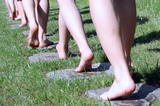
The Barefoot Path begins at the Valguma Pasaule Recreation Centre by Lake Valgums, which is surrounded by forest. The recreation centre includes a hotel and restaurant, and offers nature-based services such as the Barefoot Path and other walking trails. The Barefoot Path is a 2.6 km long trail through the natural environment, along which visitors walk barefoot and experience a variety of surfaces including pine cones, glass balls, small stones and shingles of various shapes, moss, fine sand, clay, river water, turf, gravel, reeds, chipped wood, pinewood logs, wooden poles and millstones. Walking barefoot has a number of positive health effects: it strengthens the immune system; it improves blood circulation and stabilises blood pressure; it strengthens the leg and foot muscles, joints and ligaments; and it enhances relaxation, and aids mental and physiological stability. The walk is led by an English-speaking guide. Before the walk, visitors receive a briefing. It is recommended that visitors wear comfortable outdoor clothing, appropriate for the weather. After walking the barefoot path, visitors usually feel energised, strong and happy. The walk finishes with a relaxing herbal foot bath. |
|
 2 days
|
This tour will give you an impression of the eastern part of Latvia, which is less populated and also less popular among tourists. You will first arrive in Aluksne and explore the town, which is located at Alūksne highland, on the shore of Lake Alūksne. It is worth visiting Temple Hill – an old Latgalian castle mound and the place of the old town, Sun bridge, and the Castle manor park, Alūksne Lutheran Church and the Bible Museum. After staying there overnight you will go by bus to the start point of the hike in Ape. This Forest Trail section winds through a hilly farmland landscape, then enters a large dark forest, occasionally interrupted by the blue surfaces of lakes. After Peļļi, it crosses the Latvian/Estonian border and winds along the shores of the lakes Smilšājs, Sūneklis and Ilgājs for 2 km on the Estonian side, known as Paganamaa (translation: Devil's Land). There it descends and enters the Korneti-Peļļi subglacial depression, one of the most impressive ravines in Latvia. The Forest Trail returns to Latvia at Lake Ilgājs and, after a steep climb, takes you through a hilly area to the Drusku castle mound. Here you can enjoy a beautiful view. At the end of this tour, you will reach Korneti. The section is located in the protected landscape area “Veclaicene”. |
|
 |
A third-generation family company, producing “Gotiņa” sweets since 1959. Located in the centre of Skrīveri, a 2-minute walk away from the train station. Company has a Sweets Workshop where visitors can take a tour, wrap their own candies, learn about their history, taste the products, and purchase natural and fresh sweets. For “Gotiņa” sweets with rye bread and cranberries, they use heated rye breadcrumbs from the Lāči bakery. Fresh and delicious sweets can be purchased in the factory shop.There are four different tour programmes in all. |
|
 3 days
|
This three-day route will allow you to visit one of the most unusual landscapes in the Baltic States - the Curlandian dunes. You will also visit interesting territories here in Latvia - the Pape Nature Park and the Liepāja Naval Port. The port is worth visiting while it still retains some of its Soviet-era "charm". New and unprecedented impressions will also be assured by two unique manmade objects - the "Town of Rock" and the "Town of the Absurd", which are both unique not only at the Baltic level, but in a far more extensive sense. |
|
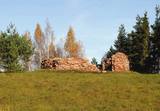 |
Swedish scanst (Kuce Hill, Jumprava Hill). Medieval fortification. The monument of national meaning
is located in the village Stari 450 m from Atspuki mill, 70 mto the Southeast from the ruins of Jumpravmuiža.
The territory is 0,7 – 1 m deep outside and 1 – 1,5 m high inside. The new road to the ruins of Jumpravmuiža
leads through the West side of the fortification.
|
|
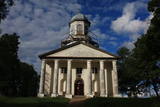 |
Tagadējais dievnams (iepriekšējie celti 1652. un 1776. g.) būvēts laikā no 1839. - 1842. g. Vidzemē pazīstamā lībiešu būvmeistara Mārča Sāruma (1799. –1859.) vadībā. Par prototipu tam izmantoja Pievolgas vācu koloniju baznīcu veidolu. Dievnama altārī atrodas Pītera Paula Rubensa gleznas “Kristus pie krusta” kopija (oriģināls – Minhenē), ko 1887. g. baznīcai uzdāvināja Nēķena muižas īpašniece. Baznīcas remonta laikā (1928. g.) atklāja piemiņas plāksnes 1. pasaules karā un Latvijas Brīvības cīņās kritušajiem. Blakus baznīcas atrodas viduslaiku kapsēta. Celtnes autors un būvdarbu virsuzraugs - H. fon Hagemeistars esot teicis, ka šis dievnams esot „vienīgā baznīca visā Vidzemē un varbūt arī pasaulē, kas uzcelta bez apreibināšanās”. |
|
 |
Atrodas Daugavas prospektā 10, starp Rīgas – Daugavpils šoseju (A 6) un Kalēju ielu. Dievnams celts laikā no 1931. - 1933. g. (arhitekts: Pēteris Kundziņš). Padomju gados tajā bija izvietota Latvijas Valsts bibliotēkas grāmatu glabātava. Pateicoties draudzes aktivitātēm 1989. g., ēku atjaunoja. Tagad tā kalpo savam pamatmērķim. |
|
 |
The restaurant is in Bocmaņa Square in the centre of Salacgrīva and on the banks of the Salaca River. The well-known “Pie Bocmaņa” saloon has been redesigned and features the topic of Baron Munchhausen. Latvian cuisine: Herring salad, herring with cottage cheese, fish soup, breast of pork with onions, grey peas with bacon, fried livers, baked plaice, baked filet of pike-perch, stacked rye bread. |
|
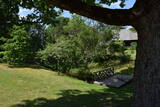 |
Bārbeles sēravots tiek dēvēts par vienu no pirmajām kūrvietām Latvijā, proti, jau ap 1650. gadu hercoga Jēkaba valdīšanas laikā sēravota tuvumā uzbūvēta vannu māja, dēvēta par mazo ūdensdziednīcu, kuru vēlāk arī apmeklējuši visi Kurzemes-Zemgales hercogi. 1739. gadā Rīgas garnizona ārsts Benjamins Teofils Grofs uz Bārbeles sēravotu nosūtījs 10 ievainotus un smagi slimus karavīrus, kas sirguši ar dažādām kaitēm - pēc Bārbeles sēravota vannām karavīri atveseļojušies. Avota ūdeni izmantojuši gan apkārtējie zemnieki, gan muižnieki, gan augstmaņi no Jelgavas. Avotā slimnieki peldējušies, aptriepušies ar dūņām, no tā sagatavotas arī siltās vannas. Tāpat ūdens tika izmantots iekšķīgai lietošanai. Bārbeles sēravots dziedinājis ne tikai skorbutu, locītavu un krustu sāpes, artrītu, pietūkumu, bet arī venēriskās slimības-sifilisu, nervu kaites un daudzas citas slimības. 19. gs. avota ūdenī samazinājās sērūdeņraža koncentrācija. Neskatoties uz to, 20. gs. 20. gados šeit vēl aizvien darbojās vannu māja, tika uzbūvēts arī neliels vasarnīcu rajons, ierīkots deju laukums un parks, kūrorts tolaik tika plaši apmeklēts. Diemžēl, kūrorta noriets seko pēc Otrā Pasaules kara, kad to noposta un vairs neatjauno. Šobrīd par savulaik tik ļoti apmeklēto un nozīmīgo kūrvietu, dēvētu par pirmo kūrortu Latvijā, var tikai iztēloties. Atrodoties pie sēravota, tā laika liecības iezīmējas pēdējās vannu mājas ēkas pamatu drupās, stalti liecinieki arī koki – glabājot sevī savulaik pieredzēto. Sēravota apkārtnē ierīkota atpūtas vieta, informatīvs stends, kurā var aplūkot senākas fotogrāfijas un detalizētāk iepazīties ar kūrorta vēsturi. Tāpat ierīkota laipa, no kuras apmeklētāji var pasmelt avota ūdeni. |
|
 |
You can watch blacksmiths at work at this smithy, and you can order metal decorations, fences and other products on the basis of individual agreement with the blacksmith. |
|
 5 days
|
On this tour you will enjoy the diversity of nature in Lahemaa National Park – the oldest national park in the Baltic states. Lahemaa – means “the land of bays” in Estonian. It is characterised by many bays, peninsulas, forests and villages rich in cultural heritage. The Forest Trail will go along the bays and peninsulas of Lahemaa National Park, introducing the hikers to its most significant natural and cultural heritage. The forests are rich with blueberries and mushrooms in autumn, and the air is very clean. You will start the tour from Tallinn, going by bus to Lahemaa National Park, where you stay overnight in one of the beautiful manors. On the next day you will hike till Oandu. En route you will see Altja – a scenic traditional fishing village, where a traditional Estonian tavern is located and you can enjoy traditional meals. In Oandu there is the visitor centre of the Estonian State Forest Management (RMK), where hikers can learn more about forest habitat types and forest management traditions. Then you will reach Käsmu Peninsula with its wooded dunes and moss-covered rock fields, giving the feeling of being in a fairy tale. Käsmu is also a popular Estonian sea captains´ village. There you can visit the Marine Museum and lighthouse, as well as have an extra walk to the Vana-Jüri rocks. During the day from Käsmu to Kasispea you will see some of the most impressive boulders in Lahemaa National Park, the Tammispea and Jaani-Tooma boulders, which resemble huge monoliths. You will end the tour in Viinistu Village, where we suggest visiting Viinistu Art Museum. |
|
 |
Atrodas Rīgas – Ventspils autoceļa (A 10) 92. kilometrā. Piedāvā ēdināšanas pakalpojumus, klāj galdus un organizē citus pasākumus. |
|
 |
The farm makes goat’s milk cheese and other goat’s milk products. Goats, sheep, rabbits and domestic birds are bred here. You can purchase products by ordering in advance, excursions on the farm are organised during summer. |
|
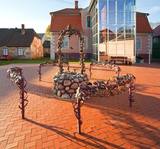 |
Befindet sich im alten Rathaus. Das größte Silberkunstwerk Baltikums (wiegt mehr als 30 kg) und andere dekorative Gegenstände sind zu sehen. Auf der Dachkammer ist die einmalige Malerei im Stil des Spätrokoko zu sehen. |
|


