
| No | Name | Description |
|---|---|---|
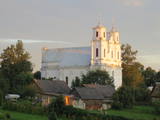 |
The largest town in South-Eastern Latvia is on the banks of the Daugava River, which is the border between Latvia and Belarus at this location. The border runs down the middle of the river. Piedruja has two parts – Piedruja and Aleksandrova, which are separated by a central street (the V 631 road). Piedruja emerged from the Druja town that was on the left bank of the Daugava. During the 17th century, the two parts were owned by the Stapekha dynasty of Lithuanian aristocrats. It is worth strolling through the town, because the low-level wooden houses are reminiscent of buildings that are exhibited in open-air ethnographic museums. Piedruja is neat and tidy, with two churches and the Daugava rock that are part of a local hiking trails. Aleksandrova has a tourist accommodation, “Piedruja,” which offers special soirées in the Lettigalian, Russian and Belarusian style. Please be aware that you need a temporary permit to enter the border zone. The Border Guard facility is in Piedruja and at a place where there was a Daugava crossing point comparatively recently. |
|
 |
Der Stützpunkt des Livländischen Ordens. Der Bau der Burg war eine Strafe für Ortsbewohner. Die Burg wurde nach dem Befehl des Dänischen Königs Frederik der II 1576 vernichtet. |
|
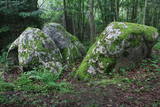 |
Ziemeļos no Viļāniem (Jaunviļānos) atrodas ar mežu apaudzis osveidīgs paugurs – t.s. Kaupra kalns, kurā virsotnē meklējams (ceļa uz Trūpiem malā izvietota norāde) minētais akmens. Trīsdaļīgā akmens, kas atrodas mežā, garums ir 4 m, platums 3 m, augstums 1,9 m. Lielākās daļas virspusē var saskatīt nelielu dobumu, tādēļ pastāv viedoklis, ka šis ir sens kultakmens. |
|
 |
Glempings atrodas Amatas pagasta Dīķīšos, kur viesus sagaidīs Samojedu šķirnes suņi un inteliģenti ēzelīši, kas aizvedīs līdz glempingam dīķīša pakājē. Glempinga teltī ir lielā gulta un divguļamais dīvāns ar gultasveļu un dvieļiem, ledusskapis, svaigs ūdens, Nespresso kafijas aparāts un tējkanna, šķīvji, krūzes, glāze, ēšanas instrumenti. Ārpus telts pieejama āra duša, mazmājiņa ar ūdeni un dezinfekcijas līdzekļiem, latvju zīmēm rotāta ugunskura vieta ar iesmiem, malku un ērtiem krēsliem vakara baudīšanai, galds ar krēsliem ēšanai, bērniem smilškaste ar mantām, peldvieta. Naktsmāja ir piemērota arī cilvēkiem ratiņkrēslā, tajā skaitā ar atbilstoši izbūvētu mazmājiņu. Šis piedāvājums ir tapis sadarbībā ar sociālo uzņēmumu "Kultūras tūrisms". |
|
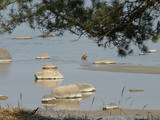 |
This is an area where migrating birds seek shelter and food all around the year. Seen most often here are the red-throated and black-throated loon, the common shelduck, the long-tailed duck, the velvet scoter and the little gull. The territory is also important for the protection of reefs. It lies opposite the Dundaga, Roja and Engure administrative districts, as well as the city of Jūrmala, and it covers 132,173 hectares of territory. The marine parts of the Engure Nature Park and the Ķemeri National Park are covered.
|
|
 |
A family-friendly grill bar and restaurant with a children’s play area, special dishes for children, and a positive and relaxed atmosphere. The chef mainly opts for Latvian products when creating the menu. |
|
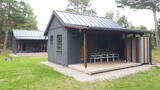 |
Brīvdienu mājiņas Jūvgumegi atrodas Kurzemes reģiona Mazirbē, Slīteres nacionālajā parkā. Viesiem tiek piedāvātas četrvietīgas un divvietīgas naktsmītnes ar bezmaksas privātu autostāvvietu. Visās ir pieejama virtuve ar ledusskapi un plīts virsmu, kā arī tualete, duša izvietota uz terases. Līdz liedagam 400m. |
|
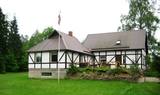 |
Guest house "Aivari" is located in a quiet forest in Inčukalns region. Offers rest in a country sauna, after the sauna it is possible to use a shower, cool off in the pool, also a swim in the spring pond and a wooden tub. There are tent sites, a picnic area with awnings, a volleyball net and several campfire sites. |
|
|
|
„Zaļmuiža” (Green Manor) is notable because of its legendary past. The protector of peasants and poet Peter
Miglinīks (1850 – 1883) worked there as a clerk in the beginning of the 19th century. In 1784, the building belonged
to Frederick von Korf. The manor was bought by officer of Russian army Nikolaj Paulin von Rosenschild. Once
the manor had a large farm (800 ha): several cattle-sheds, fruit and wine cellars, alcohol brewery. Now there in
only a manor house and a barn. Till 1960s, the manor house was the centre of kolkhoz „Liesma”, later the club.
Now there is a smithy of a craftsman Jānis Ļubka. Guests are welcome to watch and try the metal processing.
|
|
 |
Jõeniidu is a small, lovely family farm offering accommodation and meals from vegetables grown on its farm and goat's milk. |
|
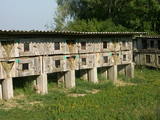 |
This is a farm of pedigree rabbits (11 breeds, ~200 rabbits). You can go on a tour of the farm and receive consultations on the breeding and selection of rabbits. You can also buy pedigreed rabbits for yourself. |
|
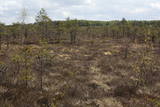 |
Territory established mainly for protection of bog myrtle and various bird species. An interesting fact is that bog myrtle or sweet gale is used as ingredient for making famous Riga Black Balsam. Brienamais purvs (wade bog) is hard to find and reach therefore it is not suitable for tourism.
|
|
 |
SIA “Rundāles Dzirnavas” 2021. gadā īstenoja projektu, lai izveidotu nelielu alus darītavu un uzsāktu alus ražošanu Rundāles ūdensdzirnavu teritorijā. Tiek ražots gaišais un tumšais alu, kura visas sastāvdaļas tiek iepirktas Latvijā, bet graudi no vietējiem zemniekiem. Videi draudzīgā iekārta atbilst jaunākajiem ES standartiem un prasībām. Latvijas un ārvalstu tūristiem ir iespēja apvienot Rundāles pils apskati ar vēsturisko dzirnavu muzeja un alus darītavas apmeklējumu. Kompleksa teritorijā ir daudz iespēju daudzveidīgai interesantai laika pavadīšanai. Vienas dienas laikā var apmeklēt aizraujošas ekskursijas pa dzirnavām un alus darītavu, pastaigāties pa vietējiem, tuvējiem apskates objektiem, uzņemt lieliskas fotogrāfijas, atpūsties pludmalē un vizināties ar laivu, katamarānu, SUP dēli. |
|
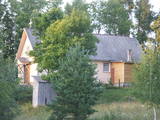 |
The present wooden church on the hill was built in 1947 but today it has been restored. Currently, the deanery of Rezekne is located there. Every day you can see it from the outside. Until 1960, in Dukstigals there were two congregations: White Dukstigals (Šadurska) and Black Dukstigal (Slobodska). In White Dukstigals, the church was built in 1775. In 1960, during the time of the Soviet power, the church was violently demolished, despite the fact that it was an architectural monument and the oldest wooden church in Latgale-367years old! The "excuse" was the explanation that one congregation must not have two churches. |
|
 |
Darbnīcā tiek izgatavoti personalizēti pulksteņi un dažādi dizaina priekšmeti no koka, kā arī piedāvātas kokapstrādes meistarklases vai klātbūšana dažādos materiāla pirmsapstrādes vai finiša apstrādes procesos. Tāpat iespējama ekskursija pa darbnīcu un koku sugu atpazīšanas viktorīna. |
|
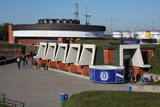 |
Das Museum befindet sich in der Festung von Kopgalis. Im Aquarium des Museums sind Fische und Tiere der Ostsee und anderer Meere und Ozeane zu sehen. Eine Ausstellung. Pinguine und Seehunde. In den Pulverkellern der Festung ist eine Ausstellung der Seefhrt Litauens, aber auf den Bollwerken eine Ausstellung der Gewehr eingerichtet. Das einzige Delfinarium im Baltikum. |
|
 |
As part of the Hotel Jelgava, the restaurant serves traditional Latvian dishes, as well as others. Musical evenings are organised. Latvian cuisine: Steak of Latvian-bred ostrich. Special foods: Corn chicken with spinach-potato mash and grilled new carrots. |
|
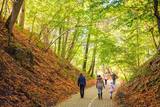 |
Šis ir viens no retajiem ceļiem, kurš saglabājies kā notikumu liecinieks. Ceļš ved no Krimuldas uz Siguldu. Jau vācbaltu apgaismotāja novadpētnieka – mākslinieka Johana Kristofa Broces 1794. gada zīmējumā "Siguldas un Krimuldas pilsdrupas" redzams lauku ceļš gar Krimuldas pili, pa kuru iet zemnieks un darba ratus velk zirgs. Lai braukšana pa Gaujas senlejas nogāzi ar zirga pajūgu būtu droša, ceļu izveidoja līkloča formā, tā uzbrauktuvi padarot daudz lēzenāku. Domājams, ka ceļš atjaunots 19 gs., kad Krievijas cars Aleksandrs otrais un viņa sieva ieradušies uz vizīti siguldā. Pāri ceļam bijuši vairāki mazi tiltiņi, ko iedzīvotāji dēvējuši par velna tiltiem. Tagad serpentīna ceļš kļuvis par romantisku pastaigu vietu. |
|
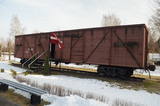 |
The wagon commemorates the 2,916 innocent people from Skrunda and the surrounding area who were deported to Siberia in cattle wagons. It is found at Stacijas Street 1 near the Skrunda railroad station. |
|
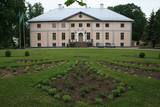 |
The manor’s castle was built in the middle of the 18th century (belonging to the noble kin of baron Medem) as a huntsmen castle. Later, in the 19th century, it was rebuilt by adding a second floor. The kitchen was situated in the vaulted basements of the castle and when the food was ready, it was brought upstairs in the elevator. The gantry entrance of the castle (late baroque) and marble buttons above it picturing the coat of amrs of the union of Medem and Keizerling noble kins, is one of the most valuable example of arts monuments of the 18th century. To this day there are various outhouses preserved- a threshing barn, a granary and a smithy, as well as the park. In front of the castle one can see a magnificent oak, which was supposedly planted by K.Ulmanis. From 1837 the manor’s castle has also served as a place for Vilce primary school. |
|


